In the demanding world of industrial safety and public security, the visibility of personnel is not just a regulatory requirement but a critical lifeline. A high-quality security high vis vest serves as the first line of defense against workplace accidents, ensuring that security officers, traffic controllers, and emergency responders are immediately identifiable in low-light or chaotic environments.
Globally, the adoption of standardized high-visibility clothing has drastically reduced the incidence of roadside casualties and industrial collisions. By utilizing fluorescent materials and retro-reflective tapes, these garments manipulate light to create a visual contrast that the human eye can detect from hundreds of meters away, even under adverse weather conditions like heavy rain or thick fog.
Understanding the technical nuances behind the construction of a security high vis vest—from the denier of the polyester mesh to the luminosity of the reflective stripping—allows organizations to move beyond basic compliance. Investing in professional-grade gear enhances operational efficiency, boosts wearer confidence, and fosters a culture of safety that protects the most valuable asset of any organization: its people.
Global Standards and the Impact of High Visibility
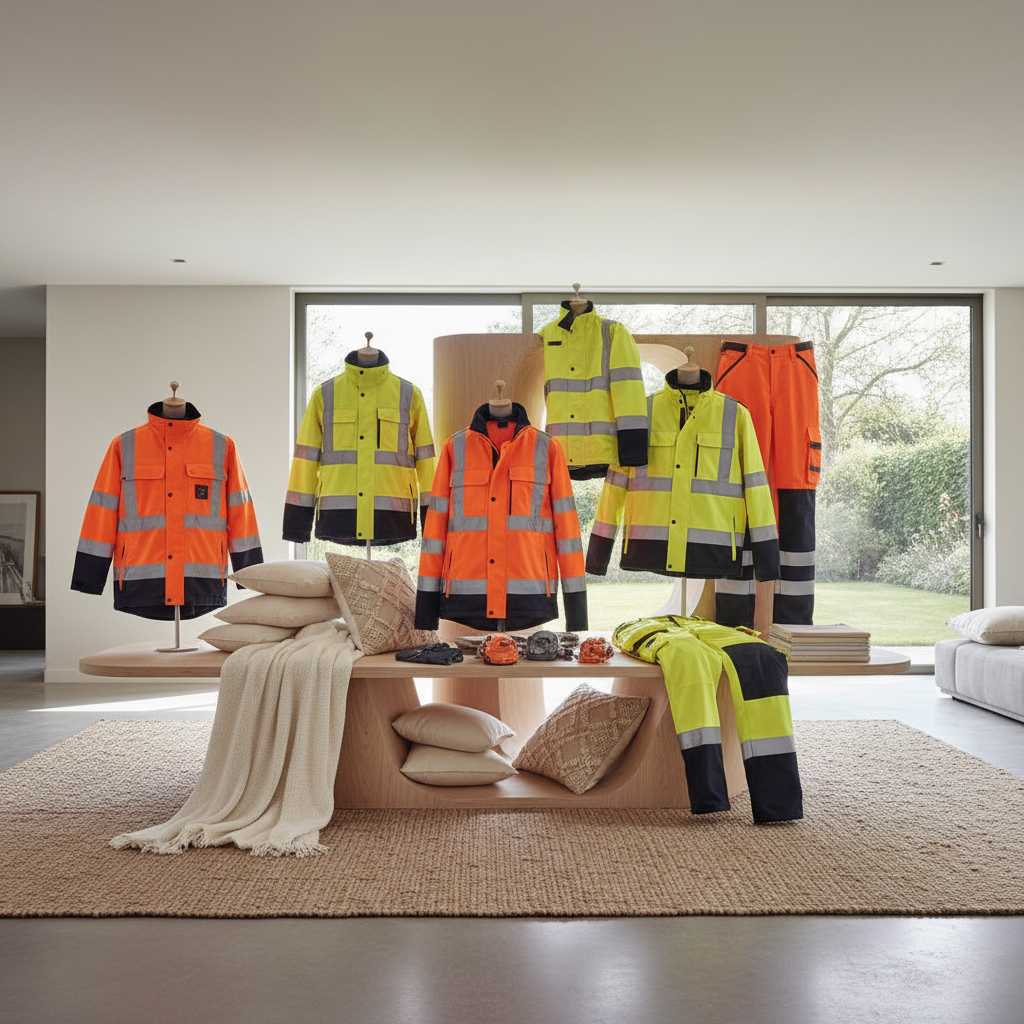
The global implementation of ISO 20471 standards has transformed the security high vis vest from a simple accessory into a sophisticated piece of personal protective equipment (PPE). Statistics from international safety boards indicate that workers wearing certified high-visibility gear are up to 70% less likely to be involved in vehicle-related accidents in industrial zones. This global shift emphasizes the necessity of contrasting colors—typically fluorescent yellow-green or orange—to ensure visibility against a variety of backgrounds.
However, the challenge remains in the inconsistency of gear quality across different regions. Many low-cost alternatives fail to maintain their reflective properties after a few washes, leading to a "false sense of security." By adhering to strict manufacturing protocols, the industry ensures that every vest provides a consistent level of protection, reducing liability for companies and saving lives in high-risk environments.
Defining the Technical Essence of Security Gear
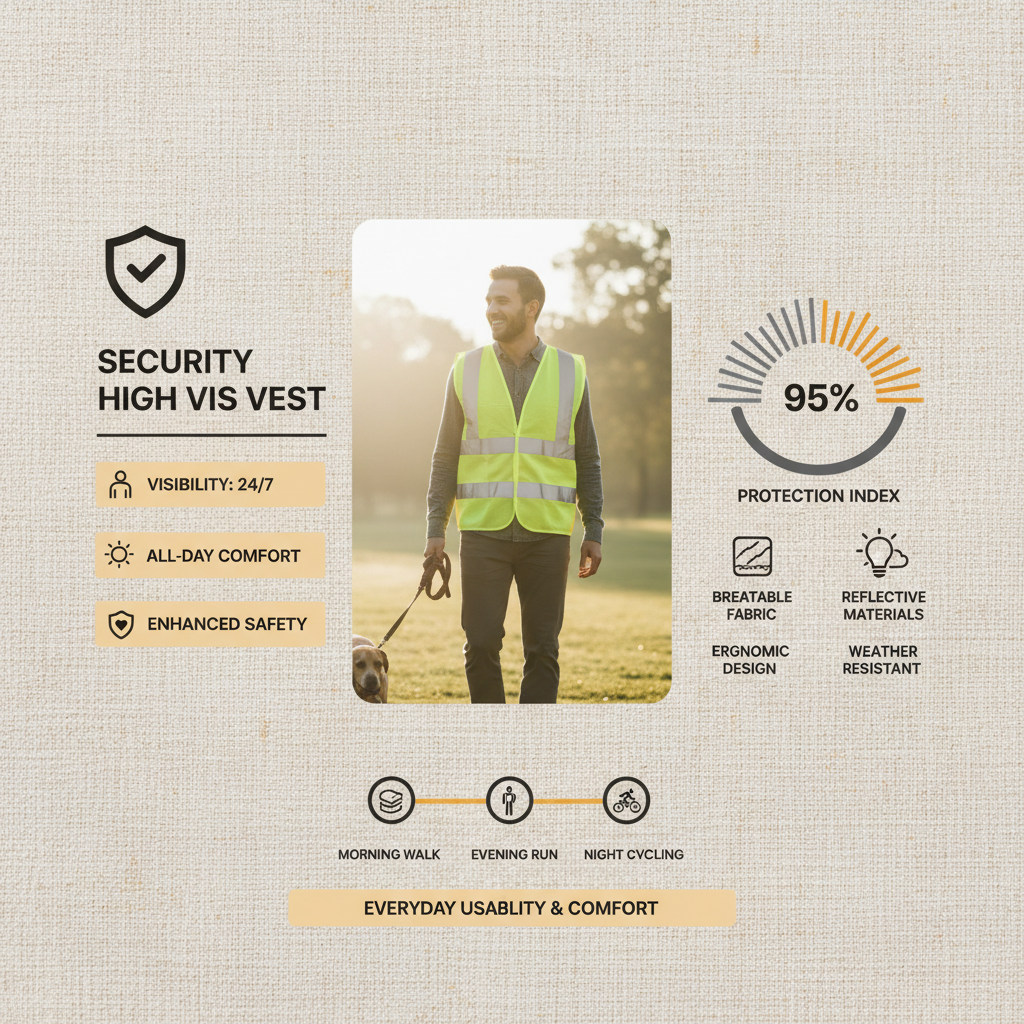
At its core, a security high vis vest is a specialized garment designed to maximize the wearer's visibility during the day and night. Unlike standard clothing, it utilizes fluorescent materials that convert invisible ultraviolet light into visible light, making the wearer "glow" during daylight hours. When paired with retro-reflective tape, which bounces light directly back to its source (such as car headlights), the vest ensures 360-degree visibility.
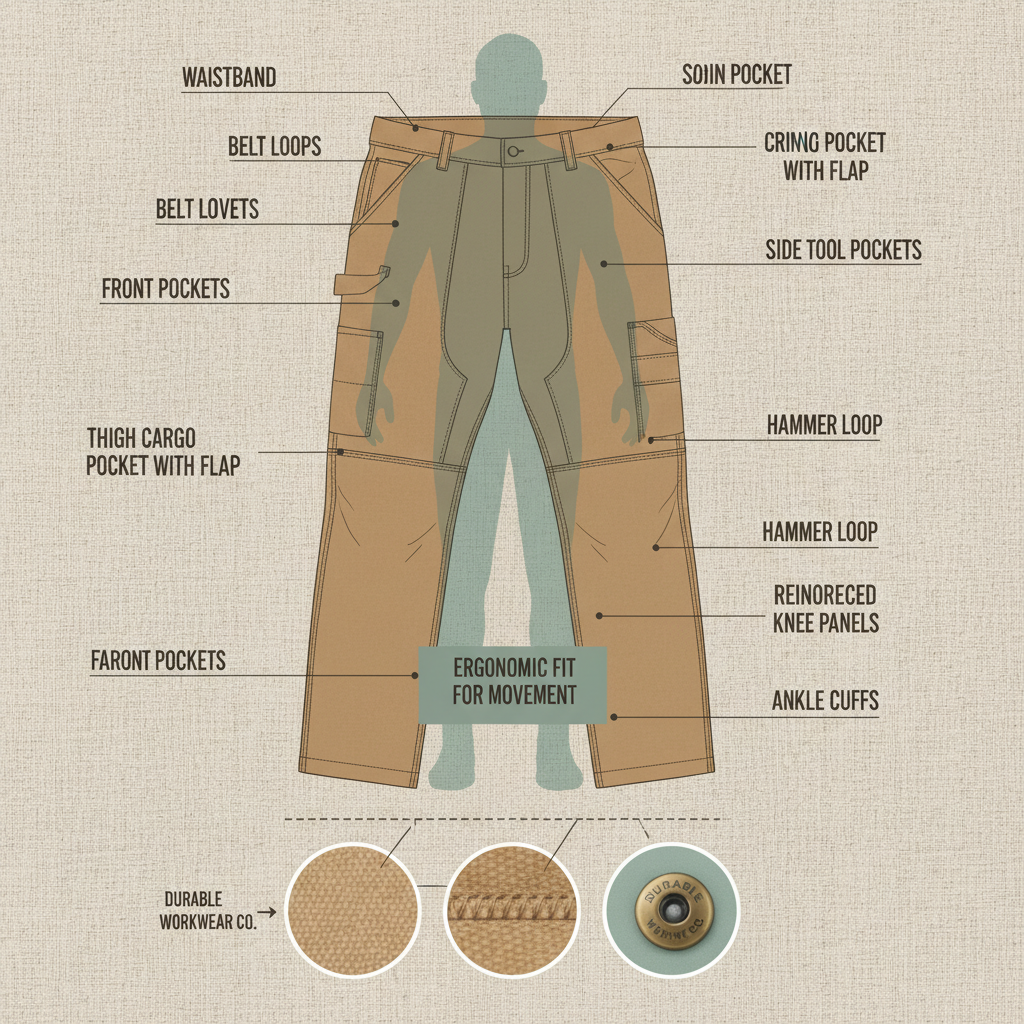
Beyond the visual aspect, these garments are engineered for the specific needs of security personnel. This includes the integration of utility pockets for radios, notebooks, and torches, as well as the use of breathable fabrics like polyester mesh to prevent overheating during long shifts. The design must balance the need for high visibility with the practical requirements of mobility and comfort.
In modern industry, the security high vis vest also serves as a psychological marker of authority. When a person is seen in a professional, well-fitted high-visibility garment, it immediately signals their role as a safety or security coordinator, allowing for faster communication and better crowd control during emergency evacuations or public events.
Core Components for Maximum Operational Safety
Durability is the first pillar of a professional security high vis vest. The use of high-denier polyester ensures that the garment can withstand the rigors of daily wear, including abrasion from equipment belts and exposure to harsh weather. Reinforced stitching at the shoulder and pocket seams prevents tearing during physical interventions or rapid movements.
Material luminosity is equally critical; the reflective strips must be made from high-grade glass bead or micro-prismatic technology. These components ensure that the security high vis vest remains effective even after repeated industrial laundering, maintaining the minimum required brightness to protect the wearer from oncoming traffic or heavy machinery.
Ergonomic design completes the trio of essential factors. A well-constructed vest should offer an adjustable fit to accommodate different body types and layers of clothing, such as wearing it over a winter jacket. By optimizing the weight distribution of the pockets, manufacturers ensure that the vest does not sag, which would otherwise compromise the positioning of the reflective bands.
Performance Metrics of Modern Safety Vests
Evaluating the efficacy of a security high vis vest requires looking at quantitative data, specifically the coefficient of retro-reflection and the color contrast ratio. High-performance vests are tested against standardized light sources to ensure they meet Class 1, 2, or 3 visibility requirements depending on the risk level of the environment.
The following data illustrates the comparative effectiveness of different vest configurations in terms of visibility distance and durability ratings, highlighting why professional-grade options outperform basic alternatives.
Comparative Performance Ratings of Security High Vis Vest Types
Global Applications and Industrial Use Cases
The application of the security high vis vest spans across diverse global industries. In airport ground handling and tarmac operations, these vests are mandatory to prevent accidents involving aircraft and ground support equipment. Similarly, in large-scale construction projects in urban hubs like Dubai or Singapore, high-visibility gear is essential for managing the intersection of heavy machinery and pedestrian foot traffic.
Beyond industrial zones, these garments are pivotal in humanitarian and disaster relief operations. When NGOs deploy to earthquake or flood-affected regions, the use of standardized security vests helps in coordinating rescue efforts and identifying authorized personnel in chaotic environments. This versatility makes the vest a universal tool for safety, regardless of the geographical location or the specific nature of the risk.
Long-Term Value and Sustainability in Workwear
Investing in a premium security high vis vest provides significant long-term economic value. While low-cost vests must be replaced every few months due to fading and wear, high-grade garments can last for years. This reduces the total cost of ownership for procurement managers and minimizes the environmental impact by reducing textile waste in landfills.
From a social perspective, providing high-quality safety gear communicates a company's commitment to its employees' well-being. When a security guard feels protected and professional in their attire, it boosts morale and increases trust between the staff and the clients they protect. Safety is not just a metric; it is a manifestation of organizational dignity.
Furthermore, the industry is moving toward sustainable production. Many modern vests now incorporate recycled polyester (rPET) made from plastic bottles, combining high-performance visibility with eco-friendly manufacturing. This transition ensures that protecting the worker does not come at the cost of protecting the planet.
Future Trends in Smart Visibility Textiles
The future of the security high vis vest lies in the integration of "Smart Textiles." We are seeing the emergence of LED-integrated vests that can change color or flash to signal different emergency levels, providing an active light source rather than relying solely on passive reflection. This is particularly useful in environments with zero ambient light, such as deep tunnels or nocturnal rescue missions.
Digital transformation is also entering the PPE space through the integration of RFID tags and GPS trackers embedded within the fabric. This allows site managers to monitor the real-time location of security personnel, ensuring that no one is left behind during an evacuation and that coverage is maintained across large industrial sites.
As automation and AI continue to grow, the synergy between human visibility and machine detection will become paramount. Future vests may include markers specifically designed to be recognized by autonomous vehicle sensors, ensuring that AI-driven machinery can detect a human wearing a security high vis vest with 100% accuracy, further eliminating the risk of industrial accidents.
Comparative Analysis of Security High Vis Vest Technical Specifications
| Vest Grade |
Reflective Material |
Durability Score (1-10) |
Primary Application |
| Standard Class 1 |
Glass Bead Tape |
5 |
Low-speed traffic zones |
| Professional Class 2 |
High-Intensity Silver |
7 |
General construction sites |
| Elite Class 3 |
Micro-Prismatic Tape |
9 |
High-speed highways |
| All-Weather Pro |
Water-proof Reflective |
8 |
Rainy/Snowy environments |
| Smart-LED Vest |
Active LED + Tape |
6 |
Night-time rescue ops |
| Eco-Recycled Vest |
Recycled Polyester |
7 |
Sustainable corporate safety |
FAQS
The primary difference lies in the amount of fluorescent background material and the area of reflective tape. Class 2 vests are suitable for environments where traffic speeds are moderate, providing a good balance of visibility and comfort. Class 3 vests provide the highest level of visibility, often featuring sleeves and more reflective surface area, making them mandatory for high-speed roadwork or extreme low-visibility conditions where the wearer must be seen from the maximum possible distance.
To preserve the retro-reflective properties, it is recommended to wash the vest in cool or lukewarm water using a mild detergent. Avoid using bleach or harsh chemicals, as these can break down the microscopic glass beads or prismatic structures in the tape. Always air dry or use a low-heat setting in the dryer, as excessive heat can melt or warp the reflective strips, significantly reducing the vest's safety efficacy.
Standard high-visibility vests are designed for visibility, not for thermal or chemical protection. However, specialized versions exist that combine high-visibility colors with Flame-Resistant (FR) fabrics or chemical-resistant coatings. If your work environment involves fire hazards or hazardous materials, you must ensure you are using a hybrid garment that is certified both for visibility (ISO 20471) and for the specific protective hazard (such as NFPA 2112 for fire).
Replacement frequency depends on the environment and usage. Generally, a vest should be replaced when the fluorescent color begins to fade or the reflective strips show signs of cracking, peeling, or significant dulling. A professional "brightness test" can be performed to see if the tape still meets the required lumen return. For most industrial users, a replacement cycle of 6 to 12 months is standard to ensure maximum safety.
Yes, in terms of visibility, a mesh vest is just as effective as a solid one, provided the fluorescent fabric and reflective tape meet the same standards. The choice between mesh and solid fabric is typically based on climate. Mesh is ideal for hot, humid environments because it allows for maximum airflow and breathability, whereas solid fabrics are better for colder weather or environments where a slight barrier against wind and dust is required.
While not globally mandated, many organizations use color-coding to identify roles. For example, neon yellow-green is often used for general workers and traffic controllers, while neon orange is frequently reserved for road construction or airport crews to contrast better against green foliage. In some security firms, blue or red accents are added to a high-vis base to distinguish between supervisors, first-aid officers, and standard security personnel.
Conclusion
The implementation of a high-quality security high vis vest is a fundamental pillar of occupational health and safety. By combining advanced fluorescent chemistry with precision-engineered reflective materials, these garments mitigate the inherent risks of low-visibility environments. From industrial sites to emergency relief zones, the ability to be seen instantly is the most effective way to prevent accidents and ensure the coordinated movement of personnel in high-stress situations.
Looking forward, the integration of smart textiles and sustainable materials will further redefine the role of visibility gear. Organizations are encouraged to move beyond mere compliance and embrace high-performance, durable, and eco-friendly options that prioritize the long-term safety of their staff. Investing in superior visibility is not just a cost of doing business—it is a commitment to the sanctity of human life in the workplace. Visit our website for professional solutions: www.jidegarment.com