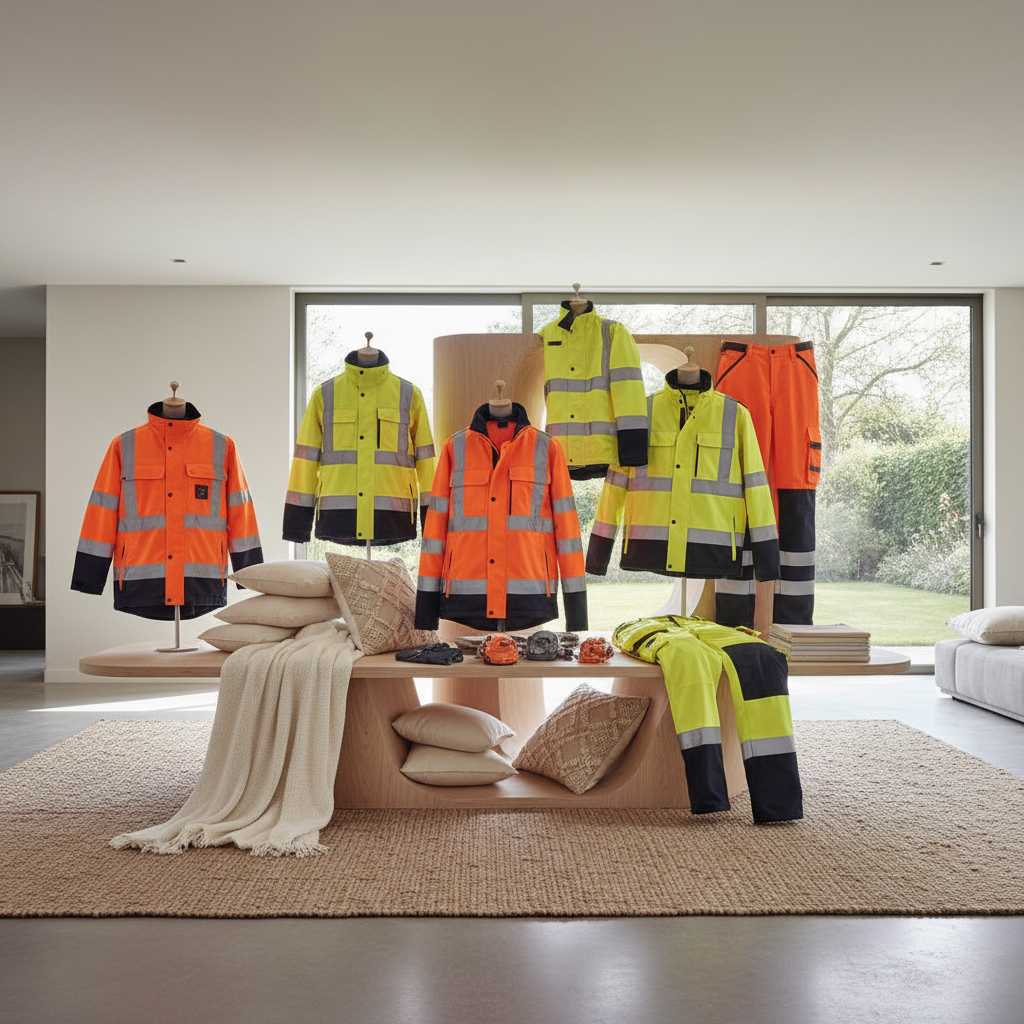
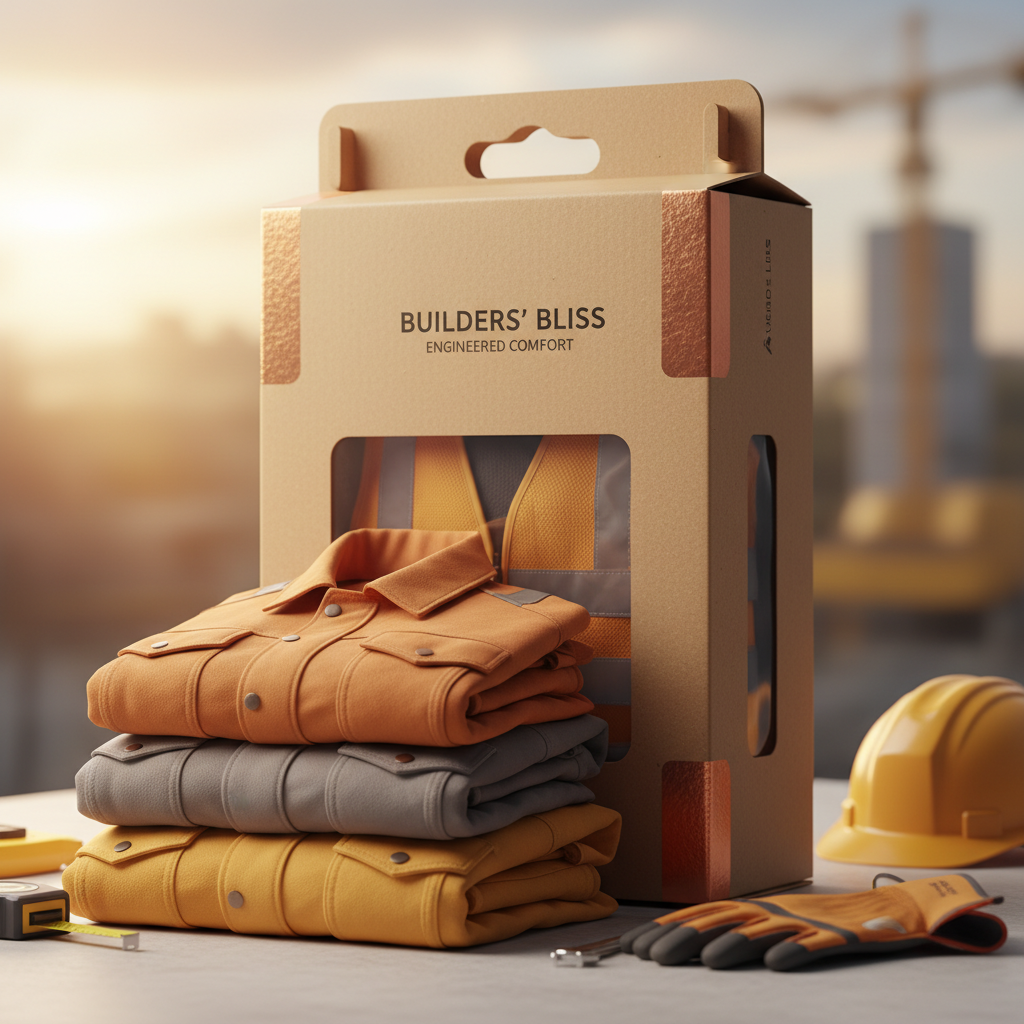
In the modern industrial landscape, safety is not merely a regulatory checkbox but a fundamental pillar of operational excellence. high visibility workwear serves as the first line of defense for millions of workers globally, utilizing fluorescent materials and retro-reflective tapes to ensure that personnel are seen and safe in high-risk environments. By bridging the gap between human presence and operator awareness, this specialized apparel significantly reduces the incidence of onsite accidents.
From the sprawling construction sites of expanding megacities to the precise operations of airport tarmacs, the demand for high-quality safety gear has surged. The integration of ergonomic design with advanced textile technology means that today's visibility clothing does more than just "glow"—it provides weather protection, durability, and comfort, allowing workers to maintain focus on their tasks without compromising their physical well-being.
Understanding the nuances of high visibility workwear is essential for procurement managers, safety officers, and business owners. This guide explores the technical standards, global applications, and future innovations of visibility apparel, providing a comprehensive overview of how the right gear saves lives and enhances productivity across the global manufacturing and service sectors.
The Global Importance of High Visibility Workwear
On a global scale, the implementation of high visibility workwear is a critical response to the rising number of industrial accidents involving vehicle-pedestrian collisions. According to international safety benchmarks, a significant percentage of workplace injuries occur because the worker was simply not seen by the equipment operator. By adopting standardized fluorescent colors—typically neon yellow, orange, or green—industries can create a visual contrast that alerts operators long before a potential collision occurs.
Beyond mere visibility, the global adoption of these garments is driven by strict ISO (International Organization for Standardization) and ANSI (American National Standards Institute) regulations. These standards ensure that regardless of whether a worker is in a remote mining zone in Australia or a logistics hub in Germany, the level of reflectivity and color saturation remains consistent, providing a universal language of safety that transcends borders and languages.
Technical Definitions and Safety Standards
At its core, high visibility workwear is defined as clothing designed to make the wearer more visible in various light conditions. This is achieved through two primary mechanisms: fluorescence and retro-reflection. Fluorescent materials absorb invisible ultraviolet light and re-emit it as visible light, making the wearer stand out during the day. Retro-reflective materials, on the other hand, reflect light back to its source (such as vehicle headlights), providing critical visibility during the night or in tunnels.
The industry categorizes these garments into different "classes" based on the amount of fluorescent background material and reflective tape used. Class 1 is generally for low-traffic areas, while Class 3 represents the highest level of protection, required for high-speed roadwork or extreme weather conditions where visibility is severely impaired. Understanding these classifications is vital for employers to ensure that the gear matches the actual risk level of the environment.
Modern safety textiles have evolved to merge these visibility requirements with functional needs. For instance, many high visibility workwear options now incorporate moisture-wicking fabrics for summer or thermal insulation for winter, ensuring that the worker does not have to choose between being seen and being comfortable.
Core Components of Effective Visibility Gear
The efficacy of high visibility workwear begins with the selection of the base fabric. High-denier polyester or nylon blends are typically used to ensure that the garment can withstand the abrasive nature of construction and manufacturing environments while maintaining the brightness of the fluorescent dye over hundreds of wash cycles.
A critical component is the placement and quality of the retro-reflective strips. For high visibility workwear to be effective, the tapes must be positioned to define the human silhouette. This "human shape" recognition allows drivers and operators to instantly identify the object as a person rather than a stationary sign or piece of equipment, reducing reaction time significantly.
Finally, durability and breathability play a massive role in compliance. If a garment is too hot or restrictive, workers are more likely to remove it or wear it incorrectly, which nullifies the safety benefits. Advanced garment engineering now allows for the integration of mesh panels and ergonomic seams into high visibility workwear, ensuring maximum adherence to safety protocols.
Performance Metrics Across Industrial Sectors
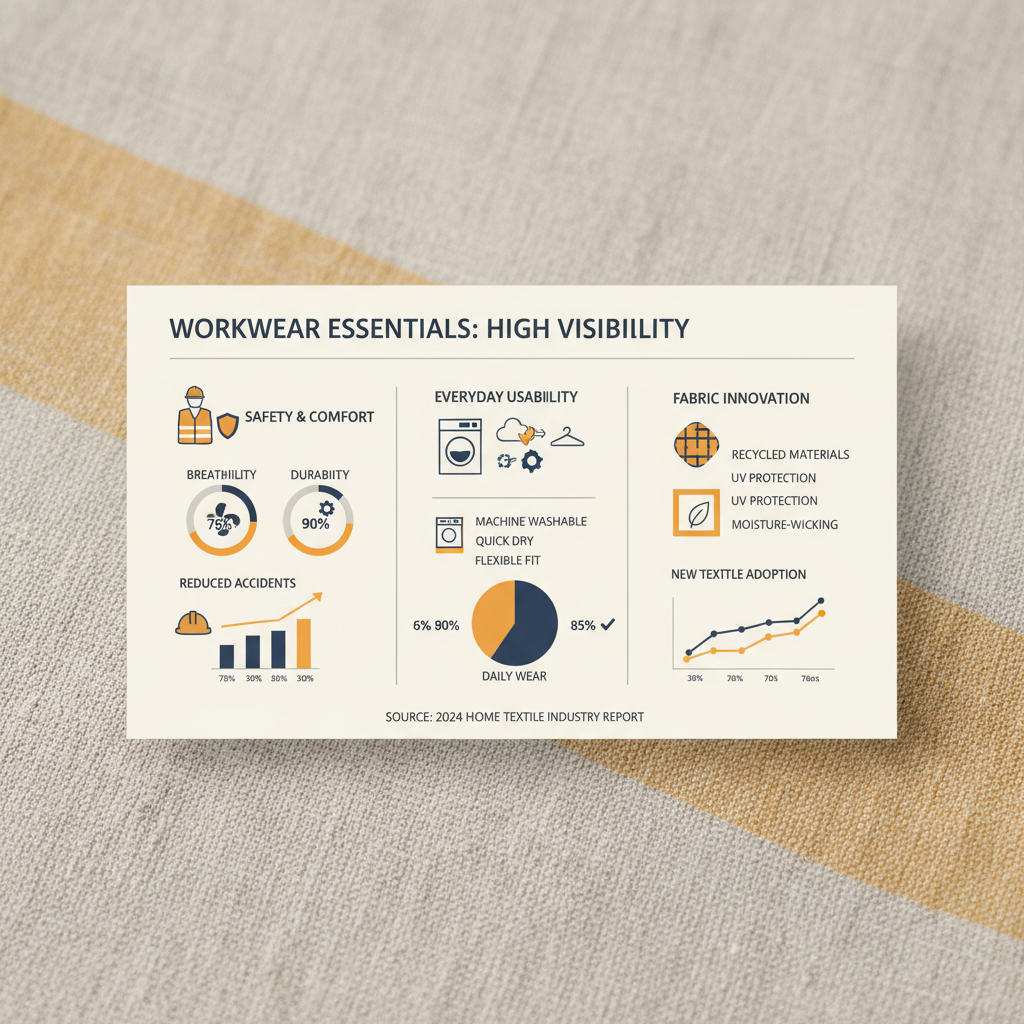
Measuring the success of high visibility workwear involves analyzing several key performance indicators (KPIs), including luminous intensity, color fastness, and tear strength. Different industries prioritize these metrics differently; for example, the oil and gas sector may prioritize flame-retardant properties alongside visibility, while the logistics sector focuses more on lightness and breathability.
By comparing various materials and design approaches, we can determine which configurations provide the highest safety ratings for specific tasks. The following data illustrates the relative effectiveness of different visibility configurations in typical industrial scenarios.
Safety Efficiency Ratings for High Visibility Workwear Types
Real-World Applications and Global Use Cases
The application of high visibility workwear varies wildly depending on the geographic region and the specific hazards present. In North American road construction, high-visibility orange is often the standard, whereas in European logistics centers, neon yellow is more prevalent. These choices are often based on the background colors of the environment to maximize the contrast effect.
In extreme scenarios, such as post-disaster relief operations or remote industrial zones, high visibility workwear is combined with other protective gear. For example, search and rescue teams utilize high-visibility waterproof shells that allow them to be spotted by helicopters in rainy or foggy conditions, blending life-saving visibility with critical environmental protection.
Long-Term Value and Social Impact
Investing in premium high visibility workwear provides a tangible return on investment by drastically reducing workplace accidents and the associated costs of insurance premiums, legal liabilities, and downtime. However, the value extends beyond the balance sheet. Providing employees with high-quality safety gear sends a clear message that the organization values human life and dignity over cutting costs.
Furthermore, the psychological impact on the workforce is significant. When employees feel seen and protected, their confidence and productivity increase. High-visibility gear acts as a psychological shield, reducing the stress and anxiety associated with working in high-risk zones, and fostering a culture of safety that permeates every level of the company.
From a sustainability perspective, the shift toward durable high visibility workwear reduces textile waste. By using reinforced stitching and high-grade dyes that don't fade, companies can extend the lifecycle of their safety gear, aligning their safety goals with environmental responsibility.
Future Innovations in Safety Textiles
The future of high visibility workwear is leaning heavily toward "smart textiles." We are seeing the integration of LED strips and sensor-based technology that can change colors or blink when a worker enters a danger zone or when a nearby vehicle is approaching. This digital transformation shifts visibility from a passive attribute to an active warning system.
Sustainability is also driving innovation. New bio-based fluorescent dyes and recycled polyester fabrics are being developed to ensure that the safety industry reduces its carbon footprint without sacrificing reflectivity. The goal is to create a circular economy where old high visibility workwear can be fully recycled into new safety garments.
Moreover, the integration of wearable health monitors into safety apparel is becoming a reality. Future garments will not only make a worker visible to others but will also monitor the wearer's vitals and environmental conditions, automatically alerting supervisors if a worker collapses or is exposed to toxic fumes.
Comparative Analysis of High Visibility Workwear Material Technologies
| Material Type |
Visibility Rating |
Durability Score |
Primary Use Case |
| Standard Polyester |
High |
6/10 |
General Warehouse |
| Ripstop Nylon |
Medium-High |
9/10 |
Heavy Construction |
| Flame-Retardant Blend |
High |
8/10 |
Oil & Gas Refineries |
| Recycled PET Fabric |
High |
7/10 |
Eco-conscious Firms |
| Smart LED-Integrated |
Ultra-High |
5/10 |
Night-time Roadwork |
| Breathable Mesh |
Medium |
4/10 |
Summer High-Heat Ops |
FAQS
Fluorescent materials are designed to be seen during the day; they absorb UV light and emit visible light, making the garment "glow" against a natural background. Reflective materials (retro-reflective) are designed for the dark; they reflect light from a source, like a car's headlights, back to the driver. Effective high visibility workwear usually combines both to ensure 24-hour protection.
Replacement frequency depends on the environment and wash cycles. Once the fluorescent color begins to fade or the reflective tapes crack and lose their "brightness," the garment no longer meets safety standards. For heavy-duty use, a quarterly inspection is recommended, and most garments should be replaced every 6-12 months to maintain maximum safety compliance.
While vests are common, they may not be sufficient for all risk levels. In high-hazard environments, full high visibility workwear (including trousers and jackets) is required to ensure the entire body is visible. Additionally, vests offer no protection against weather or abrasion, making full integrated suits a better choice for long-term outdoor work.
Yes, the color should contrast with the environment. Neon yellow/green is highly visible against urban backgrounds and forests, while neon orange is often preferred for roadwork and hunting contexts where green might blend in. Most international standards approve both, but the choice should be based on where the work is performed.
Absolutely. To preserve the reflective coating and fluorescent dye, avoid using bleach or harsh detergents. Washing in cold water and air-drying is preferred. High-heat dryers can melt or crack the retro-reflective tapes, significantly reducing the safety effectiveness of the high visibility workwear.
Class 1 is for low-risk areas with slow traffic. Class 2 is for environments where traffic is faster or visibility is lower (e.g., construction sites). Class 3 is the highest level, providing maximum visibility for high-speed roads or extreme weather, typically requiring both a high-vis jacket and trousers to maximize the visible surface area.
Conclusion
In summary, high visibility workwear is far more than a simple uniform; it is a sophisticated piece of safety equipment that integrates textile science with human psychology to prevent accidents. From the careful selection of fluorescent pigments to the strategic placement of retro-reflective tapes, every detail is engineered to ensure that workers are seen and protected. By adhering to global standards and investing in high-quality materials, organizations can significantly reduce risks and foster a safer, more professional work environment.
Looking forward, the evolution of safety apparel toward smart, sustainable, and bio-integrated textiles promises to further eliminate workplace hazards. As industries move toward greater automation and complex logistics, the role of high-visibility gear will only grow in importance. We encourage all safety managers to review their current gear and upgrade to the latest standards to ensure their team's safety. Visit our website for premium solutions: www.jidegarment.com