High vis coveralls are a crucial element of personal protective equipment (PPE), particularly within industries prioritizing worker safety and visibility. These garments, engineered with fluorescent and often reflective materials, significantly enhance the wearer's visibility in low-light conditions, reducing the risk of accidents involving machinery, vehicles, and other workplace hazards. Their importance extends beyond construction and industrial settings, impacting emergency services, transportation, and even recreational activities. Understanding the nuances of high vis coveralls – from material composition to standardized classifications – is paramount for ensuring optimal protection and regulatory compliance.
Globally, the demand for high vis coveralls is steadily increasing, driven by stricter safety regulations, a growing emphasis on workplace safety culture, and expanding infrastructure projects in developing nations. The United Nations Sustainable Development Goals (SDGs), specifically SDG 8 (Decent Work and Economic Growth), indirectly support the adoption of robust safety measures like high vis clothing. According to the International Labour Organization (ILO), over 2.78 million workers die each year from occupational accidents and work-related diseases. While these statistics cover all PPE, the provision of effective high vis coveralls directly addresses a significant portion of these preventable incidents.
The rising prevalence of incidents in low visibility conditions, such as dawn, dusk, or inclement weather, further underlines the necessity for high vis coveralls. Furthermore, the increasing use of automated machinery in various industries necessitates enhanced visibility for workers operating in close proximity, making these garments an indispensable component of a comprehensive safety program. high vis coveralls are not just about compliance; they represent a commitment to protecting human lives.
The Core Significance of High Vis Coveralls
The fundamental significance of high vis coveralls lies in their proactive approach to accident prevention. By making workers conspicuously visible, these garments minimize the risk of collisions with moving vehicles or equipment, particularly in environments with limited visibility. This is not simply a matter of regulatory compliance; it’s a direct investment in worker wellbeing and a demonstrable commitment to safety. Industries such as construction, road maintenance, and logistics routinely employ high vis coveralls as a critical component of their safety protocols.
Furthermore, the increased visibility afforded by high vis coveralls enhances situational awareness for both the wearer and those around them. This contributes to a safer work environment and reduces the likelihood of near-miss incidents. A well-implemented high vis program, complete with appropriate garment selection and regular maintenance, signifies a proactive safety culture within an organization.
Defining High Vis Coveralls: A Detailed Examination
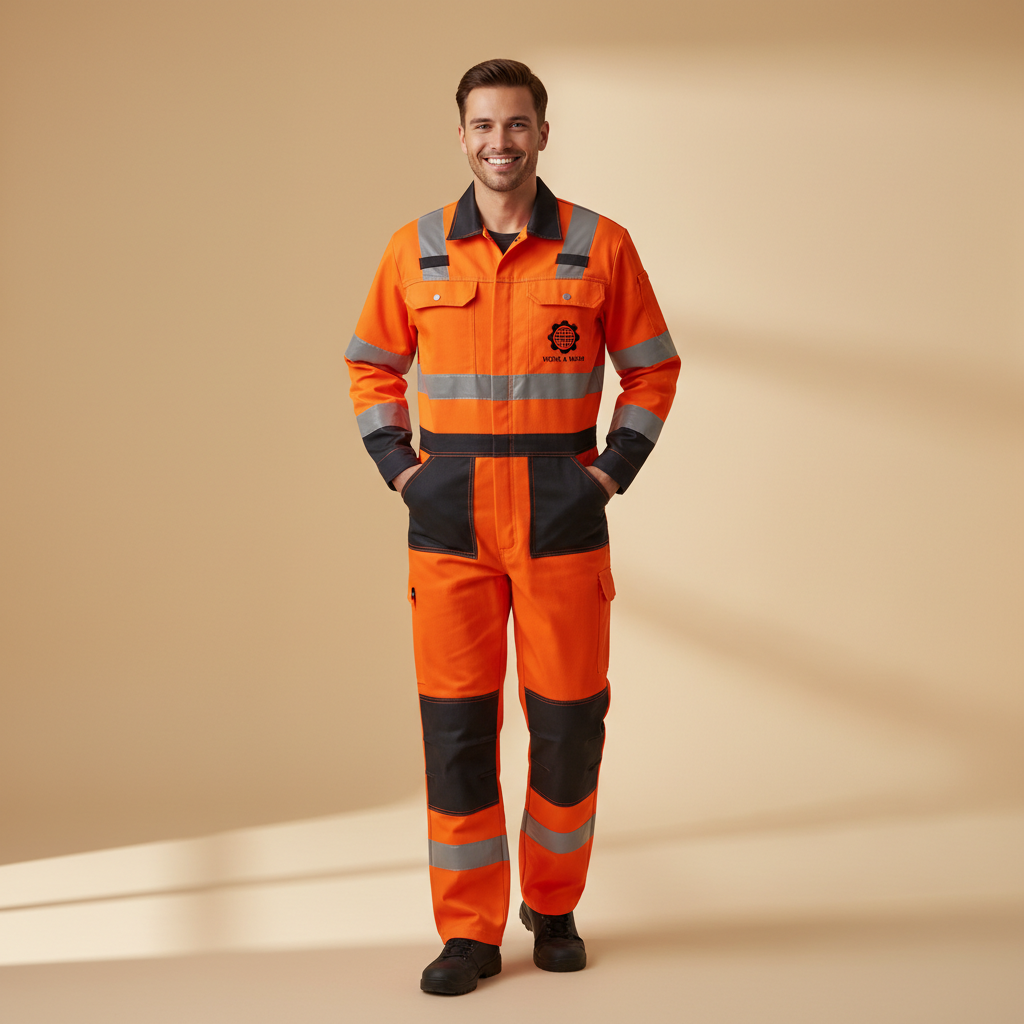
High vis coveralls are protective garments designed to enhance the wearer’s visibility, typically utilizing fluorescent and retroreflective materials. These coveralls completely encapsulate the body, offering full coverage and maximizing visibility from all angles. Unlike high visibility vests or jackets, coveralls provide comprehensive protection, including coverage of the legs, which is crucial in environments where lower body visibility is compromised. The materials used are carefully selected to meet specific performance standards, such as those defined by ANSI/ISEA 107 in the United States or EN ISO 20471 in Europe.
The effectiveness of high vis coveralls is directly related to the type and amount of reflective material used, the base color of the garment (fluorescent orange, yellow, or pink are most common), and the overall garment design. Retroreflective materials bounce light back towards the source, making the wearer appear brighter in the dark, while fluorescent materials actively glow under ambient light conditions.
In essence, high vis coveralls represent a crucial intersection of textile engineering, safety science, and regulatory requirements, serving as a vital line of defense against preventable accidents in a wide range of work environments.
Key Factors Influencing High Vis Coverall Performance
Several key factors contribute to the overall performance and effectiveness of high vis coveralls. Durability is paramount; coveralls must withstand the rigors of demanding work environments, resisting tears, abrasions, and fading. A robust construction and high-quality materials are essential for extending the garment's lifespan and maintaining its visibility properties.
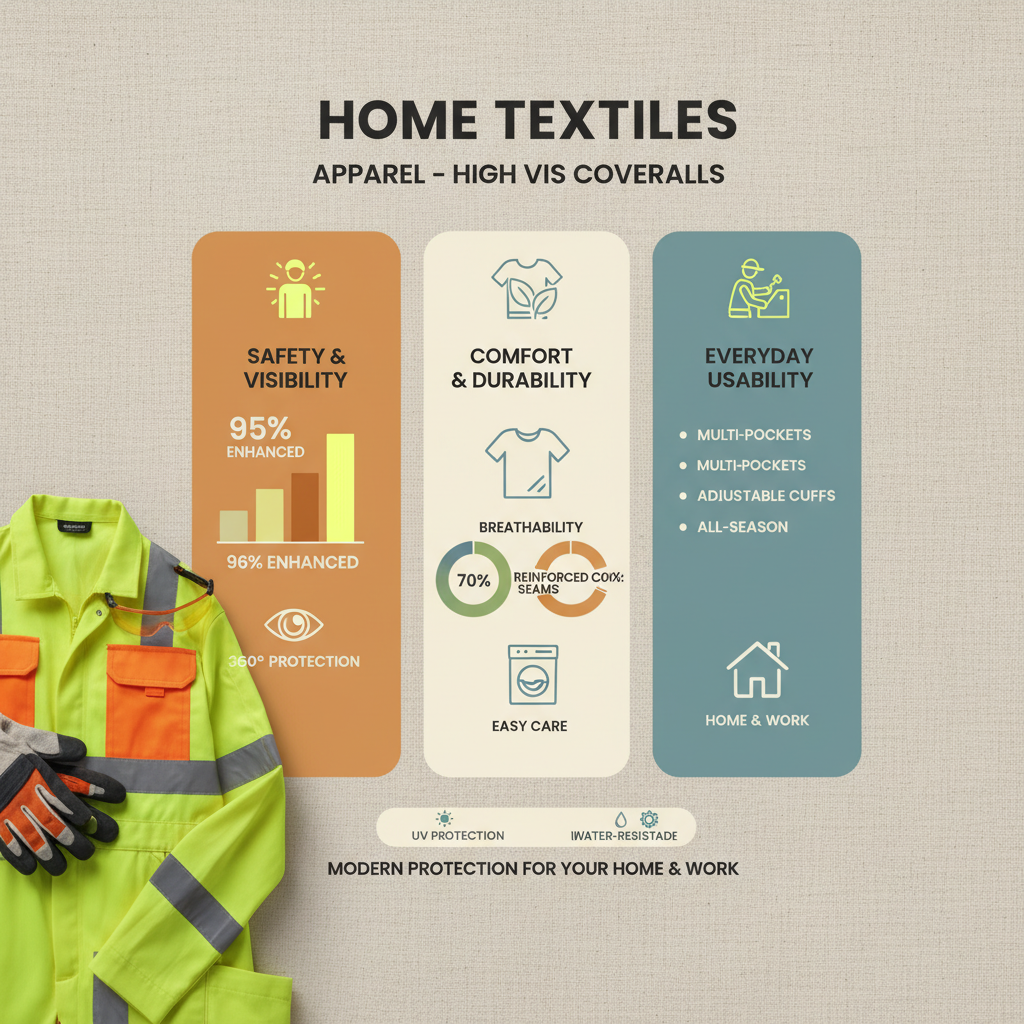
Material Composition is another critical aspect. The blend of fluorescent and retroreflective materials, as well as the base fabric (often polyester or cotton blends), directly impacts the garment's visibility, comfort, and breathability. Different materials offer varying levels of water resistance, flame retardancy, and chemical resistance, influencing the suitability of the coveralls for specific applications.
Comfort and Ergonomics are often overlooked but are crucial for ensuring worker compliance. Ill-fitting or uncomfortable coveralls may be discarded or modified, compromising their effectiveness. Features such as adjustable cuffs, reinforced knees, and breathable fabrics enhance worker comfort and promote consistent wear. Compliance to Standards (ANSI/ISEA 107, EN ISO 20471) guarantees a minimum level of visibility and performance, ensuring the coveralls meet established safety requirements.
Global Applications and Diverse Use Cases
The applications of high vis coveralls are remarkably diverse, spanning numerous industries and geographical locations. In the construction sector, they are essential for workers operating heavy machinery, managing traffic flow, or working near roadways. Emergency services, including firefighters, paramedics, and police officers, rely on high vis coveralls to ensure their visibility during roadside incidents and rescue operations.
Transportation industries, such as logistics and freight handling, extensively use high vis coveralls for personnel involved in loading, unloading, and securing cargo, particularly during nighttime operations. In remote industrial zones, such as oil and gas facilities or mining operations, where visibility is often compromised by dust, fog, or darkness, these garments are indispensable for worker safety.
Beyond these core sectors, high vis coveralls find applications in agriculture, forestry, road maintenance, and even recreational activities like hunting and cycling, particularly during low-light conditions. In post-disaster relief operations, providing high vis coveralls to responders and affected communities is a critical aspect of ensuring safety and coordination.
High Vis Coverall Application Rating (1-10)
Advantages and Long-Term Value Proposition
The advantages of investing in high vis coveralls extend beyond immediate safety benefits. The reduction in workplace accidents translates to significant cost savings through reduced insurance premiums, minimized downtime, and decreased medical expenses. A safer work environment also fosters increased employee morale and productivity. Furthermore, demonstrating a commitment to worker safety enhances an organization's reputation and strengthens its brand image.
From a long-term perspective, the use of high vis coveralls contributes to a more sustainable and ethical business practice. Prioritizing worker safety aligns with principles of social responsibility and demonstrates a commitment to protecting human capital, fostering trust with stakeholders.
Future Trends and Innovations in High Vis Technology
The future of high vis technology is focused on integrating advanced materials and innovative designs to enhance both safety and comfort. Researchers are exploring the use of microencapsulated phase-change materials to regulate body temperature and improve breathability, particularly in hot and humid environments. The incorporation of smart textiles, equipped with sensors and connectivity, is also gaining traction, enabling real-time monitoring of worker location and physiological data.
Furthermore, advancements in retroreflective materials are leading to increased visibility in a wider range of lighting conditions, including those encountered in adverse weather. The development of more sustainable and eco-friendly materials, such as recycled polyester and bio-based fabrics, is also a growing trend, aligning with the increasing emphasis on environmental responsibility.
Challenges and Solutions in High Vis Coverall Implementation
Despite the clear benefits, implementing a successful high vis coverall program can present certain challenges. Ensuring consistent compliance with safety regulations requires ongoing training and enforcement. Maintaining the visibility properties of garments through proper cleaning and maintenance is also crucial. Another challenge lies in selecting the appropriate coveralls for specific work environments, considering factors such as climate, hazards, and worker comfort.
To address these challenges, organizations should implement a comprehensive safety program that includes regular training, clear policies, and accessible resources for proper garment care. Investing in high-quality coveralls that meet relevant standards and are suitable for the specific work environment is essential. Leveraging technology, such as automated garment tracking systems, can help monitor compliance and ensure that workers have access to appropriate PPE.
Furthermore, fostering a strong safety culture where workers are encouraged to report concerns and actively participate in safety initiatives is paramount for sustained success.
Summarized Core Points of High Vis Coverall Implementation Challenges and Solutions
| Challenge |
Impact on Safety |
Proposed Solution |
Implementation Cost (Scale 1-10) |
| Lack of Worker Training |
Reduced compliance and increased risk of accidents |
Mandatory training programs with documented completion |
4 |
| Inadequate Garment Maintenance |
Diminished visibility and reduced effectiveness |
Establish clear cleaning and inspection protocols |
3 |
| Incorrect Garment Selection |
Compromised protection in specific work environments |
Conduct a thorough hazard assessment and select appropriate garments |
5 |
| Insufficient Enforcement of Policies |
Erosion of safety culture and increased non-compliance |
Implement a system of accountability and regular audits |
6 |
| Lack of Budget for Replacements |
Workers using damaged or faded garments |
Allocate funds for regular PPE replacement |
7 |
| Poor Garment Fit |
Reduced comfort and potential for worker circumvention |
Offer a range of sizes and provide fitting guidance |
2 |
FAQS
High vis coveralls are typically classified into three classes – Class 1, Class 2, and Class 3 – based on the amount of background material and retroreflective material they contain. Class 1 offers the lowest level of visibility and is suitable for low-risk environments, while Class 3 provides the highest level of visibility and is recommended for high-risk situations like working near fast-moving traffic. Understanding these classifications is crucial for selecting the appropriate coveralls for specific work conditions.
The replacement frequency of high vis coveralls depends on several factors, including the intensity of use, frequency of washing, and exposure to environmental factors. As a general guideline, coveralls should be replaced if they become visibly damaged, faded, or if the retroreflective material loses its effectiveness. Regular inspection and adherence to manufacturer’s recommendations are essential for ensuring continued protection.
Proper washing and maintenance are critical for preserving the visibility and performance of high vis coveralls. Always follow the manufacturer’s instructions, typically involving washing in a mild detergent and avoiding harsh chemicals or abrasive cleaners. Tumble drying on a low setting is often recommended. Avoid ironing directly on reflective tape, as this can damage its effectiveness.
Yes, high vis coveralls must meet specific standards set by organizations such as ANSI/ISEA in the United States and EN ISO in Europe. These standards define requirements for visibility, durability, and performance. Ensuring that coveralls comply with these standards is essential for guaranteeing worker safety and meeting regulatory requirements.
Yes, many manufacturers offer customization options for high vis coveralls, including the addition of logos, company names, or other markings. However, it’s important to ensure that any customization does not compromise the visibility or performance of the garment. Reflective tape should not be covered or obscured by any applied markings.
High vis coveralls are commonly made from polyester, cotton blends, or a combination of both. Polyester is known for its durability and resistance to fading, while cotton blends offer improved comfort and breathability. The fluorescent and retroreflective materials are typically applied to the base fabric using various bonding techniques to ensure long-lasting performance.
Conclusion
In conclusion, high vis coveralls represent a vital investment in worker safety, demonstrating a commitment to protecting human lives and fostering a positive safety culture. Their widespread applications, coupled with ongoing innovations in materials and design, solidify their importance across numerous industries. Properly selecting, maintaining, and implementing a high vis coverall program can significantly reduce workplace accidents and enhance overall productivity.
Looking ahead, embracing advancements in smart textiles and sustainable materials will further enhance the effectiveness and environmental footprint of high vis coveralls. Prioritizing worker comfort and ensuring consistent compliance through comprehensive training programs will be crucial for maximizing the benefits of this essential PPE. For reliable and high-quality high vis coveralls, visit our website today.