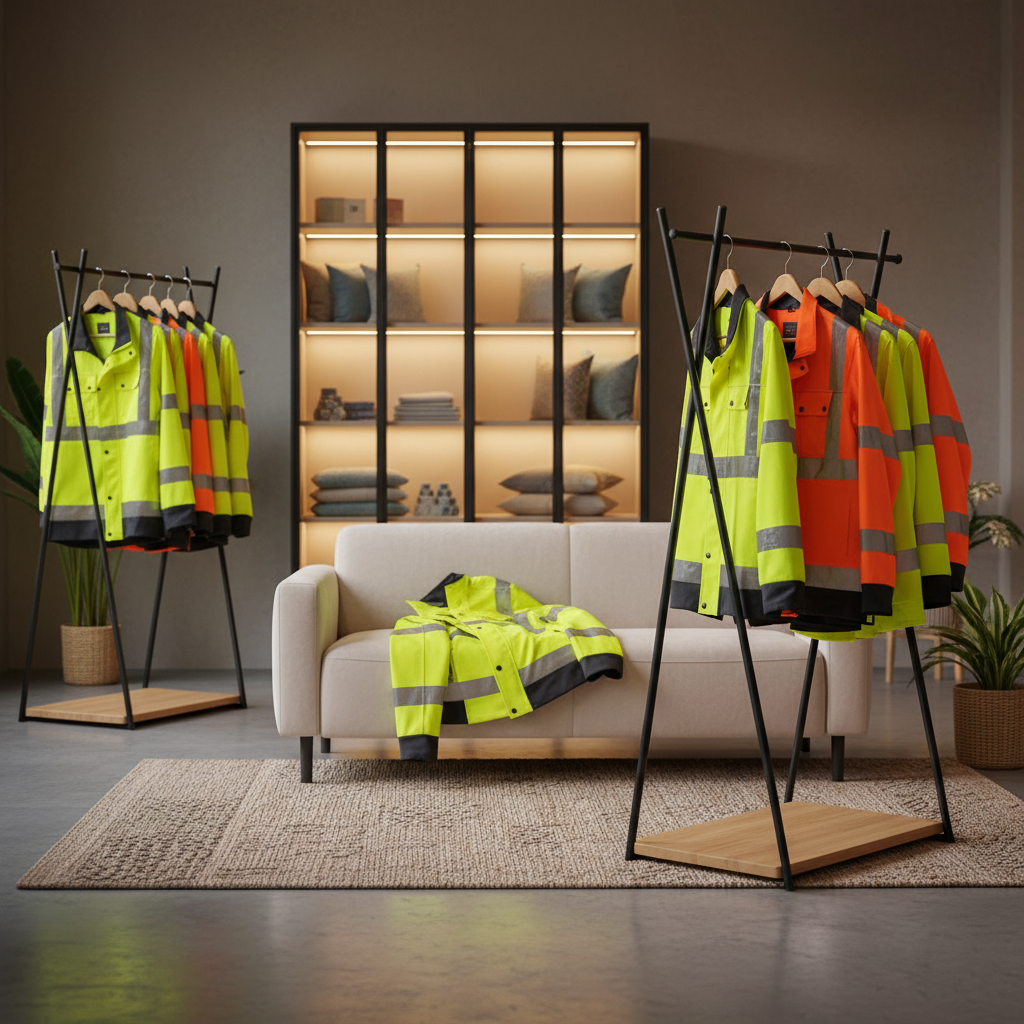
High visibility jackets are crucial for safety across a diverse range of industries and activities. These garments, designed with vibrant, highly reflective materials, dramatically increase visibility in low-light conditions, reducing the risk of accidents. From construction workers and road maintenance crews to cyclists and emergency responders, the demand for effective high visibility jackets is consistently high. Understanding the nuances of these specialized garments – from material composition to regulatory compliance – is vital for ensuring worker safety and minimizing liability.
Globally, the emphasis on workplace safety and pedestrian visibility is driving significant growth in the high visibility clothing market. Factors such as increasing infrastructure development, stricter safety regulations, and a growing awareness of accident prevention contribute to this trend. Moreover, the increasing use of high visibility jackets extends beyond professional settings, finding application in recreational activities like running and cycling, particularly during darker hours. This creates a broad and expanding market for manufacturers and suppliers.
The increasing frequency of industrial accidents and traffic incidents involving pedestrians in low-light conditions is a major catalyst for the demand for high visibility jackets. Regulations implemented by organizations like ANSI (American National Standards Institute) and EN (European Standards) require specific levels of reflectivity and visibility to ensure garments meet safety standards. Investing in quality high visibility jackets isn’t simply a compliance issue; it’s a proactive approach to safeguarding lives and promoting responsible practices.
The Importance of High Visibility Jackets
The core importance of high visibility jackets lies in their ability to prevent accidents. By making individuals readily visible in challenging conditions – such as darkness, fog, or heavy rain – these garments significantly reduce the likelihood of collisions with vehicles or machinery. This preventative measure translates to fewer injuries, reduced healthcare costs, and increased productivity. High visibility jackets are not merely a piece of clothing; they’re a critical safety intervention.
Beyond immediate safety benefits, the consistent use of high visibility jackets demonstrates a commitment to worker wellbeing and a responsible safety culture. This fosters trust between employers and employees, boosting morale and promoting a proactive approach to hazard identification and mitigation. Investing in quality visibility wear signals that safety is a priority, which in turn can improve overall operational efficiency.
Defining High Visibility Jackets
A high visibility jacket is a garment designed to enhance the wearer's visibility, particularly in low-light conditions. Typically constructed from fluorescent materials (like neon yellow or orange) and retroreflective tape, these jackets work by both actively reflecting light and emitting a bright, conspicuous color. They are often categorized into classes (Class 1, 2, and 3) based on the amount of reflective material and the level of visibility they provide, according to standards like ANSI/ISEA 107.
The connection to modern industry stems from the increasing focus on occupational safety and health. As industrialization and infrastructure development progressed, so did the need for protective gear that could minimize accidents in hazardous work environments. High visibility jackets address this need directly, protecting workers in roles such as road construction, traffic control, and logistics.
More recently, the demand extends beyond traditional industrial settings to include recreational activities. Cyclists, runners, and walkers often utilize high visibility jackets and vests to ensure their safety on roads and trails, particularly during dawn, dusk, or nighttime. This broadens the scope of the garment’s utility and underscores its importance to public safety.
Key Factors Influencing Jacket Performance
Several key factors determine the effectiveness of a high visibility jacket. Reflectivity is paramount, determined by the quality and amount of retroreflective material used. Higher reflectivity equates to greater visibility from a distance. Fluorescence, the brightness of the fabric itself, contributes to daytime visibility. These two elements work in synergy to maximize the jacket’s impact.
Another crucial aspect is Durability. Jackets used in demanding work environments must withstand abrasion, tearing, and repeated washing without losing their reflective properties. Comfort and Breathability are also significant, especially for workers who wear the jacket for extended periods. A comfortable jacket encourages consistent use, maximizing safety.
Finally, Compliance with Standards is non-negotiable. Jackets must meet relevant safety standards (e.g., ANSI/ISEA 107 in the US, EN ISO 20471 in Europe) to ensure they provide the required level of protection. Choosing a jacket that meets the appropriate standard is essential for legal compliance and, more importantly, for ensuring worker safety.
Global Applications and Industries Served
The applications of high visibility jackets are remarkably diverse, spanning numerous industries and geographic locations. In Construction, they are essential for protecting workers on busy construction sites. In Transportation, they are used by road crews, traffic controllers, and emergency responders to manage traffic flow and ensure safety. In Logistics and Warehousing, they help workers stay visible while operating forklifts and moving materials.
The need for high visibility jackets is particularly pronounced in regions with high levels of infrastructure development or dense urban populations. Countries undergoing rapid urbanization, such as those in Southeast Asia and Africa, are experiencing increased demand for these garments. Similarly, countries with stringent safety regulations, like those in Europe and North America, maintain consistently high demand.
Beyond these core industries, high visibility jackets are also used in Emergency Services (police, fire, ambulance), Railroad Maintenance, Airport Ground Crews, and even Cycling and Running. The common thread across all these applications is the need to enhance visibility and prevent accidents in potentially hazardous environments.
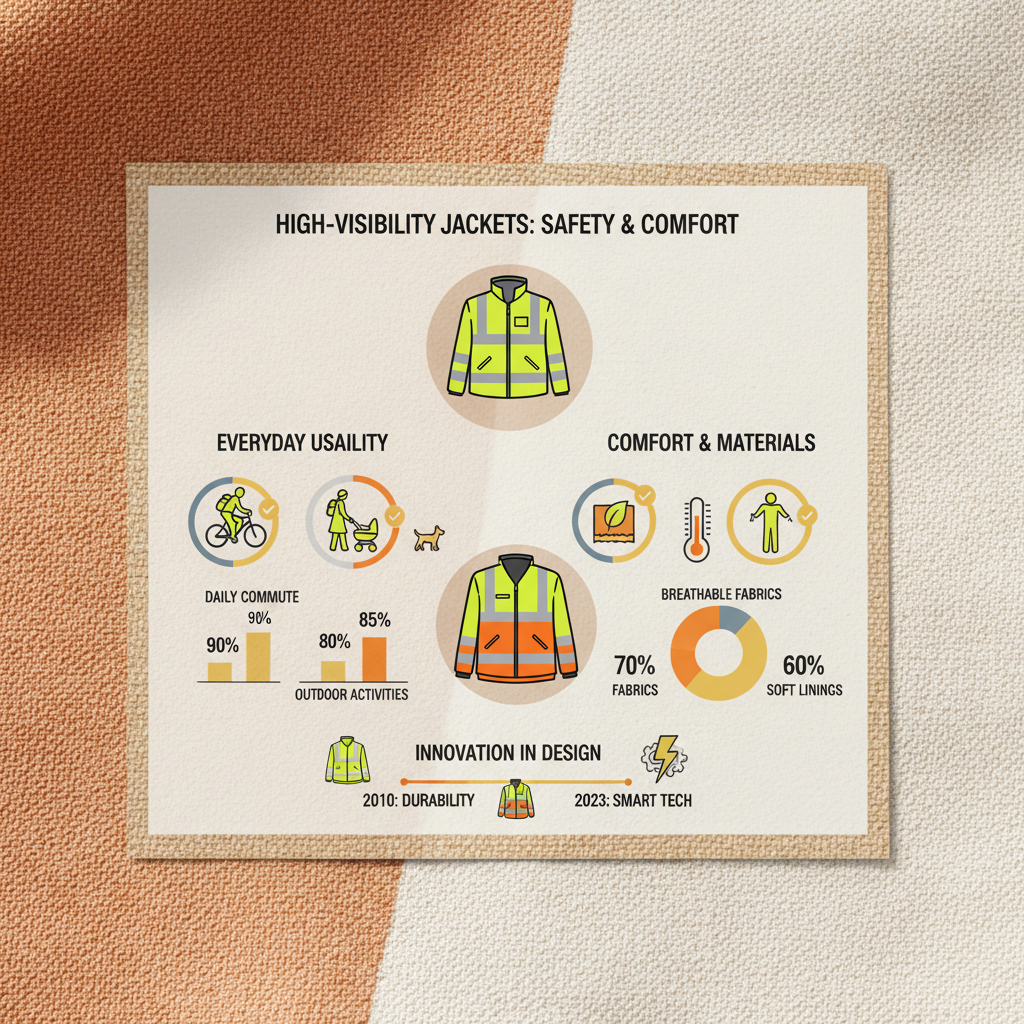
Effectiveness of High Visibility Jacket Features
Advantages and Long-Term Value Proposition
The advantages of investing in high visibility jackets extend far beyond simple compliance. The most tangible benefit is a reduction in workplace accidents and injuries, leading to lower insurance premiums and reduced lost productivity. This translates to significant cost savings over the long term. High visibility jackets offer a preventative solution, averting costly incidents before they occur.
From a sustainability perspective, promoting safety through visibility wear minimizes the environmental impact associated with accidents (e.g., cleanup costs, resource depletion). Furthermore, choosing durable, high-quality jackets reduces the need for frequent replacements, contributing to a more sustainable lifecycle.
Future Trends and Innovations in Visibility
The future of high visibility jackets is likely to be shaped by technological advancements and a growing emphasis on sustainability. Expect to see the integration of smart fabrics that offer enhanced reflectivity and dynamic visibility adjustment based on ambient light conditions. The incorporation of sensors and connectivity features could also enable real-time tracking and alerts, further enhancing worker safety.
Another emerging trend is the use of bio-based and recycled materials in jacket construction. Manufacturers are increasingly exploring sustainable alternatives to traditional polyester and nylon, reducing the environmental footprint of these garments. This aligns with the broader industry trend towards circular economy principles and responsible manufacturing.
Furthermore, advancements in nanotechnology are paving the way for lighter, more durable, and more comfortable high visibility materials. These innovations will make jackets more appealing to wearers and encourage consistent use, ultimately maximizing safety benefits.
Challenges and Potential Solutions
Despite the numerous benefits, challenges remain in the implementation and optimization of high visibility jacket programs. One common issue is ensuring consistent usage, particularly among workers who may find the jackets uncomfortable or restrictive. Addressing this requires selecting jackets that prioritize comfort and breathability, and investing in employee training to emphasize the importance of wearing them correctly.
Another challenge is maintaining the effectiveness of reflective materials over time. Regular washing and exposure to harsh environmental conditions can degrade reflectivity. Implementing a robust cleaning and maintenance program, along with choosing jackets made with high-quality reflective materials, can help mitigate this issue.
Finally, ensuring compliance with evolving safety standards requires ongoing monitoring and adaptation. Manufacturers and employers must stay abreast of the latest regulations and ensure their jackets meet the required specifications. Collaboration between industry stakeholders and regulatory bodies is crucial for promoting consistent safety standards and fostering innovation.
Summary of Challenges and Solutions for High Visibility Jacket Effectiveness
| Challenge |
Impact on Safety |
Potential Solution |
Implementation Cost (1-10) |
| Low User Comfort |
Reduced Compliance |
Prioritize breathable, ergonomic designs |
6 |
| Degraded Reflectivity |
Diminished Visibility |
Regular cleaning & high-quality materials |
4 |
| Lack of Standard Compliance |
Legal Risks & Reduced Protection |
Ensure jackets meet ANSI/EN standards |
7 |
| Inadequate Training |
Improper Usage |
Comprehensive employee training programs |
5 |
| Supply Chain Disruptions |
Delayed Replacements |
Diversify suppliers & maintain adequate inventory |
8 |
| Cost Constraints |
Selection of Substandard Jackets |
Life-cycle cost analysis & budget allocation |
6 |
FAQS
Class 2 jackets provide moderate visibility and are suitable for situations where workers are visible to moving traffic but at a slower speed (less than 50 mph). Class 3 jackets offer the highest level of visibility, incorporating more reflective material and being designed for situations where workers are exposed to moving traffic at 50 mph or higher, or in low-light conditions. Choosing the appropriate class depends on the specific hazards of the work environment.
The lifespan of a high visibility jacket depends on its usage and maintenance. Generally, jackets should be replaced if the reflective material becomes damaged, faded, or detached. Regular washing according to manufacturer’s instructions can extend the lifespan. Inspect jackets regularly for wear and tear, and replace them at least every one to two years, or sooner if damage is observed.
Yes, most high visibility jackets are washable, but it's crucial to follow the manufacturer's instructions carefully. Typically, jackets should be washed in cold water with a mild detergent, and tumble-dried on low heat. Avoid using bleach or harsh chemicals, as these can damage the reflective material. Proper washing helps maintain the jacket’s visibility and prolong its lifespan.
In the US, high visibility jackets must meet ANSI/ISEA 107 standards. In Europe, they must comply with EN ISO 20471 standards. These standards specify the amount of reflective material, the color requirements, and the design features necessary to ensure adequate visibility. Always check for a label confirming compliance with the relevant standard.
Yes, high visibility jackets are generally designed to be worn over other clothing. However, it’s important to ensure that the jacket is fully zipped or fastened and that the reflective material is not obscured. Bulky clothing underneath may reduce the jacket’s effectiveness, so consider the overall fit and visibility.
Fluorescent yellow-green and fluorescent orange are the most commonly used colors for high visibility jackets due to their high contrast against typical backgrounds. Yellow-green is particularly effective during daytime and in twilight conditions, while orange provides better contrast in overcast or low-light environments. The choice of color depends on the specific application and surrounding environment.
Conclusion
In conclusion, high visibility jackets represent a fundamental component of workplace safety and accident prevention. From their core function of enhancing visibility to their evolving technological advancements and sustainability considerations, these garments offer a compelling value proposition for organizations and individuals alike. Investing in quality, compliant high visibility jackets is not merely a cost of doing business; it’s a proactive step towards safeguarding lives and promoting a culture of safety.
Looking ahead, continued innovation in materials, design, and connectivity will further enhance the effectiveness and usability of high visibility jackets. Embracing these advancements, coupled with a commitment to rigorous testing and adherence to safety standards, will be crucial for ensuring that these garments remain a cornerstone of safety programs for years to come. Visit our website at www.jidegarment.com to explore our range of high visibility solutions.