0%

Table of Contents

High vis workwear isn’t just about meeting regulations; it’s about bringing people home safe. After years spent on construction sites, from bustling city projects to remote infrastructure builds, I’ve seen firsthand the difference a good, well-maintained high vis garment can make. It's about visibility, of course, but also about durability, comfort, and the peace of mind knowing you’re doing everything possible to protect your team. We're talking about a critical layer of defense against a range of hazards, and that deserves serious attention.

The global demand for high vis workwear is steadily increasing, driven by stricter safety standards, a growing workforce, and expanding industries. The UN's Sustainable Development Goals, particularly those related to decent work and economic growth, highlight the importance of safe working conditions. According to the International Labour Organization (ILO), millions of work-related accidents occur annually, and a significant portion could be prevented with proper PPE, including high vis clothing. This isn’t simply a Western concern either; emerging economies are rapidly industrializing and subsequently implementing – or strengthening – safety regulations.

Simply put, high vis workwear encompasses any clothing designed to enhance the wearer's visibility, particularly in low-light conditions or hazardous environments. It’s achieved through the use of fluorescent materials and retroreflective tape, making workers stand out against complex backgrounds. This isn’t a new concept; its roots trace back to early aviation and military applications, but it has become indispensable for modern industry and increasingly critical in humanitarian efforts where rapid identification is crucial, such as disaster relief operations.
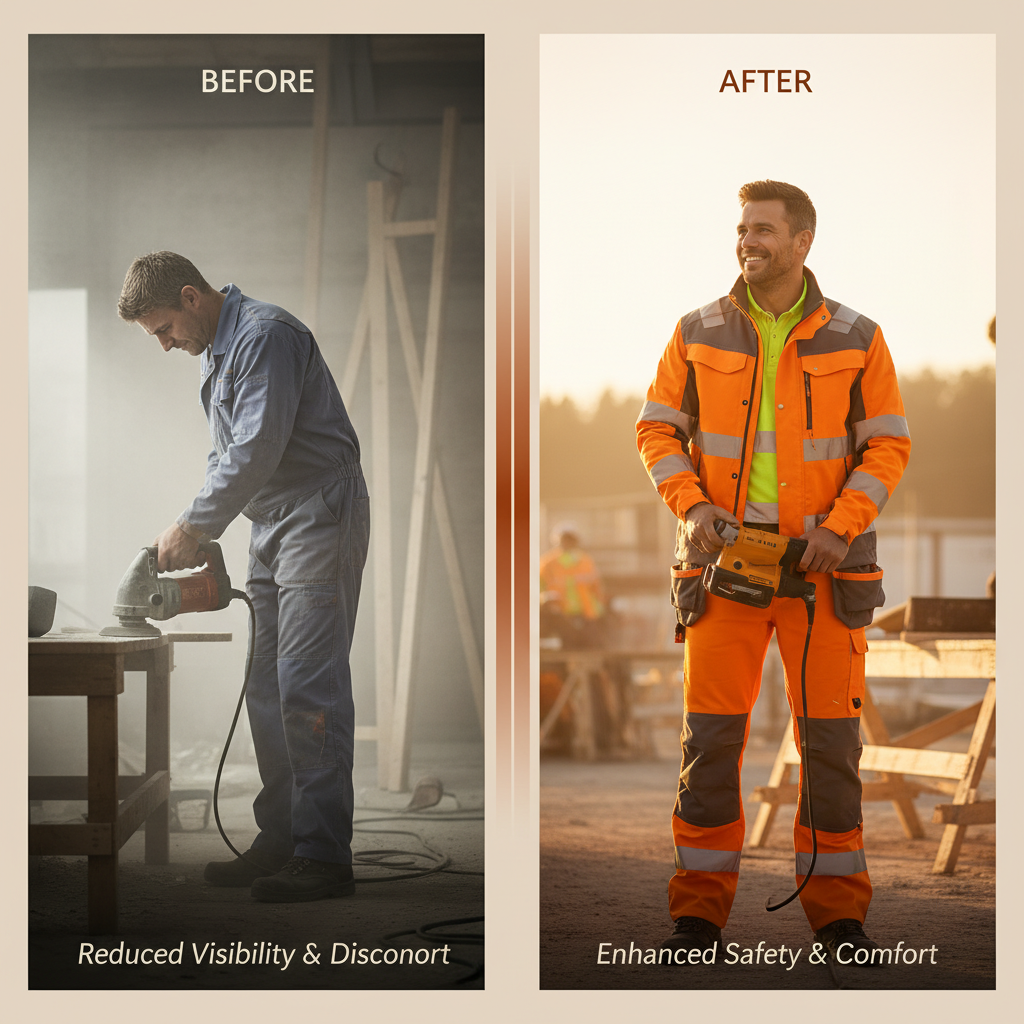
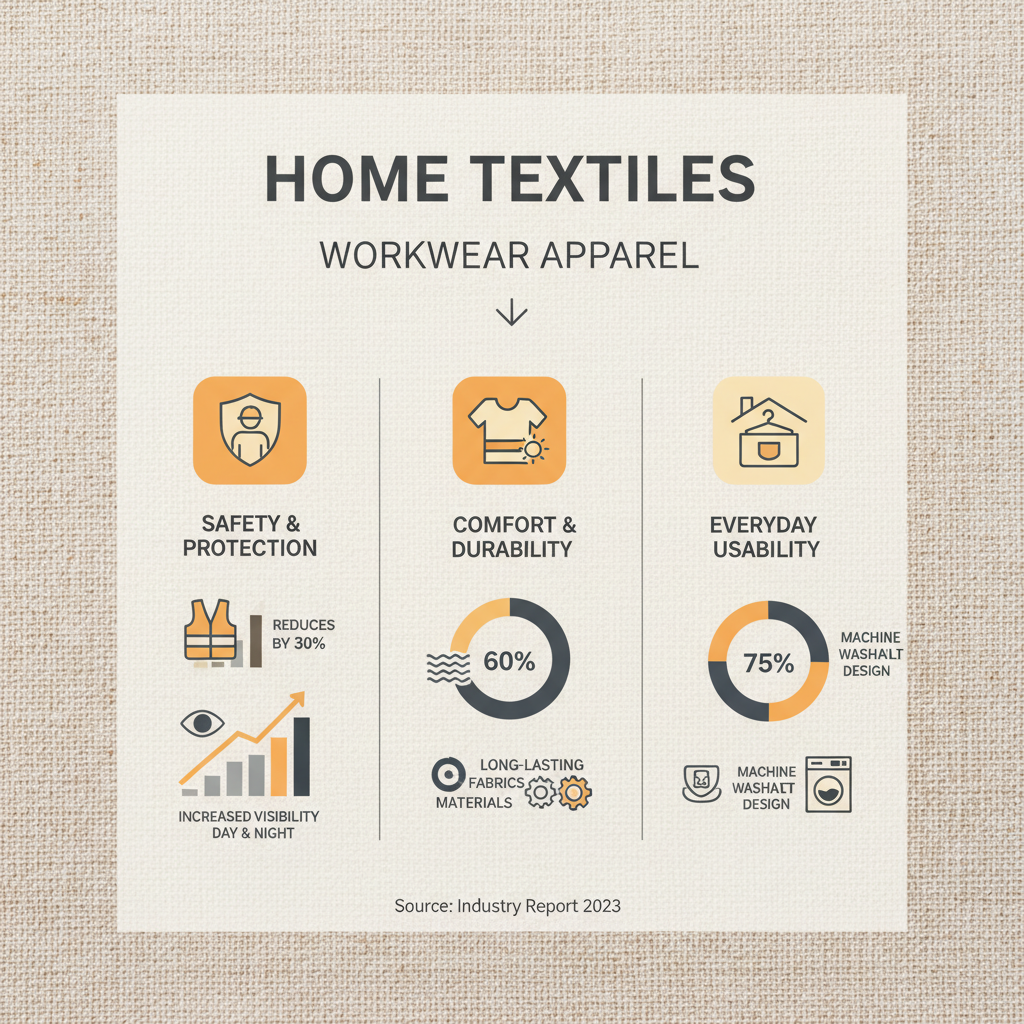
The Vital Role of High Vis Workwear in Modern Workplace Safety

The Importance of High Vis Workwear

The Vital Role of High Vis Workwear in Modern Workplace Safety

Let’s be frank: the cost of a quality high vis garment is minimal compared to the potential cost of an accident. I’ve seen near misses where a reflective vest quite literally saved a life. It’s not just about preventing fatalities; it’s about reducing injuries, minimizing downtime, and boosting overall morale. Workers feel valued when their employer invests in their safety, and that translates into a more productive and engaged workforce. high vis workwear is the first line of defense.

Beyond the immediate safety benefits, proper high vis workwear contributes to a professional image. A team clad in clean, well-fitting, and highly visible clothing projects competence and attention to detail – crucial factors when interacting with clients, inspectors, or the public. This can have a surprisingly positive impact on project success.

Defining High Visibility Workwear

High vis workwear is categorized into three classes – Class 1, 2, and 3 – based on the amount of reflective material and the level of visibility provided. Class 1 offers minimal protection and is suitable for low-risk environments, while Class 3 provides the highest level of visibility and is required for high-risk scenarios like working near moving traffic or in extremely low-light conditions. Understanding these classifications is paramount for selecting the right garment for the job.

It's crucial to remember that high vis isn’t a “one-size-fits-all” solution. Factors like the work environment, the time of day, and the speed of approaching traffic all influence the required level of visibility. A worker flagging traffic on a busy highway needs significantly more protection than someone working in a warehouse.

Furthermore, the effectiveness of high vis workwear diminishes over time. Dirt, wear and tear, and repeated washing can reduce reflectivity. Regular inspection and replacement are essential to ensure continued protection.

Core Components of Effective High Vis Clothing

Durability is paramount. I’ve seen vests rip and tear after just a few weeks of use. Look for garments constructed from robust materials, with reinforced seams and high-quality reflective tape. A cheap vest isn’t a bargain if it falls apart quickly.

Comfort is often overlooked, but it’s crucial. If a garment is uncomfortable, workers are less likely to wear it consistently. Breathable fabrics, ergonomic designs, and adjustable features can make a significant difference. Nobody wants to spend a full shift sweating in a poorly designed vest.

The quality of the retroreflective material is key. Look for tape that meets or exceeds relevant standards (like ANSI/ISEA 107 or EN ISO 20471). Different types of tape offer varying levels of reflectivity and durability. Microprismatic tape generally offers superior performance compared to glass bead tape.

Applications Across Industries

You see high vis workwear everywhere. Construction is a big one, obviously. But think about road work, airport ground crews, emergency responders, logistics and warehousing, railway maintenance, and even agriculture. Anywhere workers are exposed to moving vehicles or hazardous conditions, high vis is essential.

In remote industrial zones – like oil and gas fields or large-scale mining operations – high vis is a lifesaver. These environments often involve heavy machinery, limited visibility, and challenging terrain. Proper PPE is the difference between a safe return home and a tragic incident.

And it’s not just about industry. In post-disaster relief operations, high vis clothing is crucial for coordinating responders, identifying victims, and ensuring the safe distribution of aid. Clear visibility can significantly improve the efficiency and effectiveness of these critical efforts.

High Vis Workwear Performance by Method


Advantages and Long-Term Value

The cost savings associated with preventing even a single serious injury far outweigh the investment in quality high vis workwear. Beyond that, a strong safety culture – which includes providing appropriate PPE – improves employee morale, reduces absenteeism, and enhances productivity. It’s a win-win.

From a sustainability standpoint, investing in durable, long-lasting garments reduces waste and minimizes the environmental impact. Choosing manufacturers committed to responsible sourcing and production practices further enhances the long-term value.

Future Trends in High Vis Technology

We’re starting to see the integration of smart technology into high vis workwear. Things like embedded sensors that can monitor worker fatigue, detect falls, or even provide real-time location data. This data can be used to improve safety protocols and provide immediate assistance in emergency situations.

Another exciting development is the use of advanced materials. Researchers are exploring new fluorescent dyes and retroreflective materials that offer even greater visibility and durability. We're also seeing a move towards more sustainable materials, like recycled fabrics and bio-based polymers.

Challenges and Solutions

One of the biggest challenges is ensuring consistent compliance. Workers may be tempted to cut corners or wear damaged garments. Regular training, enforcement of safety policies, and providing comfortable, high-quality PPE can help address this issue.

Another challenge is the lack of standardization in some regions. Different countries may have different safety standards, making it difficult for companies operating internationally to ensure consistent protection. Collaboration between industry stakeholders and regulatory bodies is crucial for harmonizing standards and improving safety worldwide.

Finally, cost remains a barrier for some organizations. However, it’s important to remember that investing in safety is not an expense; it’s an investment in your most valuable asset – your people.

Summary of High Vis Workwear Maintenance Best Practices

Inspection Frequency Cleaning Procedures Storage Recommendations Replacement Criteria
Daily before use Mild detergent, cold water, air dry Cool, dry place, away from direct sunlight Visible damage, reduced reflectivity
Weekly detailed check Avoid harsh chemicals, bleach, or fabric softeners Avoid folding reflective tape tightly After 25 washes or 1 year
Monthly comprehensive assessment Follow manufacturer’s instructions carefully Hang garments to prevent creasing Reflectivity falls below standard
After any incident or potential contamination Inspect for tears, abrasions, or fading Store separately from other workwear Significant wear and tear
Record keeping of inspection results Use appropriate washing machine settings Ensure adequate ventilation to prevent mildew Failure to meet safety requirements
Employee Training Proper washing and drying techniques Protect from physical damage Expiration date reached

FAQS

What level of high vis workwear is required for roadside construction?

For roadside construction, Class 3 high vis workwear is generally required due to the high risk of being struck by vehicles. This class provides the highest level of visibility with a significant amount of reflective material. Always check local regulations and project-specific requirements as they can vary. Ensure the garment meets ANSI/ISEA 107 or EN ISO 20471 standards. Remember, it's better to err on the side of caution when it comes to safety.

How often should high vis workwear be replaced?

High vis workwear should be replaced when it shows visible signs of wear and tear, such as rips, tears, fading, or reduced reflectivity. A general guideline is to replace garments after 25 washes or one year of use, even if they appear to be in good condition. Regular inspection is critical – if the reflective material is cracked, peeling, or dirty, the garment should be replaced immediately. Don’t compromise safety for cost.

Can high vis workwear be washed in a standard washing machine?

Yes, most high vis workwear can be machine washed, but it’s crucial to follow the manufacturer’s instructions. Generally, you should use a mild detergent, cold water, and avoid harsh chemicals like bleach or fabric softeners. Tumble drying on low heat is typically acceptable, but air drying is preferred to prolong the garment’s life and maintain reflectivity. Always check the label!

What is the difference between fluorescent and retroreflective materials?

Fluorescent materials ‘glow’ by absorbing ultraviolet light and re-emitting it as visible light, making the wearer stand out during daylight hours. Retroreflective materials, on the other hand, ‘bounce back’ light from a source (like headlights) directly towards the source, providing exceptional visibility at night or in low-light conditions. Effective high vis workwear combines both fluorescent and retroreflective elements for maximum protection in all conditions.

How should I store high vis workwear when it's not in use?

Store high vis workwear in a cool, dry, and well-ventilated place, away from direct sunlight and harsh chemicals. Hang garments to prevent creasing and damage to the reflective tape. Avoid folding them tightly, as this can reduce reflectivity. Proper storage helps maintain the garment’s effectiveness and extends its lifespan. Keeping them separate from other workwear can also prevent contamination.

What certifications should I look for when purchasing high vis workwear?

Look for garments that meet ANSI/ISEA 107 (in the US) or EN ISO 20471 (in Europe) standards. These certifications ensure that the workwear meets specific performance requirements for visibility and durability. Verifying the certification demonstrates the manufacturer's commitment to quality and safety. Be wary of uncertified products, as they may not provide adequate protection.

Conclusion

High vis workwear isn't merely a piece of clothing; it's a critical safety component that protects workers across a wide range of industries. From understanding the different classes and materials to ensuring proper maintenance and compliance, a comprehensive approach to high vis is essential for minimizing risks and promoting a safe working environment. The advancements in technology and materials are continually improving the effectiveness and comfort of these garments, making them an increasingly valuable investment.

Looking ahead, the future of high vis workwear lies in the integration of smart technologies and sustainable materials. By embracing innovation and prioritizing worker safety, we can create a safer, more productive, and more sustainable future for all. For top-quality high vis workwear solutions, visit our website today.

Ethan Bellwether

Ethan Bellwether

Ethan Bellwether serves as the Senior Sales Manager for Roch Climbing’s North American market. He joined JIDE in 2018, bringing with him over 8 years of experience in garment sales and account management, specifically focusing on workwear and outdoor apparel. Ethan is responsible for fostering key relationships with clients across
Previous The Critical Role of High Visibility Jackets in Safety and Accident Prevention
Next Durable Work Trousers with Pockets for Enhanced Jobsite Performance
images/icon1.png rona@jidecorp.com +8615630198192 Top
wexin
Wechat
tel
email
Top

If you are interested in our products, you can choose to leave your information here, and we will be in touch with you shortly.