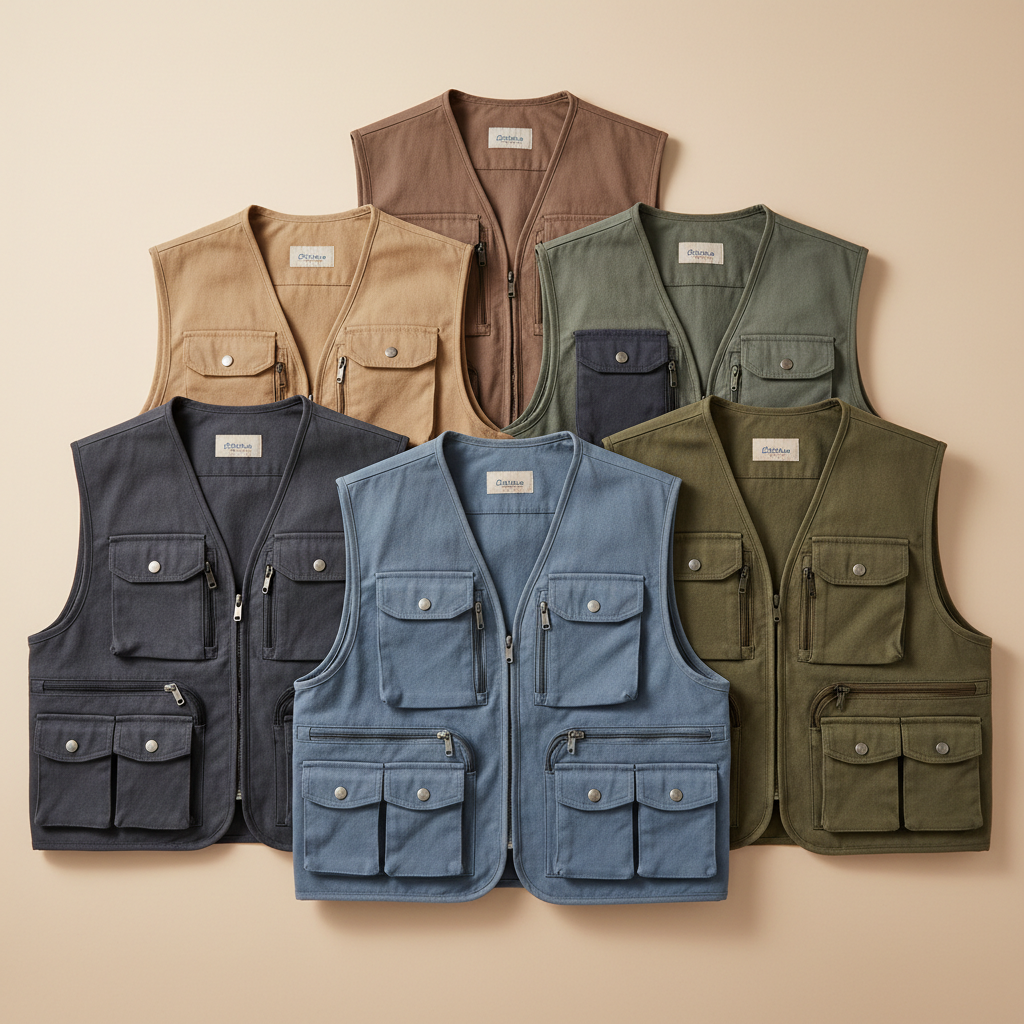
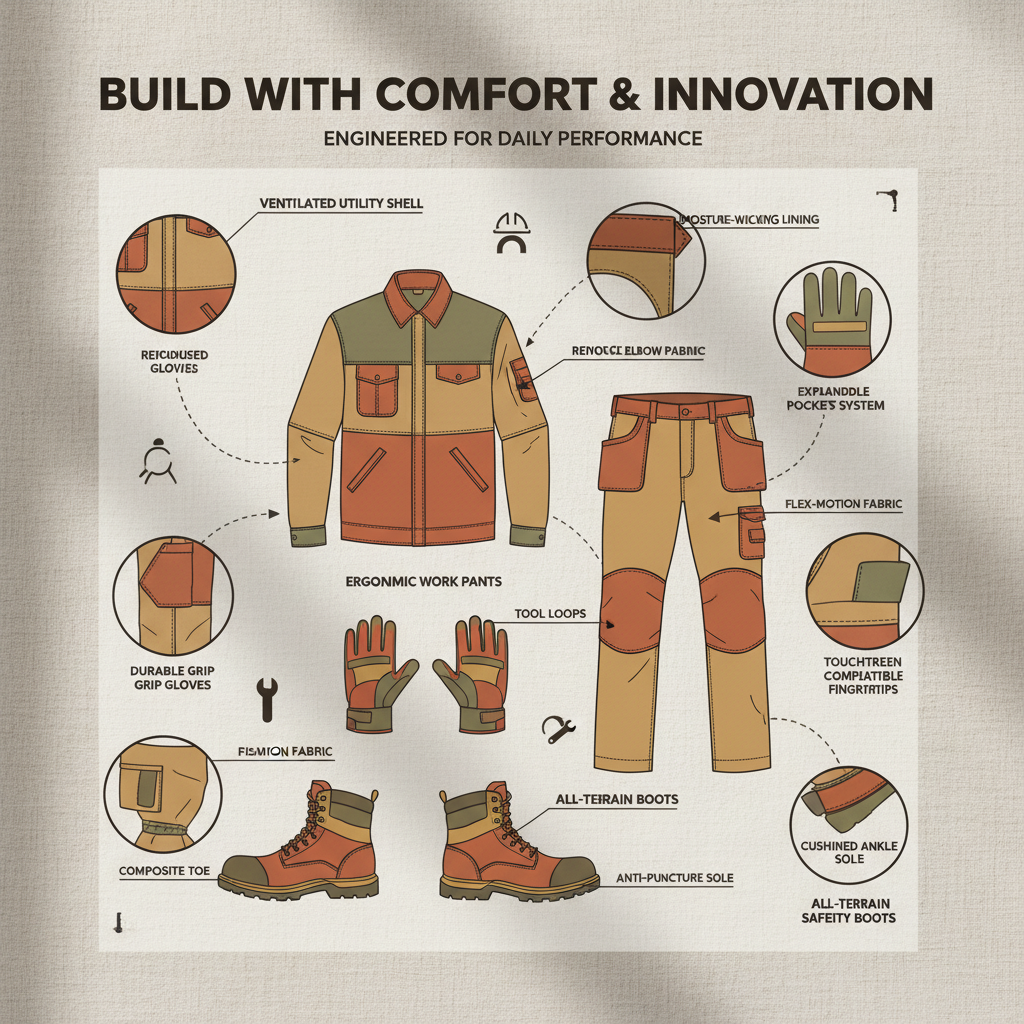
Work vests with pockets – you see them on every site, from bustling city centers to remote rural projects. They're more than just a uniform piece; they’re a mobile workstation, a safety net, and a subtle signal of a worker’s role. For decades, the basic design hasn’t changed much, but what goes into those pockets, and how the vest itself is built, is evolving rapidly. It's a deceptively complex piece of kit, and getting it right means the difference between a productive, safe day and a frustrating, potentially dangerous one. I’ve spent years watching how crews actually use these vests, and it’s informed everything from material choices to pocket placement.
The demand for high-quality work vests with pockets is driven by a global need for skilled trades and infrastructure development. According to the UN, global infrastructure investment needs are projected to reach $94 trillion by 2040, necessitating a massive workforce. This growth isn't just in developed nations; emerging economies are fueling demand too. The construction industry, along with transportation, utilities, and resource extraction, represents a massive market. But it's not just about volume; it’s about safety. A recent ISO report highlighted that inadequate personal protective equipment (PPE) contributes to a significant percentage of workplace injuries, making durable and functional workwear crucial.
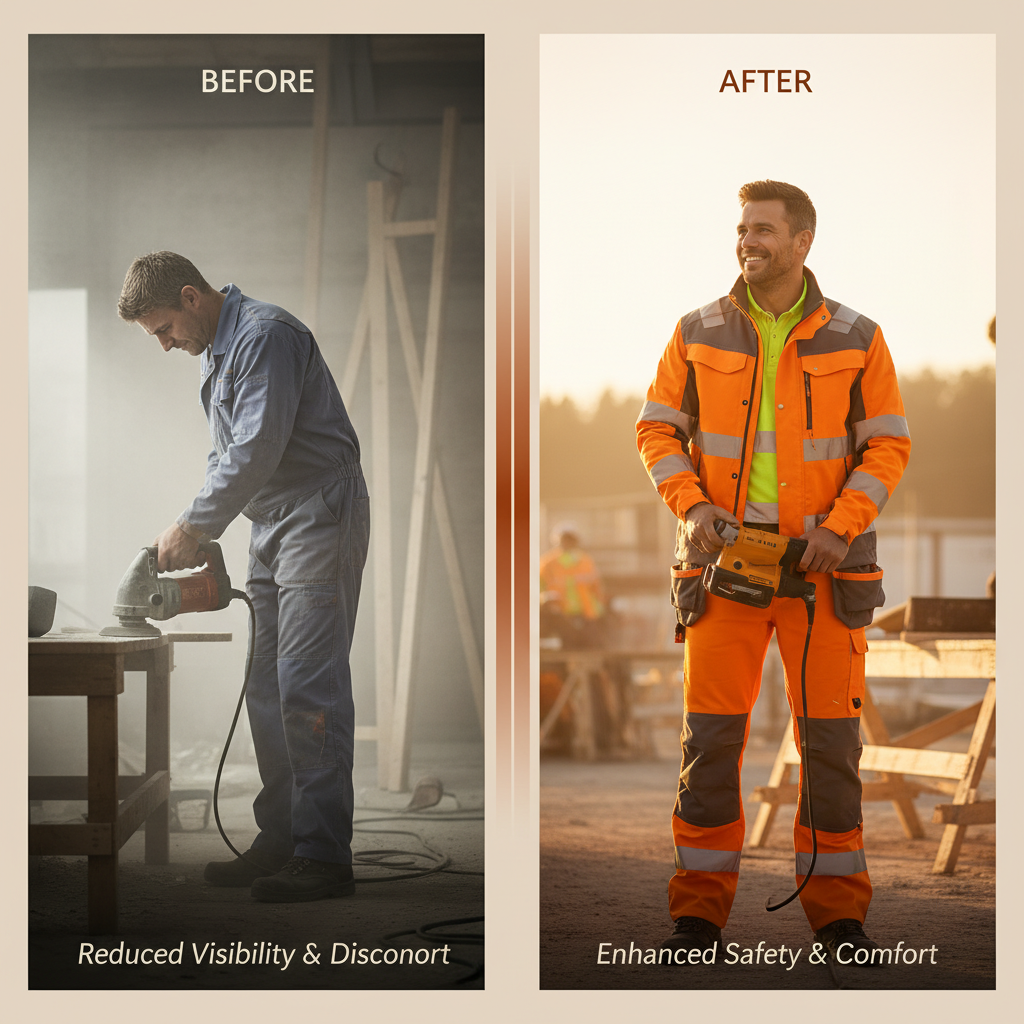
Simply put, work vests with pockets are high-visibility garments designed to improve worker safety and efficiency on job sites. They aren’t just about being seen; they’re about having essential tools and supplies readily accessible. They provide a readily identifiable visual signal, especially in low-light or high-traffic areas. Modern vests go beyond basic visibility, incorporating features like reflective striping, durable fabrics, and strategically placed pockets for everything from radios and smartphones to measuring tools and fasteners. The best ones are designed with the worker in mind – truly understanding what a day on the job feels like.
The Global Importance of Work Vests with Pockets
The construction industry alone employs over 7 million people in the US, and globally the numbers are exponentially higher. These workers need reliable, functional PPE, and a well-designed work vest with pockets is at the top of that list. We're not just talking about construction; think about utility workers maintaining power lines, transportation crews managing traffic flow, or emergency responders on a disaster site. These professionals rely on quick access to tools and clear visibility, and a quality vest delivers both.
From my experience on-site, a poorly designed vest can actually decrease productivity. If a worker is constantly fumbling for a tool, or if the vest is uncomfortable and restricts movement, it impacts their efficiency and focus. It's a small thing, but those small things add up over a long shift. A good vest is an investment in worker well-being and overall project success.
Defining Work Vests with Pockets
Work vests with pockets are high-visibility safety garments, typically constructed from durable materials like polyester or nylon, and featuring strategically placed pockets for carrying essential tools and accessories. The core function is to increase worker visibility, particularly in low-light conditions or high-traffic areas, reducing the risk of accidents. But they’re evolving beyond simple visibility.
Modern work vests with pockets often include features like reflective striping (meeting ANSI/ISEA standards), breathable fabrics for comfort, and adjustable closures for a secure fit. The placement and size of the pockets are crucial; they need to be accessible, secure, and capable of holding a variety of items without creating bulk or hindering movement. They're not just clothing; they're an extension of the worker's toolkit.
The connection to modern industry and humanitarian needs is direct. As infrastructure projects expand globally, and as emergency response teams face increasingly complex challenges, the demand for reliable PPE like work vests with pockets continues to grow. In disaster relief, for example, vests can help identify responders and provide them with quick access to critical supplies.
Key Factors in Work Vest Design
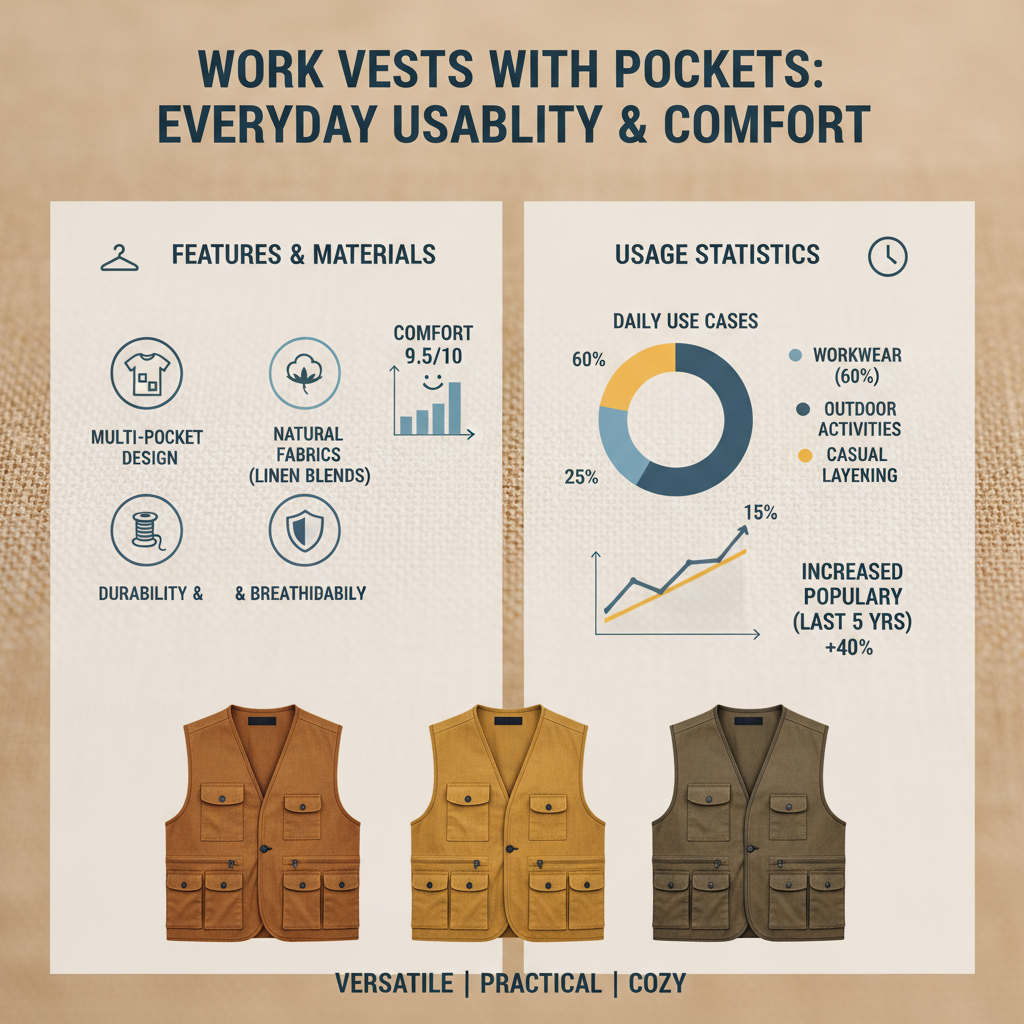
Several key factors contribute to a high-quality work vest with pockets. First and foremost is durability. These vests take a beating – abrasion from tools, exposure to the elements, and constant wear and tear. The fabric needs to be tough enough to withstand these conditions without tearing or fading. Secondly, pocket configuration is critical. Placement, size, and closure type all need to be carefully considered based on the intended use.
Next, comfort and breathability are paramount. A vest that’s hot and uncomfortable will be avoided, defeating its purpose. Materials that allow for airflow and moisture wicking are essential, especially in warmer climates. Visibility is, of course, fundamental, demanding high-quality reflective materials that meet industry standards. Finally, fit and adjustability ensure a secure and comfortable experience for a wide range of body types.
These factors aren't independent; they're interconnected. A durable vest that's uncomfortable won't be worn. A highly visible vest with poorly designed pockets is less useful. It's about finding the right balance to create a garment that truly enhances worker safety and productivity.
Durability and Material Science
The material used in work vests with pockets significantly impacts their durability and lifespan. Traditional polyester remains a popular choice due to its cost-effectiveness and resistance to abrasion, but advancements in fabric technology are offering improved performance. For example, ripstop nylon provides enhanced tear resistance, while specialized coatings can add water repellency and stain resistance.
I’ve seen firsthand how different materials hold up on the job site. Cheap polyester vests can start to fray and fade after just a few months of regular use, while higher-quality nylon blends can last for years. The denier (thread count) of the fabric is also a key factor; a higher denier indicates a more durable material. It's about understanding that investing in a more robust material upfront can save money in the long run by reducing the need for frequent replacements.
Durability Comparison: Work Vests with Pockets Material Ratings
Global Applications and Industries Served
The applications for work vests with pockets are incredibly diverse. Construction is the most obvious, but they’re also essential in transportation (road crews, airport personnel), utilities (power line workers, gas technicians), and emergency services (firefighters, paramedics). In post-disaster relief operations, vests help identify responders and ensure they have quick access to essential tools and supplies.
I’ve worked with crews in remote industrial zones where visibility is limited due to dust and weather conditions. In these situations, a high-quality work vest with pockets isn’t just a safety requirement; it's a life-saver. They’re used extensively in logging and forestry, mining operations, and even agricultural settings where workers need to be easily seen by machinery.
Advantages and Long-Term Value
The tangible benefits of investing in quality work vests with pockets are numerous. Reduced accident rates translate to lower insurance costs and fewer lost workdays. Increased worker productivity, stemming from quick access to tools, directly impacts project timelines and profitability. Beyond the financial aspects, there’s a significant moral imperative – providing workers with safe and comfortable PPE demonstrates a commitment to their well-being.
From a sustainability standpoint, durable vests reduce the need for frequent replacements, minimizing waste. The emotional impact shouldn't be overlooked either. When workers feel safe and well-equipped, their morale improves, leading to greater job satisfaction and a stronger work ethic. Choosing the right work vest isn't just a practical decision; it's a statement about the company’s values.
Future Trends and Innovations
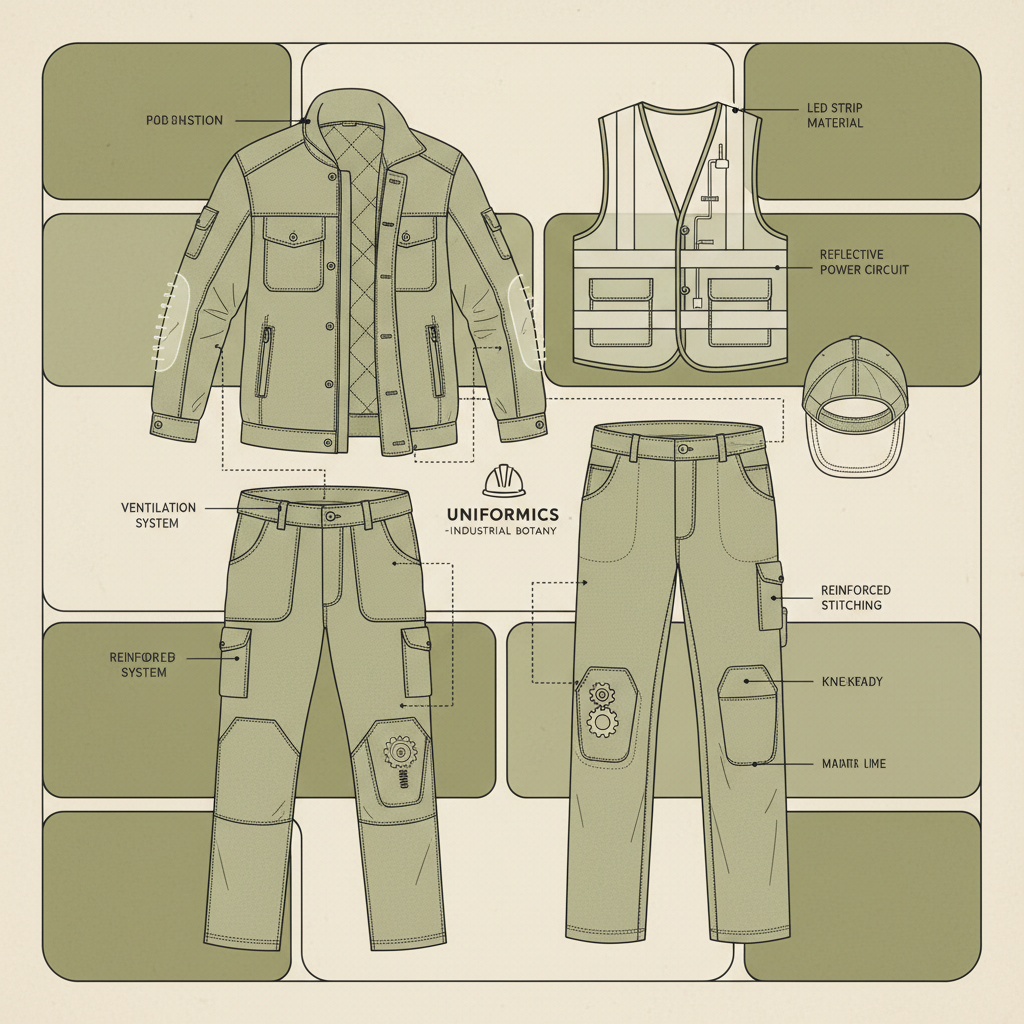
We’re seeing exciting developments in work vest technology. Integration of smart fabrics with embedded sensors is on the horizon, enabling real-time monitoring of worker health and safety – things like body temperature, heart rate, and even potential fatigue levels. Advanced reflective materials with increased visibility in all lighting conditions are also being developed.
There's a growing push for sustainable materials, with manufacturers exploring options like recycled polyester and bio-based fabrics. And with the rise of digital transformation, we might see vests incorporating features like RFID tags for asset tracking and communication systems for improved team coordination. The future of work vests with pockets isn't just about being seen; it's about being connected and protected.
The integration of augmented reality (AR) is another area to watch. Imagine a vest that can project safety information or provide step-by-step instructions directly onto the worker’s field of vision. It's still early days, but the potential is enormous.
FAQS
ANSI/ISEA standards classify visibility based on performance levels. For most construction and industrial applications, Class 2 visibility is sufficient, providing good visibility in moderate to high-risk environments. However, for high-traffic areas or low-light conditions, Class 3 is recommended, offering a higher level of visibility. Always check your company’s safety policies and job site requirements to determine the appropriate class.
The lifespan of a work vest depends on usage and material quality. Regularly inspect vests for signs of wear and tear, such as fading reflective material, tears, or damaged closures. Even if a vest appears structurally sound, the reflective properties can diminish over time with washing and exposure to UV light. Generally, vests should be replaced annually, or sooner if damage is detected.
Yes, many manufacturers offer work vests with pockets made from lightweight, breathable fabrics like mesh or moisture-wicking polyester. These vests are designed to promote airflow and keep workers cool and comfortable in hot conditions. Look for vests with vented backs and side panels for optimal breathability.
Always follow the manufacturer’s care instructions. Generally, machine wash work vests in cold water on a gentle cycle. Avoid using harsh detergents, bleach, or fabric softeners, as these can degrade the reflective material. Tumble dry on low heat or hang to dry. Avoid ironing reflective strips, as heat can damage them.
Pocket configuration is extremely important. Consider the types of tools and accessories workers need to carry and choose a vest with pockets that are appropriately sized and positioned. Look for pockets with secure closures (zippers, Velcro flaps) to prevent items from falling out. Strategically placed pockets can improve efficiency and reduce the need to constantly reach for tools.
Yes, many manufacturers offer customization options, including screen printing, embroidery, or heat transfer vinyl, allowing you to add company logos, names, or other branding elements. Customization can enhance brand visibility and promote a sense of team identity. Be sure to inquire about minimum order quantities and pricing.
Conclusion
Work vests with pockets are far more than just a piece of safety equipment; they're a critical component of a productive and safe work environment. From the materials used to the configuration of the pockets, every detail matters. Understanding the evolving trends, from smart fabrics to sustainable materials, is essential for staying ahead in a rapidly changing industry.
Investing in high-quality work vests with pockets isn’t just about compliance; it's about investing in your workforce. It’s about prioritizing safety, enhancing productivity, and demonstrating a commitment to worker well-being. Explore the options, consider your specific needs, and choose a vest that will protect and empower your team. Visit our website to explore our range of durable and innovative work vests with pockets.