In the demanding landscapes of industrial manufacturing and emergency response, the orange coverall serves as more than just a piece of clothing; it is a critical safety tool. Designed for maximum visibility and full-body protection, these garments are essential for workers operating in high-risk environments where being seen can mean the difference between safety and catastrophe.
Globally, the adoption of high-visibility apparel is governed by stringent safety standards, such as ISO 20471, ensuring that an orange coverall provides the necessary luminance to be spotted from significant distances. This is particularly vital in sectors like oil and gas, construction, and aviation, where heavy machinery and low-light conditions are common.
Understanding the technical nuances of these garments—from fabric breathability to chemical resistance—allows companies to optimize worker efficiency while minimizing workplace accidents. By investing in the right high-visibility gear, organizations not only comply with international labor laws but also foster a culture of safety and professionalism.
Global Industrial Standards for Orange Coveralls
The global demand for an orange coverall is driven by the universal need for occupational safety. According to international safety benchmarks, high-visibility orange is specifically chosen because it contrasts sharply with most natural backgrounds, such as forests or urban gray-scale environments, making it an ideal choice for rescue operations and roadwork.
Implementing these standards across different regions ensures that a worker in an offshore rig in the North Sea is as visible as a technician in a desert refinery. The integration of reflective taping and fluorescent dyes in the orange coverall addresses the critical challenge of "visual noise" in complex industrial settings.
Defining the Modern Orange Coverall
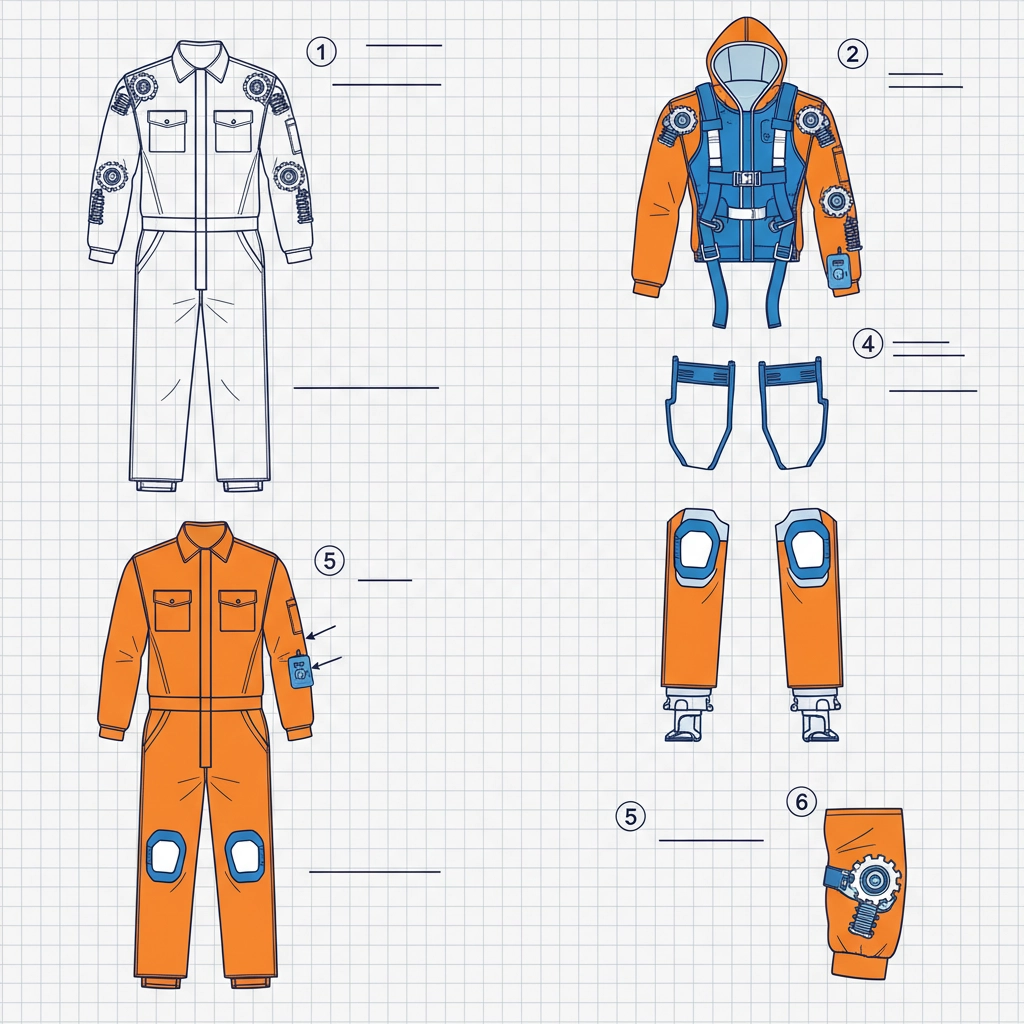
In simple terms, an orange coverall is a one-piece protective garment designed to cover the torso and limbs, typically crafted from heavy-duty fabrics like cotton-polyester blends or flame-resistant treated materials. Its primary purpose is to provide a barrier between the wearer and potential hazards while ensuring maximum visibility.
Beyond basic protection, these garments are deeply connected to modern humanitarian and industrial needs. For instance, in search-and-rescue missions, the specific hue of an orange coverall allows aerial drones and helicopters to locate personnel quickly in debris-heavy environments.
Modern iterations have evolved to include ergonomic tailoring, allowing for a full range of motion without compromising the garment's protective seal. This evolution transforms a simple uniform into a sophisticated piece of personal protective equipment (PPE) that supports the wearer's physical health and psychological confidence.
Core Components of High-Performance Coveralls
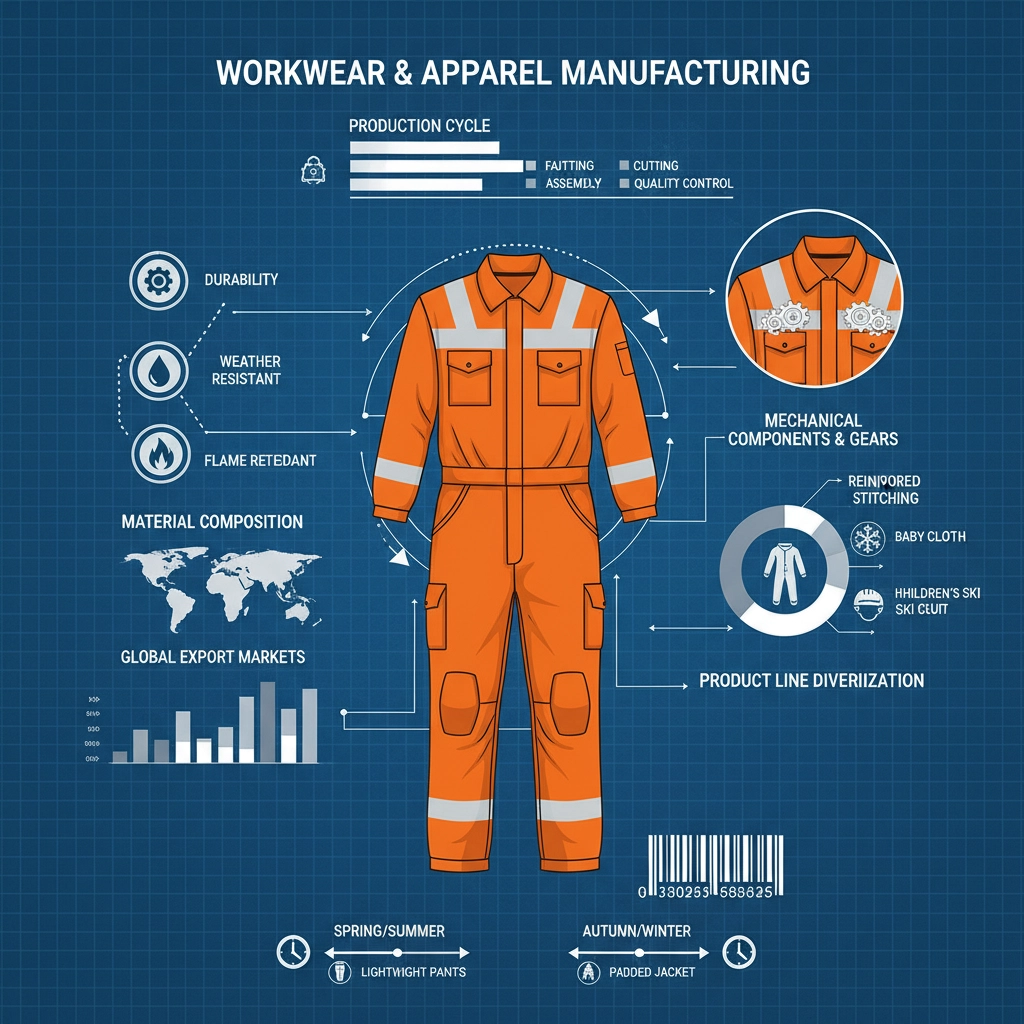
Durability is the cornerstone of any professional orange coverall. Using reinforced stitching at stress points—such as the knees and elbows—ensures that the garment can withstand the abrasive conditions of construction sites and mechanical workshops without tearing.
Material scalability is another critical factor; a high-quality orange coverall must be adaptable to various climates. This is achieved through the use of breathable membranes for summer wear and thermal linings for winter applications, ensuring year-round protection.
Cost efficiency in the long term is realized through the use of fade-resistant dyes. An orange coverall that maintains its brilliance after dozens of industrial washes reduces the frequency of replacement, thereby lowering the overall procurement cost for large enterprises.
Performance Metrics of Visibility Fabrics
Evaluating the efficacy of an orange coverall requires a look at a few key technical metrics: luminance, abrasion resistance, and moisture management. These factors determine how the garment performs under extreme stress and whether it provides the intended safety margin.
By comparing different fabric treatments, we can see which methods offer the best balance of safety and comfort. The following data illustrates the performance ratings of various orange coverall fabric options based on industrial testing.
Comparative Performance of Orange Coverall Fabric Types
Global Applications and Use Cases
The practical application of the orange coverall spans across diverse global industries. In the oil and gas sector, particularly in offshore platforms in the Gulf of Mexico or the North Sea, these garments are mandatory for all deck crew to ensure visibility during emergency evacuations into the ocean.
Furthermore, in post-disaster relief operations led by international NGOs, the orange coverall is used to distinguish rescue personnel from affected civilians. This visual clarity helps in organizing chaotic sites and ensures that logistics teams can quickly identify coordinators in the field.
Long-term Value and Safety Advantages
The long-term value of investing in a high-quality orange coverall extends beyond simple compliance. There is a significant psychological benefit; workers who feel safe and visible are more focused and productive, knowing that their environment is managed according to the highest safety protocols.
From a sustainability perspective, modern orange coverall manufacturing is moving toward recycled polyester and organic cotton blends. This transition reduces the environmental footprint of industrial workwear while maintaining the rigorous safety standards required for heavy-duty labor.
Ultimately, the reliability of these garments builds trust between the employer and the employee. By providing a top-tier orange coverall, a company demonstrates its commitment to the dignity and life of its workforce, which in turn reduces employee turnover and enhances brand reputation.
Future Innovations in Workwear Materials
The future of the orange coverall lies in the integration of "smart" textiles. We are seeing the emergence of fabrics that can monitor a worker's heart rate or body temperature and transmit this data to a central hub, allowing for real-time health monitoring in extreme heat or cold.
Additionally, the shift toward automation in textile manufacturing means that orange coverall designs can be customized to the individual's body measurements through 3D scanning, eliminating the "one size fits all" problem and further increasing comfort and safety.
Sustainability will remain a primary driver, with the development of biodegradable dyes and self-cleaning nanotechnology. This will ensure that an orange coverall stays clean and visible for longer periods, reducing water waste from frequent industrial laundering.
Analysis of Future Workwear Innovations for Orange Coveralls
| Technology Type |
Primary Benefit |
Implementation Stage |
Impact Score (1-10) |
| Smart Biosensors |
Real-time Health Tracking |
Prototype/Early Adoption |
9 |
| Recycled Polymers |
Reduced Carbon Footprint |
Mass Market |
8 |
| Nano-Coating |
Stain & Water Resistance |
Widely Available |
7 |
| 3D Ergonomic Fit |
Increased Mobility |
Growing Adoption |
8 |
| Phase-Change Materials |
Active Temp Regulation |
Specialized Use |
9 |
| Self-Healing Fabric |
Automatic Tear Repair |
Research Phase |
10 |
FAQS
The specific wavelength of high-visibility orange is designed to contrast with the most common colors found in nature and industrial zones. While yellow is also common, orange is often preferred in environments with heavy greenery or in maritime settings because it remains highly visible against blue water and grey skies, significantly reducing the risk of accidents.
Replacement depends on the intensity of use, but generally, coveralls should be replaced when the reflective strips begin to crack or peel, or when the orange pigment noticeably fades. Fading reduces the garment's luminance, which means it no longer meets ISO safety standards, potentially putting the worker at risk.
Not all are. While many orange coveralls are made from flame-resistant (FR) materials for oil and gas use, some are purely for visibility. It is crucial to check the technical label for certifications like NFPA 2112 or EN ISO 11612 to ensure the garment is suitable for high-heat or flash-fire environments.
Yes, most industrial suppliers allow for embroidery or screen printing. However, it is recommended to place logos in areas that do not cover the reflective tape or the primary high-visibility sections of the orange coverall to ensure that safety standards are not compromised.
Yes. Fluorescent orange actually absorbs invisible UV light and re-emits it as visible light, making it look like it's "glowing" in daylight. Standard orange is just a pigment. For professional safety gear, fluorescent fabrics are essential for meeting high-visibility compliance levels.
Avoid using bleach or harsh detergents that can strip the fluorescent dyes. Wash the garments according to the manufacturer's instructions, usually in cool to warm water, and avoid over-drying at high temperatures, as excessive heat can damage the reflective tapes and fade the orange color.
Conclusion
In summary, the orange coverall is an indispensable asset in the realm of industrial safety, blending technical material science with critical visibility requirements. From the stringent ISO standards that govern its color to the innovative smart fabrics of the future, these garments ensure that workers remain protected and visible in the most hazardous environments on earth.
As industries evolve toward greater sustainability and digital integration, the role of high-visibility workwear will only grow. We encourage safety managers and procurement officers to prioritize quality and certification over low-cost alternatives to ensure long-term reliability and worker well-being. Visit our website for premium solutions: www.jidegarment.com