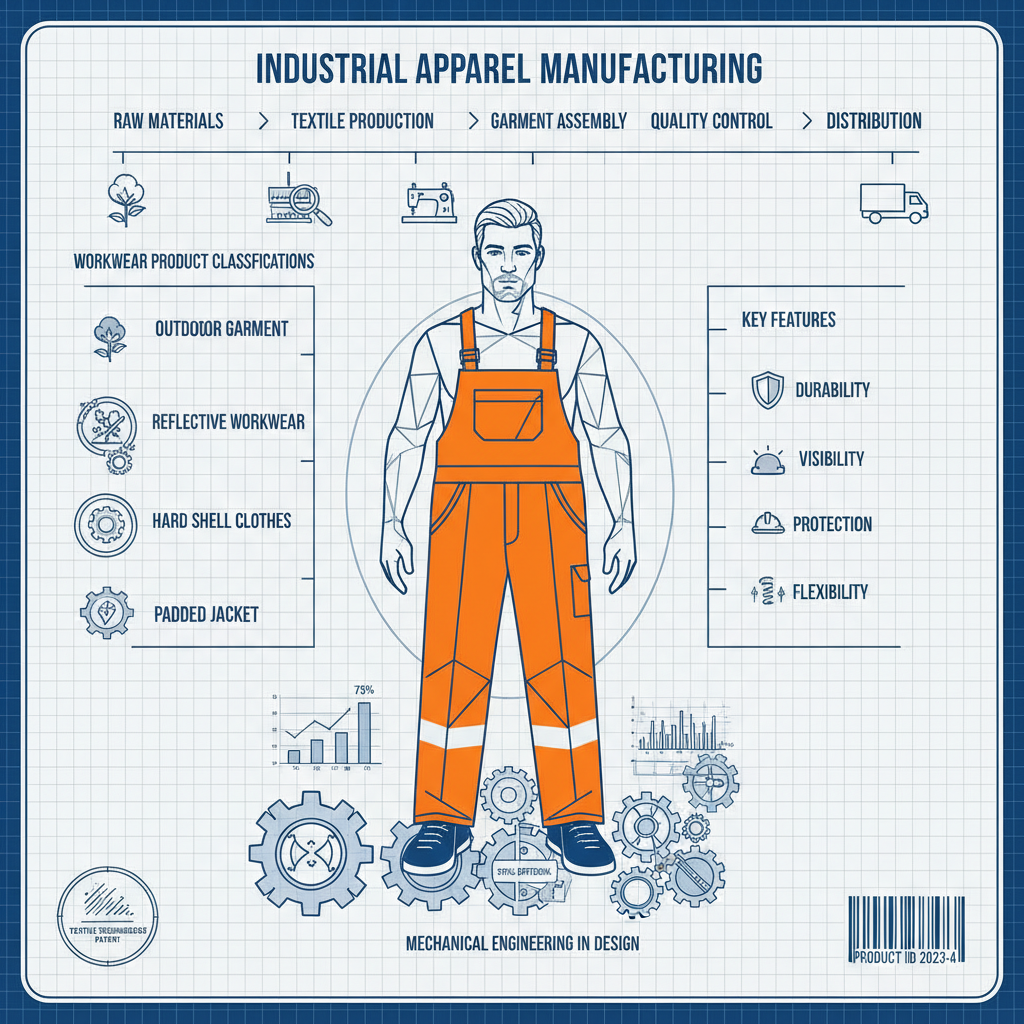
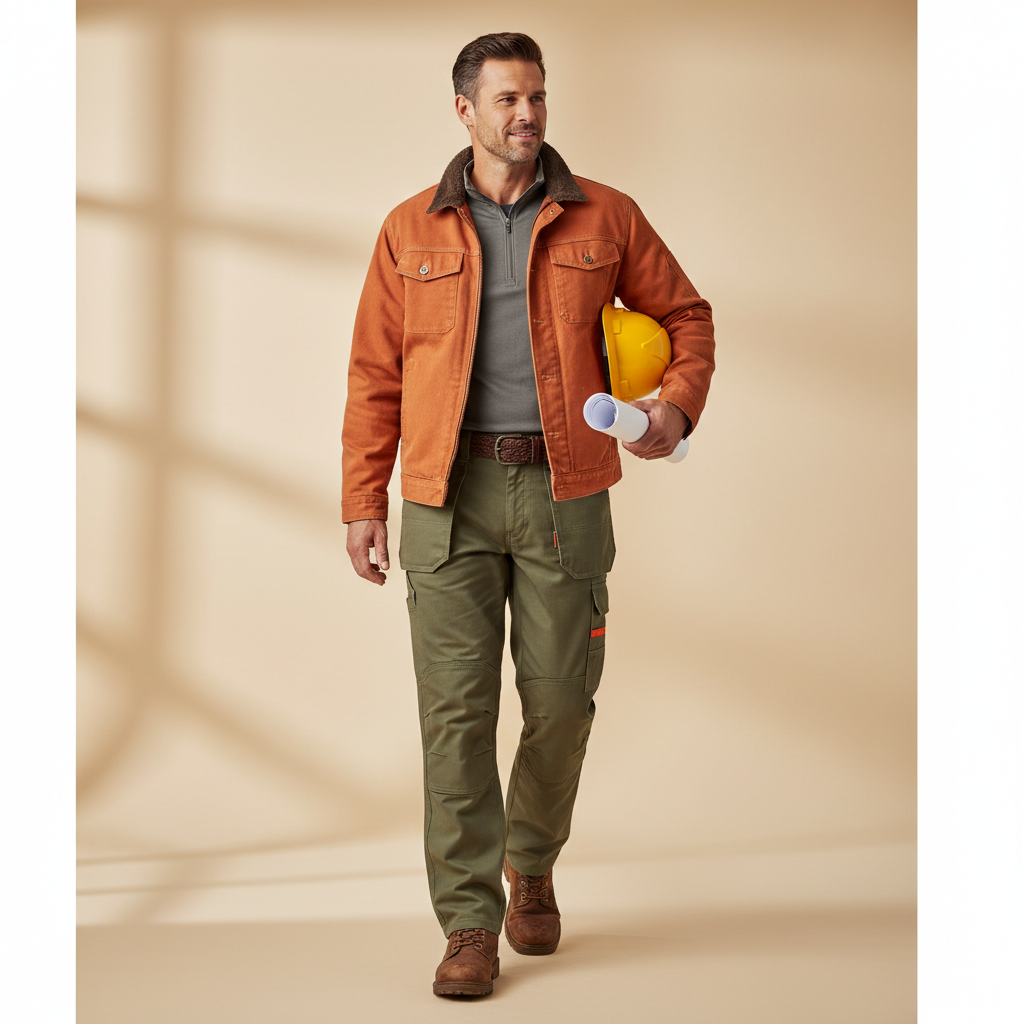
When it comes to high-visibility safety gear, orange overalls mens stand as a critical intersection of industrial safety and functional fashion. These garments are not merely clothing but essential personal protective equipment (PPE) designed to ensure that workers in hazardous environments remain visible to operators of heavy machinery and vehicles. By combining high-contrast colors with durable textile engineering, these overalls minimize the risk of onsite accidents globally.
The global demand for specialized workwear has surged as safety regulations become more stringent across the construction, maritime, and railway sectors. Industry standards, such as ISO 20471, emphasize the necessity of high-visibility clothing to prevent workplace fatalities. The adoption of orange overalls mens addresses the challenge of maintaining visibility in low-light conditions or complex industrial backgrounds where traditional colors would blend in.
Understanding the nuances of fabric composition, ergonomic design, and color fastness is vital for procurement managers and safety officers. Choosing the right pair of orange overalls mens can significantly improve worker morale by providing comfort and confidence, while simultaneously reducing the corporate liability associated with workplace injuries. This guide explores the comprehensive ecosystem of high-visibility workwear and its long-term value in modern industry.
The Industrial Significance of Orange Overalls Mens
The use of orange overalls mens is rooted in the psychological and physiological response to the color orange, which is one of the most visible colors in the spectrum, especially against blue or green backgrounds. In the context of global logistics and heavy manufacturing, this high visibility is the first line of defense against collisions. By ensuring that a worker is seen from a distance, these garments create a safety buffer that saves lives in high-traffic industrial zones.
Beyond mere visibility, the structural integrity of these overalls reflects the evolution of the textile industry. Modern orange overalls mens are engineered to resist abrasions, chemical spills, and extreme weather, making them indispensable for workers who operate in the harshest environments. The transition from simple cotton coveralls to advanced synthetic blends has allowed for better breathability and moisture-wicking, ensuring that safety does not come at the cost of comfort.
Core Components of High-Visibility Design
A primary component of effective orange overalls mens is the integration of retro-reflective tapes. These bands are strategically placed around the torso, arms, and legs to define the human silhouette, allowing operators to recognize the presence of a person even in near-total darkness. The synergy between the fluorescent orange fabric and the reflective silver tape ensures 360-degree visibility.
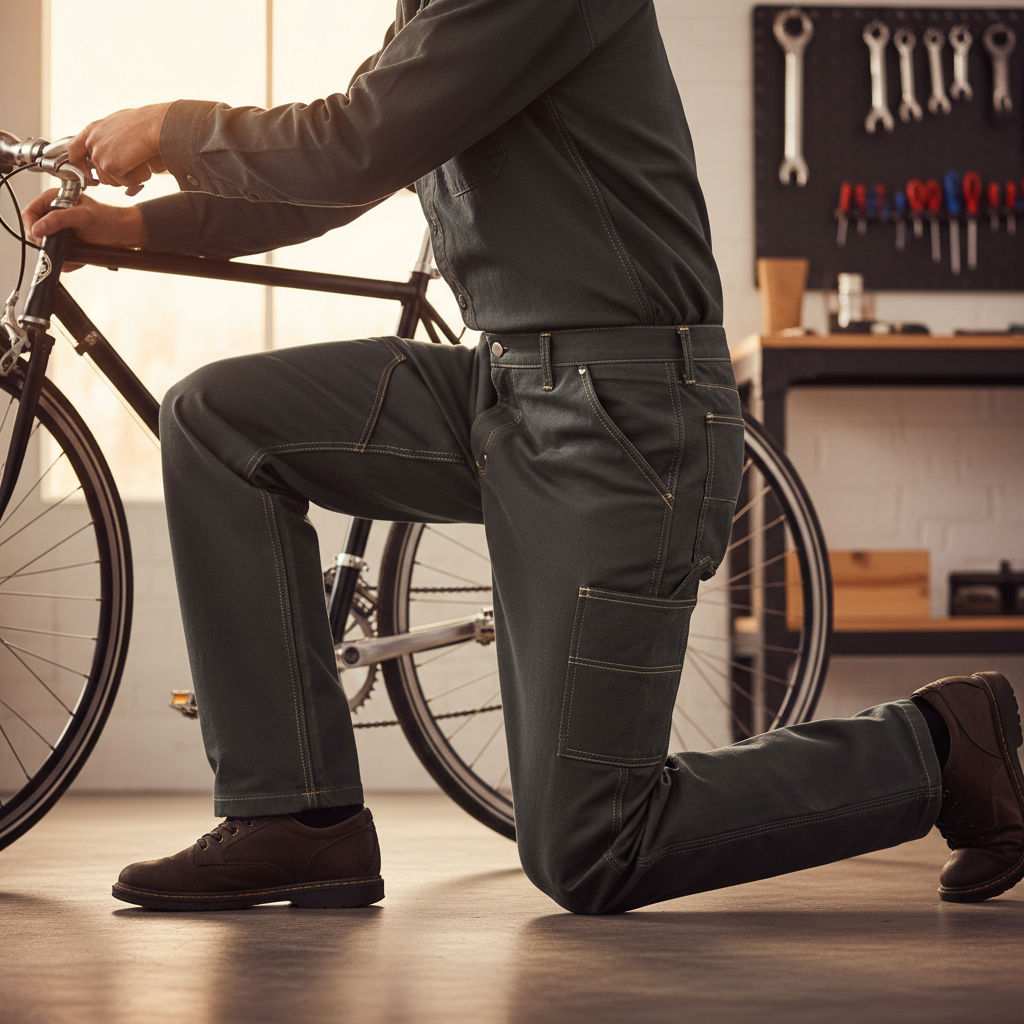
Ergonomics play a crucial role in the design of these garments. Professional-grade orange overalls mens feature reinforced stitching at high-stress points, such as the crotch and knees, and multiple utility pockets for tool storage. This functional approach reduces the need for workers to carry external bags, which can be a tripping hazard in cramped industrial spaces.
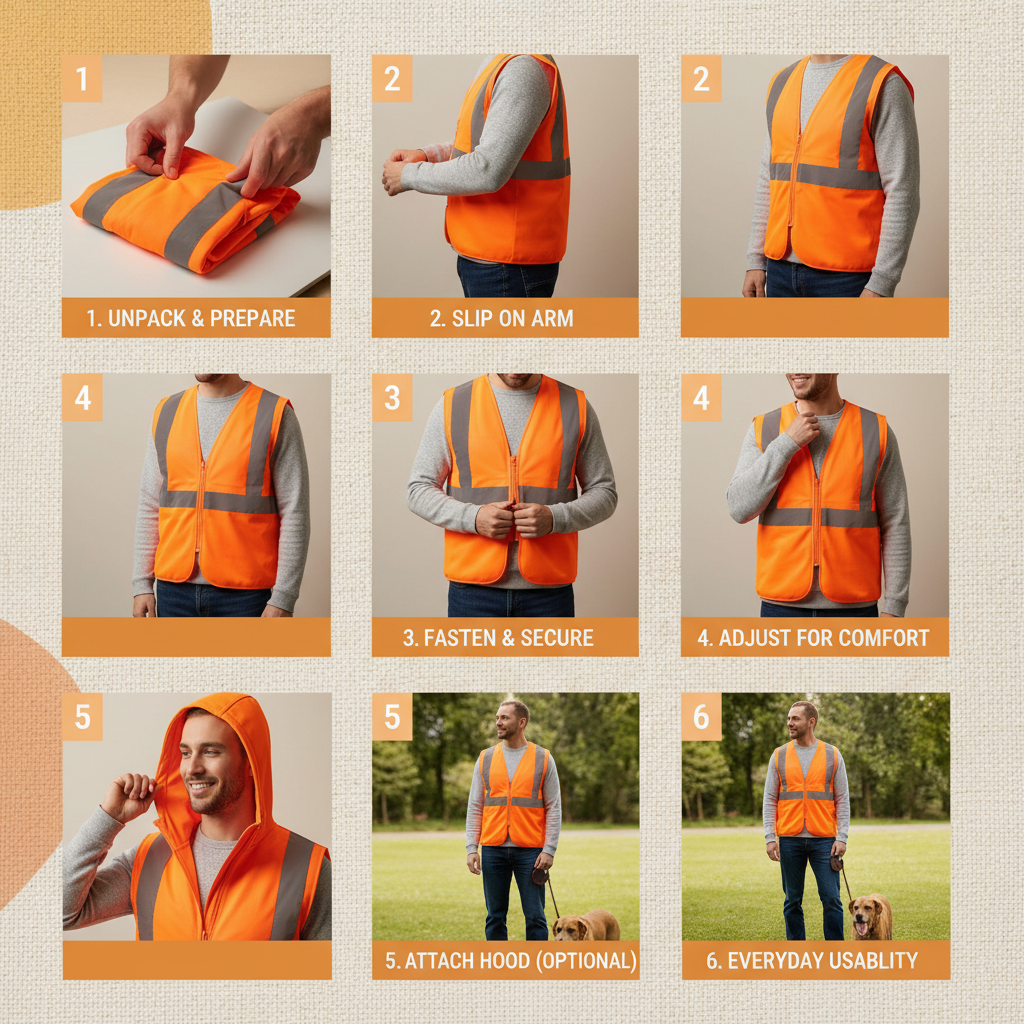
Furthermore, the closure systems—ranging from heavy-duty zippers to reinforced buttons—are designed for quick donning and doffing. In emergency situations, the ability to remove gear quickly or adjust it for temperature control is paramount. This attention to detail ensures that the overalls serve as a tool for productivity rather than a hindrance to movement.
Technical Material Specifications for Durability
The selection of fabric for orange overalls mens often involves a blend of polyester and cotton (PolyCotton). This combination leverages the strength and wrinkle-resistance of polyester with the comfort and breathability of cotton, ensuring that the garment can withstand repetitive industrial washing without losing its shape or color intensity.
Advanced coatings are often applied to orange overalls mens to provide specialized protection. For instance, oil-repellent or water-resistant finishes prevent hazardous liquids from soaking into the skin, while flame-retardant (FR) treatments are essential for electricians and welders to prevent catastrophic burn injuries during an arc flash.
Moreover, the GSM (Grams per Square Meter) of the fabric determines the weight and durability of the orange overalls mens. Heavy-duty versions with a higher GSM are ideal for winter use or high-abrasion environments, whereas lightweight versions are tailored for tropical climates to prevent heat stroke and worker fatigue.
Global Applications and Safety Use Cases
Across the globe, orange overalls mens are utilized in diverse sectors. In the North Sea oil rigs, they provide essential visibility against the grey mist and blue waters, often integrated with thermal insulation. Similarly, in the vast highway construction projects of North America and Europe, these overalls ensure that road crews are visible to speeding motorists, drastically reducing the rate of roadside casualties.
In disaster relief operations, such as those led by international NGOs in earthquake-stricken zones, orange overalls mens allow rescue teams to be easily identified by drones and helicopters. This coordinated visibility is key to efficient search-and-rescue logistics, where every second counts and clear identification of personnel prevents confusion in chaotic environments.
Performance Metrics of Orange Overalls Mens by Material
Long-Term Economic and Social Advantages
Investing in high-quality orange overalls mens provides significant economic benefits by reducing the frequency of garment replacement. While cheaper alternatives may fade or tear quickly, premium industrial-grade overalls maintain their high-visibility properties over hundreds of wash cycles, lowering the total cost of ownership for the enterprise.
Beyond the balance sheet, there is a profound social impact. Providing workers with professional, well-fitting orange overalls mens promotes a culture of safety and respect. When an organization prioritizes the protection of its workforce through quality gear, it builds trust and loyalty, which in turn increases productivity and reduces employee turnover in high-risk industries.
Future Innovations in Smart Workwear
The future of orange overalls mens lies in the integration of "Smart Textiles." We are seeing the emergence of garments embedded with IoT sensors that can monitor a worker's heart rate, body temperature, and posture in real-time. This allows supervisors to detect signs of heat exhaustion or fatigue before they lead to an accident, transforming the overalls from passive protection to active health monitoring.
Furthermore, sustainability is driving the development of recycled polymers for the fabrication of orange overalls mens. By utilizing ocean-bound plastics to create high-tenacity polyester yarns, manufacturers can reduce the carbon footprint of industrial workwear without compromising on the essential safety standards and visibility requirements.
We also anticipate the integration of active illumination, where LED strips are woven into the fabric of orange overalls mens. These lights could change color to signal different alert levels or communicate with automated machinery, creating a seamless interface between the human worker and the robotic environment of Industry 4.0.
Overcoming Challenges in Workwear Maintenance
One of the most persistent challenges with orange overalls mens is the degradation of visibility due to contamination. Oil, grease, and dust can coat the fluorescent fibers and reflective tapes, effectively "turning off" the safety features of the garment. Expert maintenance involves using pH-neutral detergents and avoiding bleach, which can break down the fluorescent pigments.
Another issue is the "fit-to-function" gap, where oversized overalls can become a hazard themselves by getting caught in moving parts. The solution is the implementation of customized sizing and adjustable waistbands in orange overalls mens, ensuring a snug yet comfortable fit that maintains full range of motion while minimizing loose fabric.
Lastly, the transition to eco-friendly laundering processes is a growing priority. By adopting ozone laundry systems, companies can clean orange overalls mens using less water and fewer harsh chemicals, prolonging the life of the fabric and the brilliance of the orange hue while meeting corporate ESG goals.
Comparison of Maintenance and Performance Factors for Orange Overalls Mens
| Fabric Type |
Visibility Longevity |
Cleaning Ease |
Average Lifespan |
| PolyCotton Standard |
High (50+ washes) |
Moderate |
12-18 Months |
| Heavy-Duty Canvas |
Very High |
Difficult |
24-36 Months |
| FR Specialized |
Moderate |
Specialized Care |
12-24 Months |
| Waterproof Nylon |
High |
Easy (Wipe) |
10-15 Months |
| Recycled Poly |
Moderate |
Easy |
12-18 Months |
| Lightweight Mesh |
Moderate |
Very Easy |
6-12 Months |
FAQS
For hot climates, a lightweight PolyCotton blend or a moisture-wicking synthetic fabric is recommended. These materials allow for better airflow and sweat evaporation, reducing the risk of heat stress while maintaining the high-visibility standards required for safety.
Replacement should occur when the fluorescent color fades significantly or when the reflective tapes crack and lose their luminosity. Depending on the environment, this usually happens every 12 to 24 months, but safety audits should be performed quarterly.
Yes, but it is crucial to use a mild, pH-neutral detergent and avoid chlorine bleach, as bleach can destroy the fluorescent pigments. Washing inside-out and using a cool temperature helps preserve the reflective strips and the orange hue.
Standard high-visibility overalls do not. To protect against electrical arcs, you must specifically purchase "FR" (Flame Retardant) rated orange overalls, which are treated with specialized chemicals to prevent the fabric from melting or igniting.
Fluorescent orange is designed to react with UV light to appear brighter than its actual color, making it highly visible during the day. Safety orange is a standardized hue that provides high contrast. Most high-quality orange overalls mens combine both for maximum effect.
Yes, the most common are ANSI/ISEA 107 (USA) and ISO 20471 (International). These certifications classify garments into different levels (Class 1, 2, or 3) based on the amount of fluorescent material and reflective tape used.
Conclusion
In summary, orange overalls mens are more than just industrial clothing; they are a sophisticated blend of textile science and safety engineering. From the critical role of retro-reflective tapes and fluorescent pigments to the integration of flame-retardant and water-resistant coatings, these garments provide a comprehensive safety shield for workers in the world's most dangerous environments. By prioritizing durability, ergonomic fit, and adherence to global standards like ISO 20471, organizations can significantly reduce workplace accidents and enhance operational efficiency.
Looking forward, the evolution of smart textiles and sustainable manufacturing will continue to redefine the potential of high-visibility workwear. As we move toward an era of integrated IoT and eco-conscious production, the importance of choosing a reliable manufacturing partner becomes paramount. We encourage safety officers and procurement managers to evaluate their current PPE strategy and invest in garments that offer both immediate protection and long-term value. For premium, industry-compliant solutions, visit our website: www.jidegarment.com