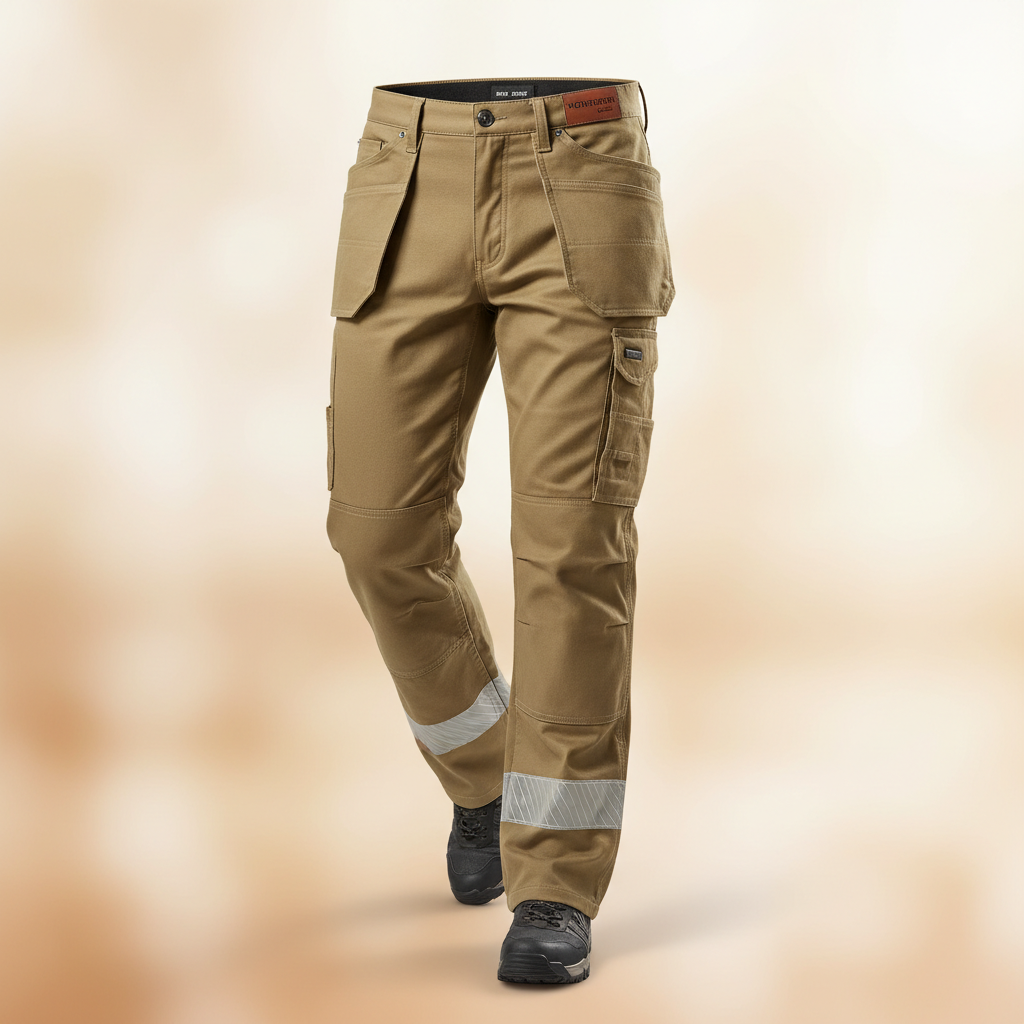
In the demanding landscape of industrial safety, visibility is not just a preference—it is a critical requirement for survival. High-visibility apparel, specifically orange safety trousers, serves as the first line of defense for workers operating in high-risk environments where blending into the background can lead to catastrophic accidents. By utilizing high-contrast colors and retroreflective materials, these garments ensure that personnel are seen from a distance, regardless of lighting conditions.
The global demand for specialized protective clothing has surged as infrastructure projects expand and safety regulations become more stringent. Whether it is road construction, railway maintenance, or emergency response, the integration of orange safety trousers into a standard uniform minimizes the risk of vehicle-related collisions and enhances the overall security of the worksite. This shift reflects a broader industry move toward "preventative visibility" as a core component of occupational health and safety.
Understanding the technical specifications, material composition, and compliance standards of these garments is essential for procurement managers and safety officers. From the choice of fluorescent dyes to the placement of reflective bands, every detail of orange safety trousers is engineered to meet ISO and ANSI standards, ensuring that workers remain protected while maintaining the mobility required for physically demanding tasks.
Global Relevance of Orange Safety Trousers
On a global scale, the implementation of orange safety trousers is driven by a universal need to reduce occupational fatalities. According to data aligned with ISO 20471 standards, high-visibility clothing significantly reduces the probability of accidents in low-light environments. In regions with heavy industrialization, such as East Asia and Europe, these garments are mandated by law for anyone working near moving traffic or heavy machinery.
The challenge lies in the variety of environments workers face—from torrential rain in tropical zones to freezing winds in arctic circles. This has pushed the manufacturing of orange safety trousers beyond simple color dyes toward multi-functional textiles that provide thermal insulation, water resistance, and high-contrast visibility simultaneously, ensuring that safety is never compromised by the weather.
Defining High-Visibility Protective Legwear
In simple terms, orange safety trousers are specialized work pants designed to make the wearer highly visible to others. Unlike standard workwear, these trousers utilize fluorescent orange fabrics that react with ultraviolet light to appear brighter than ordinary colors. This "glow" effect ensures that workers are seen during the day, while integrated retroreflective tapes bounce light back to the source (such as vehicle headlights) during the night.
Beyond mere visibility, these garments are an intersection of textile engineering and human safety. They are designed to withstand the rigors of manual labor, often incorporating reinforced knee pads and heavy-duty stitching. The choice of orange over yellow is often specific to certain industries—such as forestry or rail—where orange provides a better contrast against green foliage or urban grey backgrounds.
In the context of modern humanitarian and industrial needs, the deployment of orange safety trousers is a commitment to the dignity and protection of the worker. By standardizing this equipment, organizations can implement faster emergency evacuations and more efficient site management, knowing that every team member is instantly identifiable in a chaotic environment.
Core Technical Components of Safety Apparel
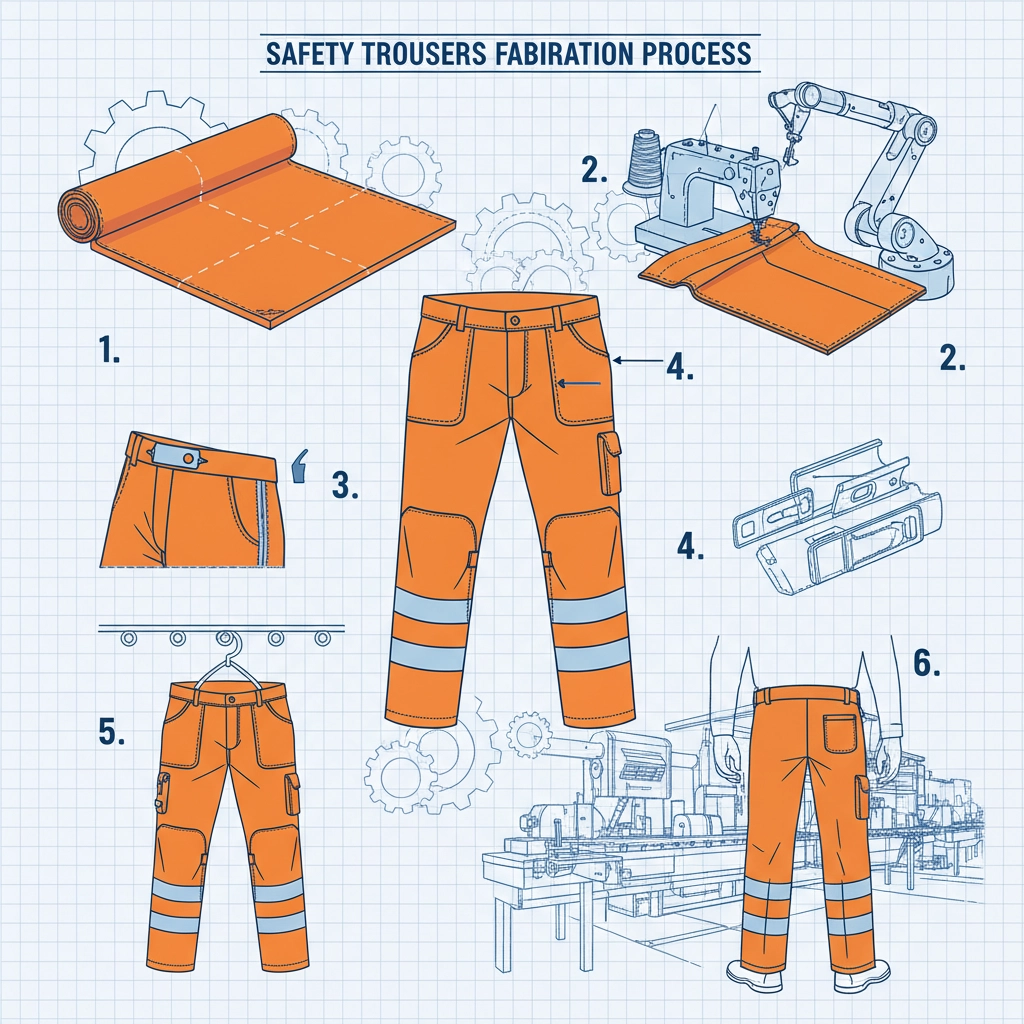
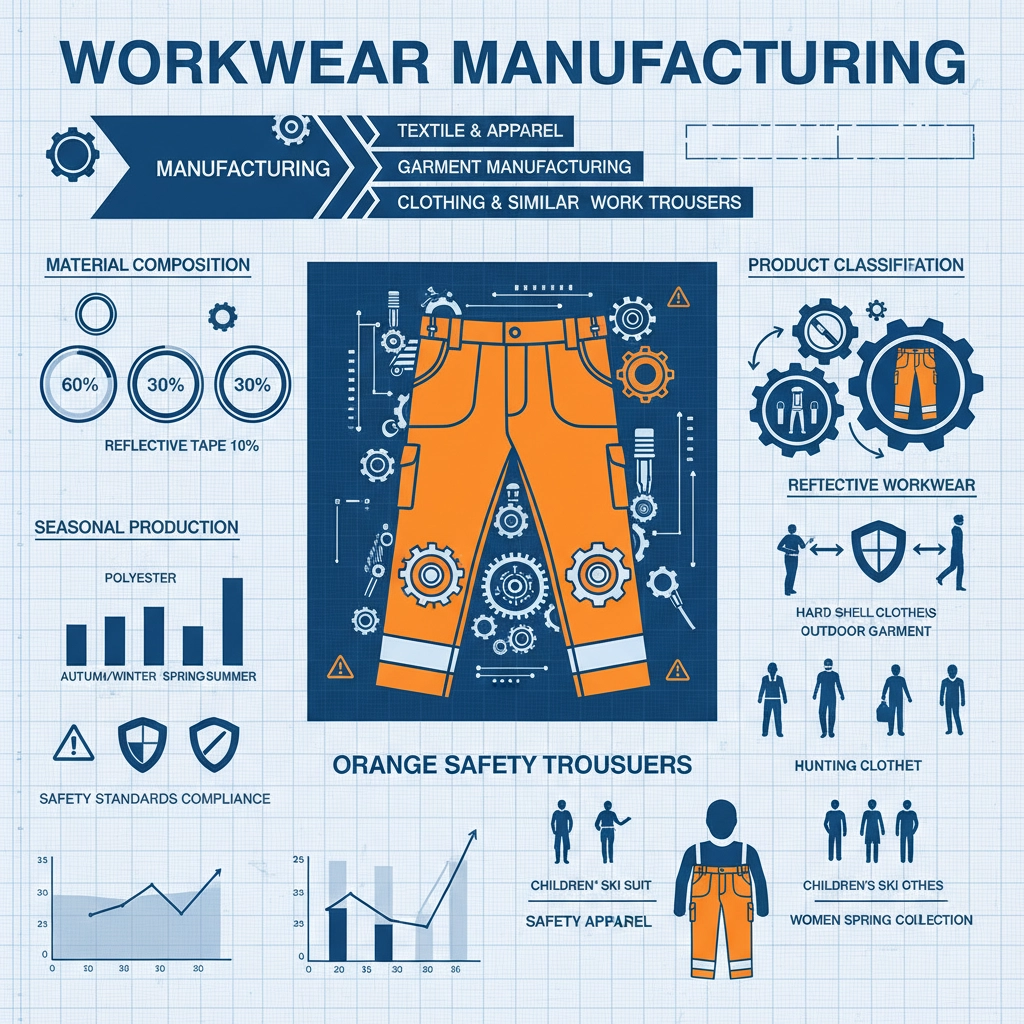
The effectiveness of orange safety trousers relies heavily on material durability. Most professional-grade trousers are crafted from high-density polyester or poly-cotton blends that resist tearing and abrasion. This ensures that the garment does not fail during critical movements, providing a reliable shield against the environment while maintaining its structural integrity.
Color fastness is another critical factor for orange safety trousers. Because these garments are exposed to harsh sunlight and industrial chemicals, the fluorescent dyes must be stabilized to prevent fading. A loss in color intensity directly correlates to a loss in safety, which is why high-quality manufacturing processes are employed to ensure the orange hue remains vibrant over hundreds of wash cycles.
Lastly, the integration of reflective technology is what defines these trousers. Specialized glass-bead or micro-prismatic tapes are strategically placed around the lower legs to signal human movement to drivers. This combination of fluorescent background and reflective accents makes orange safety trousers an indispensable tool for any high-risk operational strategy.
Practical Applications Across Industries
The versatility of orange safety trousers allows them to be deployed across a vast array of sectors. In road construction, they are the primary defense against high-speed traffic, allowing drivers to spot workers from hundreds of meters away. Similarly, in airport tarmac operations, the high-contrast orange ensures that ground crews are visible to pilots and vehicle operators amidst the grey asphalt and white markings.
In remote industrial zones, such as offshore oil rigs or mining sites, these trousers serve a dual purpose: safety and identification. During emergency drills or actual disaster relief operations, the ability to quickly account for all personnel is streamlined when everyone is wearing standardized orange safety trousers, significantly reducing search-and-rescue times.
Performance Metrics of Various Orange Safety Trousers Models
Long-Term Value and Safety Advantages
Investing in high-quality orange safety trousers provides tangible long-term value by reducing insurance premiums and workplace liability. When a company can prove a rigorous adherence to visibility standards, it not only protects its employees but also safeguards its financial standing by minimizing accident-related downtime and legal disputes.
Beyond the logic of cost, there is an emotional angle of trust and dignity. When workers are provided with professional, well-fitting orange safety trousers, they feel valued by their employer. This psychological sense of security fosters a culture of safety, where employees are more likely to follow other safety protocols, knowing that their well-being is a top priority for the organization.
Future Innovations in Visibility Fabrics
The future of orange safety trousers is moving toward "smart textiles." Researchers are currently integrating LED fibers and conductive threads directly into the fabric, allowing the trousers to flash or change intensity based on the proximity of nearby vehicles. This digital transformation shifts visibility from a passive state to an active warning system.
Sustainability is also taking center stage. The next generation of orange safety trousers will likely be made from recycled ocean plastics or bio-based polymers that maintain high fluorescent properties without the use of toxic dyes. This alignment with green energy and circular economy principles ensures that safety does not come at the cost of the planet.
Furthermore, automation in manufacturing is allowing for "mass customization." Using 3D body scanning, orange safety trousers can now be tailored to the individual worker's morphology, eliminating the restrictive fit that often leads workers to remove their safety gear in hot weather, thereby ensuring 100% compliance.
Overcoming Common Durability Challenges
One of the most significant challenges with orange safety trousers is the degradation of reflective strips due to industrial washing. Over time, the micro-prisms can crack or peel, reducing the garment's effectiveness at night. The solution lies in the adoption of heat-bonded reflective technology, which fuses the tape to the fabric at a molecular level, significantly extending the lifespan of the gear.
Another limitation is the trade-off between visibility and breathability. Heavy fabrics protect better but can cause heat stress. To overcome this, manufacturers are introducing hybrid designs—incorporating mesh panels in non-critical areas while maintaining the required surface area of fluorescent orange fabric to meet safety certifications.
Finally, contamination from oils and grease can mask the visibility of orange safety trousers. The implementation of oleophobic (oil-repellent) coatings allows spills to bead off the surface, ensuring that the trousers remain bright and visible even in the grittiest mechanical environments.
Comparative Analysis of Orange Safety Trousers Specifications
| Material Type |
Visibility Level |
Durability Score |
Primary Use Case |
| Heavy-Duty Polyester |
Excellent |
9/10 |
Road Construction |
| Poly-Cotton Blend |
Very High |
7/10 |
Warehouse Logistics |
| Ripstop Nylon |
High |
8/10 |
Outdoor Forestry |
| Flame-Resistant Fabric |
High |
9/10 |
Oil & Gas Rigs |
| Waterproof Laminated |
Excellent |
6/10 |
Rainy Day Maintenance |
| Lightweight Mesh |
Medium |
5/10 |
Summer Site Work |
FAQS
The primary difference is the contrast against the environment. Orange is typically preferred in forestry or rail environments where it contrasts better against green foliage or grey infrastructure. Yellow-green is often used in urban roadwork. Both meet high-visibility standards, but the choice depends on the specific background colors of the work site to ensure maximum visibility.
Replacement frequency depends on the wear level, but generally, they should be replaced when the fluorescent color has faded by more than 20% or when the reflective tapes show visible cracking or peeling. For high-use industrial settings, a quarterly inspection is recommended to ensure the gear still meets ISO 20471 safety requirements.
Yes, but with caution. To maintain the fluorescent properties and the integrity of the reflective tapes, use a mild detergent and avoid bleach. Cold water washes are recommended, and you should avoid high-heat drying, as excessive heat can melt the micro-prisms in the reflective bands, reducing their night-time effectiveness.
Not all of them. Some are made from breathable poly-cotton for comfort, while others feature a waterproof laminate or DWR (Durable Water Repellent) coating for wet conditions. If you are working in rain, ensure you specify "waterproof" or "water-resistant" versions of the trousers to keep the wearer dry and warm.
Look for certifications such as ISO 20471 (the international standard for high-visibility clothing) and ANSI/ISEA 107 (the American standard). These certifications guarantee that the garment has a minimum amount of fluorescent material and reflective tape positioned correctly to provide the necessary visibility levels.
Depending on the model, they can. Many professional versions include reinforced knee pads for impact protection, flame-retardant treatments for electrical work, or heavy-duty ripstop fabric to prevent cuts and scrapes. Always check the technical data sheet to see if the trousers offer additive protections like arc-flash or water resistance.
Conclusion
In summary, orange safety trousers are far more than simple clothing; they are a sophisticated piece of safety equipment engineered to save lives. By combining high-visibility fluorescent dyes with advanced retroreflective technology and durable industrial fabrics, these garments address the critical need for worker visibility in hazardous environments. From reducing accidents on the highway to facilitating rescue operations in remote zones, the technical precision of these trousers ensures a safer, more efficient workplace for millions of laborers globally.
Looking forward, the evolution of safety wear will continue to merge sustainability with smart technology, ensuring that visibility is both proactive and eco-friendly. For companies looking to upgrade their safety protocols, investing in certified, high-quality protective gear is the most effective way to protect their most valuable asset—their people. To explore our professional range of high-visibility apparel, visit our website: www.jidegarment.com.