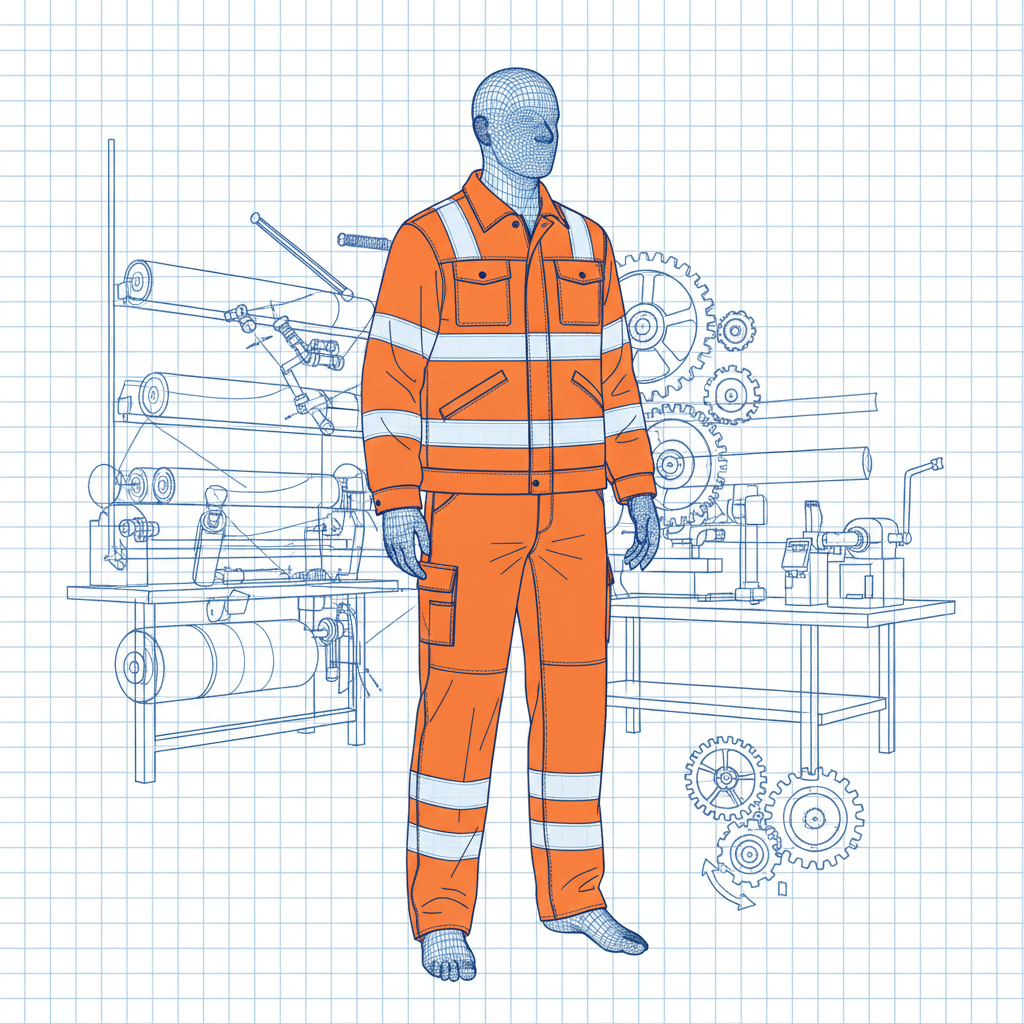
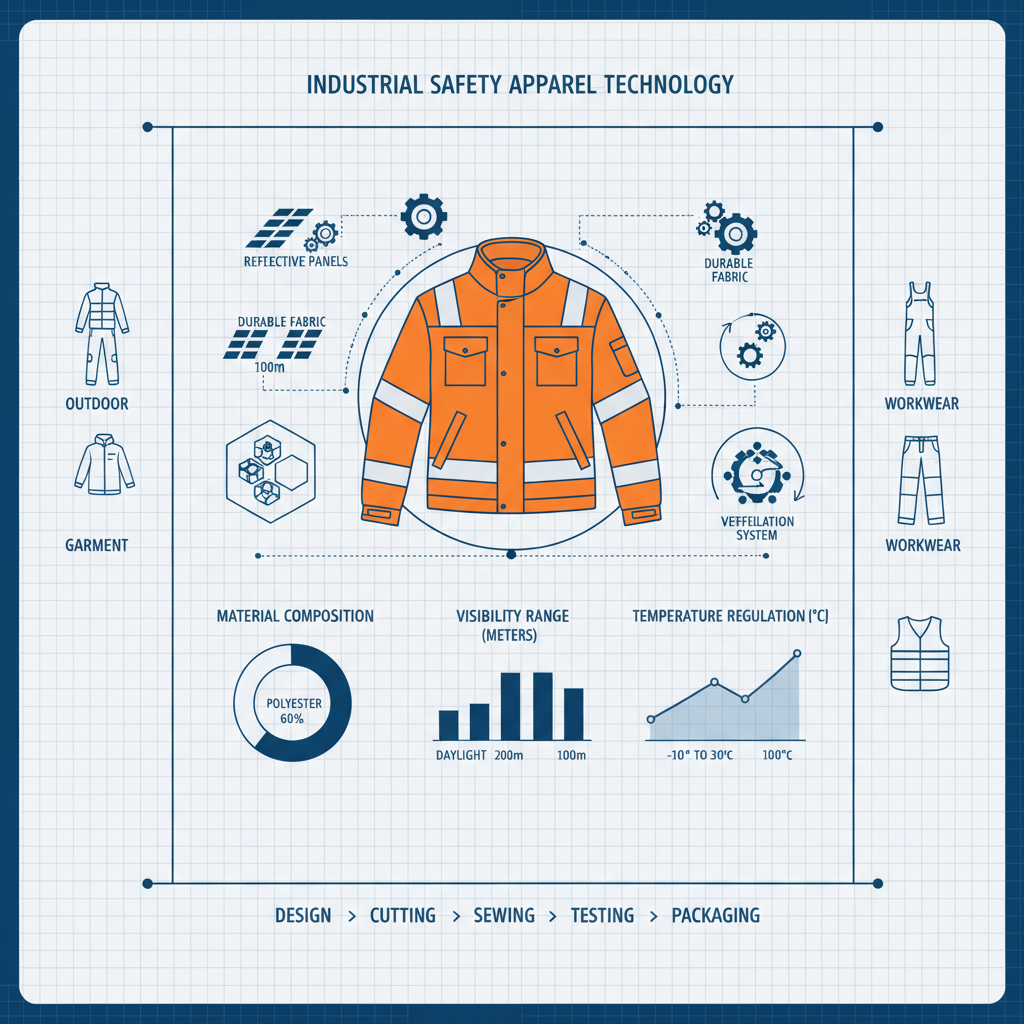
In the high-stakes environment of industrial labor, visibility is not merely a preference but a critical safety requirement. orange hi vis clothing serves as the primary defense mechanism against workplace accidents, utilizing fluorescent pigments and retroreflective materials to ensure workers are seen in low-light or complex backgrounds. By maximizing contrast against common industrial environments, this specialized apparel reduces the risk of collisions and fatalities.
The global demand for high-visibility gear has surged as infrastructure projects expand and safety regulations become more stringent. From roadside maintenance and construction sites to emergency response and aviation ground handling, the adoption of high-standard safety wear is now a baseline requirement for corporate liability and employee welfare. Understanding the technical nuances of these garments helps organizations move beyond basic compliance toward a culture of proactive safety.
Investing in high-quality orange hi vis clothing offers a dual benefit: it protects the individual worker while safeguarding the operational continuity of the company. When visibility is guaranteed, efficiency increases because workers can move with confidence and supervisors can maintain better oversight of personnel in hazardous zones.
The Global Importance of Orange Hi Vis Clothing
On a global scale, the implementation of orange hi vis clothing is guided by international safety frameworks, such as ISO 20471. These standards ensure that the fluorescent orange color is calibrated to be highly visible against blue skies or green forests, which are common backgrounds in forestry and railway work. Statistically, the use of standardized high-visibility gear has contributed to a significant reduction in "struck-by" accidents in the construction sector worldwide.
The challenge often lies in the balance between visibility and comfort. In tropical regions, the breathability of the fabric is as crucial as the brightness of the orange hue, whereas in Arctic environments, thermal insulation must be integrated without compromising the reflective properties. This global diversity in climate necessitates a versatile approach to manufacturing safety garments.
Technical Definitions and Safety Standards
orange hi vis clothing is defined as personal protective equipment (PPE) designed to make the wearer highly visible in various lighting conditions. The "orange" specifically refers to fluorescent orange-red, a color that stimulates the human eye's sensitivity, making it easier to spot from a distance during daylight hours. This is fundamentally different from standard orange fabric, as fluorescent materials convert invisible UV light into visible light.
Beyond the color, the technical meaning of "hi vis" involves the integration of retroreflective tapes. These tapes reflect light back to the source (such as vehicle headlights), creating a luminous effect that alerts drivers to a human presence. The synergy between the fluorescent background and the reflective strips ensures 24-hour protection, addressing the critical problem of low-visibility night shifts.
In modern industry, these garments are categorized into different "classes" based on the area of material used. Class 1 provides the minimum requirement for low-risk areas, while Class 3 is mandatory for high-speed roadwork where maximum visibility is required. This classification system ensures that humanitarian aid workers and industrial laborers are equipped with the specific level of protection required for their unique environmental risks.
Core Components for Maximum Visibility
The first core component of effective orange hi vis clothing is fabric durability. Since these garments are used in abrasive environments, the use of high-denier polyester or reinforced blends is essential to prevent tearing. A garment that is ripped or heavily soiled loses its protective integrity and must be replaced to maintain safety standards.
Another critical factor is the quality of the retroreflective tape. Not all reflective strips are equal; premium-grade glass bead or micro-prismatic technology is used in professional orange hi vis clothing to ensure the reflection remains bright even after multiple industrial wash cycles. This prevents the gradual "fade" that can lead to dangerous visibility gaps.
Finally, ergonomic scalability plays a vital role. Safety clothing must fit well to avoid snagging on machinery while allowing for layering during winter. The integration of adjustable cuffs, breathable mesh panels, and reinforced stitching ensures that the worker remains comfortable, which in turn prevents them from removing the gear—a common safety breach in hot weather.
Performance Comparison of Visibility Materials
When selecting the right orange hi vis clothing, it is essential to compare the performance of different textile technologies. For instance, lightweight polyester is ideal for summer t-shirts, while heavy-duty oxford fabrics are preferred for jackets and trousers. Each material interacts differently with fluorescent dyes and reflective adhesives.
The following data represents a comparative analysis of various material applications in safety gear, focusing on their ability to maintain visibility and structural integrity under stress.
Performance Metrics for Orange Hi Vis Clothing Materials
Real-World Industrial Applications
The application of orange hi vis clothing varies significantly across different sectors. In the oil and gas industry, for example, these garments are often combined with flame-resistant (FR) properties to provide a dual layer of protection. Similarly, airport ground crews utilize high-visibility orange to ensure they are seen by pilots and vehicle operators on the tarmac, where the risk of catastrophic accidents is high.
In post-disaster relief operations, search and rescue teams rely on this clothing to be easily identifiable by aerial drones and helicopters. Whether it is an earthquake zone or a flooded urban area, the high-contrast orange allows coordination teams to spot personnel amidst ruins and debris, facilitating faster evacuations and more efficient resource deployment.
Long-Term Value and Sustainability
The long-term value of investing in premium orange hi vis clothing extends beyond immediate safety. High-quality garments have a longer lifecycle, meaning fewer replacements and a lower total cost of ownership for the employer. When a jacket maintains its fluorescence for 50 washes instead of 20, the cost per wear drops significantly.
From a social impact perspective, providing top-tier safety gear demonstrates a company's commitment to its workforce's dignity and health. This fosters trust and loyalty among employees, who feel valued and protected. This emotional security translates into higher productivity and lower turnover rates in high-stress industrial roles.
Sustainability is also becoming a priority. The industry is moving toward recycled polyester (rPET) for high-visibility gear, reducing the reliance on virgin plastics without sacrificing the luminosity of the orange hue. This transition ensures that safety does not come at the expense of the environment.
Future Trends in Safety Apparel
The future of orange hi vis clothing is being shaped by the integration of "smart" textiles. We are seeing the emergence of garments with embedded LED strips and IoT sensors that can transmit a worker's location or health vitals to a central command center. This digital transformation turns a passive piece of clothing into an active safety device.
Another trend is the development of "adaptive visibility" fabrics that can change their reflective properties based on the ambient light levels. Furthermore, the use of nano-coatings is reducing the accumulation of dirt and oil on the fabric, ensuring that the fluorescent orange remains bright for much longer, thereby extending the garment's functional life.
As automation and robotics enter the workplace, the interaction between humans and machines will require new visibility standards. We expect to see orange hi vis clothing integrated with RFID tags that allow automated vehicles to detect and stop for human workers instantly, creating a seamless safety ecosystem.
Comparative Analysis of Modern Hi-Vis Technology Trends
| Technology Type |
Primary Benefit |
Implementation Cost |
Safety Impact Score |
| Traditional Fluorescent |
Low cost, high daylight vis |
Low |
7/10 |
| Micro-Prismatic Tape |
Superior night reflection |
Medium |
9/10 |
| Smart LED Integration |
Active signaling/Alerts |
High |
10/10 |
| rPET Recycled Fabrics |
Eco-friendly production |
Medium |
7/10 |
| Nano-Self Cleaning |
Maintains color longer |
Medium |
8/10 |
| RFID Worker Tracking |
Automated proximity alerts |
High |
10/10 |
FAQS
Fluorescent orange is designed to convert ultraviolet (UV) light into visible light, making it appear significantly brighter and more "glowing" than standard orange, especially in overcast conditions. This is critical for orange hi vis clothing because it ensures the wearer is visible even when lighting is poor, whereas standard orange simply reflects available light without enhancing it.
Replacement frequency depends on the environment, but generally, garments should be replaced when the fluorescent color has faded or the reflective tapes have cracked or peeled. Most safety experts recommend a professional inspection every six months. If the garment is heavily soiled with oil or grease that cannot be washed off, its visibility rating drops, and it must be replaced immediately to comply with safety standards.
Yes, but you must follow specific care instructions to preserve the reflective coating. Use mild detergents and avoid bleach, as bleach can destroy the fluorescent pigments. It is also recommended to avoid high-heat drying, which can cause the reflective tape to shrink or peel. Washing inside-out is often suggested to protect the outer reflective surfaces from abrasion during the cycle.
Not necessarily; it depends on the background. Yellow-green is often superior in urban environments or against dark asphalt. However, orange hi vis clothing is significantly more effective in natural environments, such as forests, parks, or construction sites with green vegetation, as orange provides a stronger contrast against greenery.
Class 1 is for low-traffic areas with speeds under 25mph. Class 2 is for workers near traffic moving up to 50mph, requiring more reflective material. Class 3 provides the highest visibility, intended for high-speed environments or extremely low-light conditions, often consisting of a combination of a high-vis shirt and trousers or a full-length jacket to ensure the human silhouette is recognizable.
Yes, many manufacturers are now producing orange hi vis clothing using recycled polyester (rPET) made from plastic bottles. These sustainable fabrics maintain the same safety ratings and durability as virgin polyester while significantly reducing the carbon footprint of the manufacturing process.
Conclusion
In summary, orange hi vis clothing is an indispensable component of industrial safety, blending chemical fluorescence and optical physics to protect workers in hazardous zones. From the selection of high-durability fabrics to the adherence to ISO standards, every detail of these garments is engineered to prevent accidents and save lives. By integrating advanced materials and ergonomic designs, companies can ensure their workforce remains visible and safe regardless of the environmental challenges.
Looking ahead, the convergence of safety apparel with smart technology and sustainable manufacturing will redefine the industry. We encourage safety officers and procurement managers to move beyond "minimum compliance" and invest in high-performance gear that offers long-term durability and integrated safety features. Prioritizing visibility is not just a legal obligation—it is a commitment to the human life at the heart of every project. Visit our website: www.jidegarment.com