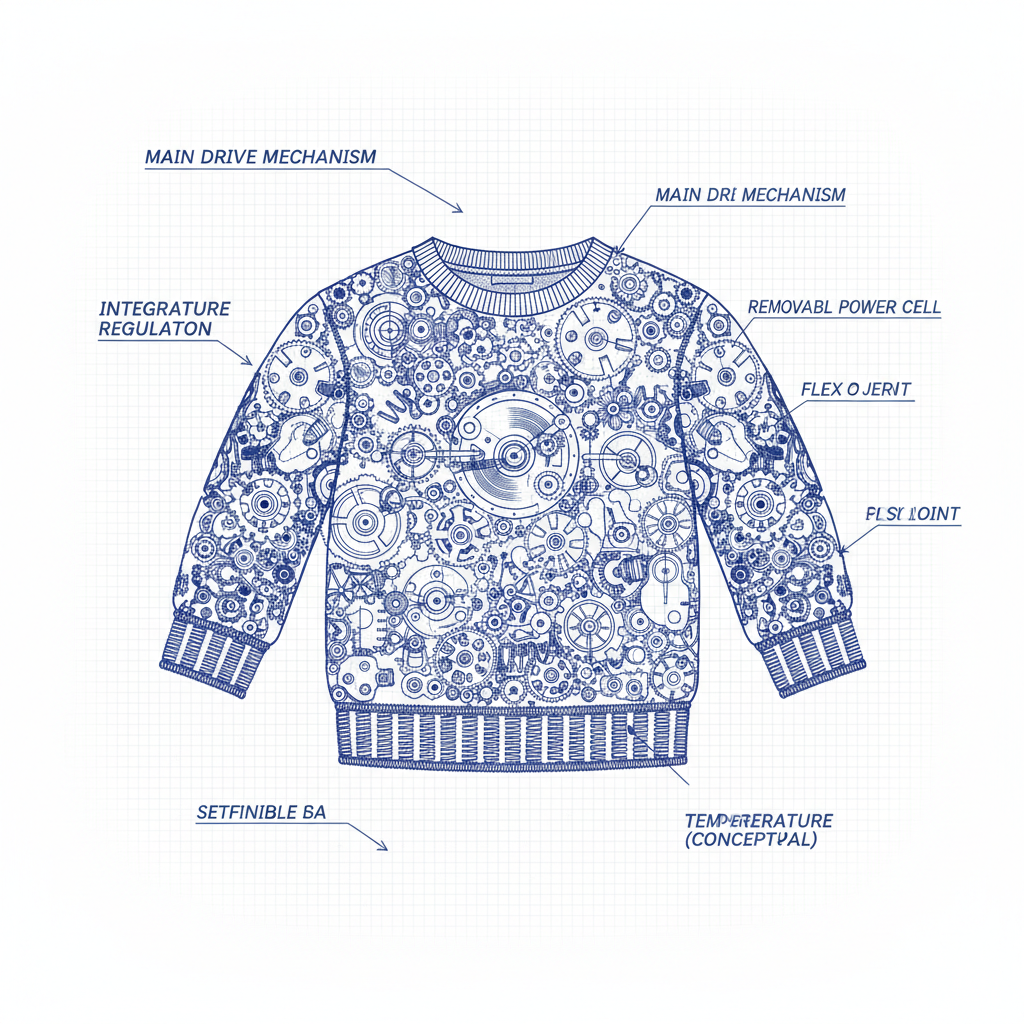
The world of baby fashion is a constantly evolving landscape, with comfort, safety, and style paramount. A baby sweater isn’t merely a garment; it’s a crucial layer of protection against the elements, a statement of care, and often, a cherished keepsake. Globally, the demand for high-quality, ethically produced baby clothing is consistently high, driven by increasing parental awareness and a desire for the best for their children. The quality and design of a baby sweater contribute significantly to a parent's peace of mind and a child’s well-being.
The global baby clothing market, including the segment for baby sweaters, is substantial and growing. According to Statista, the baby clothing market was valued at approximately $67.8 billion in 2023 and is projected to reach $83.7 billion by 2028. This growth is fuelled by rising birth rates in developing countries, increasing disposable incomes, and the growing influence of social media and fashion trends. However, this demand presents challenges regarding sustainable production, fair labor practices, and material sourcing.
Understanding the nuances of baby sweater construction, materials, and ethical considerations is vital for both manufacturers and consumers. A well-made baby sweater contributes to the overall health and comfort of infants, while responsible production practices benefit the environment and the workers involved. Recognizing the importance of these factors allows for informed choices and a more sustainable future for the baby clothing industry.
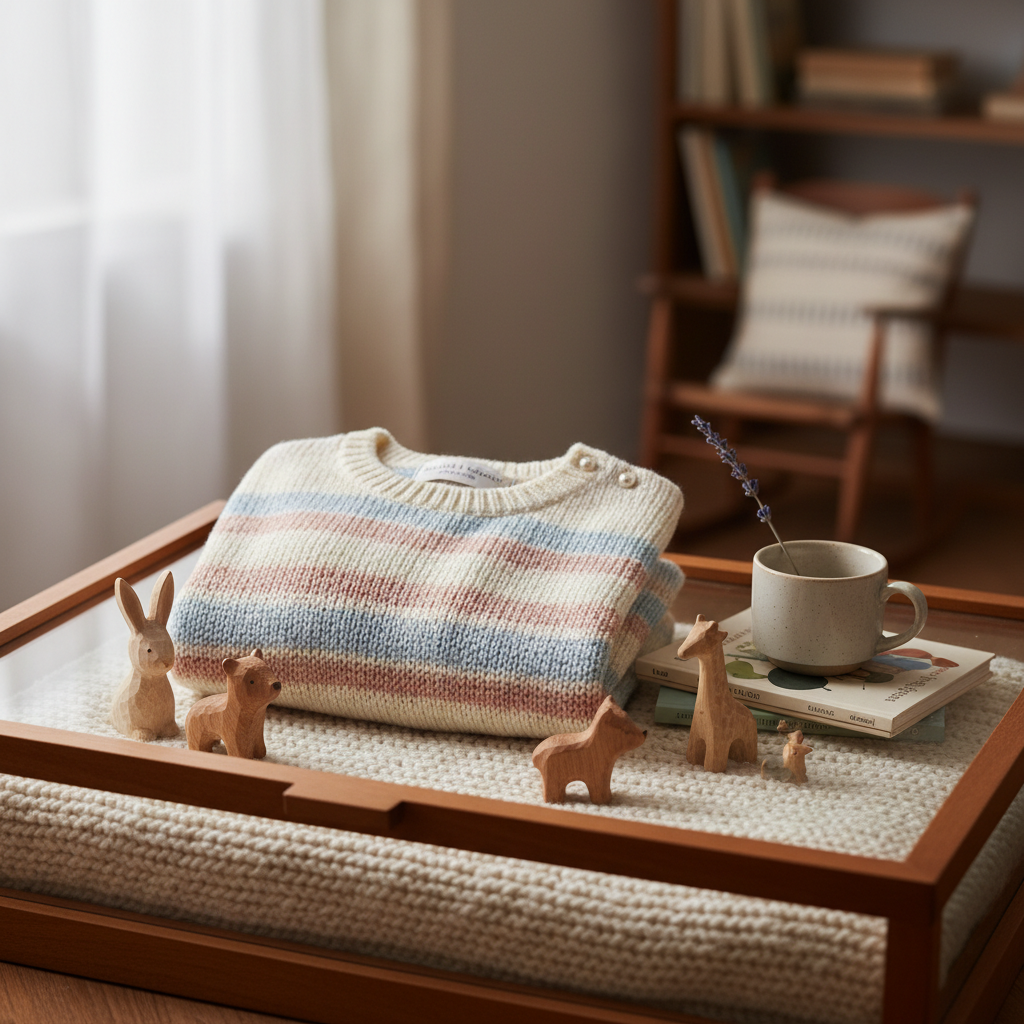
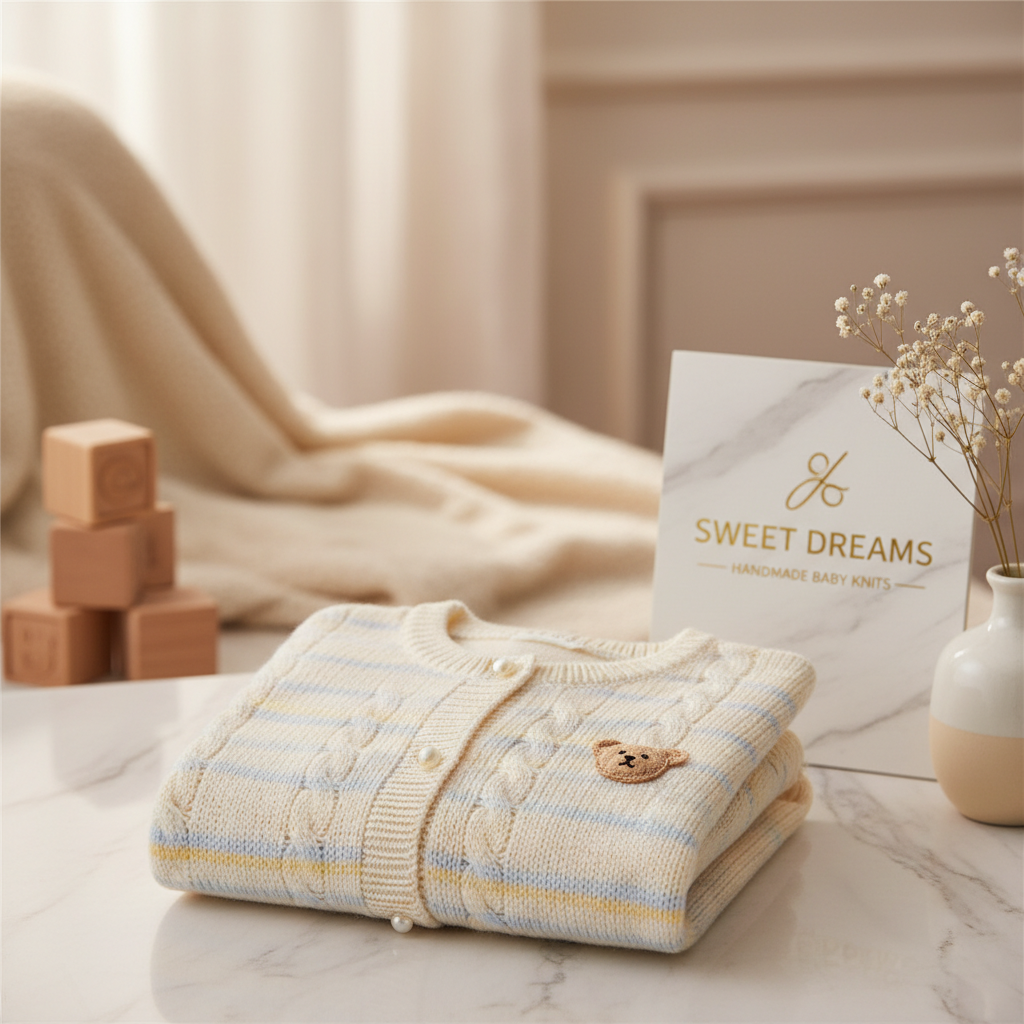
The design of a baby sweater is far more than aesthetics; it directly impacts a baby’s comfort and safety. Considerations like neckline width, seam placement, and the use of hypoallergenic materials are crucial. A well-designed sweater allows for ease of movement, preventing restriction and potential irritation.
Furthermore, thoughtful design incorporates practical features like easy closures (buttons, zippers, or snaps) for quick and effortless dressing. The longevity of the sweater is also considered – designs that accommodate growth spurts or can be layered effectively ensure a longer period of use, making it a worthwhile investment for parents.
For a baby's sensitive skin, the best materials are natural, soft, and breathable. Organic cotton is an excellent choice, as it's grown without pesticides or harsh chemicals. Merino wool is another fantastic option, being naturally hypoallergenic and temperature-regulating. Bamboo is also a good choice due to its softness and moisture-wicking properties. Avoid synthetic fabrics like polyester, which can irritate the skin and trap heat. Always check labels for certifications like GOTS (Global Organic Textile Standard) to ensure the material meets strict standards.
You should wash a baby sweater after every few wears, or immediately if it becomes soiled. Always check the care label for specific instructions, but generally, hand washing or using a gentle cycle in the washing machine with a mild, fragrance-free detergent is best. Avoid harsh detergents, bleach, and fabric softeners. Lay the sweater flat to dry, as tumble drying can shrink or damage the fibers. Turning the sweater inside out before washing helps protect the color and texture.
Yes, several safety considerations are important. Avoid sweaters with long strings, ribbons, or embellishments that a baby could pull off and choke on. Ensure any buttons or closures are securely attached. Choose flame-retardant materials, but be aware that some flame retardants can be harmful, so prioritize natural fibers. Regularly inspect the sweater for any loose seams or potential hazards before each wear. A snug fit is also vital to prevent the baby from slipping inside the sweater.
Choosing an organic cotton baby sweater offers several benefits. Organic cotton is grown without harmful pesticides, herbicides, or synthetic fertilizers, reducing exposure to toxic chemicals for your baby and protecting the environment. It's also gentler on sensitive skin, minimizing the risk of irritation and allergies. Furthermore, organic farming practices promote soil health and biodiversity, contributing to a more sustainable future.
Determining if a baby sweater is ethically made involves looking for certifications and transparency from the brand. Look for certifications like Fair Trade, which ensures fair wages and safe working conditions for garment workers. Check if the brand provides information about its supply chain and manufacturing processes. Research the brand's commitment to sustainability and social responsibility on their website. Supporting brands that prioritize ethical production helps promote fair labor practices and environmental stewardship.
To prevent damage, store baby sweaters folded flat in a drawer or storage container. Avoid hanging them, as this can stretch the fibers. Protect them from moths by storing them in an airtight container with cedar balls or lavender sachets. Ensure the storage area is cool, dry, and well-ventilated. Regularly check the sweaters for signs of damage or moth activity and address any issues promptly. Using garment bags can also help protect them from dust and dirt.
In conclusion, the baby sweater is more than just a simple garment; it represents comfort, safety, and a parent’s care. The factors discussed – from material selection and design to ethical production and future trends – all contribute to the overall quality and value of this essential item. Prioritizing sustainable materials, responsible manufacturing practices, and thoughtful design benefits not only the baby wearing the sweater but also the environment and the workers involved in its creation.
Looking ahead, the continued innovation in materials and production techniques promises even more comfortable, safe, and sustainable options for parents. Supporting brands committed to ethical and environmental responsibility is crucial for driving positive change in the industry. By making informed choices, we can ensure that future generations of babies enjoy the warmth and comfort of a well-made, ethically sourced sweater. Visit our website: www.jidegarment.com