Infant sweaters are a fundamental garment for babies and toddlers, providing warmth and comfort during cooler months. Their importance extends beyond mere temperature regulation; they represent a parent's care and a child’s early sense of security. The global market for baby apparel, including infant sweaters, is substantial and continually growing, driven by increasing birth rates in certain regions and a rising focus on children's fashion and comfort. Understanding the intricacies of infant sweater design, materials, and production is crucial for both manufacturers and consumers alike.
The demand for high-quality, safe, and stylish infant sweaters is increasing worldwide. This is fueled by a growing awareness of the potential health risks associated with poorly made clothing, such as allergies and skin irritations. Furthermore, the rise of e-commerce has made infant sweaters readily accessible to a wider audience, intensifying competition and driving innovation in the sector. The manufacturing of these garments supports a complex global supply chain, impacting economies and employment opportunities across several countries.
Selecting the right infant sweater involves considerations beyond aesthetics, encompassing factors like fabric composition, ease of care, and safety features. Modern parents are increasingly seeking sustainable and ethically sourced options, impacting material choices and manufacturing processes. This creates both challenges and opportunities for businesses operating within the infant sweater market. For example, seeking a infant sweater that prioritizes organic materials and ethical production.
The Significance of Infant Sweaters
Infant sweaters aren’t simply clothing; they are a vital component of a baby’s overall well-being. Protecting a newborn’s delicate system from fluctuating temperatures is critical, and an infant sweater provides essential thermal regulation. The appropriate choice of material and construction can prevent overheating or chilling, contributing to the infant’s comfort and health. A well-chosen infant sweater can significantly reduce the risk of illness.
Beyond physiological needs, an infant sweater also plays a role in emotional development. The soft texture and snug fit can provide a sense of security and comfort, mimicking the feeling of being held. This tactile experience is crucial for a baby's sensory development and can contribute to a positive emotional state. Choosing a gentle fabric can avoid skin irritation, creating a happy and content baby.
Defining the Infant Sweater
An infant sweater is a knitted or crocheted garment designed to cover the upper body of babies and toddlers, typically ranging in age from newborn to two years. Its primary function is to provide warmth, but it also serves aesthetic and protective purposes. Distinguishing features often include a full or partial opening at the front, a crew neck, V-neck, or hooded design, and often, long sleeves.
The modern infant sweater’s development mirrors advancements in textile technology and evolving childcare practices. Initially, hand-knitted sweaters were the norm, offering personalized designs but often lacking consistency in quality. As industrialization progressed, machine-knitted sweaters became widespread, enabling mass production and greater affordability.
Today, the production of infant sweaters directly connects to modern industry needs for responsible sourcing, ethical manufacturing, and sustainable materials. The demand for organic cotton, recycled fibers, and eco-friendly dyes reflects a growing consumer preference for environmentally conscious products, influencing the entire supply chain and driving innovation in textile manufacturing.
Core Components of Quality Infant Sweaters
Durability is a paramount concern when selecting an infant sweater. Babies are active and often messy, so the garment must withstand frequent washing and wear. Robust stitching, quality yarn, and reinforced seams contribute to a sweater’s longevity, offering better value for money and reducing textile waste.
Material composition is crucial for an infant sweater. Natural fibers like organic cotton, merino wool, and cashmere are preferred for their softness, breathability, and hypoallergenic properties. Synthetic fibers, while often more affordable, can sometimes cause skin irritation and may not be as breathable. Choosing the right material ensures comfort and minimizes the risk of allergic reactions.
Safety features are non-negotiable. Infant sweaters should be free of small parts that could pose a choking hazard, such as buttons or embellishments. Additionally, flame-retardant treatments should be avoided, as they can contain harmful chemicals. A snug but not constricting fit is essential, allowing for freedom of movement while preventing entanglement.
Global Applications of Infant Sweaters
Infant sweaters are universally utilized, but their application varies depending on climate and cultural norms. In colder regions, they are essential for protecting babies from harsh winter conditions. In warmer climates, lighter-weight sweaters are used for layering during seasonal changes or in air-conditioned environments.
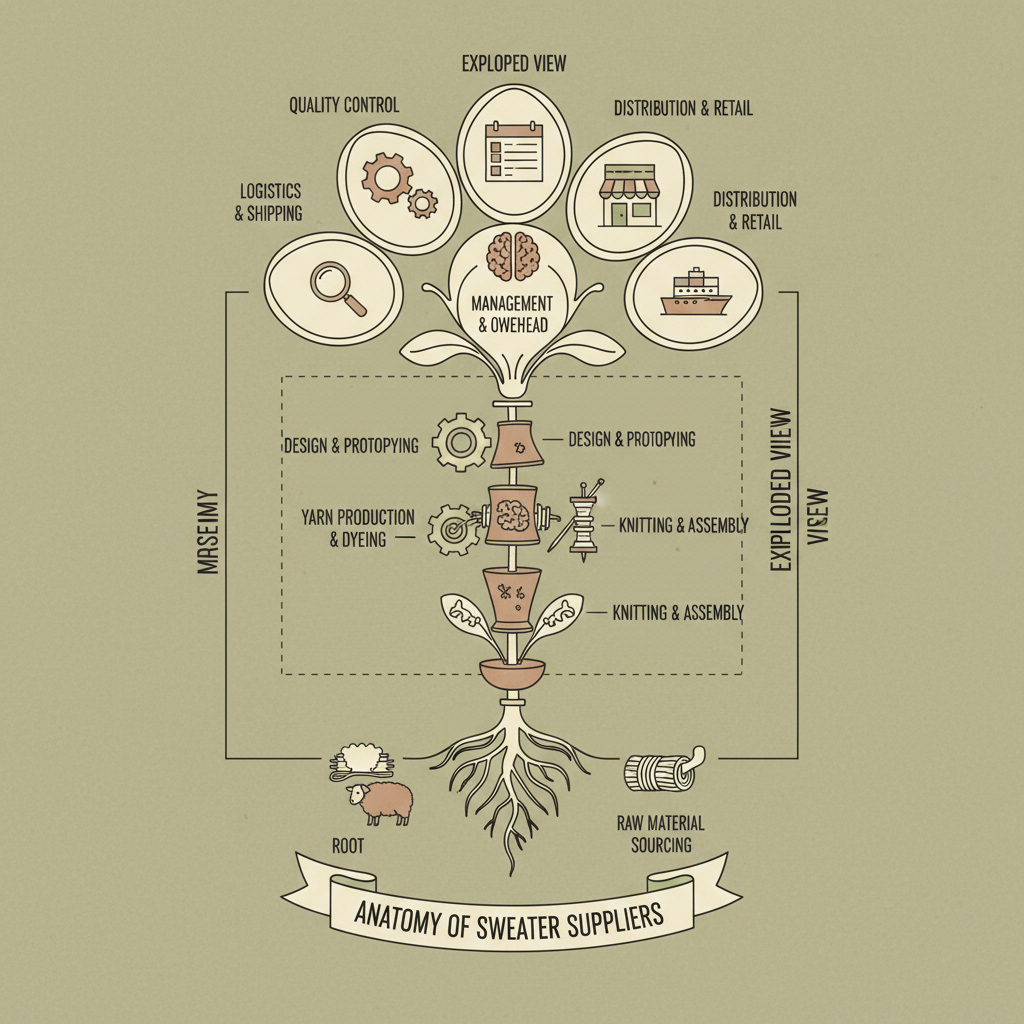
The manufacturing of infant sweaters is concentrated in several key regions, including China, India, Bangladesh, and Turkey. These countries offer cost-effective labor and established textile industries, making them ideal for mass production. However, there is a growing trend towards localized production and nearshoring to reduce lead times and improve supply chain transparency.
Organizations involved in humanitarian aid often include infant sweaters in their relief packages for vulnerable populations. These garments provide warmth and comfort to infants and young children affected by natural disasters or displacement. For instance, in post-disaster relief operations in earthquake-stricken areas, providing warm clothing like infant sweater is a priority.
Infant Sweater Material Preferences by Region
Advantages and Long-Term Value
The cost-effectiveness of infant sweaters, particularly when considering their durability, offers significant value to parents. Investing in a few high-quality sweaters that can withstand repeated washing and wear is often more economical than purchasing multiple cheaper alternatives. This also reduces textile waste, contributing to sustainability.
From a sustainability perspective, choosing organic or recycled materials minimizes the environmental impact of infant sweater production. Supporting brands committed to ethical manufacturing practices ensures fair labor standards and responsible resource management, aligning with consumer values. Selecting an ethically produced infant sweater demonstrates a commitment to a better future.
Future Trends in Infant Sweater Design
Smart textiles are emerging as a potential trend in infant clothing, including sweaters. Integrating sensors into the fabric could allow for monitoring a baby's temperature, heart rate, and breathing patterns, providing parents with valuable health insights.
3D printing technology is also showing promise for creating customized infant sweaters tailored to a baby's specific size and needs. This approach minimizes waste and allows for greater design flexibility. The future may see personalized infant sweater designs becoming commonplace.
Challenges and Sustainable Solutions
One of the main challenges in infant sweater production is maintaining consistent quality and safety standards across global supply chains. Ensuring ethical labor practices and avoiding harmful chemicals requires rigorous monitoring and certification processes.
To address these challenges, brands are increasingly adopting transparent supply chain practices, utilizing blockchain technology to track the origin of materials and verify ethical sourcing. Investing in sustainable materials and promoting circular economy models, such as clothing rental or resale programs, are also crucial steps towards creating a more responsible industry.
Developing biodegradable or compostable materials for infant sweaters presents another innovative solution, reducing textile waste and minimizing the environmental impact of garment disposal. Research into alternative fibers and eco-friendly dyes is essential for creating a truly sustainable future for infant apparel.
Summary of Key Challenges and Solutions for Sustainable Infant Sweater Production
| Challenge |
Impact Area |
Proposed Solution |
Implementation Difficulty (1-10) |
| Inconsistent Quality Control |
Product Safety |
Independent Audits & Certifications |
6 |
| Lack of Supply Chain Transparency |
Ethical Sourcing |
Blockchain Technology Integration |
8 |
| Use of Harmful Chemicals |
Infant Health |
Organic & Eco-Friendly Dye Adoption |
7 |
| Textile Waste Generation |
Environmental Impact |
Circular Economy Models (Rental, Resale) |
5 |
| Reliance on Synthetic Fibers |
Biodegradability |
Investment in Biodegradable Fiber Research |
9 |
| High Production Costs for Sustainable Materials |
Market Accessibility |
Government Incentives & Subsidies |
7 |
FAQS
For babies with sensitive skin, natural fibers like organic cotton, merino wool, and cashmere are ideal choices. These materials are hypoallergenic, breathable, and less likely to cause irritation. Avoid synthetic fibers like polyester or acrylic, as they can trap heat and may contain chemicals that irritate delicate skin. Look for sweaters labeled as "organic" or "OEKO-TEX certified" to ensure they meet strict safety standards. Always wash new garments before use to remove any residual chemicals.
To preserve the quality of an infant sweater, always check the care label for specific instructions. Generally, hand washing or machine washing on a gentle cycle with cold water and a mild detergent is recommended. Avoid using bleach or fabric softeners, as these can damage the fibers. Lay the sweater flat to dry, as hanging can stretch it out of shape. For wool sweaters, consider using a wool-specific detergent and avoiding agitation during washing.
Safety is paramount when choosing an infant sweater. Ensure the sweater is free of small parts, such as buttons or embellishments, that could pose a choking hazard. Avoid sweaters with drawstrings or cords, as these can also be dangerous. The sweater should fit snugly but not too tightly, allowing for freedom of movement. Flame-retardant treatments are best avoided, as they often contain harmful chemicals. Always choose sweaters that meet relevant safety standards.
Determining the correct size is crucial for comfort and safety. Refer to the manufacturer's size chart, which typically corresponds to age and weight. Measure your baby's chest and length to ensure a proper fit. Don't assume your baby will fit the same size in different brands, as sizing can vary. It's often best to size up if your baby is between sizes, allowing room for growth. An infant sweater that's too tight can restrict movement and be uncomfortable.
Yes, increasingly, there are eco-friendly and sustainable infant sweater options available. Look for sweaters made from organic cotton, recycled materials, or sustainably sourced wool. Brands committed to ethical manufacturing practices and reducing their environmental impact are excellent choices. Consider supporting companies that prioritize fair labor standards and transparency in their supply chains. Choosing sustainable materials can reduce your environmental footprint.
Signs of an allergic reaction to an infant sweater can include redness, itching, rash, or hives on the skin. If you suspect an allergy, immediately remove the sweater and wash your baby’s skin with mild soap and water. If the reaction is severe or doesn't subside, consult a pediatrician. Patch testing with different fabrics can help identify the allergen. Choose hypoallergenic materials and avoid sweaters with harsh dyes or chemicals.
Conclusion
In conclusion, the infant sweater is more than just a garment; it's an essential element of a baby’s well-being, offering warmth, comfort, and a sense of security. Understanding the key factors—durability, material composition, safety features, and sustainability—empowers both parents and manufacturers to make informed choices. Prioritizing quality, ethical production, and environmentally friendly materials ensures that infant sweaters contribute positively to both a child's development and the planet's health.
Looking ahead, innovation in textile technology and a growing demand for sustainable practices will continue to shape the future of infant sweater design and production. By embracing circular economy models, investing in biodegradable materials, and prioritizing transparency in supply chains, we can create a more responsible and ethical industry that benefits both babies and the environment. Visit our website to explore our collection of ethically sourced and beautifully crafted infant sweater.