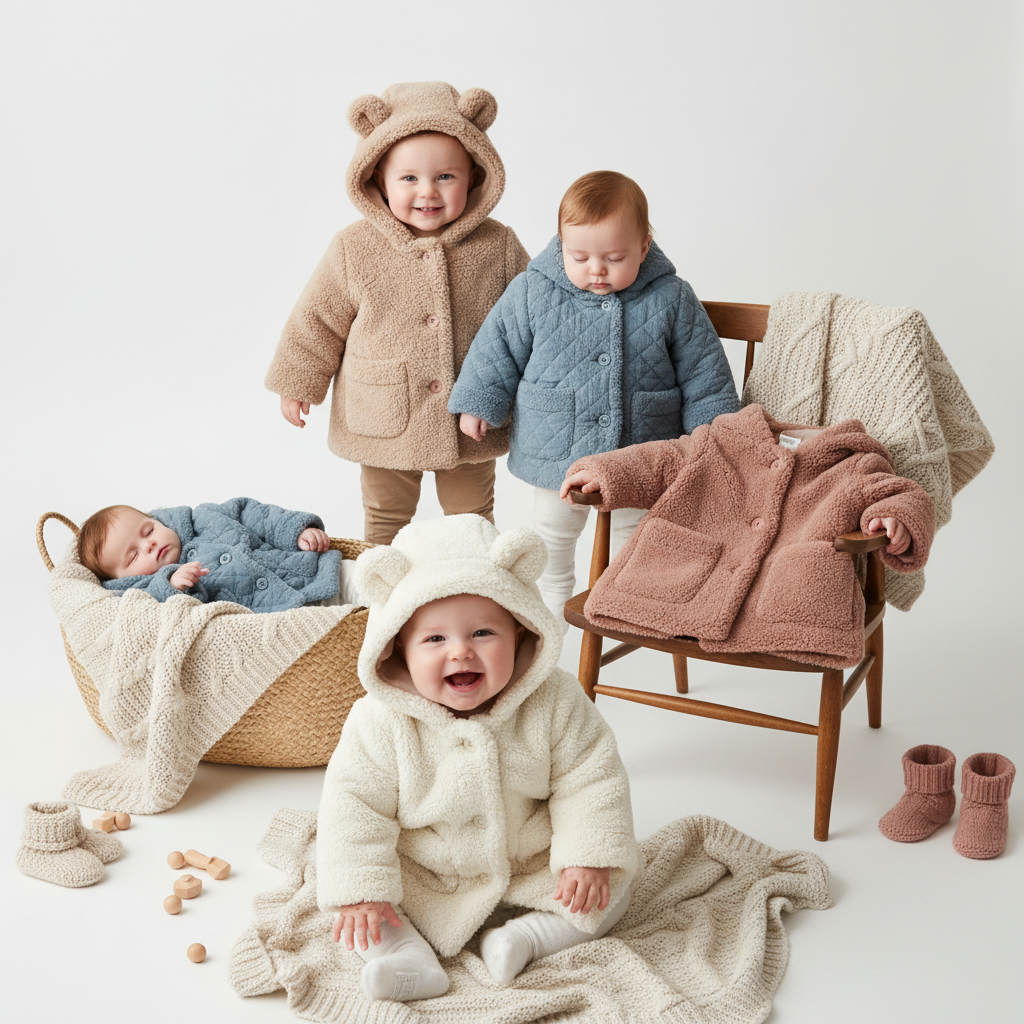
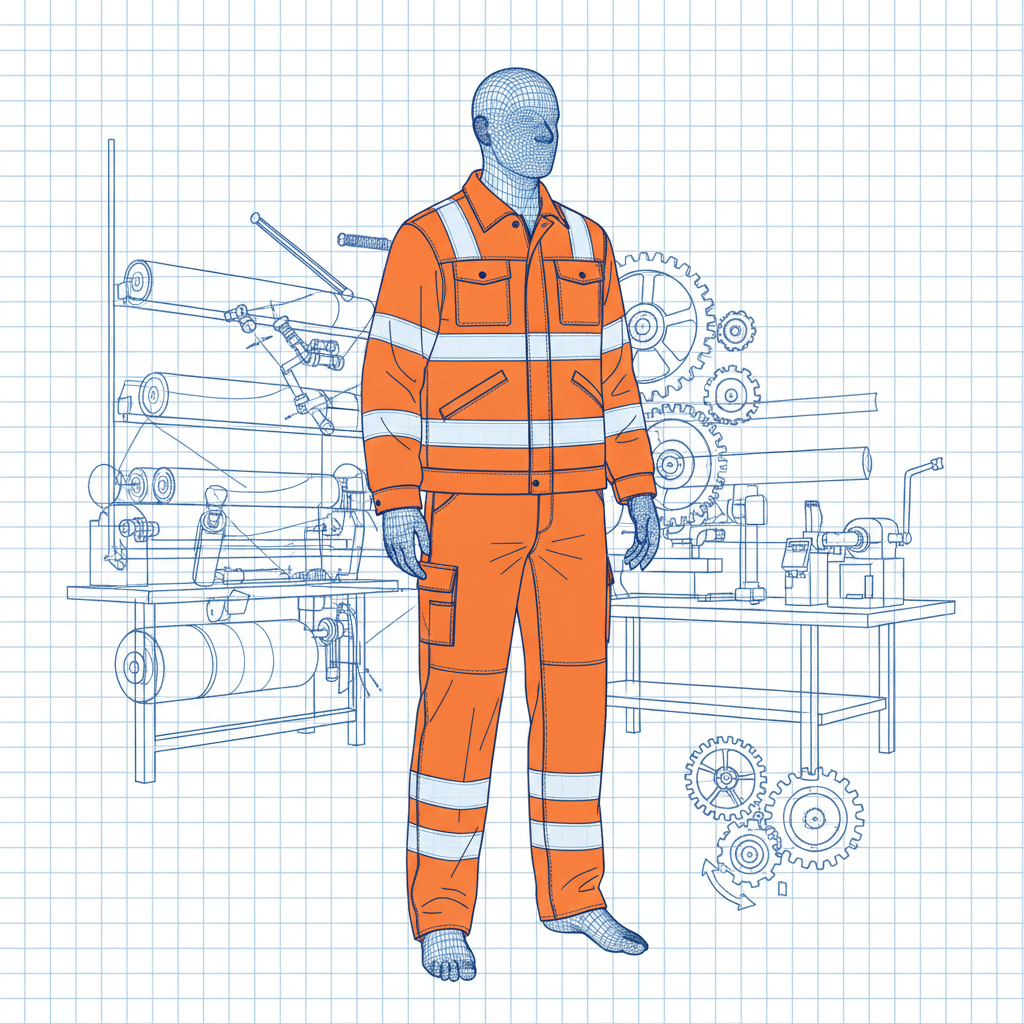
Infant coats are essential garments for protecting babies and toddlers from the elements, playing a crucial role in their health and well-being. From brisk autumn walks to harsh winter conditions, a properly chosen infant coat provides warmth, comfort, and safeguards against potential illnesses. The demand for high-quality, safe, and functional infant coats is consistently high globally, driven by parental concern for their children’s comfort and safety.
The global market for baby and toddler apparel, including infant coats, is substantial and growing. Reports indicate a consistent expansion in this sector, fueled by rising disposable incomes in emerging economies and an increasing awareness of the importance of protective clothing for young children. Organizations like UNICEF emphasize the need for adequate clothing for vulnerable populations, particularly in colder climates and during humanitarian crises, highlighting the broader impact of accessible infant coats.
Understanding the nuances of infant coats – from materials and construction to safety standards and design – is paramount for both manufacturers and consumers. A well-informed choice ensures a child is adequately protected while allowing for freedom of movement and comfortable wear. This knowledge also empowers parents to navigate the myriad of options available and select the most suitable coat for their child's specific needs and environment.
The Significance of Infant Coats
The significance of infant coats extends far beyond simple warmth. They represent a fundamental layer of protection for a vulnerable population, shielding infants from potentially harmful weather conditions. A suitable coat can prevent hypothermia, reduce the risk of respiratory infections, and ensure a baby’s comfort during outdoor activities.
Considering the delicate nature of a baby’s immune system, the importance of quality and safety in infant coats cannot be overstated. The materials used, the construction methods, and adherence to safety standards all contribute to a child’s well-being. Investing in a well-made coat is an investment in a child’s health and future.
Defining Infant Coats
Infant coats are specifically designed outerwear garments tailored for babies and toddlers, typically ranging in size from newborn to 24 months. These coats differ significantly from adult coats in their construction, prioritizing safety and comfort for a rapidly growing child. Features such as hoods, foot covers, and specialized closures are common.
In a modern context, infant coats are not simply about protection from the cold; they also incorporate elements of style and functionality. Manufacturers are increasingly focusing on lightweight, breathable materials that allow for freedom of movement while still providing adequate warmth. Many coats now feature reflective elements for enhanced visibility and safety.
The production of infant coats directly connects to both the fashion industry and humanitarian needs. High-quality coats are a staple in children’s apparel, while donations of warm clothing, including coats, are vital in supporting vulnerable communities, especially during winter months or in disaster relief situations.
Core Components of Quality Infant Coats
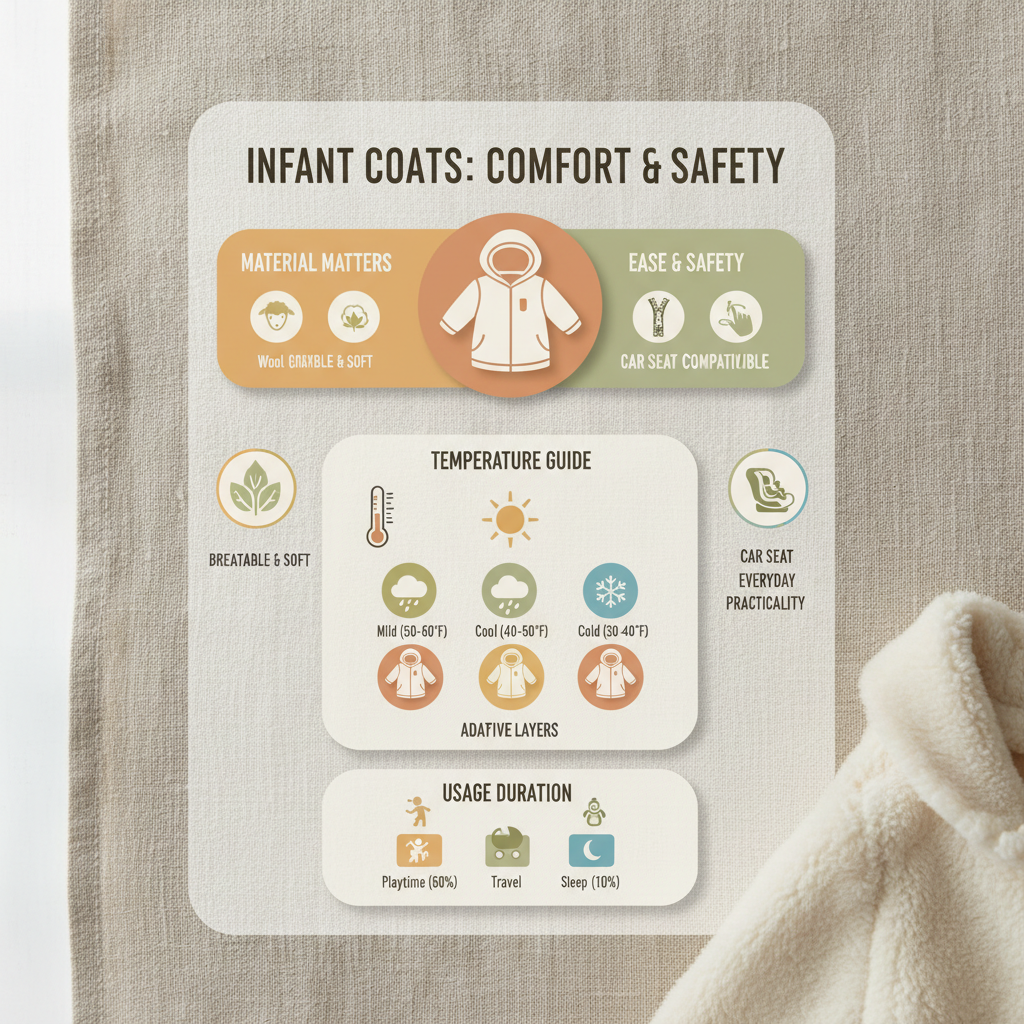
A high-quality infant coat relies on a combination of carefully selected components, all working together to provide optimal protection and comfort. The outer shell material plays a crucial role, with options ranging from waterproof and windproof fabrics to softer, more breathable materials. The lining is equally important, offering an additional layer of warmth and comfort against the baby’s skin.
Insulation is another critical element, determining the coat’s ability to retain heat. Common insulation materials include down, synthetic fibers (like polyester), and fleece. The choice of insulation depends on the climate and intended use of the coat. Fill power and weight are key considerations when evaluating insulation quality.
Finally, the hardware – zippers, buttons, and closures – must be robust and safe, designed to withstand repeated use and prevent choking hazards. Securely attached hoods and adjustable cuffs contribute to a customized fit and enhanced protection. Details like reinforced stitching and durable construction are hallmarks of a well-made infant coat.
Essential Features for Infant Coat Performance
Beyond the core components, several features significantly impact an infant coat's performance and usability. A well-designed hood is crucial for protecting the head and ears from the elements, especially during windy or cold conditions. Foot covers or integrated leg openings provide additional warmth and prevent the coat from riding up.
Adjustable cuffs and waistbands allow for a customized fit, ensuring the coat stays securely in place and provides maximum warmth. Reflective details enhance visibility in low-light conditions, improving safety during evening walks or commutes.
Infant Coat Feature Rating (1-10)
Global Applications of Infant Coats
The need for infant coats extends across geographical boundaries and socio-economic contexts. In colder climates, such as those found in Northern Europe, Canada, and Russia, infant coats are a necessity for protecting babies from harsh winter conditions. They are routinely used for everyday activities, from outdoor play to trips to the doctor.
In developing countries, particularly those experiencing humanitarian crises, access to adequate clothing, including infant coats, can be a matter of life and death. Organizations like the Red Cross and Doctors Without Borders frequently distribute warm clothing to vulnerable populations in disaster-stricken areas, providing essential protection against the elements.
Advantages and Long-Term Value
The advantages of investing in a high-quality infant coat are numerous. From a practical standpoint, a well-made coat provides reliable protection from the elements, reducing the risk of illness and ensuring a baby’s comfort. This translates to fewer sick days and greater peace of mind for parents.
From a long-term perspective, choosing durable, sustainable materials contributes to a more responsible consumption pattern. Many parents appreciate the ability to resell or donate gently used infant coats, extending their lifespan and reducing waste. This reflects a growing awareness of the environmental impact of fast fashion.
Future Trends and Innovations in Infant Coats
The future of infant coats is likely to be shaped by advancements in materials science and a growing emphasis on sustainability. Innovations in breathable, waterproof fabrics, such as bio-based materials and recycled synthetics, are expected to gain traction. These materials offer enhanced performance while minimizing environmental impact.
Digital technologies, such as smart textiles with integrated sensors, could also play a role, allowing parents to monitor a baby’s temperature and adjust clothing accordingly. Furthermore, increased customization and personalized design options are anticipated, catering to individual needs and preferences.
Challenges and Solutions in Infant Coat Manufacturing
One of the main challenges in infant coat manufacturing is balancing cost-effectiveness with safety and quality. The pressure to offer competitive pricing can sometimes lead to compromises in materials or construction. Ensuring ethical sourcing and fair labor practices throughout the supply chain is also a crucial consideration.
Another challenge is accurately sizing infant coats, given the rapid growth rate of babies and toddlers. Manufacturers are addressing this by offering more adjustable features and providing detailed sizing guides. Utilizing 3D body scanning technology for personalized fit is a promising avenue for future development.
Addressing these challenges requires a collaborative approach involving manufacturers, retailers, and regulatory bodies. Investing in research and development, adopting sustainable manufacturing practices, and prioritizing ethical sourcing are essential steps towards creating a more responsible and reliable infant coat industry.
Summary of Key Considerations for Infant Coat Quality
| Material Quality |
Safety Features |
Construction Durability |
Fit and Adjustability |
| High-quality, non-toxic fabrics |
Secure closures, no small detachable parts |
Reinforced stitching, durable zippers |
Adjustable cuffs and waistbands |
| Breathable and waterproof outer shell |
Reflective details for visibility |
Resistant to wear and tear |
Room for growth and layering |
| Soft and comfortable lining |
Hoods with secure attachments |
Ability to withstand frequent washing |
Easy to put on and take off |
| Hypoallergenic materials |
Compliance with safety standards |
Long-lasting performance |
Provides a secure and comfortable fit |
| Insulation appropriate for climate |
Certified non-toxic dyes and finishes |
Maintains shape after washing |
Doesn’t restrict movement |
| Eco-friendly and sustainable options |
Minimal risk of choking hazards |
Resists fading and damage |
Accommodates various body types |
FAQS
The best material depends on the climate. For mild winters, fleece or quilted polyester provide sufficient warmth. For colder conditions, a waterproof and windproof outer shell with a synthetic or down insulation is ideal. Look for materials that are breathable and hypoallergenic to avoid irritating a baby’s sensitive skin. Avoid materials that are heavily treated with chemicals.
An infant coat should fit comfortably over a few layers of clothing without being too tight or restrictive. Ensure the coat allows for a full range of motion. Avoid coats that are too long, as they can pose a tripping hazard. Adjustable cuffs and waistbands are helpful for achieving a secure fit. Always refer to the manufacturer's sizing chart.
Yes, always check for potential safety hazards. Avoid coats with drawstrings around the neck or hood, as these can pose a strangulation risk. Ensure all buttons and zippers are securely attached. Choose coats made with non-toxic materials and dyes. Regularly inspect the coat for any loose parts or damage.
Always follow the care instructions provided by the manufacturer. Most infant coats can be machine washed on a gentle cycle with cold water. Avoid using harsh detergents or bleach. Tumble dry on low heat or hang to dry. Remove any detachable hoods or fur trims before washing. Regular cleaning helps maintain the coat’s hygiene and performance.
For winter coats, prioritize features like a waterproof and windproof outer shell, a warm insulation (down or synthetic), a hood with a secure attachment, and adjustable cuffs to seal out the cold. Reflective details are also important for visibility in low light. Ensure the coat covers the baby’s entire body and doesn’t leave any gaps for cold air to enter.
The price of an infant coat can vary significantly depending on the materials, features, and brand. A good quality coat can range from $50 to $150 or more. While it’s tempting to opt for the cheapest option, investing in a durable and well-made coat will provide better protection and last longer, ultimately offering better value for your money.
Conclusion
In conclusion, the selection of an infant coat is a crucial decision impacting a child’s health, comfort, and safety. From understanding the core components of a quality garment to considering specific features based on climate and activity, informed choices are paramount. The market offers a wide range of options, each with its own advantages and disadvantages.
Looking ahead, advancements in materials and design promise even more innovative and sustainable infant coats. By prioritizing safety, durability, and environmental responsibility, we can ensure that our youngest generation is well-protected and prepared for any weather conditions. For a wide selection of high-quality infant coats, visit our website today.