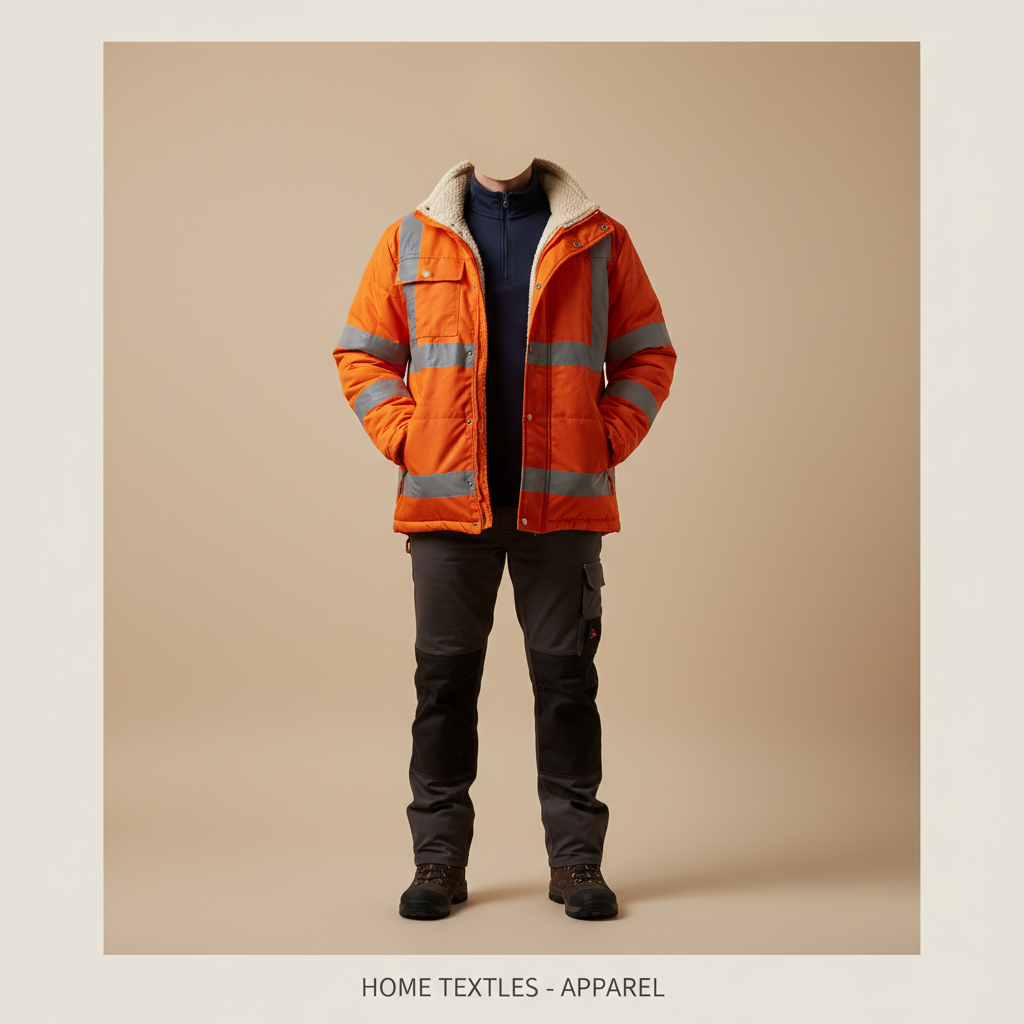
In the demanding environments of modern industrial operations, the priority is always the intersection of safety and comfort. A warm hi vis jacket serves as a critical piece of Personal Protective Equipment (PPE), designed to ensure that workers remain visible in low-light conditions while maintaining core body temperature during harsh winter months. By combining high-visibility fluorescent fabrics with advanced thermal insulation, these garments mitigate the risks of workplace accidents and cold-stress injuries.
Globally, the demand for specialized protective apparel has surged as infrastructure projects expand into more extreme climates. Whether it is road maintenance in Northern Europe or mining operations in the Canadian tundra, the integration of thermal properties into visibility gear is no longer a luxury but a regulatory necessity. The ability to remain seen by heavy machinery operators while resisting freezing winds significantly reduces fatality rates in high-risk zones.
Understanding the technical nuances of a warm hi vis jacket—from the denier of the outer shell to the Clo value of the insulation—allows procurement managers and safety officers to make informed decisions. This guide explores the evolution, technical components, and global applications of thermal high-visibility outerwear, providing a comprehensive roadmap for achieving optimal workplace safety and worker well-being.
Global Industry Standards for Warm Hi Vis Jackets
The manufacturing of a warm hi vis jacket is governed by strict international standards, most notably ISO 20471, which specifies requirements for high-visibility clothing. This standard ensures that the fluorescent materials used are capable of reflecting sufficient light to make the wearer visible from a distance, regardless of the weather. For thermal protection, standards such as EN 342 are often applied to certify that the garment provides adequate insulation against cold environments.
Meeting these global benchmarks is essential for companies operating in the construction, transportation, and emergency services sectors. By adhering to certified specifications, manufacturers guarantee that the jacket does not lose its reflective properties after repeated washing or exposure to UV radiation. This synergy between visibility and warmth ensures that workers are not forced to choose between staying warm and staying safe.
Core Technical Components of Thermal Visibility Gear
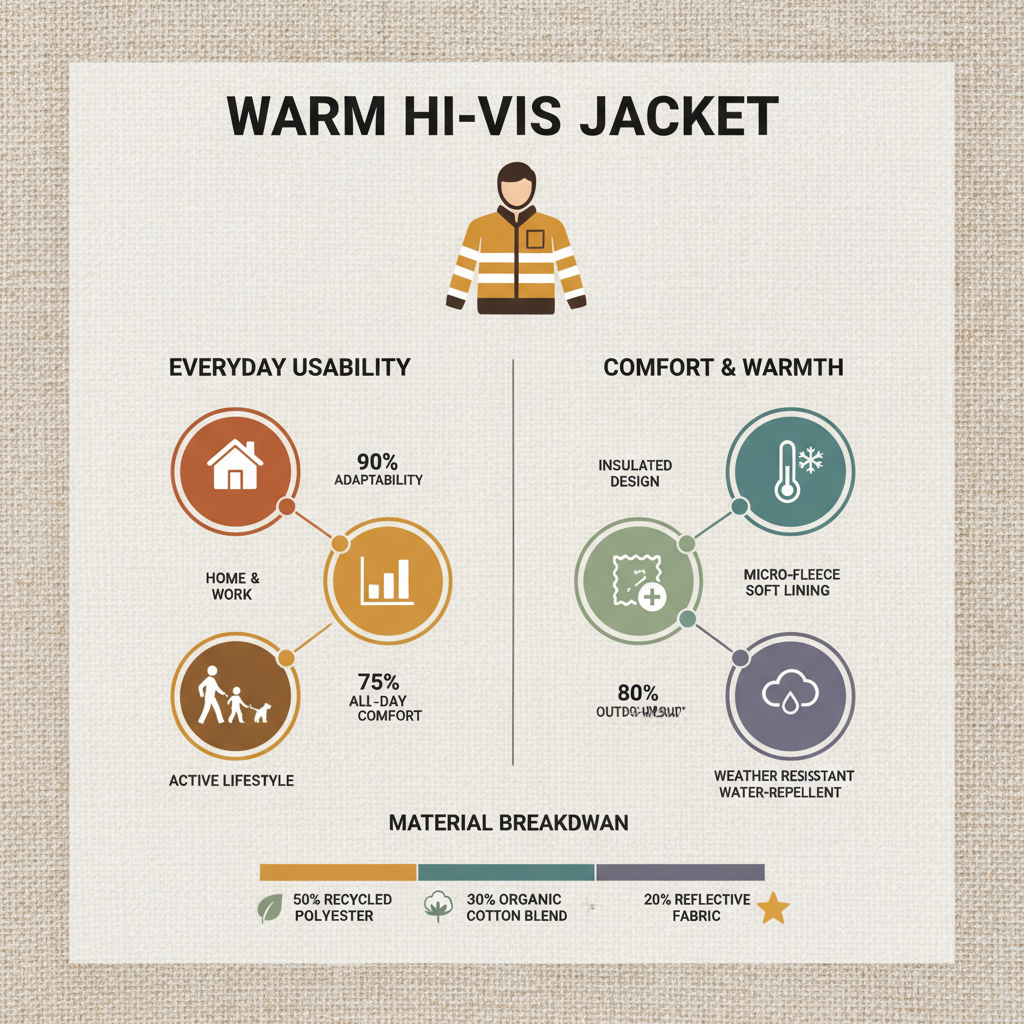
A professional-grade warm hi vis jacket is more than just a bright coat; it is a multi-layered system engineered for survival. The outermost layer typically consists of high-denier polyester or nylon, treated with Durable Water Repellent (DWR) coatings to shed rain and snow. This shell protects the inner insulation from moisture, which is critical because wet insulation loses its ability to trap heat, potentially leading to hypothermia.
The middle layer focuses on thermal retention, utilizing synthetic fills or fleece linings that create air pockets to trap body heat. Modern iterations often use breathable membranes that allow moisture vapor (sweat) to escape while preventing cold air from penetrating. This balance of breathability and warmth prevents the "clammy" feeling common in lower-quality winter gear, keeping the wearer dry during high-intensity physical labor.
Finally, the visibility component is integrated via retroreflective tapes and fluorescent fabrics. These tapes are strategically placed in a "hopper" or "cross" pattern to define the human silhouette, allowing drivers and operators to recognize the wearer as a person from any angle. The integration of these components ensures that the jacket provides a holistic shield against both environmental hazards and low-visibility accidents.
Material Engineering and Thermal Efficiency
The efficiency of a warm hi vis jacket depends heavily on the selection of polymers and fibers. Engineers often utilize ripstop fabrics to prevent small tears from expanding, ensuring that the jacket maintains its structural integrity in rugged industrial environments where snags are common.
To optimize the warmth-to-weight ratio, the modern warm hi vis jacket frequently employs microfiber synthetic insulation. Unlike traditional cotton or heavy wool, these synthetic fibers are hydrophobic, meaning they maintain their loft and insulating properties even when damp, which is a vital safety feature for outdoor work.
Furthermore, the application of heat-sealed seams and storm flaps over zippers ensures that no cold drafts penetrate the garment. By focusing on the "micro-climates" created within the jacket, manufacturers can provide maximum protection with minimal bulk, allowing workers to maintain the range of motion necessary for complex manual tasks.
Comparative Performance Analysis of Insulation Types
When selecting a warm hi vis jacket, the type of insulation used determines the garment's effectiveness in different temperature ranges. Thinsulate, for example, offers high warmth with low bulk, making it ideal for active workers who need agility. In contrast, heavy-duty quilted padding provides superior static warmth for those standing in one place for extended periods, such as traffic controllers during winter storms.
The choice of insulation also impacts the longevity and maintenance of the gear. Synthetic fills are generally more durable and easier to wash than natural alternatives, which is a significant advantage in the dusty and greasy environments typical of manufacturing and construction sites.
Performance Ratings for Warm Hi Vis Jacket Insulation Variants
Global Applications Across High-Risk Sectors
The versatility of the warm hi vis jacket allows it to be deployed across a vast array of industries. In aviation ground handling, where workers face freezing runway winds and the constant threat of moving aircraft, these jackets provide the essential visibility and warmth required to maintain operational safety. Similarly, in the oil and gas sector, particularly in offshore rigs, thermal visibility gear prevents hypothermia in humid, cold maritime environments.
Beyond heavy industry, emergency responders and search-and-rescue teams rely on these garments during nighttime disaster relief operations. In remote industrial zones or post-disaster scenarios where infrastructure is compromised, the fluorescent nature of the jacket ensures that rescue personnel are easily identified by helicopters and other support units, while the thermal lining allows them to work longer hours in the cold without exhaustion.
Long-term Value and Sustainability in Workwear
Investing in a high-quality warm hi vis jacket offers significant long-term economic and social value. While the initial cost may be higher than budget alternatives, the durability of professional-grade materials reduces the frequency of replacement. This not only lowers the total cost of ownership for the employer but also reduces the volume of textile waste entering landfills, aligning with global corporate sustainability goals.
From a psychological perspective, providing employees with superior protective gear fosters a culture of care and trust. When a worker feels physically protected and warm, their focus remains on the task at hand rather than their discomfort, which directly correlates to a decrease in human-error accidents. The dignity provided by well-fitting, high-performance gear enhances worker morale and productivity.
Furthermore, the shift toward recycled polyester and eco-friendly dyes in the manufacturing of these jackets demonstrates that safety does not have to come at the expense of the environment. Modern "green" high-visibility gear maintains the same safety ratings while utilizing post-consumer plastic bottles for the outer shell, proving that innovation in safety can drive environmental stewardship.
Future Innovations in Intelligent Thermal Gear
The next generation of the warm hi vis jacket is moving toward "smart" integration. We are seeing the emergence of conductive fabrics that can provide active heating via lightweight battery packs, allowing the jacket to adjust its temperature based on the ambient environment. This digital transformation ensures that workers in the most extreme Arctic conditions can maintain a steady core temperature without the need for overly bulky layers.
Additionally, the integration of IoT sensors into visibility gear is becoming a reality. Future jackets may include GPS tracking and biometric sensors that can alert a central command center if a worker's body temperature drops to a dangerous level or if they have been immobile for too long. This shift from passive protection to active monitoring transforms the garment into a life-saving device.
Automation in textile manufacturing is also enabling more ergonomic designs. Using 3D body scanning, jackets can now be tailored to the specific movements of a worker's job role, reducing fabric bunching and increasing the efficiency of the thermal layers. As these technologies merge, the warm hi vis jacket will continue to evolve from a simple piece of clothing into a comprehensive safety system.
Comparative Analysis of Warm Hi Vis Jacket Technology Generations
| Technology Era |
Insulation Method |
Visibility Tech |
Safety Score (1-10) |
| Traditional (Pre-2000) |
Basic Cotton/Wool Fill |
Simple Reflective Strips |
4 |
| Modern Standard |
Synthetic Polyester Loft |
ISO 20471 Glass Bead Tape |
7 |
| Advanced Thermal |
Breathable Membranes |
High-Intensity Fluorescents |
8 |
| Eco-Conscious |
Recycled PET Fill |
Sustainable Retroreflectors |
8 |
| Smart Integration |
Active Electric Heating |
LED Integrated Panels |
10 |
| Futuristic Hybrid |
Aerogel/Nanofiber |
Self-Luminous Polymers |
10 |
FAQS
A standard hi vis vest is primarily for visibility and offers almost no thermal protection, making it suitable for summer or indoor use. A warm hi vis jacket, however, integrates heavy-duty insulation, windproofing, and water-resistant shells. It is designed to protect the wearer from hypothermia and cold-related illnesses while maintaining the same high-visibility standards required for safety in hazardous zones.
Check the garment's internal label for certification marks such as ISO 20471 (for visibility) and EN 342 (for cold protection). A certified jacket will explicitly state its "Class" (Class 1, 2, or 3), which indicates the amount of reflective material present. Always ensure the manufacturer provides a compliance certificate to guarantee the materials are genuine and tested.
Yes, but they require specific care. To maintain the effectiveness of a warm hi vis jacket, it is recommended to wash it at lower temperatures (usually 30-40°C) and avoid using bleach or fabric softeners, as these can break down the reflective beads and fluorescent dyes. Air drying or low-heat tumble drying is preferred to prevent the thermal lining from shrinking or melting.
For active workers, a breathable synthetic insulation like Thinsulate or a high-density polar fleece lining is best. These materials offer a high warmth-to-weight ratio and allow moisture (sweat) to escape. This prevents the worker from overheating during exertion and then freezing once they stop moving, a dangerous cycle known as "flash-off" cooling.
Most are water-resistant, meaning they can handle light rain or snow thanks to a DWR coating. However, for extreme weather, you should look for "waterproof" jackets that feature a laminated membrane (like Gore-Tex or similar) and taped seams. This prevents water from seeping through the stitching, ensuring the internal thermal layers remain dry and functional.
Replacement cycles typically range from 1 to 3 years depending on the environment. Reflective tape degrades over time due to abrasion and UV exposure. Companies should perform "reflectivity tests" annually. Once the fluorescent color fades or the reflective strips begin to peel or crack, the jacket no longer provides the required safety level and must be replaced immediately.
Conclusion
The warm hi vis jacket represents a critical convergence of material science and occupational safety. By integrating high-visibility standards with advanced thermal insulation, these garments protect the most valuable asset of any company: its people. From the selection of hydrophobic synthetic fills to the strategic placement of ISO-certified reflective tapes, every detail is engineered to prevent accidents and ensure health in the most challenging climates on earth.
As we look toward the future, the transition toward smart, sustainable, and ergonomically tailored outerwear will further reduce workplace risks. Organizations that prioritize high-quality, certified thermal gear not only ensure regulatory compliance but also demonstrate a commitment to worker dignity and long-term operational efficiency. To explore the highest standards in professional protective apparel, visit our website: www.jidegarment.com.