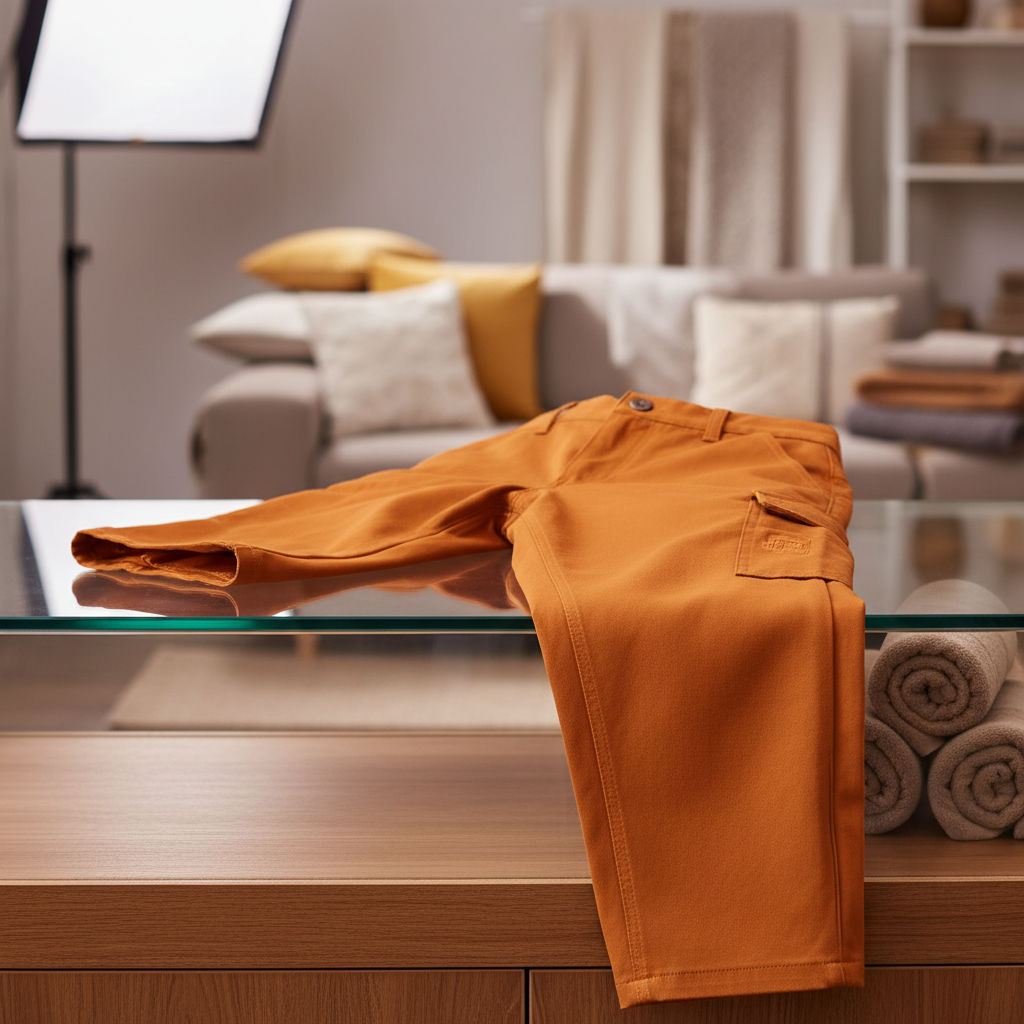
In the demanding world of industrial safety, visibility is not just a preference but a critical requirement for survival. orange work trousers serve as a primary line of defense for professionals operating in high-risk environments, ensuring they remain conspicuous against complex backgrounds. By blending high-visibility hues with rugged textile engineering, these garments bridge the gap between occupational health and safety standards and daily operational efficiency.
The global demand for specialized safety apparel has surged as infrastructure projects expand and regulatory bodies like ISO and ANSI tighten their visibility requirements. For workers in construction, roadworks, and emergency services, the choice of orange work trousers is a strategic decision to mitigate the risk of accidents. Understanding the nuances of fabric weight, color fastness, and ergonomic design is essential for procurement managers and safety officers worldwide.
Beyond simple visibility, modern orange workwear integrates advanced material science to provide protection against mechanical wear and environmental extremes. Whether it is reinforced knee pads for flooring specialists or moisture-wicking blends for summer road crews, the evolution of these garments reflects a broader industry shift toward human-centric design. This guide explores the technical specifications, global applications, and future trends that define the current state of professional high-visibility legwear.
Global Industrial Relevance of Orange Work Trousers
Across the globe, the implementation of high-visibility clothing is mandated by strict occupational safety laws. In the European Union and North America, orange work trousers are frequently the gold standard for railway and road maintenance crews, as orange provides a stark contrast against the greens and greys of natural and urban landscapes. This visual distinction is a critical factor in reducing "struck-by" accidents, which remain a leading cause of workplace fatalities in the transport sector.
Furthermore, the global shift toward urban digitalization and smart city infrastructure has increased the volume of roadside maintenance. This expansion necessitates a standardized approach to safety gear. When companies invest in high-quality orange work trousers, they are not merely purchasing clothing but are implementing a risk-mitigation strategy that aligns with international safety benchmarks, ultimately protecting their most valuable asset: the workforce.
Defining the Standards of High-Visibility Workwear
At its core, orange work trousers are specialized garments designed to make the wearer highly visible in various lighting conditions. Unlike standard casual wear, these trousers are engineered using fluorescent dyes that convert invisible ultraviolet light into visible light, making the wearer "glow" even in overcast weather. This technical property is essential for those working in the "grey zones" of dawn, dusk, and nighttime operations.
Modern industry definitions of these garments also include the integration of retro-reflective tapes. These bands are meticulously placed around the lower legs to define the human silhouette to oncoming drivers. The combination of the fluorescent orange base and the reflective stripping ensures that the trousers perform in both passive lighting (daylight) and active lighting (headlight reflection), meeting the stringent requirements of ISO 20471.
From a humanitarian perspective, these trousers are often used in search and rescue operations and disaster relief. In environments where visibility is obscured by smoke or dust, the bright hue of orange work trousers allows team members to maintain visual contact and ensures that rescuers themselves do not become victims of the hazardous environment.
Core Components of Durable Safety Trousers
The durability of orange work trousers depends heavily on the fabric blend. Most professional-grade options utilize a high-density polyester-cotton mix, providing a balance between the breathability of natural fibers and the tensile strength of synthetics. This ensures that the garment can withstand the abrasion of concrete and steel without tearing.
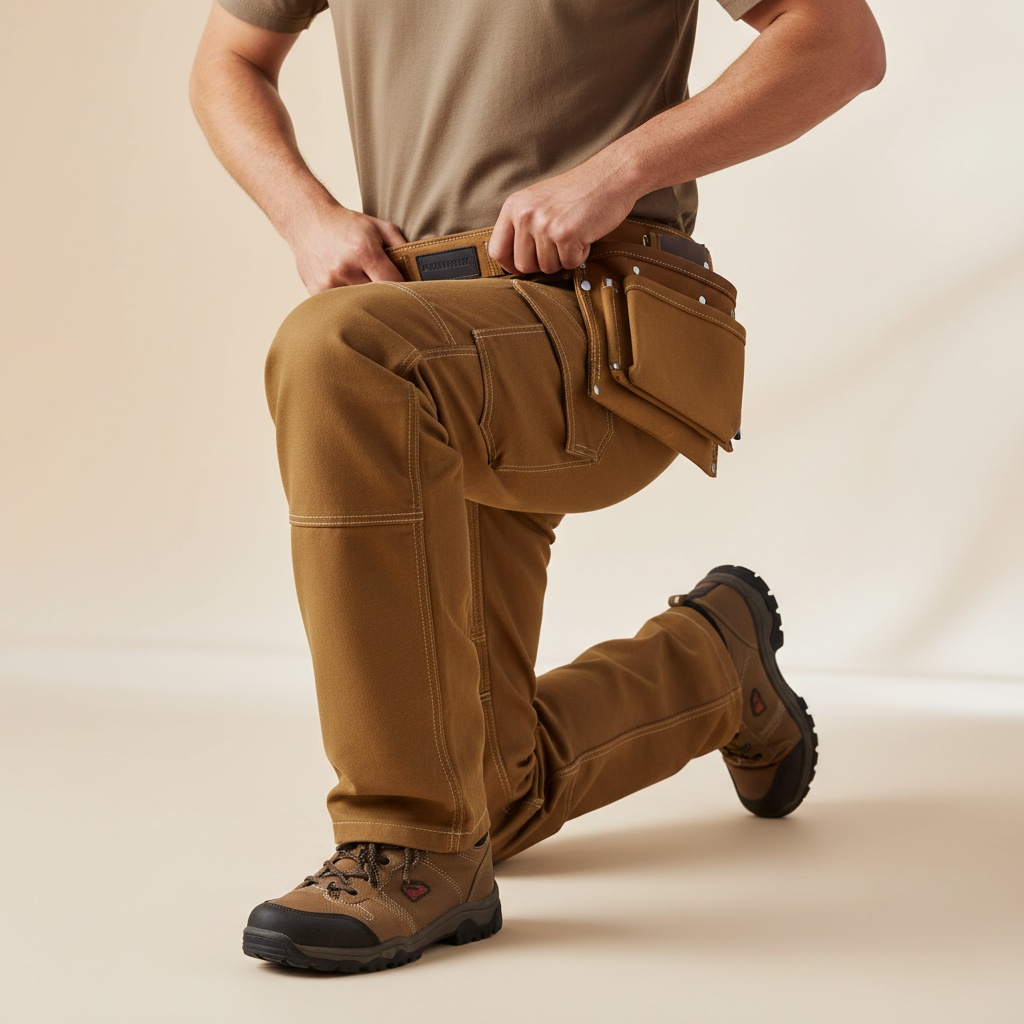
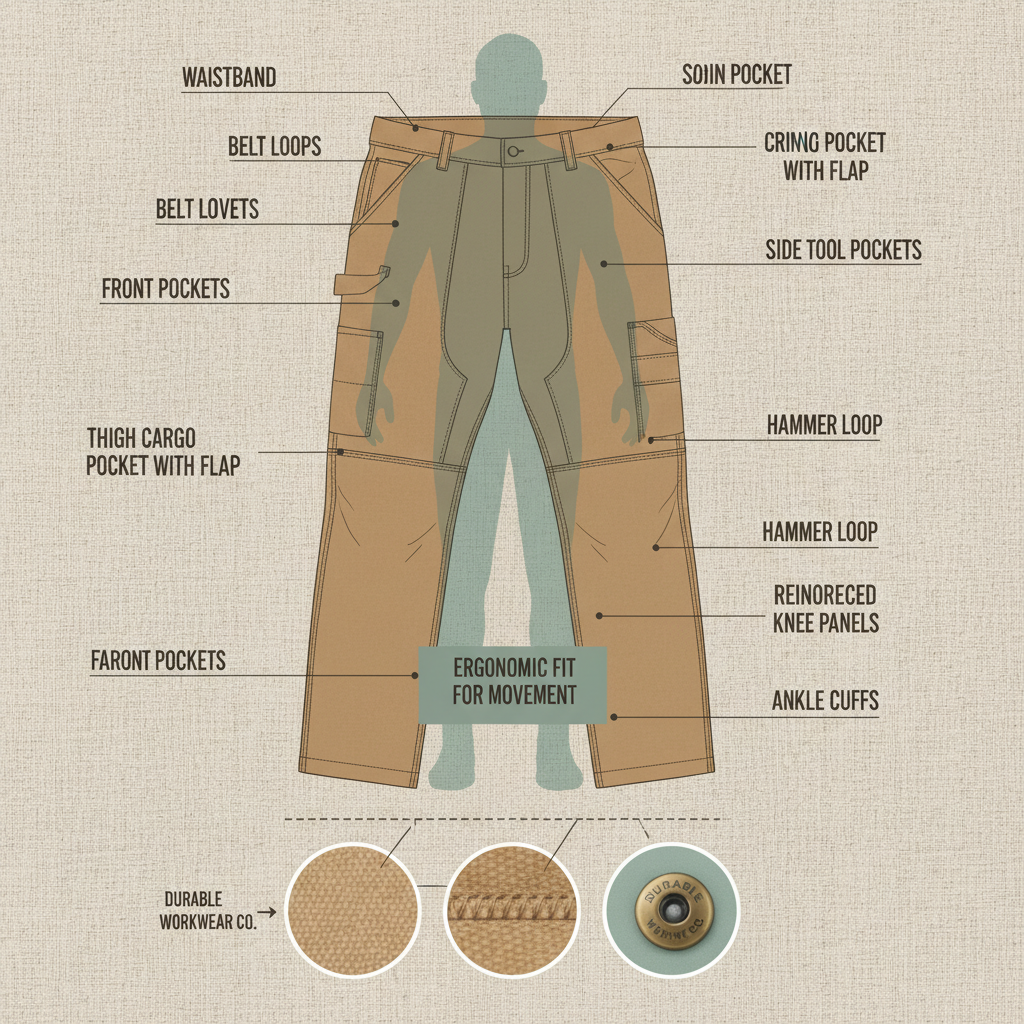
Another key component is the reinforcement strategy. High-quality orange work trousers often feature triple-stitched seams and Cordura-reinforced knee panels. Since the knees are the most frequent point of failure in industrial legwear, these additions extend the lifecycle of the garment, reducing the frequency of replacements and lowering the total cost of ownership for the employer.
Finally, the functional utility of the design cannot be overlooked. The inclusion of multi-functional cargo pockets, tool loops, and secure closures allows workers to carry essential equipment safely. By integrating these features into the high-visibility framework, orange work trousers evolve from a simple safety requirement into a productive tool that enhances the wearer's efficiency on site.
Practical Performance Metrics in Field Use
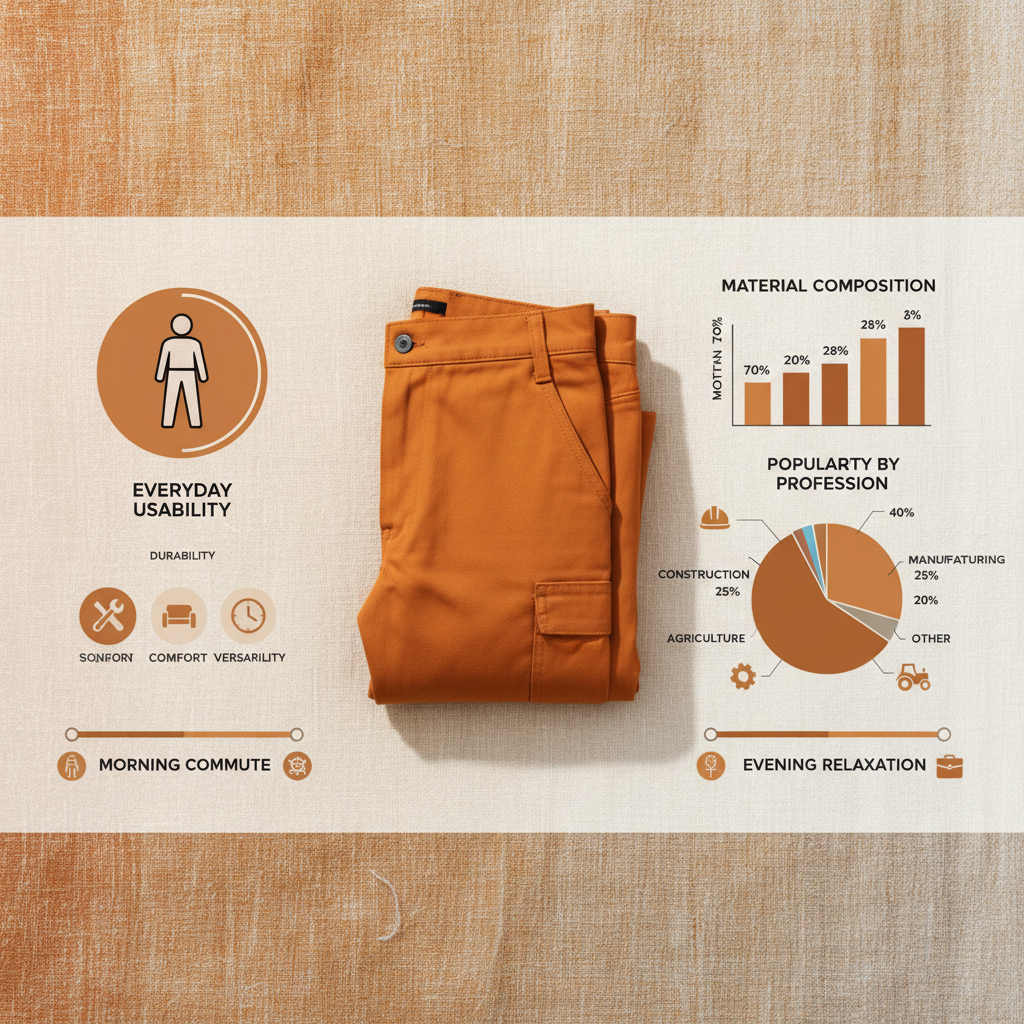
Evaluating the effectiveness of safety gear requires a look at real-world performance data. When comparing different versions of orange work trousers, stakeholders typically look at four primary metrics: abrasion resistance, color retention after industrial washing, breathability, and the longevity of the reflective tape. A trouser that loses its fluorescence after ten washes is a liability, not an asset.
To provide a clearer picture, we analyze how various fabric constructions perform under stress. While lightweight blends are preferred for summer, heavy-duty canvas options are indispensable for winter and heavy construction. The following chart illustrates the performance ratings of different material types used in modern orange work trousers.
Comparative Performance of Orange Work Trousers Materials
Global Applications and Sector-Specific Use Cases
The application of orange work trousers varies significantly by region and industry. In the oil and gas sectors of the Middle East, for example, trousers are often treated with anti-static properties to prevent sparks in volatile environments. Conversely, in the road construction sectors of Northern Europe, the focus shifts toward thermal insulation and waterproof membranes to protect workers from freezing rain and snow.
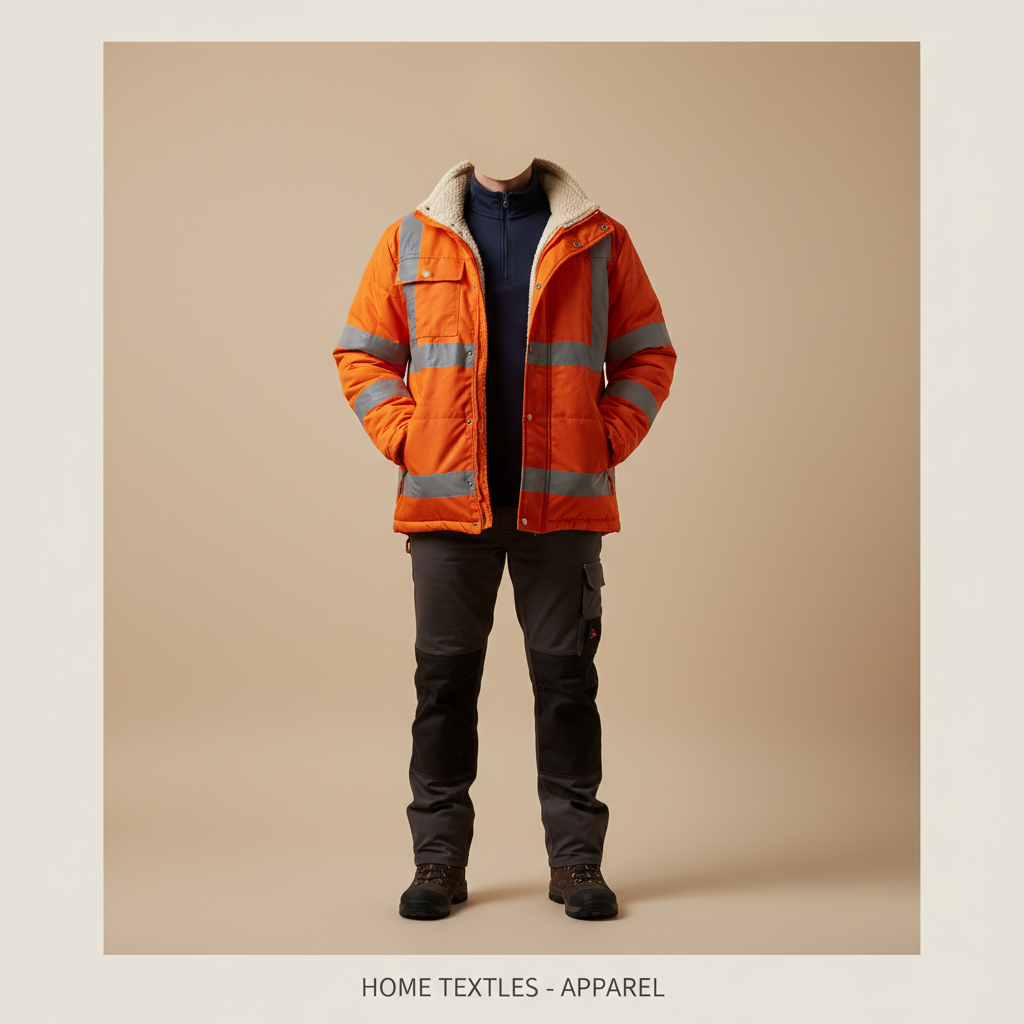
In remote industrial zones, such as mining operations in Australia or forestry projects in Canada, these trousers are combined with other reflective gear to create a complete safety ecosystem. The high-visibility orange allows supervisors to account for all personnel quickly during emergency evacuations, proving that the simple act of wearing orange work trousers can be the deciding factor in a successful rescue operation.
Long-Term Value and Safety ROI
Investing in premium orange work trousers provides a tangible return on investment (ROI) by reducing workplace accidents and decreasing the frequency of garment replacement. When a company chooses lower-quality alternatives, they often face higher costs over time due to rapid wear and tear, as well as the potential for catastrophic insurance claims resulting from visibility-related accidents.
Beyond the financial metrics, there is a profound psychological impact on the worker. Providing high-quality, professional safety gear signals to the employee that their well-being is a corporate priority. This fosters a culture of safety and trust, where workers feel valued and protected, leading to higher morale and lower turnover rates.
Sustainability also plays a role in long-term value. Modern orange work trousers are increasingly made from recycled polyesters, reducing the environmental footprint of industrial clothing. By selecting durable, eco-friendly options, companies align their safety goals with their corporate social responsibility (CSR) targets, creating a sustainable path forward for industrial apparel.
Future Innovations in High-Vis Textiles
The future of orange work trousers is being shaped by the integration of "Smart Textiles." We are seeing the emergence of garments with embedded sensors that can monitor a worker's vitals or detect falls in real-time. These "intelligent" trousers could automatically send a GPS alert to a central command center if a worker becomes immobile, transforming passive visibility into active monitoring.
Additionally, material science is introducing nano-coatings that make orange work trousers virtually impervious to oil, grease, and water while remaining fully breathable. This "lotus effect" not only keeps the worker cleaner but also ensures that the fluorescent color and reflective strips remain unobstructed by grime, maintaining maximum visibility for longer periods.
Digital transformation is also affecting the manufacturing process. 3D body scanning now allows for the creation of bespoke orange work trousers tailored to the individual worker's proportions. This eliminates the "baggy" fit that often leads to snagging hazards in industrial machinery, further enhancing safety through precision tailoring.
Comparative Analysis of Next-Gen Orange Work Trousers Specifications
|
Technology Level
|
Primary Material
|
Key Safety Feature
|
Durability Score (1-10)
|
| Standard Issue |
Poly-Cotton |
Fluorescent Color |
6 |
| Reinforced Pro |
Cordura Blend |
Double Knee Pads |
9 |
| Eco-Safety |
Recycled Poly |
Sustainable Dye |
7 |
| Extreme Weather |
Gore-Tex Blend |
Waterproof Membrane |
8 |
| Smart Vis |
Conductive Fiber |
Fall Detection |
7 |
| Industrial Shield |
Aramid Fiber |
Flame Retardant |
10 |
FAQS
Fluorescent orange is engineered to reflect light in the visible spectrum, making it appear much brighter than standard orange, especially in low-light or overcast conditions. Standard orange is merely a pigment, whereas fluorescent orange utilizes specialized dyes that react to UV light. For professional safety, only fluorescent orange work trousers meeting ISO 20471 standards should be used to ensure maximum visibility.
Replacement frequency depends on the environment, but generally, they should be replaced when the fluorescent color begins to fade or if the reflective tapes show significant cracking or peeling. In heavy industrial use, this often occurs every 6 to 12 months. A simple "light test" can determine if the reflective properties are still effective. If the trousers are heavily soiled with grease that cannot be removed, they should be replaced as the grime masks the visibility.
Yes, provided the correct material is chosen. For summer, breathable poly-cotton blends prevent overheating. For winter, insulated or waterproof versions of orange work trousers are available to keep workers warm and dry. Many professional lines offer a "seasonal system" where a base layer of high-vis trousers can be paired with removable thermal liners, ensuring year-round protection without sacrificing visibility.
Most can, but care is required to maintain the high-visibility properties. It is recommended to wash them separately from dark colors to avoid dye transfer and to avoid using bleach, which can destroy the fluorescent dyes. Using a mild detergent and washing at lower temperatures helps preserve the integrity of the reflective tapes. Always check the manufacturer's care label to ensure the longevity of the safety features.
The choice between orange and yellow usually depends on the background environment. Orange is typically preferred for road and railway work because it provides a higher contrast against the green foliage and grey asphalt often found in those settings. Yellow is often used in warehouses or indoor industrial sites. Local regulations (such as those from the Department of Transport) often dictate which color must be worn for specific roles.
Standard orange work trousers provide visibility and abrasion resistance, but not necessarily chemical or fire protection. However, specialized versions are available that integrate flame-retardant (FR) treatments or acid-resistant coatings. When ordering, it is crucial to specify if you need "High-Vis FR" or "High-Vis Chemical Resistant" to ensure the fabric meets the specific hazard requirements of your workplace.
Conclusion
In summary, orange work trousers are far more than a simple piece of clothing; they are a sophisticated integration of color science, textile engineering, and occupational safety protocols. From the use of fluorescent dyes and retro-reflective tapes to the implementation of reinforced Cordura panels, every element is designed to ensure the wearer's safety and operational efficiency. By adhering to international standards and choosing materials tailored to specific environmental challenges, companies can significantly reduce workplace risks and improve worker morale.
As we look toward the future, the transition toward smart textiles and sustainable materials will further elevate the role of safety apparel. The integration of IoT sensors and eco-friendly fabrics will make high-visibility gear more proactive and environmentally responsible. For businesses seeking to optimize their safety ROI, investing in high-quality, durable, and compliant orange work trousers is a critical step toward a zero-accident workplace. Visit our website for professional solutions: www.jidegarment.com