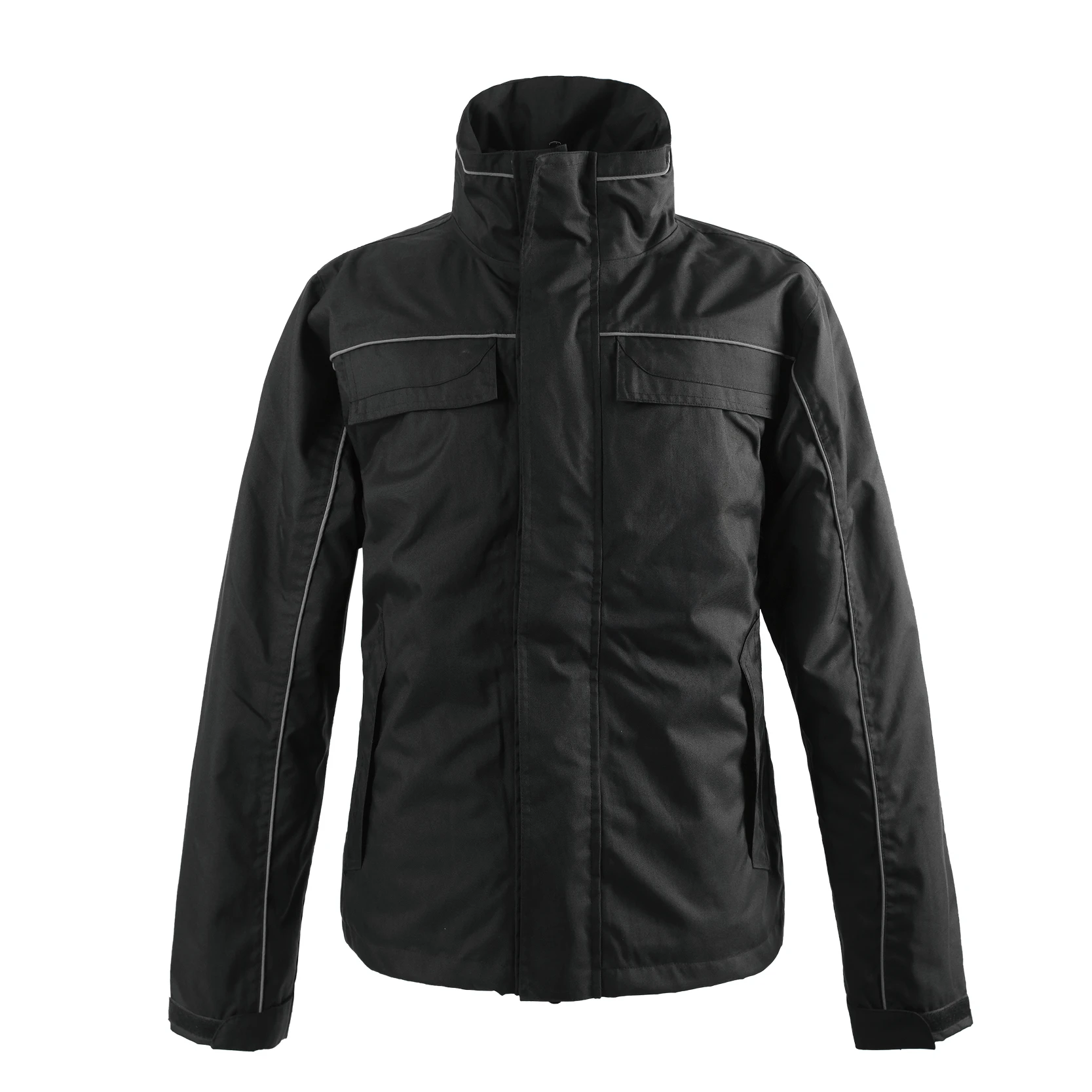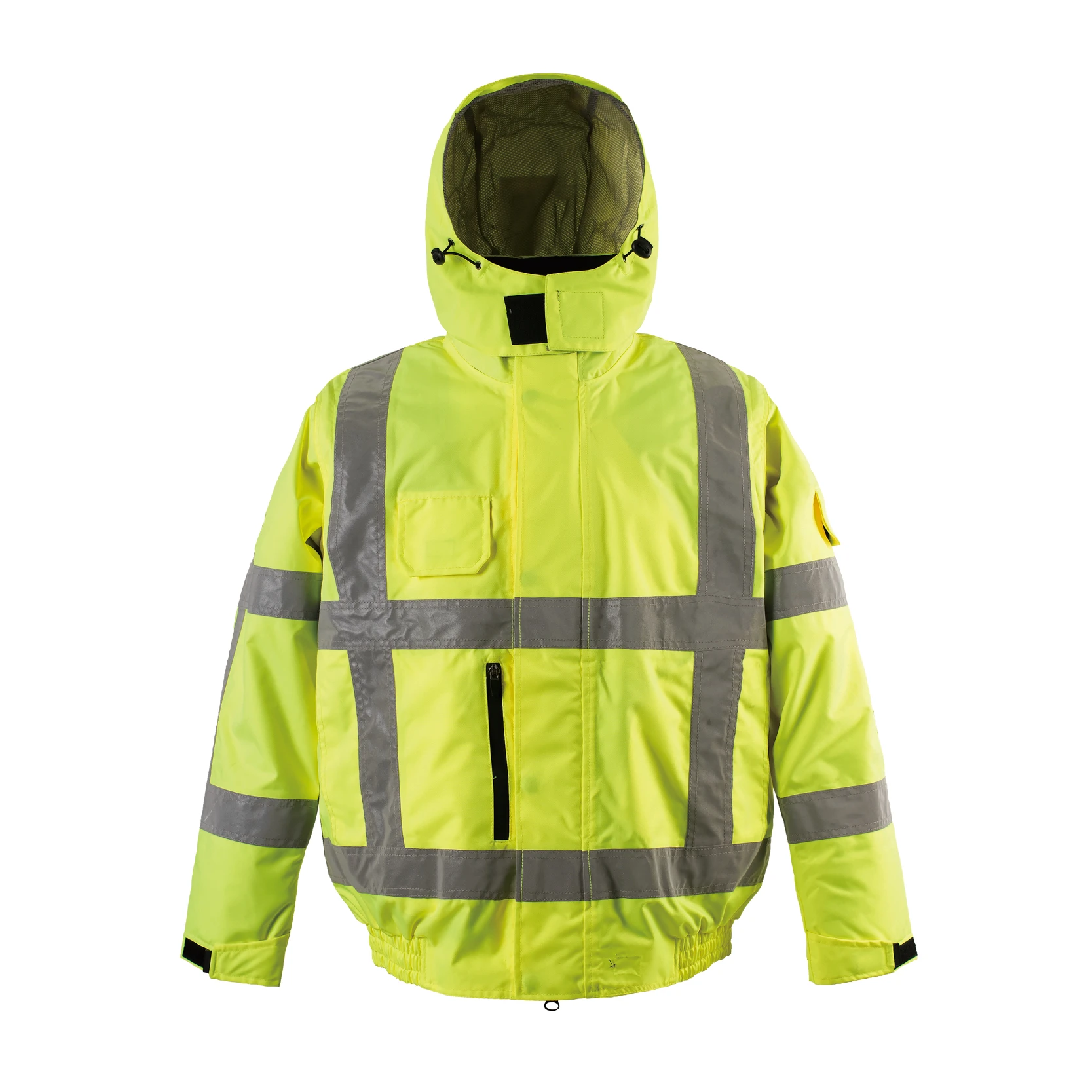

What Are High Visibility Insulated Coveralls and Why Do They Matter?
At first glance, high visibility insulated coveralls might sound like just another piece of protective gear, but they’re really more than that. These garments provide critical safety and warmth for workers in some of the harshest and most hazardous environments worldwide. When you think about the industries relying on them—construction, emergency response, utilities, or even shipping commodities in bitter cold settings—it’s no exaggeration to say they literally keep people safe and visible where failure could cost lives or serious injury.
Understanding the features and applications of these coveralls has a surprisingly broad impact—not only improving workplace safety but also enhancing productivity and compliance with global safety regulations. And honestly, it’s fascinating how these technical apparel pieces have been evolving to meet challenges we sometimes barely notice until a cold winter hits or a disaster response kicks in.
The Global Context: Why High Visibility Insulated Coveralls Are Essential
High visibility insulated coveralls are a staple in occupational safety worldwide. According to the International Labour Organization (ILO), over 2.3 million people die annually from workplace accidents and diseases, many related to exposure to hazardous environments. Equipment that boosts worker visibility and provides insulation in extreme weather conditions plays a big role in reducing these grim stats.1 Industrial sectors from the snowy Canadian oil fields to the cold docks in northern Europe rely heavily on these garments.
Oddly enough, while climate and geography are major factors, the rapid urbanization seen in many parts of Asia and Africa means construction and infrastructure projects often move fast, with safety gear sometimes lagging behind demand. High visibility insulated coveralls fill that gap, ensuring that workers remain both seen and protected, which reduces accidents and keeps the workflow smooth.
Defining High Visibility Insulated Coveralls
So, what exactly are high visibility insulated coveralls? Simply put, they are one-piece garments designed to make the wearer highly visible—typically in fluorescent yellow, orange, or lime hues—and insulated to retain heat during cold weather work. The high visibility aspect usually meets standards like ANSI/ISEA 107 or EN ISO 20471, meaning the garments have reflective tape and bright fabrics that are easily noticed during the day or night.
Think of them as your trusty armor in extreme cold work conditions, whether you’re a lineman fixing power lines during a blizzard or a responder coordinating relief after a disaster. The insulation part keeps the chill at bay, while the design keeps you visible. Without both, safety would be compromised.
Key Components that Make High Visibility Insulated Coveralls Effective
1. Durability and Material Quality
These coveralls are often constructed from tough, abrasion-resistant fabrics such as ripstop polyester or poly-cotton blends. The outer shell is usually water and wind-resistant—essential when you’re exposed to the elements. Longevity matters because replacement costs add up fast.
2. Thermal Insulation & Comfort
This is where they really shine. Insulation materials vary from thick fleece liners to advanced synthetic insulators that trap body heat without adding bulk. Many workers emphasize that the balance between warmth and mobility is crucial—too much insulation and you get clunky; too little and you risk hypothermia.
3. High Visibility Standards Compliance
It’s not just about a bright orange jumpsuit. The reflective tapes, placement, and fluorescent base colors need to comply with industry standards to be considered legitimate safety gear. This ensures visibility in low-light conditions, essential in road construction or emergency scenes.
4. Ease of Use and Accessibility
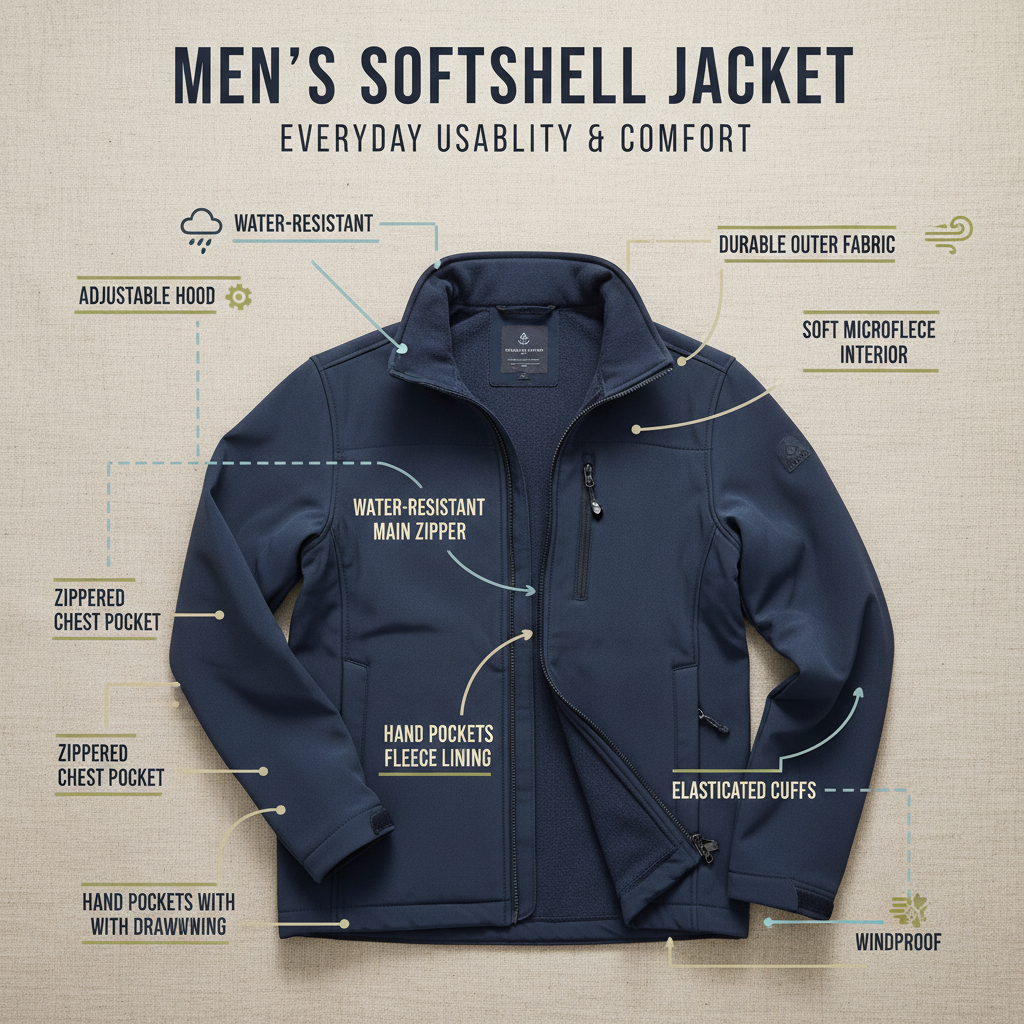
Features like adjustable cuffs, storm flaps over zippers, and pockets designed for tools make these coveralls practical for daily use. The design promotes ease of donning/doffing, critical in time-sensitive work environments.
Mini takeaway: Combining durable construction with thermal and visibility features makes these coveralls a frontline defense for cold-weather workers.
How High Visibility Insulated Coveralls Serve the World
These coveralls have found their way into all corners of the globe, adapted for diverse uses:
- Construction Sites: Particularly in northern Europe and North America, where icy conditions are frequent.
- Emergency & Disaster Relief: Post-disaster situations in areas like Alaska or Siberia where responders need protection and to remain visible.
- Utilities and Infrastructure: Linemen working in winter storms or remote oil & gas field operators in northern Canada and Russia.
- Mining and Heavy Industry: Especially underground or outdoor mines where temperature drops and visibility issues abound.
For instance, one NGO reported that their disaster response teams operating in sub-zero temperatures after a major earthquake in Central Asia credited insulated high visibility coveralls with reducing frostbite incidents by 40% over previous seasons.
Mini takeaway: Their use is widespread but tailored by region and industry—a versatile but specialized solution.
The Real Advantages and Lasting Value of These Coveralls
The benefits often go beyond the obvious safety considerations:
- Cost Efficiency: Durable materials and compliance with safety standards reduce workplace accidents and associated costs, not to mention insurance premiums.
- Sustainability: Many manufacturers now prioritize recycled materials and eco-friendly insulation options, aligning with ESG goals.
- Worker Wellbeing & Trust: Employees feel safer and respected when provided with quality gear — this helps retention and morale.
- Regulatory Compliance: Ensures companies stay on the right side of safety laws, avoiding fines or shutdowns.
Beyond the numbers, there’s an emotional aspect — for workers owning these coveralls, it often means dignity and confidence on the job. That’s not trivial, especially in demanding outdoor roles.
Product Specification Table
| Feature | Specification |
|---|---|
| Material | Ripstop polyester with PU coating |
| Insulation | Thinsulate™ 180g thermal lining |
| Visibility | Meets ANSI/ISEA 107 Class 3 standards |
| Water Resistance | 5000mm waterproof rating |
| Weight | 850 grams (size L) |
| Additional Features | Multiple tool pockets, adjustable cuffs, storm flap zippers |
Vendor Comparison: Choosing The Right Supplier
| Vendor | Price per unit | Customization Options | Lead Time | Certifications |
|---|---|---|---|---|
| Jide Garment Co. | $45 | Logo printing, size range, fabric blend | 2-3 weeks | ANSI/ISEA 107, ISO 14001 |
| Arctic Wear Ltd. | $52 | Color options, thermal rating upgrades | 4 weeks | EN ISO 20471, Oeko-Tex |
| SafeGuard Apparel | $48 | High-vis patterns, insulation weight options | 3 weeks | ANSI, ISO 9001 |
The Road Ahead: Emerging Trends & Innovations
As workers and industries demand smarter and more eco-friendly gear, the future of high visibility insulated coveralls is quite dynamic. Advanced materials like graphene-infused fabrics or phase change materials (PCMs) promise better temperature regulation. We’re also seeing smart textiles that can monitor worker vitals or alert them when visibility drops, integrated with digital workplace safety platforms.
Sustainability is becoming a defining trend—producers are shifting toward recycled polyester fibers and non-toxic treatments to cut the carbon footprint. Plus, automation in garment manufacturing is speeding up customization and shrinking lead times. Honestly, the evolution here feels a little like the future creeping into our everyday workwear.
Common Challenges and How Experts Approach Them
No gear is perfect. Some common pain points with high visibility insulated coveralls include balancing insulation versus mobility—too warm and workers feel constrained; too lightweight and they risk exposure. Sizing can also be problematic for layered clothing systems.
Experts recommend modular layering systems combined with breathable fabrics, adjustable ventilation, and advance moisture-wicking liners to improve comfort. On the supply side, ensuring reliable testing and certification remains key to maintaining quality across global manufacturers.
Frequently Asked Questions (FAQ) on High Visibility Insulated Coveralls
Q1: Are high visibility insulated coveralls suitable for extreme cold below -20°C?
Yes, many coveralls are specifically designed for sub-zero temperatures with high-grade insulation materials such as Thinsulate™ or down alternatives. However, selecting coveralls that meet specified thermal ratings and layering with base garments is recommended for optimal protection.
Q2: How do I ensure the coveralls meet safety regulations for my industry?
Look for certifications like ANSI/ISEA 107 (US) or EN ISO 20471 (Europe). These standards dictate minimum requirements for visibility and reflectivity. Vendors typically provide certification documents upon request, so always verify before purchasing.
Q3: Can high visibility insulated coveralls be customized for branding?
Absolutely. Many suppliers offer options to add logos, reflectivity patterns, or size adjustments. Customization helps companies reinforce brand identity and complies with specific operational needs.
Q4: How often should these coveralls be replaced?
This depends on usage intensity and washing cycles, but generally every 1–3 years. Regular inspections for fabric integrity, reflectivity fading, or insulation loss can guide timely replacements to maintain safety.
In Conclusion: A Long-Term Investment in Safety and Efficiency
High visibility insulated coveralls aren’t just cold-weather gear. They are a strategic safety solution that saves lives, reduces costs, and supports regulatory compliance worldwide. By choosing quality, compliant coveralls—like high visibility insulated coveralls from trusted vendors—you’re investing in worker confidence, operational continuity, and even sustainability.
If your team works where visibility fades and cold bites, these coveralls stand between safety and risk — a modest purchase with outsized value. Curious to learn more or ready for a quote? Visit our website for comprehensive options designed to fit your industry’s needs.
Final Mini takeaway: Not all coveralls are created equal. Understanding the layers of protection, visibility, and comfort can make all the difference in real-world safety.
References: