
What Is a High Visibility Hat and Why Does It Matter?
In the bustling world of industrial safety gear, the high visibility hat stands out as a small but crucial player. These aren’t just any hats — they’re designed specifically to keep workers safe by making them as visible as possible in tricky, dangerous environments. Whether it’s a construction site at dawn or a roadside crew battling traffic, these hats help reduce accidents, boost compliance with international safety standards, and frankly, sometimes save lives. Around the globe, where industrialization pushes forward yet safety standards differ, understanding and adopting these hats can make a huge difference.
Why the global fuss? According to the International Labour Organization (ILO), millions of workplace injuries result from poor visibility and inadequate personal protective equipment (PPE) each year. The high visibility hat isn’t a luxury; it’s a frontline defender, especially in sectors like construction, logistics, and emergency response.
Putting High Visibility Hats in Global Context
Look at the numbers: the World Health Organization estimates over 270 million workplace injuries annually worldwide, many avoidable with proper PPE. Globally, roadwork and construction sites are hotspots of risk, often in regions where stringent safety regulations are only emerging or partially enforced. This reveals a huge challenge — how to protect workers under often harsh conditions, limited budgets, and occasional resistance to safety norms. The high visibility hat plays right into this puzzle, bridging safety, comfort, and compliance in one neat package.
It’s also about visibility beyond just light conditions — the UN emphasizes that in humanitarian crises, identifying frontline workers instantly is critical for security and efficiency. So whether a timber worker in Canada or a flood relief team in Southeast Asia, this gear is universally significant.
Defining the High Visibility Hat — Simple and Practical
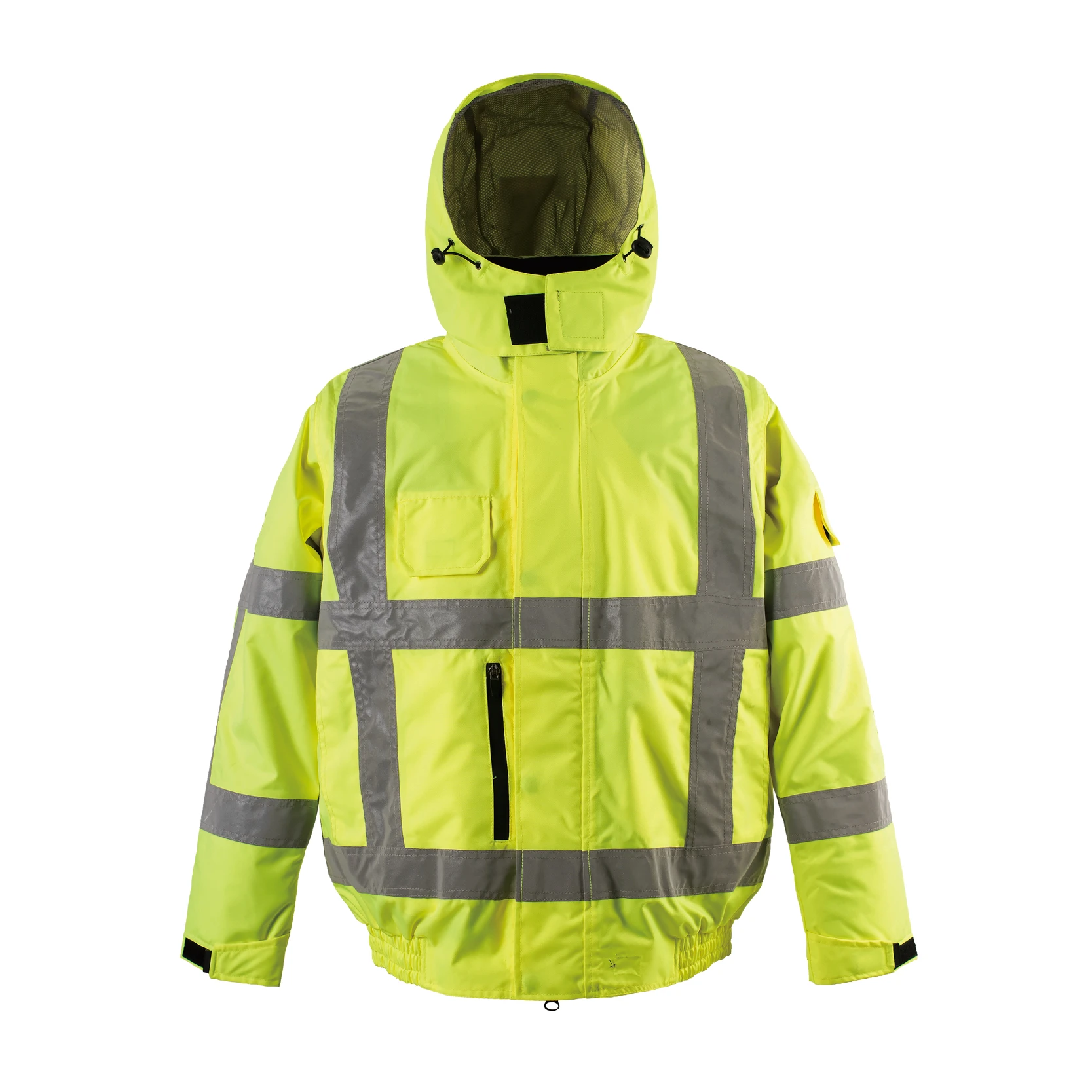
Simply put, a high visibility hat is a headwear item made from neon or fluorescent materials—often lime green, bright orange, or yellow—and integrated with reflective strips. Its purpose? To ensure the wearer stands out vividly against any background in various weather or lighting conditions. Unlike a regular hard hat or baseball cap, it’s optimized for visual detection both day and night.
But it’s not just about color. These hats often combine comfort, durability, and safety standards like ANSI/ISEA 107 in the U.S. or EN ISO 20471 in Europe. So in industries where split-second decisions mean life or injury, these hats are the silent but trusted right hand to workers 24/7.
Core Components of a High Visibility Hat
- Material & Color – Neon fabric is the base; choose lime, orange, or yellow, with certified fluorescence for best performance.
- Reflective Tape – Positioned strategically on the hat to catch light from all angles, especially in low-light scenarios.
- Comfort & Fit – Adjustable straps and breathable fabric keep workers from overheating or feeling restricted, which safety gear often risks.
- Durability & Weather Resistance – These hats endure rain, sweat, dust, and rough handling crucial for long shifts.
- Certification Compliance – Certifications prove that the hat meets safety standards that protect workers and satisfy regulations.
Mini takeaway: In essence, a high visibility hat blends science and comfort so workers are seen clearly — one simple but effective layer of workplace protection.
Real-World Applications of High Visibility Hats Globally
You’ll find high visibility hats in action everywhere safety matters. Road crews on highways in the U.S. rely on them to ensure drivers spot them in time. In mining regions of Australia, hats with reflective materials help workers navigate dust and darkness safely. After natural disasters—think earthquakes or hurricanes—humanitarian workers wear these hats to stay visible during rescue and rebuilding efforts, often under chaotic conditions.
Industries benefiting the most include:
- Construction and civil engineering
- Transportation and logistics
- Emergency response teams and disaster relief agencies
- Mining and heavy manufacturing
- Utilities and telecommunication workers
Oddly enough, it’s not just industrial zones. Even warehouse workers and event marshals in crowded festivals are seeing the upsides.
Advantages & Long-Term Value of Using High Visibility Hats
Here’s the straightforward logic: accidents become fewer. Costs from injuries, legal issues, and downtime shrink. Workers feel more secure, which raises morale and productivity. Safety isn’t just a checkbox, it’s a living culture — something that these hats symbolize clearly.
- Cost-Effectiveness: Relatively affordable yet high ROI through injury prevention.
- Sustainability: Long-lasting materials reduce waste, many vendors now moving to eco-friendly fabrics.
- Social Impact: Protects lives and dignity of workers, especially in vulnerable regions.
- Reliability: Tested and certified for strict safety standards worldwide.
- Innovation Integration: Increasingly incorporates smart features like RFID or GPS tracking for workforce management.
It almost feels like an unsung hero. Safety equipment often gets overlooked, but a high visibility hat quietly earns its keep.
Future Trends in High Visibility Hats
Tech is creeping in. Expect lighter, more breathable, and environmentally responsible fabrics. Some brands are experimenting with antimicrobial layers or solar-powered LED strips – yes, light on your head! Also, digital compliance tracking through embedded chips is on the horizon, meaning supervisors can monitor gear compliance in real time, boosting accountability.
Green energy adoption and circular economy ideals mean more hats will be recyclable or made from recycled materials. Automation and smarter manufacturing also lower costs and speed up innovation cycles, making this gear more accessible in emerging markets.
Product Specification Table
| Specification | Detail |
|---|---|
| Material | Fluorescent polyester fabric with reflective tape |
| Color Options | Lime green, safety orange, bright yellow |
| Certification | ANSI/ISEA 107-2020, EN ISO 20471 |
| Adjustability | Velcro strap or buckle system |
| Weight | Approx. 150 grams |
| Additional Features | Optional LED strip, antimicrobial coating |
Vendor Comparison: Leading High Visibility Hat Suppliers
| Vendor | Price Range (per unit) | Certification | Unique Features | Global Reach |
|---|---|---|---|---|
| BrightGear Inc. | $8 – $15 | ANSI, EN ISO 20471 | LED strip option, RFID tags | USA, EU, Asia |
| SafeSight Apparel | $6 – $12 | ANSI/ISEA | Eco-friendly fabrics, antimicrobial | North America, South America |
| Global Safety Solutions | $7 – $14 | EN ISO 20471 | Customizable branding, high durability | Europe, Africa, Asia |
Challenges in Adopting High Visibility Hats and How to Overcome Them
Common challenges include discomfort during hot weather, resistance to wearing PPE due to bulky feel, and inconsistent compliance across diverse teams. Also, in developing areas, cost and availability remain hurdles. Yet solutions are emerging: using breathable mesh panels, lightweight reflective materials, and awareness campaigns that promote safety culture instead of harassment. Many manufacturers are also exploring tiered pricing and partnerships with NGOs to distribute quality gear more widely.
FAQ: Frequently Asked Questions About High Visibility Hats
- What makes a high visibility hat better than a standard hard hat?
- Besides color and reflective elements that enhance visibility, high visibility hats are often designed for comfort and comply with higher safety standards. They help workers stand out in both daylight and night-time environments, reducing incidents caused by low visibility.
- Can a high visibility hat be used in all weather conditions?
- Generally, yes. These hats are typically made from weather-resistant, breathable materials that withstand rain, sun, and dust. However, extreme weather might require specialized versions with additional protection.
- Are these hats compatible with other PPE like ear protection or helmets?
- Many high visibility hats are designed as standalone items, but some integrate with or fit underneath hard hats, or have slots to accommodate communication devices, balancing visibility and functionality.
- How do I ensure compliance when purchasing high visibility hats for my workforce?
- Look for products certified to recognized standards such as ANSI/ISEA 107 or EN ISO 20471. Regular training and audits also boost compliance beyond simply having the right gear.
- Where can I find affordable, certified high visibility hats internationally?
- Several reputable vendors ship worldwide. Checking vendors that offer certifications, customization, and good customer support—like those compared above—is a great starting point.
Wrapping Up: Why a High Visibility Hat Is More Than Just a Hat
In real terms, the high visibility hat symbolizes safety commitment, practical innovation, and worker dignity all bundled into one. Whether you’re upgrading worksite PPE or gearing up relief volunteers, this hat offers consistent, proven protection that often goes unnoticed until it’s absolutely necessary. Feel free to explore more about these essential safety tools at high visibility hat suppliers and discover the difference they make. Because sometimes, all it takes is a bright hat to make a big difference.
References:
1. International Labour Organization (ILO): https://www.ilo.org
2. ANSI/ISEA 107 Standard: https://safetyequipment.org/standard/ansi-isea-107/
3. United Nations Office for Disaster Risk Reduction (UNDRR): https://www.undrr.org