
Understanding High Visibility Green: Why It Matters Globally
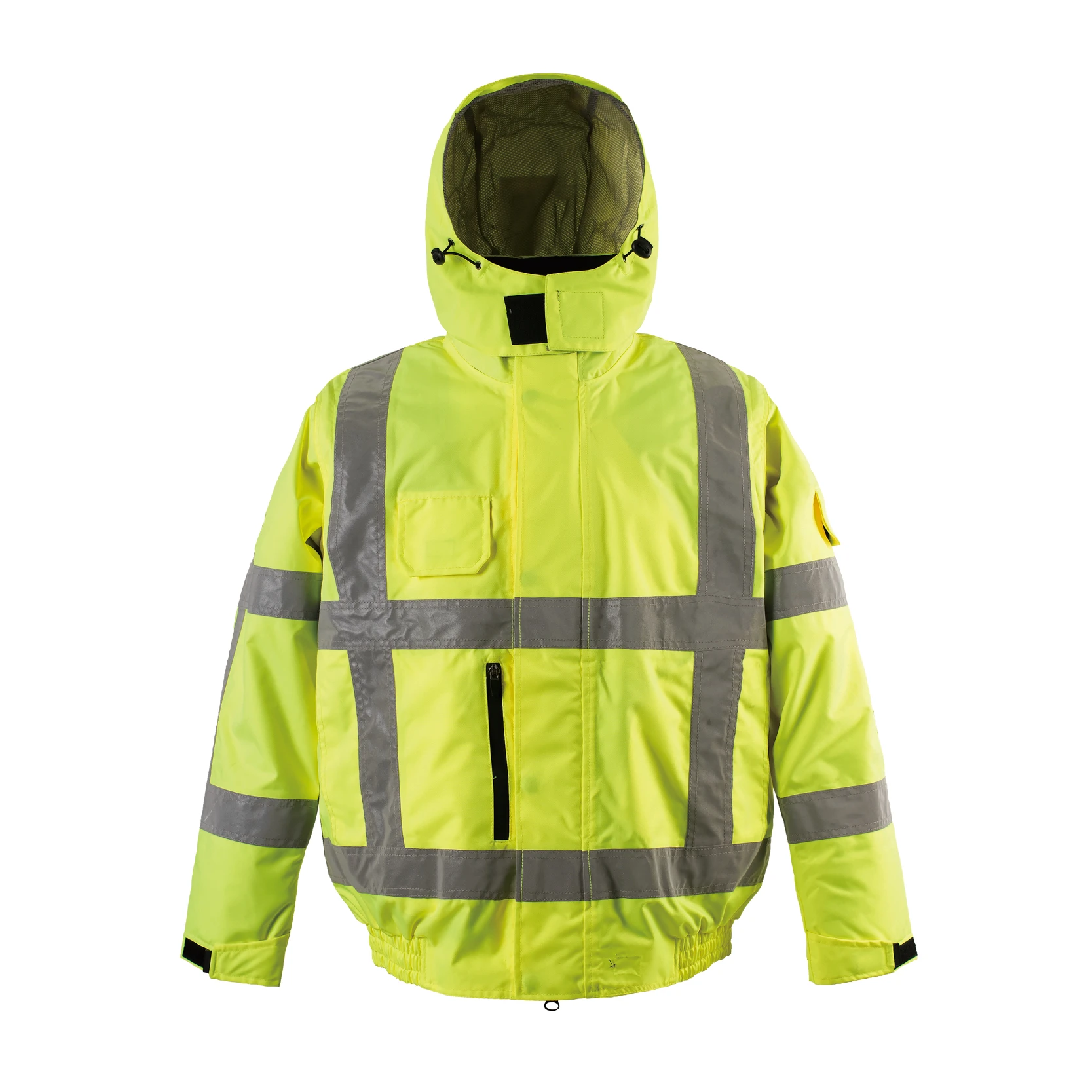
If you’ve ever worked near a construction site or walked across a busy road at dusk, you’ve probably noticed gear or signage glowing vibrantly in a brilliant shade of green—otherwise known as high visibility green. This vivid color isn’t just a fashion choice; it’s a critical safety tool designed to grab attention and prevent accidents worldwide. From roadside workers to emergency responders, this neon hue helps save lives by enhancing visibility in low-light or hazardous conditions. Today, understanding the nuances of high visibility green isn’t simply about fashion or branding; it’s a global imperative that intersects safety, technology, and manufacturing.
In an increasingly fast-paced world, where industries range from logistics to public safety, using materials and colors that improve visibility boosts operational efficiency and saves downtime caused by accidents. And with urbanization surging—according to the United Nations, 68% of the world’s population is expected to live in cities by 2050—the significance of high visibility apparel and signage is only growing.
Mini takeaway: High visibility green is a global safety standard that aligns with increasing urban density and workplace safety needs.
Global Context: Why Industries Are Embracing High Visibility Green
The demand for high visibility colors sees no borders. Worldwide, government regulations and safety protocols dictate the use of fluorescent colors—usually green, yellow, or orange—to ensure human safety in dangerous settings. For example, the ISO 20471 standard specifies the use of high visibility materials in protective clothing. In the U.S., the Occupational Safety and Health Administration (OSHA) mandates such equipment for workers near vehicular traffic.
Issues like poor weather, nighttime work, or chaotic industrial environments heighten risks that these colors mitigate. Oddly enough, while orange often dominates roadside visibility, green is preferred in many sectors for its eye-catching brilliance and slightly different wavelength—meaning sensors and human eyes detect it especially well in cluttered environments.
Mini takeaway: International safety standards and diverse industry needs have cemented high visibility green as an essential protective feature in many work environments.
What Exactly Is High Visibility Green?
Put simply, high visibility green refers to a bright, fluorescent shade of green designed to reflect maximum light and grab the human eye instantly, especially in conditions that challenge visibility. Its core distinction lies in its composition—materials dyed with fluorescent pigments that absorb ultraviolet light and re-emit it as visible light.
This characteristic is why it seems to glow under certain lighting—nighttime, foggy weather, or even artificial illumination. Industries rely on this color heavily in protective clothing, signage, and safety gear to help humans stand out amidst complex surroundings. More than just a color, it’s a scientifically designed safety mechanism that taps into human vision traits and light physics.
Mini takeaway: High visibility green is a fluorescent pigment-based color engineered specifically for maximum alertness and visual detection.
Core Components of Effective High Visibility Green Products
1. Durability
Many engineers say the toughest challenge is ensuring high visibility materials maintain their vibrant green in harsh conditions—think sun exposure, abrasion, or washing. Durable fabrics and coatings retain their reflective quality and fluorescence even after months of use.
2. Reflectivity
It’s not just about brightness; reflective strips paired with fluorescent green amplify visibility. These materials bounce light back toward its source—such as car headlights—making wearers or markers clearly distinguishable at night.
3. Comfort & Breathability
For wearable items like vests or jackets, comfort is key. High visibility green clothing often uses lightweight, breathable textiles that workers can wear for long shifts without overheating or restricting movement.
4. Scalability
From small accessories like gloves to large-scale safety barriers and nets, this color is adaptable across various product sizes and industry niches.
5. Cost Efficiency
While premium fluorescent materials might initially seem pricier, their longevity and impact on accident reduction offer long-term savings.
Mini takeaway: Durability, reflectivity, comfort, adaptability, and cost balance define the best high visibility green products.
Global Applications & Real-World Use Cases
- Construction & Road Safety: Workers’ vests and helmets are often clad in high visibility green to prevent accidents on busy sites.
- Emergency Services: Paramedics and rescue teams use green to stand out in chaotic disaster zones.
- Industrial Plants: In dimly lit factories or warehouses, staff wear green safety gear to prevent collisions.
- Environmental Monitoring: Park rangers and field scientists wear this color to be seen by colleagues and visitors.
- Transport & Logistics: Warehouse workers and airport handlers sporting green garments help traffic controllers locate personnel instantly.
For instance, in flood relief operations in Southeast Asia, rescuers don high visibility green suits to maintain visibility in murky waters and dense foliage. Oddly enough, the hue’s glow also aids drone operators in tracking ground teams remotely.
Mini takeaway: Applications span multiple continents and industries—from emergency aid to everyday manufacturing—to improve safety and coordination.
Advantages & Long-Term Value of High Visibility Green
In practice, adopting this vibrant shade accomplishes much more than meeting safety codes:
- Reduced Accident Rates: Clearer visibility means fewer mishaps, fewer worker injuries, and less downtime.
- Sustainability: Long-lasting materials reduce waste and replacement frequency.
- Peace of Mind: Workers feel safer knowing they’re easily spotted, which boosts morale and trust.
- Brand & Compliance: Organizations reinforce their commitment to safety and community well-being.
The emotional edge—knowing everyone on-site is accounted for and visible—is hard to quantify but deeply valued.
Product Specification Table
| Specification | Detail |
|---|---|
| Color Code (Pantone) | 802 C (Fluorescent Green) |
| Reflective Material | Glass bead-based retroreflective tape |
| Fabric Type | Polyester mesh, breathable & lightweight |
| UV Resistance | Up to 1000 hours exposure without fading |
| Size Variants | XS to 5XL (custom orders available) |
| Certifications | ISO 20471 Class 2, ANSI/ISEA 107-2020 |
Leading Vendors: A Quick Comparison
| Vendor | Material Quality | Price Range | Customization | Delivery Time |
|---|---|---|---|---|
| GreenTech Safety | Premium with enhanced UV coating | $$$ (Mid-high) | Full logo & sizing options | 2-3 weeks |
| SafeWear Inc. | Standard reflective quality | $$ (Mid) | Limited custom colors | 1-2 weeks |
| VisionGear Pro | High reflectivity with eco-friendly fabric | $$$ | Custom batch sizes available | 3-4 weeks |
Emerging Trends: What’s Next for High Visibility Green?
It feels like every few years, there’s another leap in materials science or technology that benefits high visibility gear. Recent innovations include:
- Eco-conscious dyes: Biodegradable fluorescent pigments that reduce environmental impact.
- Smart fabrics: Integrating LEDs or reflective nano-coatings for dynamic visibility adjustments.
- Digital integration: GPS-enabled safety vests that alert supervisors if a worker’s in a dangerous zone.
- Automation compatibility: Gear coordinated with autonomous machines to reduce human-machine accidents.
Given global pushes toward sustainability, high visibility green solutions using greener materials and circular economy models will likely become the norm.
Addressing Challenges & Unlocking Solutions
A common limitation of fluorescent green products is fading over time when exposed to harsh UV rays or frequent washing. This reduces effectiveness — potentially risking safety due to obscured visibility. However, manufacturers are experimenting with ultraviolet inhibitors and layering techniques that significantly extend lifespan.
Another challenge is cost. Some clients shy away from premium gear because of upfront prices. But roughly, investing in durable high visibility green gear pays off through fewer accidents and regulatory fines.
Lastly, ensuring compliance across various international standards can be a maze. Consulting experienced vendors with global certifications helps organizations navigate this complexity seamlessly.
FAQs: Practical Questions About High Visibility Green
Q1: How long does high visibility green gear typically last in industrial conditions?
A1: Most quality high visibility green products maintain their fluorescence and reflectivity for 1–3 years under regular industrial use, depending on exposure to UV light and abrasion. Extended life often requires following manufacturer washing and care instructions.
Q2: Can high visibility green materials be customized to include company logos?
A2: Absolutely! Many vendors offer customization options that incorporate logos, names, or additional colors while maintaining safety standards. It’s a popular choice for branding and worker identification.
Q3: Is high visibility green suitable for night-only work environments?
A3: Yes. In fact, pairing fluorescent green with reflective strips optimizes nighttime visibility by reflecting headlights and streetlamps, making workers highly noticeable in dark conditions.
Q4: Are there sustainable options for high visibility green clothing?
A4: Sustainable options are growing, including recycled polyester and eco-friendly fluorescent pigments. These products meet safety standards while also reducing environmental footprints.
Q5: How does high visibility green compare to other colors like orange or yellow?
A5: Green is especially visible in urban or natural settings because of its distinct wavelength and less frequent background appearances compared to orange or yellow, making it ideal for certain industries or environments.
Conclusion: Why Investing in High Visibility Green Pays Off
At its heart, high visibility green is more than just a bold color choice — it’s a strategic decision that protects lives, elevates operational safety, and future-proofs industries amid growing urban complexity and environmental concerns. With ongoing innovations enhancing durability, comfort, and sustainability, organizations can confidently invest in solutions that meet both today’s demands and tomorrow’s challenges.
Ready to upgrade your safety gear? Visit our website to explore premium high visibility green products designed for global standards and real-world conditions.
References:
1. United Nations – Urbanization Prospects: un.org
2. ISO 20471 High Visibility Clothing Standard: iso.org
3. OSHA Personal Protective Equipment Regulations: osha.gov