
What Is High Visibility Gear and Why Does It Matter?
High visibility gear — it’s more than just neon vests and reflective stripes. In sectors from construction sites to emergency response teams, this specialized clothing is a small but crucial line of defense against accidents. Globally, industries and humanitarian organizations use it to ensure workers and volunteers remain clearly seen in challenging environments. Understanding high visibility gear helps businesses comply with safety regulations, protects lives, and boosts operational efficiency.
And frankly, as traffic volumes increase, and as industrial work expands even in remote regions, the relevance of being instantly visible just can’t be overstated. It’s about safety, yes, but also about dignity and trust in fast-paced, sometimes dangerous contexts.
The Global Context: Why High Visibility Gear Is So Critical Now
It’s fascinating how something as simple as wearing brightly colored, reflective equipment can have huge global implications. The International Labour Organization (ILO) estimates that over 2.3 million people worldwide die annually due to work-related accidents and diseases. Many of these could be mitigated with better protective measures like high visibility gear.
Additionally, road traffic injuries remain a leading cause of death globally, according to the World Health Organization (WHO). Emergency responders and road workers, often operating in low-visibility zones, rely heavily on such gear.
On a policy level, standards like ISO 20471 codify the specifications for high-visibility clothing, pushing manufacturers and employers to meet stringent visibility requirements. It’s not just a “nice to have” anymore.
However, one major challenge remains: differing quality and durability of gear in varied climates and industrial settings — not every vest or suit performs well after heavy wear or extreme weather exposure.
Mini takeaway:
- High visibility gear is a globally relevant safety standard with measurable impact on accident reduction.
- Enforced standards like ISO 20471 help ensure consistency but challenges persist in diverse environments.
Defining High Visibility Gear: What Does It Actually Mean?
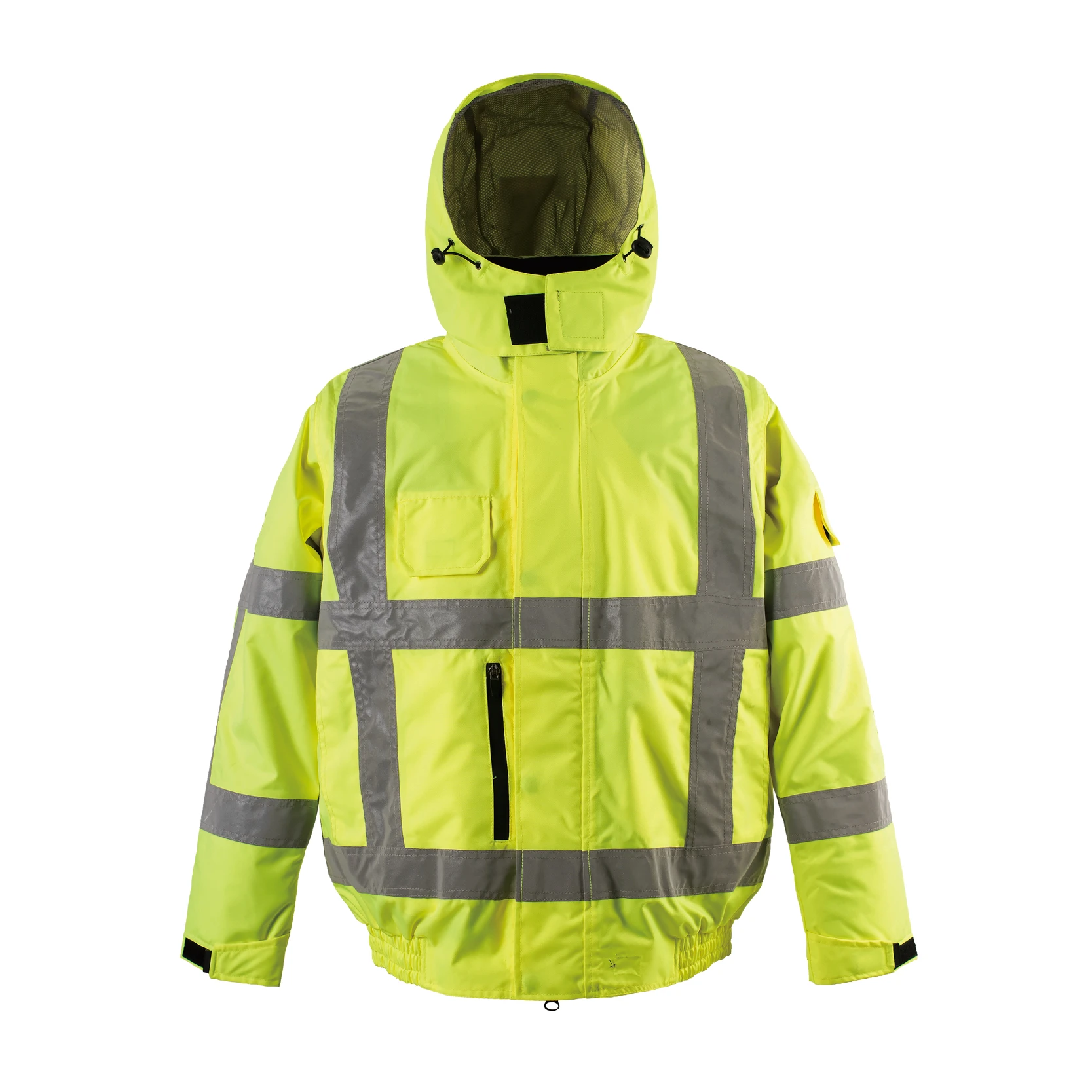
In simplest terms, high visibility gear refers to clothing designed to make the wearer clearly visible under a wide range of conditions. This usually means materials that are fluorescent and embedded with reflective tape or coating that catch light even when it's dim.
These garments are often brightly colored neon yellow, orange, or lime green, chosen because our eyes are most sensitive to these hues during dawn, dusk, or smoke-filled surroundings.
Beyond the colors, the reflective elements ensure visibility even in complete darkness when hit by headlights or other light sources. This combination is widely used in industries that operate near traffic, heavy machinery, or in low-light environments — construction, road maintenance, airports, and more.
In humanitarian or disaster relief settings, high visibility gear helps first responders coordinate quickly and safely in chaotic, potentially hazardous environments.
Mini takeaway:
- High visibility gear combines bright fluorescent colors with reflective materials.
- Designed to maximize visibility across lighting conditions and operational environments.
Core Aspects of High Visibility Gear That Matter
1. Durability & Material Quality
Many engineers, including those I’ve chatted with, emphasize that gear needs to withstand washing, rough usage, sunlight exposure, and even chemical spills on sites. Polyester blends and specialized nylon fabrics are common due to their robustness and colorfastness — you don’t want your bright orange faded after a couple of weeks.
2. Reflectivity Standards
The reflective tape or fabric should meet recognized standards like ANSI/ISEA 107 in the US or ISO 20471 internationally. There’s a science here — the retroreflective stripes bounce light back to its source, enhancing visibility from afar or at night.
3. Comfort & Fit
Oddly enough, these safety garbs mustn’t make workers feel like they’re wearing a straightjacket. Breathability, appropriate sizing, and ergonomic design go hand in hand with compliance. Otherwise, workers might just remove them, defeating the purpose.
4. Weather Resistance
Rain, wind, mud — industries especially outdoors need gear that performs come rain or shine. Water-resistant coatings or fully waterproof variants exist and are crucial in certain climates.
5. Cost Efficiency
For large enterprises or NGOs, budget constraints matter. Finding a balance between cost, durability, and compliance is a constant dance.
Mini takeaway:
- Durability, reflective performance, comfort, weather resistance, and cost all interplay.
- Choosing the right high visibility gear depends on specific operational needs.
How High Visibility Gear Powers Various Global Applications
From the urban hustle of US highway construction zones to the rugged, disaster-struck valleys in Southeast Asia, high visibility gear is a common thread.
- Construction & Infrastructure: Millions of workers worldwide depend on it to remain safe around machinery and vehicles.
- Emergency & Disaster Relief: Teams from the UN and NGOs like the Red Cross deploy high visibility vests to mark personnel in chaotic, dark, or smoke-obscured zones post-disaster.
- Road & Traffic Management: Municipal and regional highway departments equip road workers with these for night shifts and busy traffic conditions.
- Industrial Plants & Warehousing: In factories and ports, high visibility gear helps avoid accidents where forklifts and heavy equipment are moving.
Take for example a recent rescue mission in Chile, where earthquake responders needed quick identification amid landslides and dust storms — wearing specialized reflective gear literally helped save time and lives.
Mini takeaway:
- Global application spans multiple industries and emergency roles.
- Each use case demands tailoring specifications to environmental and operational needs.
The Real Advantages & Long-Term Value of Using High Visibility Gear
It’s not just a checklist item — high visibility gear is an investment. In real terms:
- Safety: Dramatically reduces accidents by making workers visible.
- Regulatory Compliance: Helps organizations meet legal requirements, reducing fines and liability.
- Operational Efficiency: Enables faster identification and coordination, especially among emergency teams.
- Sustainability: Some modern gear uses recycled materials and durable fabrics lasting many months, cutting waste.
- Social Impact: Promotes dignity and professionalism on-site, fostering trust among workers and the public.
Emotionally, knowing you belong to a safe, regulated workplace matters. And innovation in this space ties into digital tracking and smart fabrics, promising even more reliability.
Product Specification Table
| Feature | Specification | Typical Standard |
|---|---|---|
| Material | Polyester mesh with reflective tape | ISO 20471 Class 2 |
| Color | Neon orange or lime yellow | High Fluorescence Requirement |
| Reflective Tape Width | 50 mm minimum | ANSI/ISEA 107 Class 2 |
| Water Resistance | Light rain resistant coating | EN 343 compliant (optional) |
| Weight | 150 g/m² fabric | Comfort and durability balance |
Vendor Comparison: What to Look For When Choosing Suppliers
| Vendor | Certifications | Product Range | Price Range (USD) | Lead Time |
|---|---|---|---|---|
| BrightSafety Co. | ISO 20471, ANSI/ISEA 107 | Vests, jackets, rain gear | $8 - $30 per unit | 2-3 weeks |
| LumiGear Ltd. | ISO 20471 only | Vests, trousers | $6 - $25 per unit | 3-4 weeks |
| AlertWear Industries | ANSI/ISEA 107 only | Full gear sets | $12 - $40 per unit | 1-2 weeks |
Looking Ahead: Innovations and Trends in High Visibility Gear
We’re entering a fascinating era for high visibility safety apparel. New materials are arriving that integrate LED lighting or smart sensors to enhance visibility beyond reflective strips, adapting dynamically to conditions.
Also, sustainability is pushing manufacturers to create gear from recycled plastics and organic fabrics without sacrificing durability or brightness.
Digitally, smart tagging (RFID and GPS) is becoming common for workforce monitoring and emergency tracking — imagine knowing exactly where every crew member is, instantly.
Challenges and Practical Solutions
Even with advances, some problems linger:
- Degradation after wear: Frequent laundering can dull fluorescence and reflective capability.
- Cost Constraints: High-grade gear can be pricey, especially for NGOs or small businesses.
- Fit and Size Variability: Ill-fitting garment compromises safety and comfort.
Solutions? Manufacturers now focus on enhanced fabric technologies promising better color retention and reflective durability. Bulk purchasing agreements can reduce cost per unit. Plus, many vendors offer customizable sizing ranges to improve fit.
FAQ: Your Common Questions About High Visibility Gear
- What materials are best for long-lasting high visibility gear?
- Polyester blends with high-quality reflective tapes that are ISO 20471 certified tend to last longest while maintaining bright color and reflectivity after multiple washes.
- How often should high visibility garments be replaced?
- Typically, every 6-12 months depending on usage intensity; faded or damaged reflective stripes reduce effectiveness and create safety risks.
- Can high visibility gear be customized for different industries?
- Yes, many suppliers offer tailored product lines with specific colors, additional pockets, logos, and weatherproofing geared towards particular occupational needs.
- Are there environmental concerns with high visibility clothing?
- Conventional vinyle-based reflective materials pose disposal challenges; however, newer biodegradable and recycled fabric options are emerging to address sustainability.
Wrapping Up: Why Investing in High Visibility Gear Pays Off
Taking a long view, high visibility gear is a powerful investment in safety, compliance, and worker dignity. It pays back in fewer accidents, smoother operations, and peace of mind. Whether you’re managing a country’s infrastructure projects or coordinating an emergency response team, these garments are a foundational piece — like the humble coffee mug on your desk, you don’t notice it until it’s missing.
If you’re interested in exploring or upgrading your inventory of high visibility gear, spend some time reviewing your real operational needs, vendors’ certifications, and durability claims. The right product can make all the difference — literally, a life saver.
Stay safe, stay seen.