
Understanding the High Visibility Jacket: Why It Matters Worldwide
If you've ever wondered why certain workers or emergency responders seem to glow almost under any lighting—well, chances are they're wearing a high visibility jacket. This seemingly simple piece of apparel has a much deeper global significance than the casual passerby might guess. Beyond just adding a splash of neon to a workday, high visibility jackets save lives by making people visible in potentially dangerous environments. According to the International Labour Organization, visibility gear like these jackets reduces workplace accidents dramatically, a boon across sectors and continents.
What makes understanding these jackets so valuable isn't just safety — it's also about how they're intertwined with regulations, evolving materials, and social responsibility in industries from construction in Europe to traffic management in Asia. Sure, they help keep us safe, but they also tell a story about global standards and innovation that sometimes flies under the radar.
The Global Context: Why High Visibility Jackets Are More Relevant Than Ever
In 2023, industrial accidents and road safety remain pressing global issues. The UN Road Safety Collaboration highlights that approximately 1.3 million people die annually in traffic-related incidents, many of which involve low visibility conditions. That’s no small thing. Meanwhile, rapid urbanization and expanding infrastructure projects worldwide have sharply increased the demand for effective personal protective equipment (PPE), including high visibility jackets.
Industries and governments encounter a tricky challenge: how to improve worker visibility without compromising comfort or environmental standards. Enter the high visibility jacket—it's a frontline defense, mandated by standards like ISO 20471, which specifies the minimum requirements for visibility apparel. Without it, the risk of injury skyrockets in dimly lit job sites or hazardous weather. Those simple neon jackets are saving lives daily, from New York's subway maintainers to construction crews on sprawling African highways.
What Exactly Is a High Visibility Jacket?
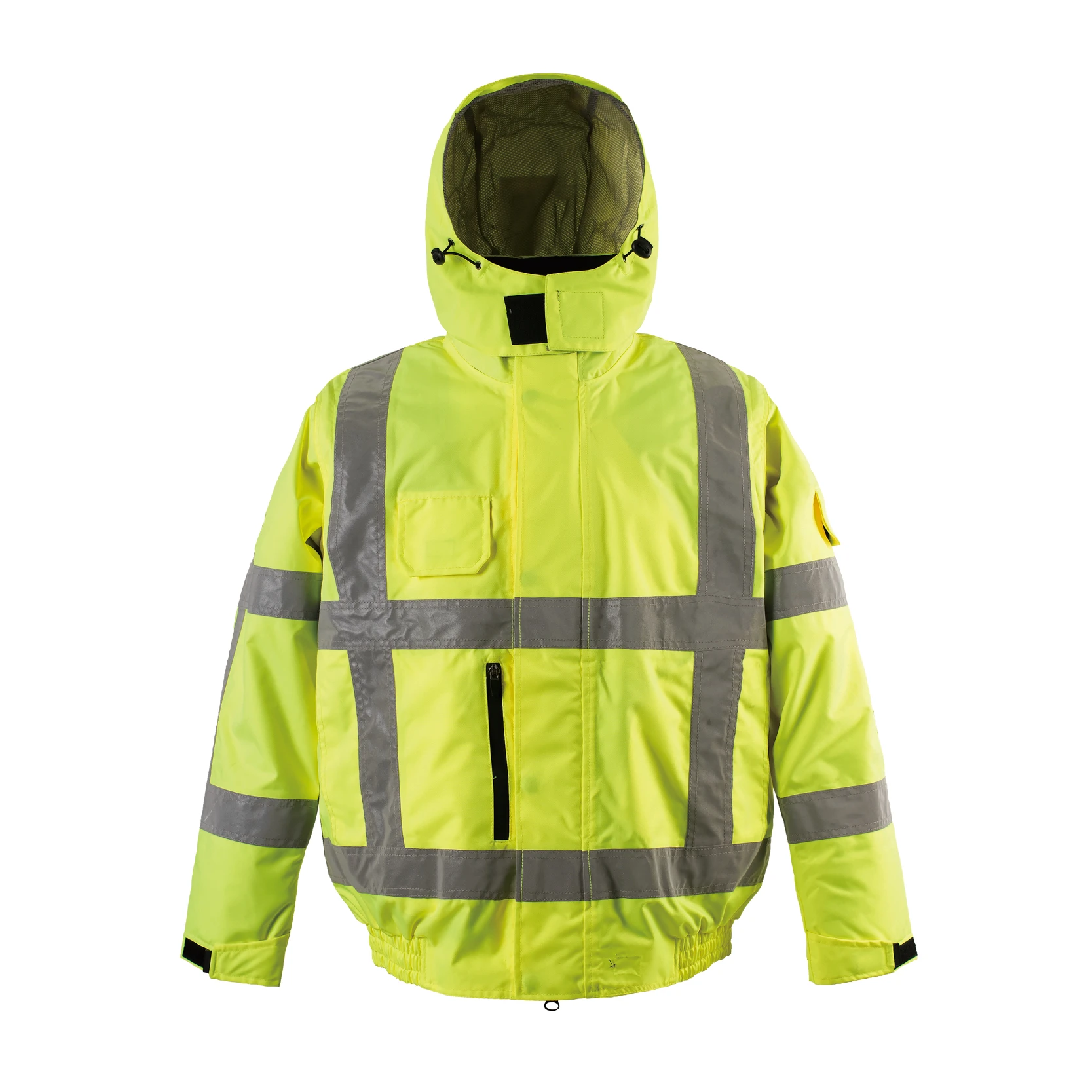
Simply put, a high visibility jacket is a specialized piece of clothing designed to make the wearer stand out in low light or distraction-heavy environments. Its bright fluorescent colors—lime yellow, orange, or red—combined with reflective tape work together to reflect light back to its origin point, whether that's a vehicle’s headlights or a flashlight.
These jackets aren’t just for industrial workers or emergency teams. Increasingly, they’re a staple in humanitarian aid contexts and community safety programs globally. Think post-disaster relief efforts where safe movement amid chaos is critical, or volunteer cleanup crews working roadsides after hours.
Key Features of a High Visibility Jacket
Durability
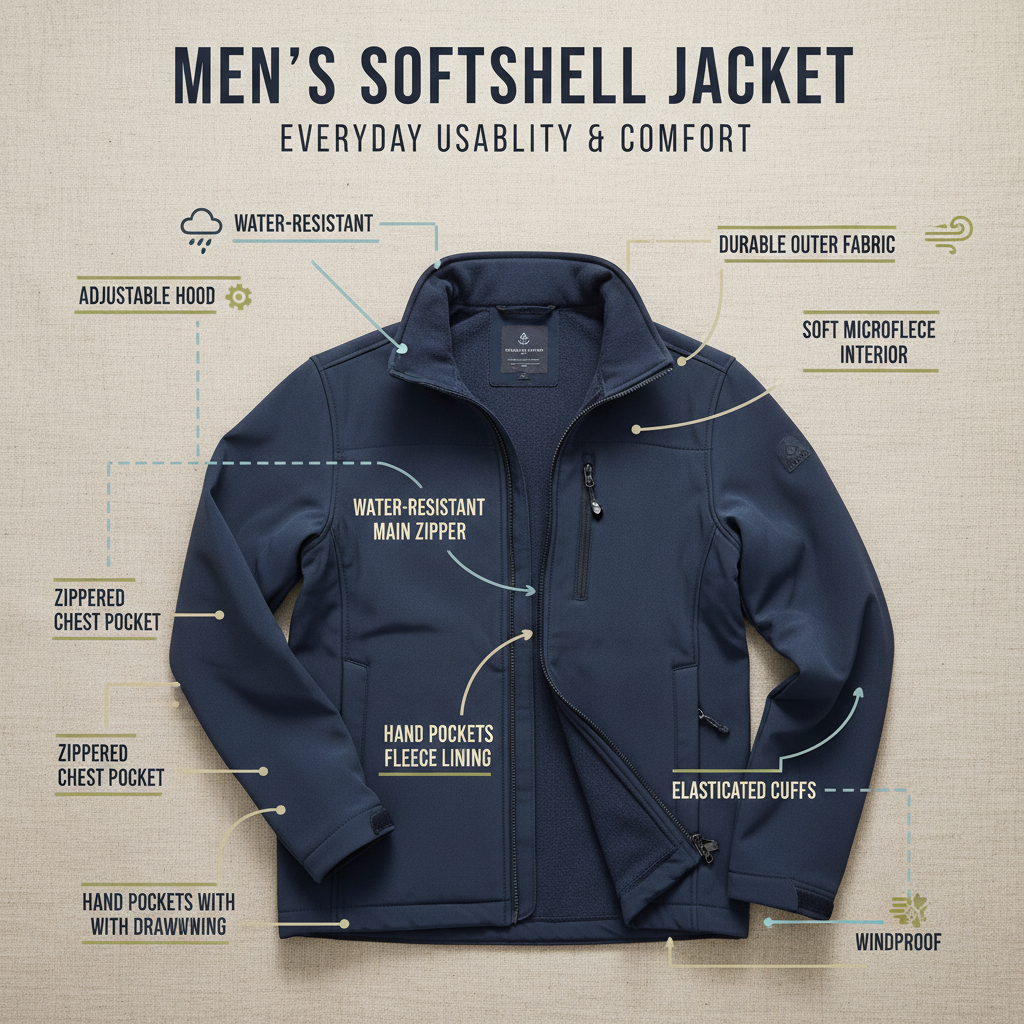
High visibility jackets need to withstand harsh conditions—abrasion, rain, and intense temperature fluctuations. Durable fabrics like polyester blends resist wear and tear, making them reliable for long-term use.
Visibility Standards Compliance
These jackets must meet strict regulations (ISO 20471 is the big one) assuring sufficient background color and reflective tape coverage to maximize visibility from all angles. That compliance is non-negotiable for any professional use.
Comfort & Breathability
Long shifts mean these jackets can’t just be bright; they must also be breathable to avoid overheating. Mesh panels and moisture-wicking linings play a big role here.
Weather Resistance
Whether snow, rain, or dust storms, these jackets often incorporate waterproofing or water-resistant finishes—keeping the wearer dry when the job demands it.
Adjustability & Fit
Many designs include adjustable cuffs, hems, and hoods so the jacket fits snugly without limiting movement—very important for safety and ease on the job.
High Visibility Jackets Around the World: Real Life Applications
From bustling urban centers in Europe to remote sites in Australia’s mining belts, high visibility jackets are everywhere safety is non-negotiable.
- Construction and Infrastructure: Workers on highways, bridges, and skyscrapers rely on these jackets to remain seen by machinery operators and passing traffic.
- Emergency Services: Firefighters, paramedics, and police officers wear high visibility jackets during night shifts or disaster zones to coordinate visible and safe responses.
- Road Maintenance Crews: Essential for workers repairing roads at night or during bad weather, making sure drivers notice them in advance.
- Humanitarian Aid: In disaster zones—like flood-affected regions or earthquake aftermaths—aid workers use high visibility gear to stay safe around heavy equipment and debris.
- Industrial Plants and Warehouses: In factories where moving vehicles operate, visibility can be the difference between a minor incident and a serious accident.
The Advantages & Long-Term Value of Using High Visibility Jackets
It might sound cliché, but saving lives is the biggest advantage. Beyond that, these jackets contribute to giving workers peace of mind, boosting morale, and fostering a culture of safety that resonates across entire teams. In real terms, the cost of these jackets is minimal compared to the medical bills, lost workdays, or worse—legal consequences—associated with workplace accidents.
Environmentally, there's growing demand for sustainable versions crafted from recycled polyester fibers, aligning PPE with broader corporate responsibility goals. Socially, providing visibility jackets is about respecting workers' dignity by acknowledging their right to a safe working environment.
Product Specification Table
| Specification | Details |
|---|---|
| Material | 100% Polyester (Fluorescent, with Reflective Tape) |
| Compliance | ISO 20471 Class 2 & 3 |
| Waterproofing | Water-resistant coating (up to 3000mm) |
| Breathability | Moisture-wicking mesh lining |
| Sizes | S to 5XL |
| Weight | Approx. 300 grams |
Comparing Leading Vendors of High Visibility Jackets
| Vendor | Product Range | Price Range (USD) | Sustainability | Customization Options |
|---|---|---|---|---|
| Jide Garment | Full PPE line including hi-vis jackets & vests | $15 - $40 | Recycled materials available | Logos, reflective tape patterns |
| SafeWear Co. | Industry-focused PPE | $20 - $50 | Limited sustainability options | Basic color/custom size |
| BrightGuard | Specialized in extreme weather | $25 - $60 | Uses organic dyes | Custom patches |
The Future of High Visibility Jackets
Looking ahead, innovation in high visibility jackets feels like a quiet revolution. Imagine jackets embedded with LED lighting or smart fabrics that adjust reflectivity in response to ambient light—yeah, that’s not sci-fi anymore. Moreover, with sustainability urgently on the agenda, many manufacturers are experimenting with bio-based polymers and recycled textiles that still meet stringent safety standards.
Digital transformation also makes its mark — some high visibility jackets will soon integrate GPS tracking or communication modules to improve worker safety and coordination in hazardous zones. Automation in manufacturing is refining the quality and accelerating delivery, helping organizations quickly meet urgent demand (like in disaster zones).
Facing Challenges and Crafting Solutions
Of course, these jackets aren’t perfect. Some users complain about breathability or limited fit options, especially in extreme climates. There’s also the ongoing challenge of balancing cost with high material and safety standards without pricing out small businesses or NGOs. But thankfully, better fabrics, modular designs, and scalable production methods are tackling these pain points head on.
FAQ: Common Questions About High Visibility Jackets
- How do I know if a high visibility jacket meets safety standards?
- Look for certifications like ISO 20471 on the label. It guarantees that the jacket has passed specific tests for background color and reflective tape intensity suitable for professional use.
- Can high visibility jackets be customized for company branding?
- Absolutely! Most vendors, including Jide Garment, offer options for logos, special reflective patterns, and color choices to reflect brand identity without sacrificing safety.
- Are these jackets suitable for all weather conditions?
- Many models come with water-resistant coatings and breathable fabrics designed for various climates, but choosing a jacket suitable for your specific environment is always a good call.
- How often should a high visibility jacket be replaced?
- Depending on wear and tear, usually every 6-12 months for heavy use. Reflective tape and fabric degrade over time, so regular inspection and replacement are key to maintaining safety.
- Are sustainable high visibility jackets as effective as traditional ones?
- Yes, modern eco-friendly materials comply with the same strict visibility standards. They’re a smart choice for companies focused on green initiatives.
Wrapping Up: Why the High Visibility Jacket Is More Than Just Bright Apparel
At its core, the high visibility jacket is a lifeline, a symbol of progress in worker safety, and — frankly — a piece of kit many don’t appreciate until they or a colleague needs it. Its global importance spans industries, regions, and challenges, evolving as technology and sustainability push it forward. If you’re considering PPE solutions, don’t overlook the humble yet essential high visibility jacket. Check out trusted providers like Jide Garment to find options that balance safety, style, and responsibility.
Stay safe out there — sometimes a little neon goes a very long way.