
The Essential Guide to the High Visibility Jumper: Safety Meets Functionality
In a world where workplace safety standards are constantly evolving, the high visibility jumper is more than just a piece of clothing—it's a critical life-saving garment. Globally, industries like construction, transportation, and emergency services rely heavily on these garments to reduce accidents, enhance worker visibility, and comply with regulations. Understanding the design, applications, and benefits of high visibility jumpers can save lives and streamline industrial operations.
Why Are High Visibility Jumpers Important on a Global Scale?
According to the International Labour Organization (ILO), more than 2.3 million people die each year due to workplace accidents or diseases [source]. Visibility gear such as high visibility jumpers plays a big role in preventing many of these accidents, especially in outdoor and hazardous environments. ISO standards demand strict compliance for visibility gear to ensure consistency worldwide. For instance, the ISO 20471 sets the benchmark for high visibility clothing, making it easier to regulate and manufacture these garments globally.
But there’s a challenge, too: the diversity of working conditions—from freezing Arctic oilfields to dusty urban construction sites—makes it tough to have one jumper fit all needs. That’s why the high visibility jumper’s design balances safety, comfort, durability, and cost.
Mini takeaway: High visibility jumpers don’t just meet legal requirements—they proactively reduce risks in varied work environments worldwide.
What Exactly Is a High Visibility Jumper?
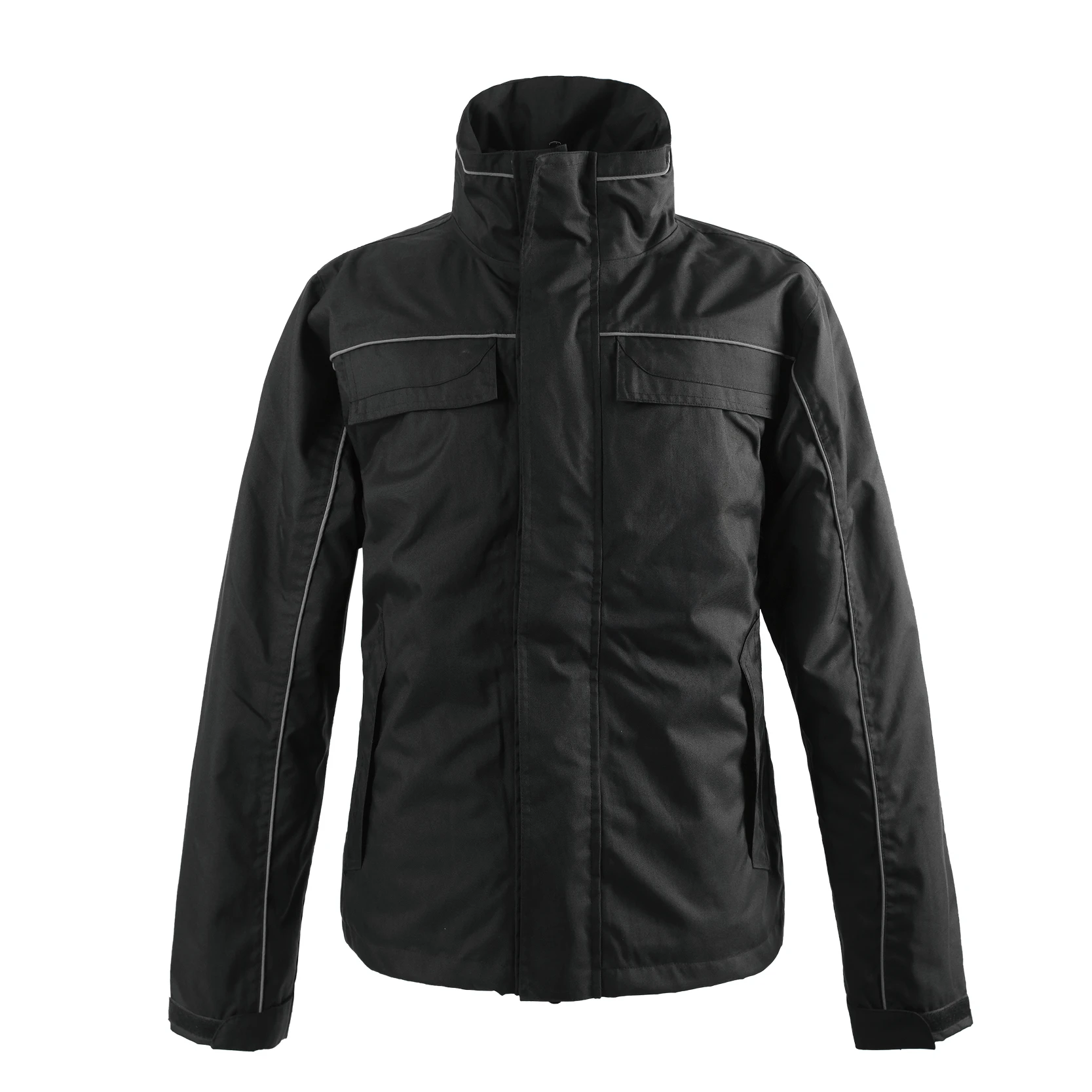
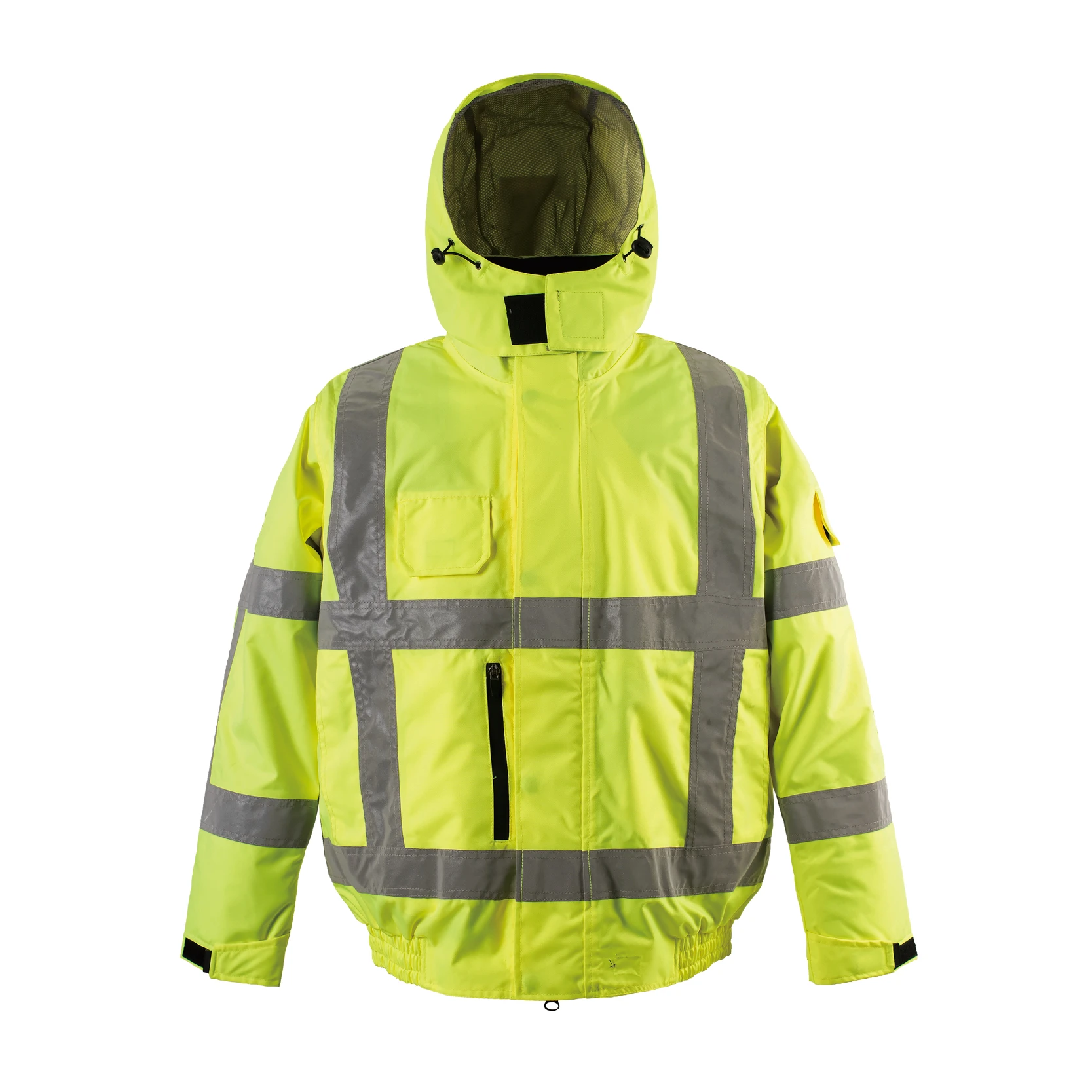
Simply put, a high visibility jumper is a piece of outerwear designed to make the wearer clearly visible against varied backgrounds—day or night. Typically neon yellow, orange, or lime with reflective strips, these jumpers incorporate specialized fabrics and design features to achieve maximum visibility.
In modern industry, these garments help workers stand out near moving machinery, vehicles, or in poor weather conditions. And in humanitarian crises—like disaster relief or search and rescue—high visibility jumpers ensure responders can be spotted quickly, accelerating aid efforts.
Core Components of High Visibility Jumpers You Should Know
Durability and Fabric Quality
Jumpers are often made from polyester blends, chosen for tear resistance and weatherproof qualities. Many manufacturers add coatings for water repellency, which is crucial for outdoor use. Durability means the jumper stays effective even after repeated washing and rough use—trust me, some workers complain when their jumper looks worse than the job site itself.
Reflective Striping and Color
Reflective tape is the real MVP here—made from microprismatic materials or glass bead technology, it bounces light back to its source, like car headlights. Bright base colors like fluorescent orange or yellow-green enhance daytime visibility. The key is enough surface area covered without sacrificing comfort.
Comfort and Fit
No one wants to wear something bulky or restrictive, especially for long shifts. Elastic cuffs, adjustable waists, and breathable fabrics improve the user experience. Some specialist jumpers even feature ventilation or moisture-wicking layers.
Regulatory Compliance
This one’s big. Most industrial buyers must ensure their jumpers comply with standards like EN ISO 20471 or ANSI/ISEA 107 in the U.S. Compliance affects design, materials, labeling, and testing methods—a lot more than just throwing on a bright jacket.
| Specification | Details |
|---|---|
| Material | 100% Polyester with PU coating |
| Reflective Tape | 3M Scotchlite, 50mm width, microprismatic |
| Color Options | Fluorescent Yellow, Orange, Lime |
| Standards Compliance | EN ISO 20471 Class 3, ANSI/ISEA 107 Type R, Class 3 |
| Sizes | S to 5XL (custom available) |
| Additional Features | Water-resistant, breathable mesh panels, adjustable cuffs |
Mini takeaway: The best high visibility jumpers combine heavy-duty materials with certified reflective elements, while keeping an eye on fit and regulations.
Who Uses High Visibility Jumpers Around the World?
Honestly, it’s everywhere you’d expect—and some places you wouldn’t. Here’s a quick tour:
- Construction sites in North America and Europe, where visibility averts fatal accidents by heavy machinery.
- Transportation hubs such as airports and railway yards, especially in Asia-Pacific regions prone to fog or heavy rain.
- Emergency responders worldwide, from wildfire teams in Australia to flood relief workers in Southeast Asia.
- Industrial plants and mines in South America, where complex lighting and dusty conditions make visibility paramount.
For example, during recent disaster relief efforts after typhoons, NGOs distributed high visibility jumpers to their teams to reduce confusion and speed response. It’s a simple, practical tool that’s saved lives.
Advantages & Long-Term Value of High Visibility Jumpers
Standing out isn’t just about being bright. It’s about creating a culture of safety and trust. Here’s what makes these jumpers worth their cost:
- Cost Efficiency: Durable jumpers reduce replacement frequency, saving companies money long-term.
- Worker Safety: Higher visibility reduces injury risk and helps companies comply with regulations.
- Social Impact: Boosts worker confidence and dignity during challenging jobs.
- Sustainability: Increasing use of recycled fabrics and eco-friendly coatings lowers environmental footprint.
Emerging Trends and Innovations in High Visibility Jumpers
Oddly enough, even safety garments are becoming smarter and greener. Technology is weaving its way in:
- Integrated LED strips: For digital signaling, especially in nighttime operations.
- Advanced breathable membranes: For better moisture control without compromising safety.
- Recycled polyester fibers: Helping factories meet new environmental standards.
- IoT compatibility: Location tracking and worker status monitoring embedded in jumpers.
It feels like the humble safety jumper is transforming into a mini command center! Though it’s an expensive shift, many large firms see the benefits in productivity and safety metrics.
Challenges and Practical Solutions in Current Use
But it's not all perfect sunshine. Challenges remain:
- Cost barriers: Small businesses struggle to afford premium jumpers with full certifications.
- Comfort vs. protection: In hot climates, workers sometimes avoid wearing them for fear of heat stress.
- Durability in harsh environments: UV degradation or repeated washing can dull reflectivity.
Many vendors now offer lightweight, mesh-panel designs to tackle heat issues. Also, modular reflective elements allow cheaper replacements. On the certification side, some governments offer subsidized programs encouraging adoption.
FAQ: Your Burning Questions About High Visibility Jumpers
Q1: Can I wash a high visibility jumper without losing reflectivity?
A1: Yes, but carefully. Follow manufacturer instructions: typically gentle wash cycles, avoiding bleach or fabric softeners. Reflective materials degrade mainly due to harsh detergents or heat from drying. Using cold water and air-drying can extend life.
Q2: What makes a jumper compliant with safety standards?
A2: Compliance depends on materials, reflective tape coverage, and testing. For example, EN ISO 20471 Class 3 jumpers have high visibility requirements for both background fabric and reflective areas, tested by accredited labs. Labels will state certification.
Q3: Is customization available for different industries?
A3: Absolutely. Many suppliers offer logo printing, color variants for specific hazards, and additional features like flame retardant coatings for oil industry workers. It’s wise to discuss usage needs before purchase.
Q4: How do organizations in developing regions source these jumpers affordably?
A4: Bulk purchasing through NGOs, subsidized government tenders, or partnerships with manufacturers offering fair trade options help bridge cost gaps. Also, entry-level jumpers meeting minimum standards offer budget-friendly alternatives.
| Vendor | Certification | Price Range | Customization | Additional Features |
|---|---|---|---|---|
| SafetyPro | EN ISO 20471, ANSI/ISEA 107 | $30 - $55 | Yes (logos & colors) | Water resistant, breathable mesh |
| BrightGuard | EN ISO 20471 Class 3 | $40 - $70 | Limited | LED integrated strips available |
| EcoVis | ANSI/ISEA 107 | $25 - $45 | Yes, focus on sustainable fabrics | Recycled polyester, moisture-wicking |
Wrapping Up: Why Your Next Safety Investment Should Be a High Visibility Jumper
When you boil it down, the high visibility jumper delivers peace of mind. It’s the unsung hero at countless worksites, saving lives by making workers visible in conditions where every second counts. The layering of innovation, sustainability, and compliance means it’s not just a garment—it’s an investment in safety culture and operational trust.
If you’re curious to explore a wide range of certified, affordable, and customized high visibility jumpers, start with our catalog here. Because safety isn’t just a rule—it’s a habit.
References:
1. International Labour Organization - Workplace Safety (ILO)
2. ISO 20471 High Visibility Clothing Standard (ISO)
3. ANSI/ISEA 107 High-Visibility Safety Apparel and Headwear (ISEA)