
The Ultimate Guide to Mens Jackets Soft Shell
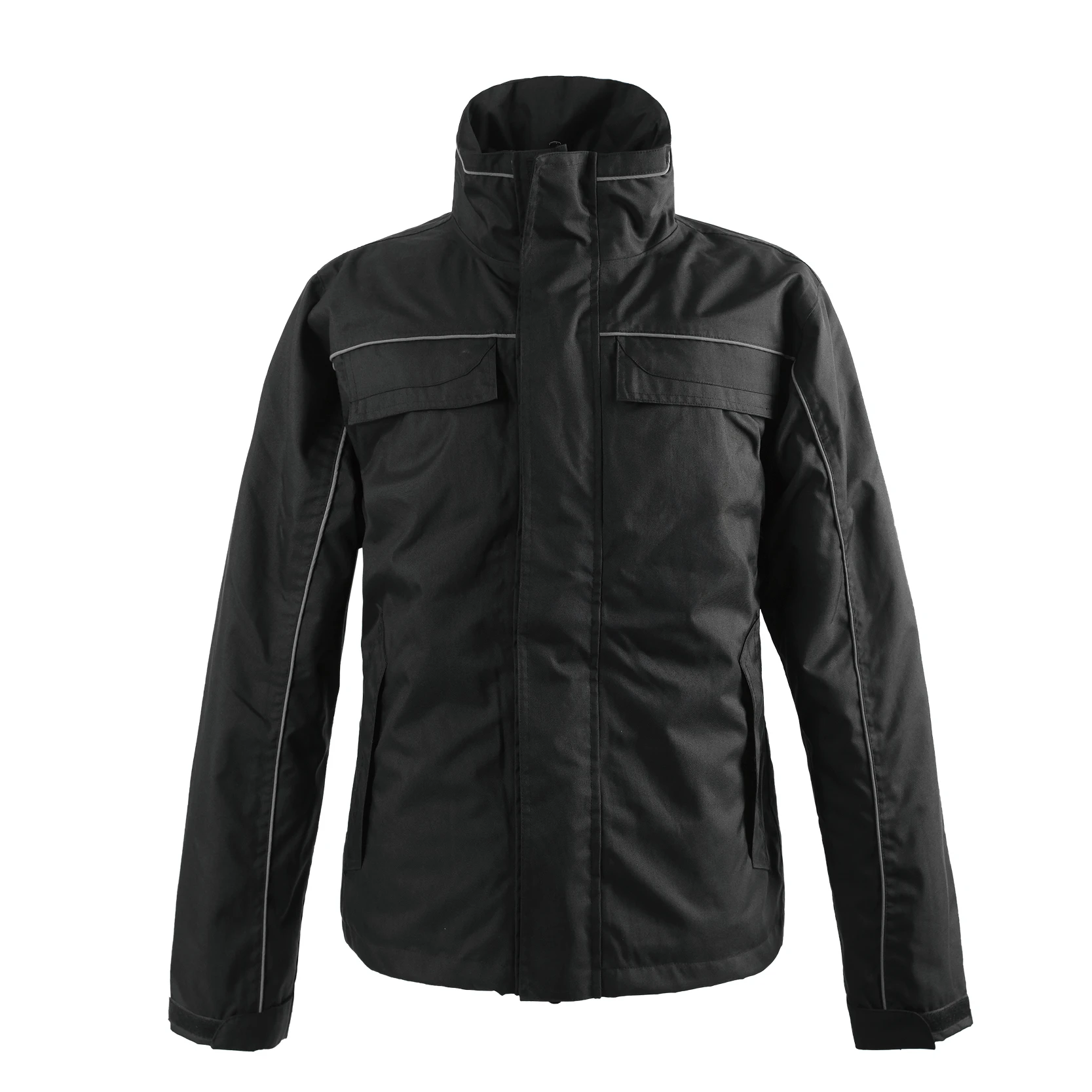
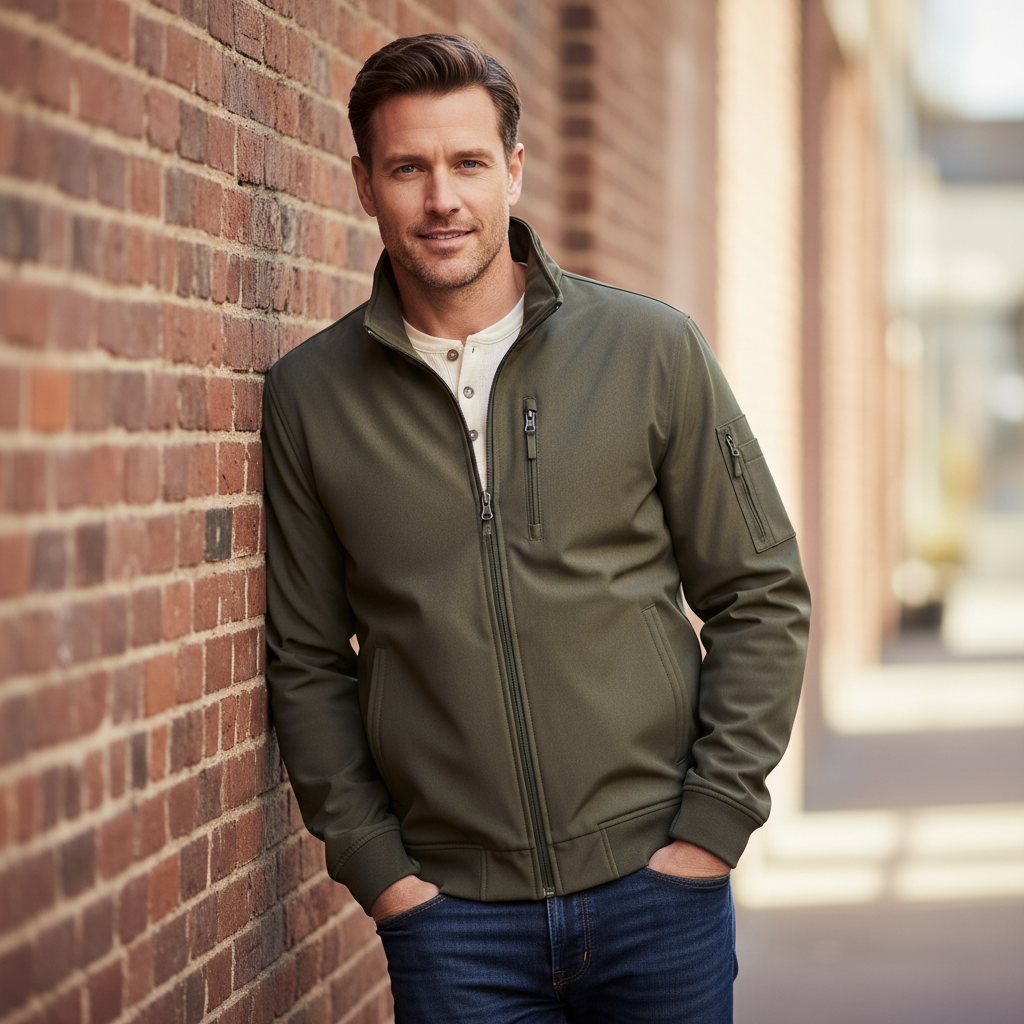
When the weather turns unpredictable, a reliable mens jackets soft shell is your best defense against the elements. Offering a perfect balance of comfort, breathability, and protection, these jackets are a staple in any outdoor enthusiast’s or commuter’s wardrobe. This comprehensive guide will explore the benefits of soft shell jackets, what to look for when purchasing one, and how to care for your investment. Whether you're hiking, cycling, or simply navigating your daily routine, a high-quality soft shell jacket will keep you comfortable and protected.
What Makes a Soft Shell Jacket Different?
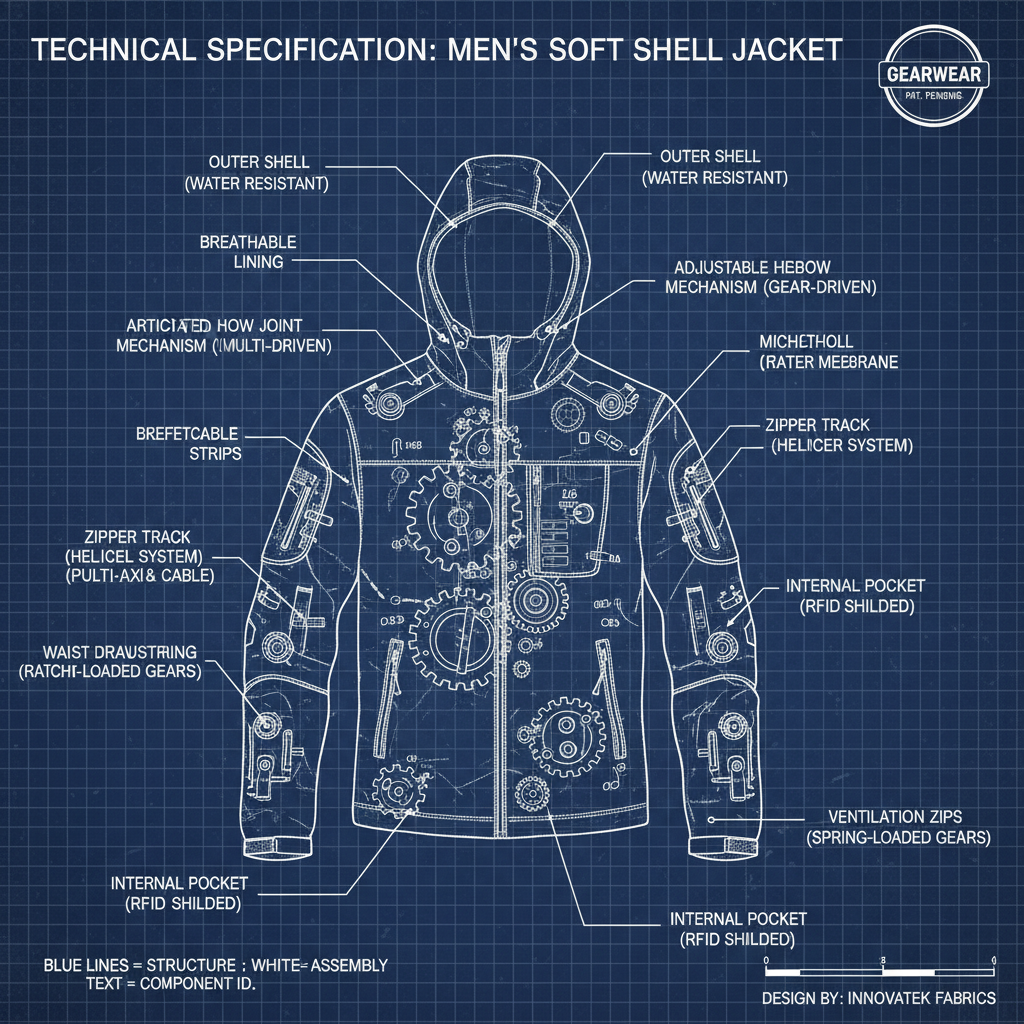
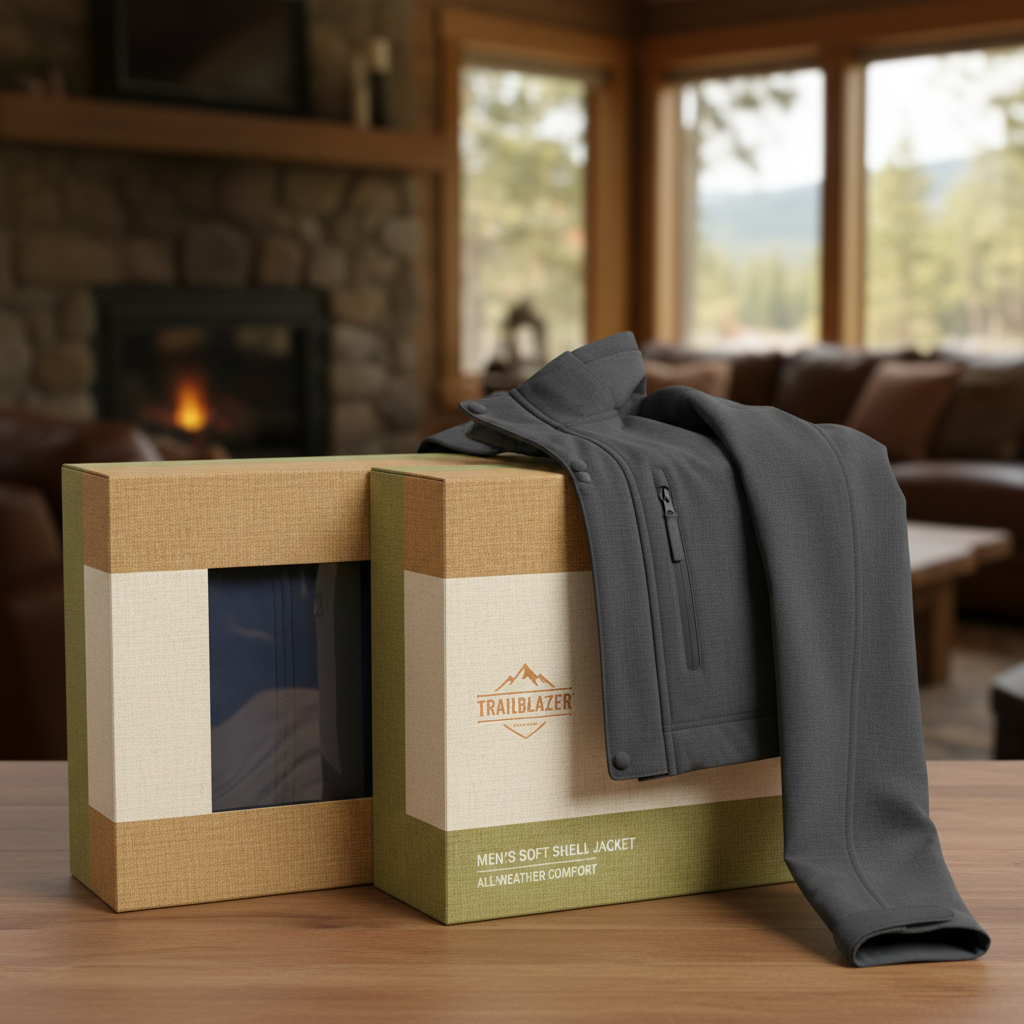
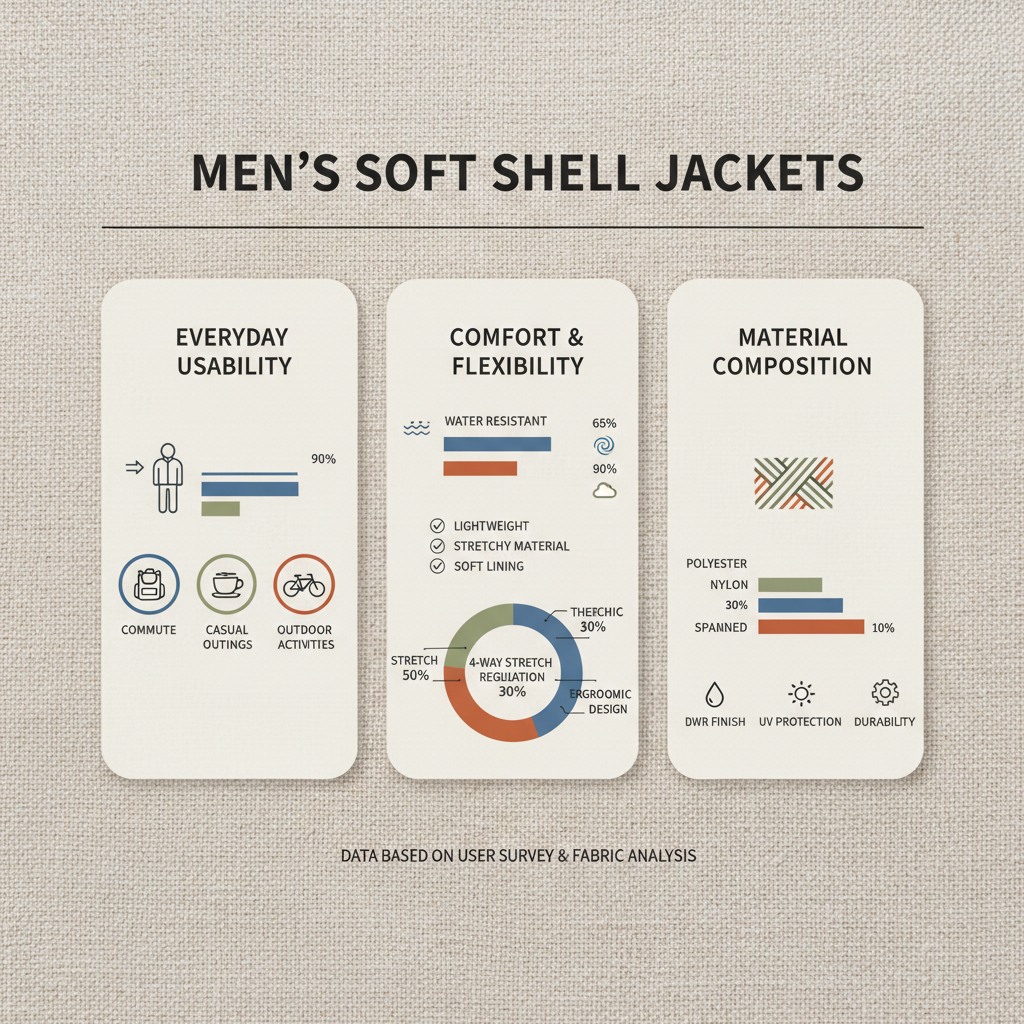
Unlike traditional hard shell jackets, mens soft shell jackets are constructed from a more flexible, breathable fabric. This typically involves a blend of materials – often polyester or nylon – combined with a Durable Water Repellent (DWR) finish. This construction provides excellent protection against light rain and wind while allowing for greater freedom of movement. The stretch in the fabric makes them ideal for active pursuits. They’re often less expensive than hard shell jackets, making them a great value for a versatile layer.
Key Highlights: Soft shell jackets prioritize comfort and flexibility without sacrificing protection from the elements. They offer a great balance for a wide range of activities.
Choosing the Right Mens Soft Shell Jacket: Key Features
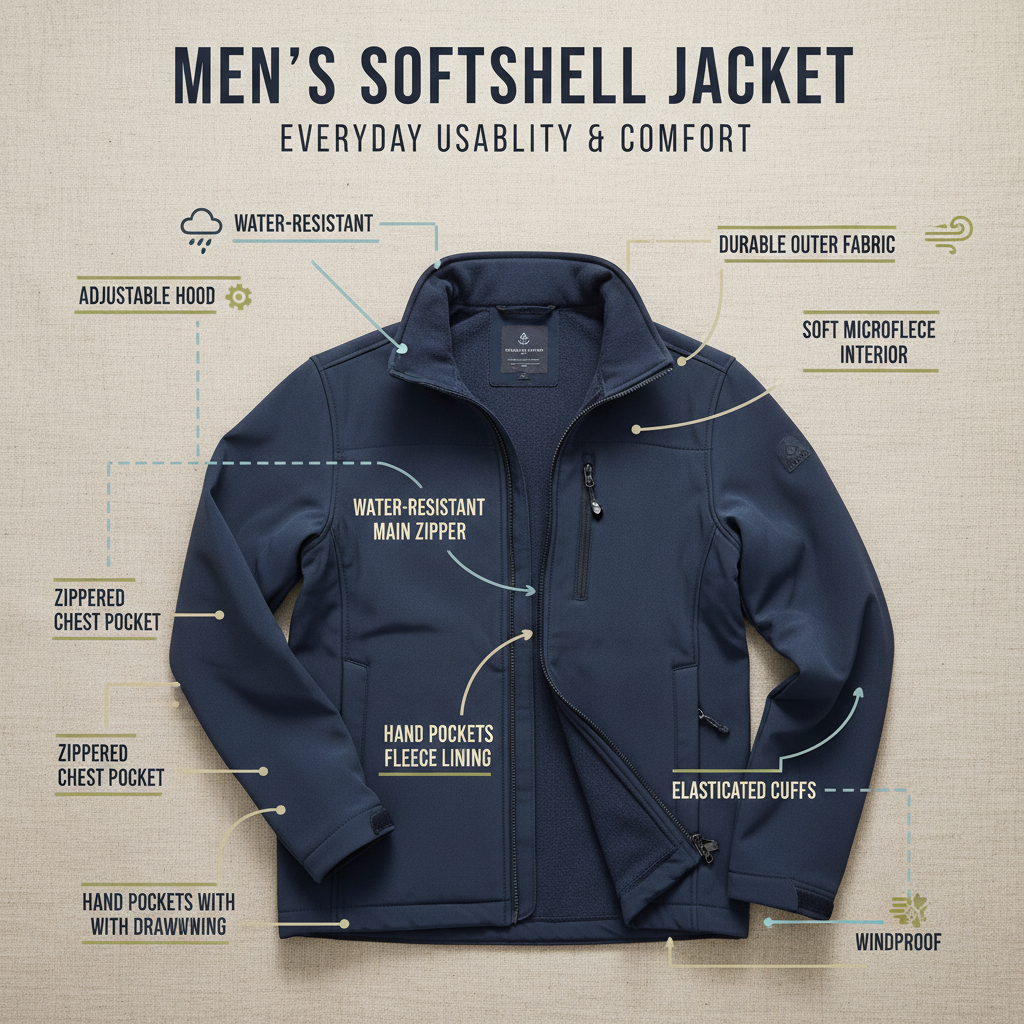
Selecting the perfect mens jackets soft shell depends on your intended use. Consider factors such as water resistance, breathability, and features like pockets and adjustable hoods. Look for jackets with a high DWR rating if you anticipate encountering frequent rain. Breathability is crucial for high-intensity activities to prevent overheating. Features like zippered pockets offer secure storage for essentials. Pay attention to the fit - it should allow for layering without being restrictive.
Essential Considerations:
• Water Resistance: DWR rating determines protection from rain.
• Breathability: Crucial for preventing overheating during activity.
• Pockets: Zippered pockets provide secure storage.
• Fit: Should allow for layering and freedom of movement.
Soft Shell vs. Hard Shell Jackets: A Detailed Comparison
Understanding the differences between soft shell and hard shell jackets is crucial for making the right choice. Hard shell jackets offer superior waterproof protection but often lack breathability. Soft shell jackets, as we've discussed, excel in breathability and comfort but have limited waterproof capabilities. The best choice depends on your primary needs and the conditions you’ll be facing.
Jide Garment: Your Source for High-Quality Mens Soft Shell Jackets
At Jide Garment, we specialize in providing durable and stylish mens jackets soft shell to meet your needs. We offer a wide selection of designs, fabrics, and features, all at competitive prices. Our commitment to quality and customer satisfaction ensures you'll find the perfect jacket for your adventures. We cater to both individuals and wholesale clients.
Caring for Your Soft Shell Jacket
Proper care will extend the life of your mens jackets soft shell. Avoid washing frequently, as this can break down the DWR finish. When washing, use a mild detergent and cold water. Tumble dry on low heat or hang to dry. Re-apply a DWR treatment periodically to maintain water resistance. Store your jacket in a cool, dry place when not in use.
Conclusion: Embrace Versatility with a Soft Shell Jacket
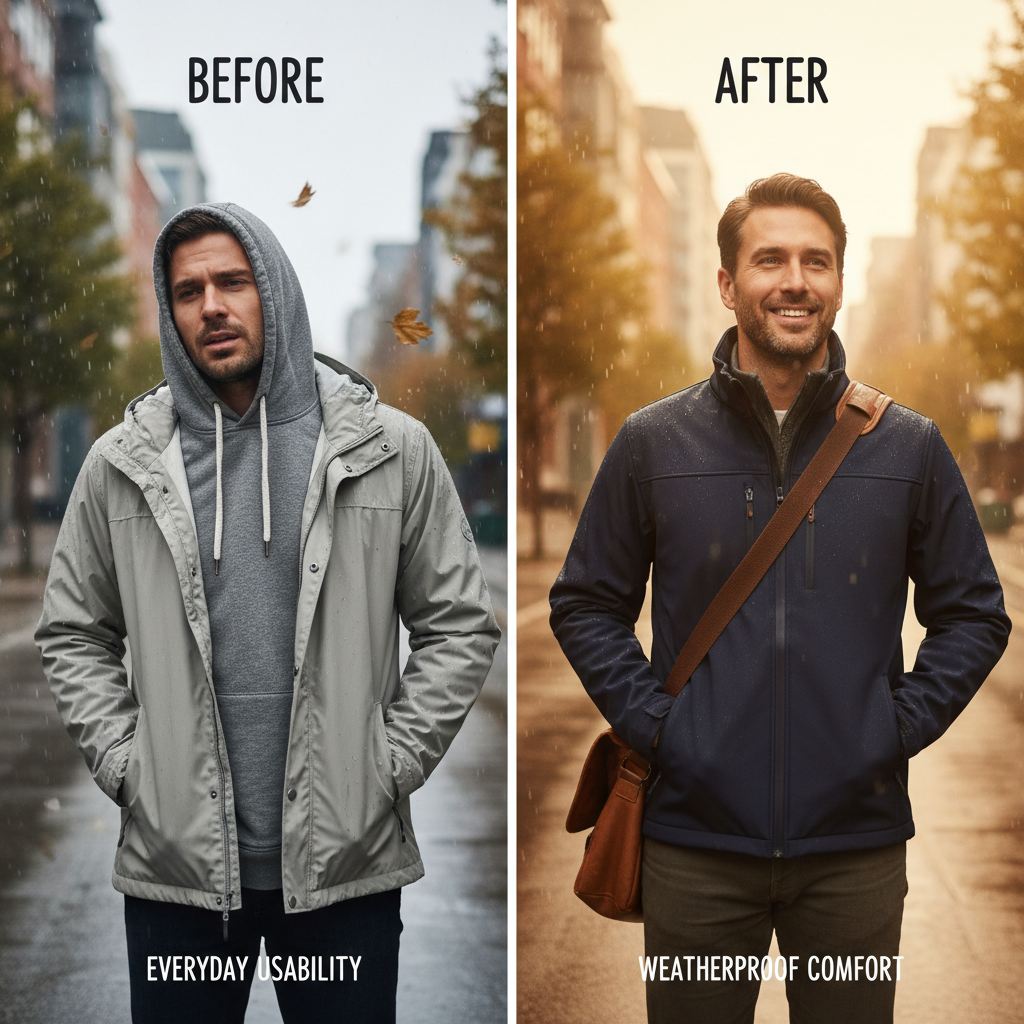
A mens soft shell jacket is an invaluable addition to any wardrobe, offering a perfect blend of comfort, protection, and versatility. Whether you’re tackling outdoor adventures or simply navigating your daily commute, a quality soft shell jacket will keep you prepared for whatever the weather throws your way. Explore the wide selection at Jide Garment and find the perfect fit for your lifestyle.
Frequently Asked Questions (FAQs)
Are soft shell jackets waterproof?
Soft shell jackets are generally water-resistant, not waterproof. They feature a Durable Water Repellent (DWR) finish that sheds light rain and snow. However, they aren’t designed to withstand prolonged exposure to heavy rainfall. For complete waterproofing, a hard shell jacket is recommended. The level of water resistance varies depending on the DWR treatment and the fabric's construction. Higher quality soft shells offer better water resistance, but they will still eventually become saturated in heavy downpours.
What activities are soft shell jackets best suited for?
Soft shell jackets are incredibly versatile and well-suited for a wide range of activities. They excel in moderate conditions and are ideal for hiking, climbing, cycling, skiing (as a mid-layer), and everyday wear. Their breathability makes them comfortable during high-output activities, while their water resistance provides protection from light precipitation. They’re a great choice for anyone who needs a comfortable and adaptable outer layer.
How do I restore the DWR finish on my soft shell jacket?
The DWR finish on a soft shell jacket will eventually wear off with use and washing. You can restore it by applying a DWR treatment spray or wash-in product. Follow the instructions on the product label carefully. Typically, this involves washing the jacket, then applying the DWR treatment while the fabric is still wet. Tumble drying on low heat can help to activate the treatment. Regularly re-applying a DWR treatment will extend the life of your jacket and maintain its water resistance.
What should I look for in a soft shell jacket if I live in a wet climate?
If you live in a wet climate, prioritize a soft shell jacket with a high DWR rating and a tightly woven fabric. Look for jackets that have a more substantial weight to the fabric, as this often indicates better water resistance. Consider jackets with a waterproof membrane for added protection, even if they are marketed as soft shells. Features like a waterproof zipper and adjustable cuffs can also help to keep you dry in wet conditions.