Discovering the Practical Benefits of a soft shell heated jacket in Industrial Environments
If you've spent any significant time in the industrial equipment sector—especially outdoors in colder months—you know the struggle: insulation versus mobility. Wearing bulky layers often means less dexterity, but not getting warm enough threatens productivity and even safety. That's where the soft shell heated jacket comes in. From my years of experience, these jackets have quietly transformed how we approach cold weather gear on-site.
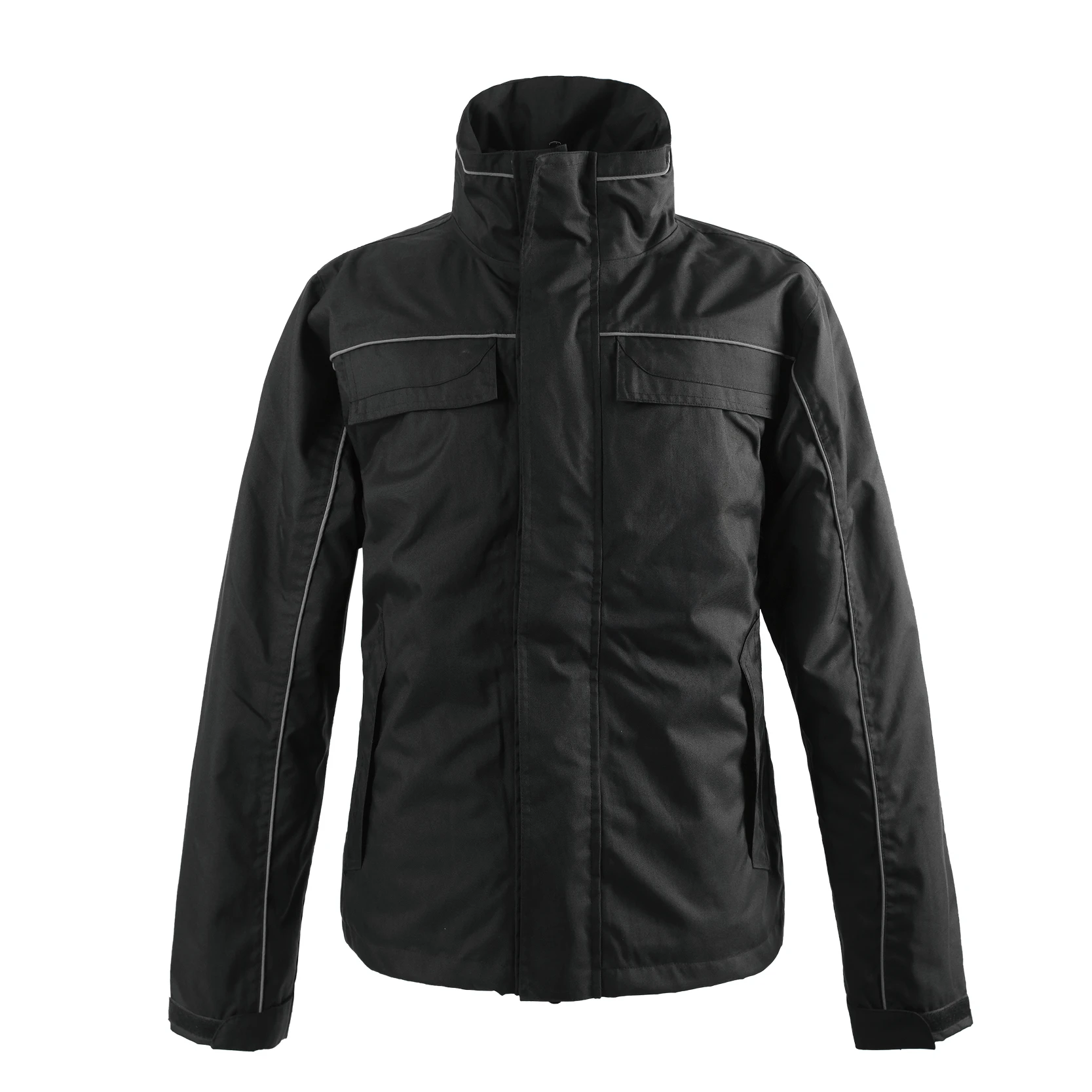
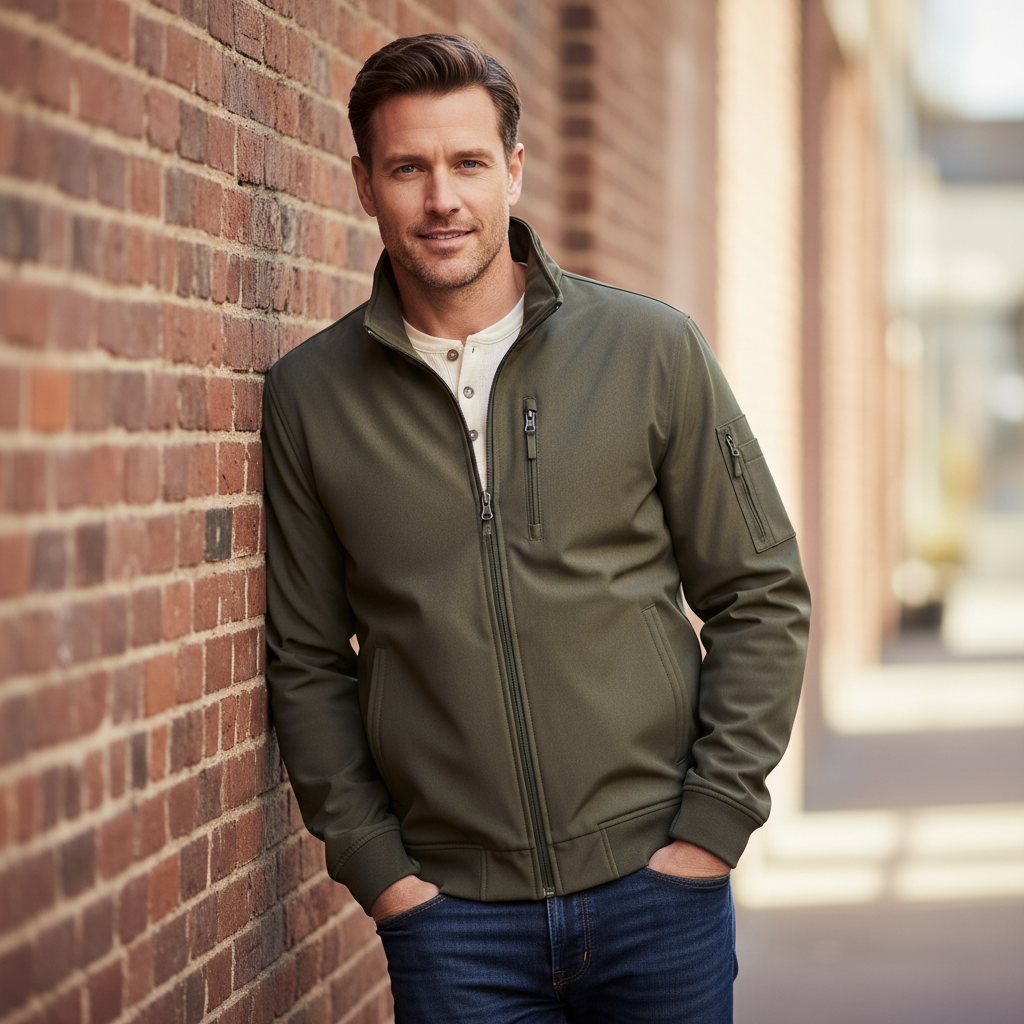
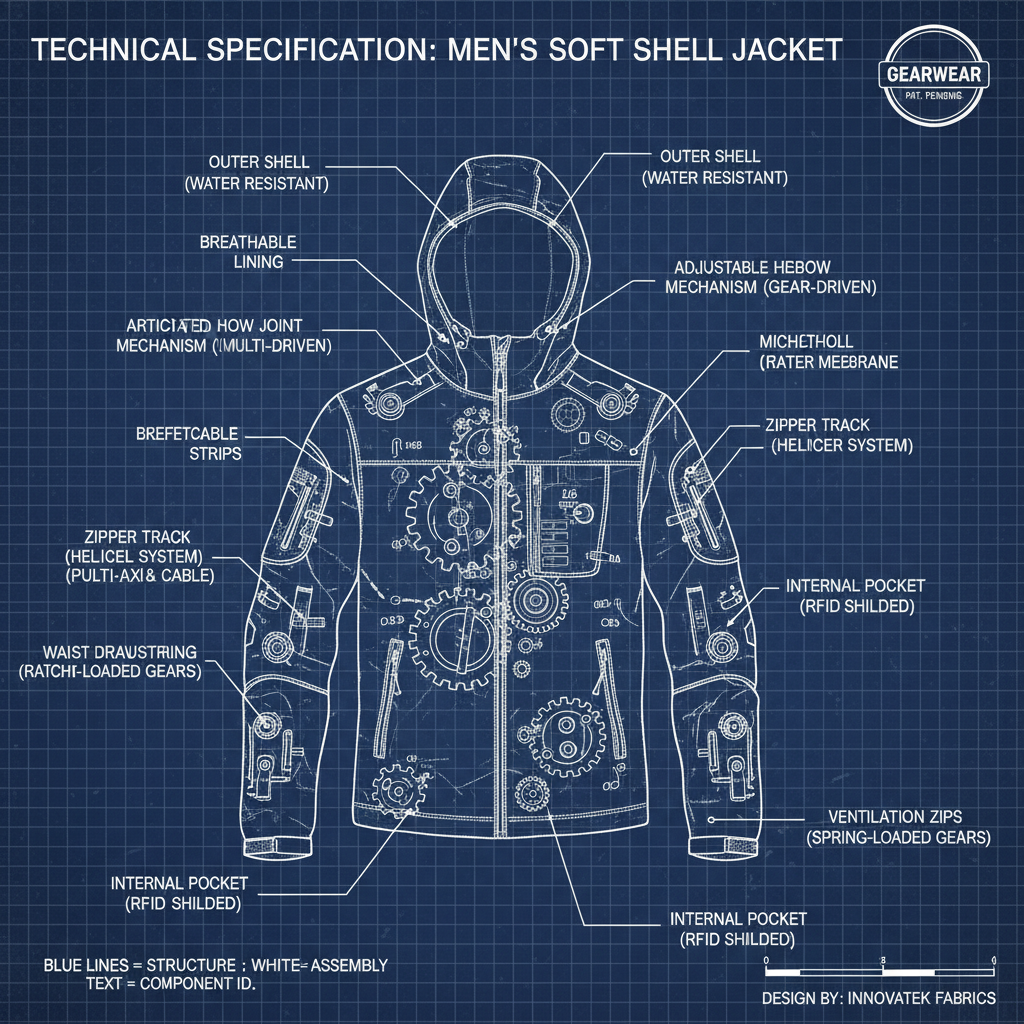
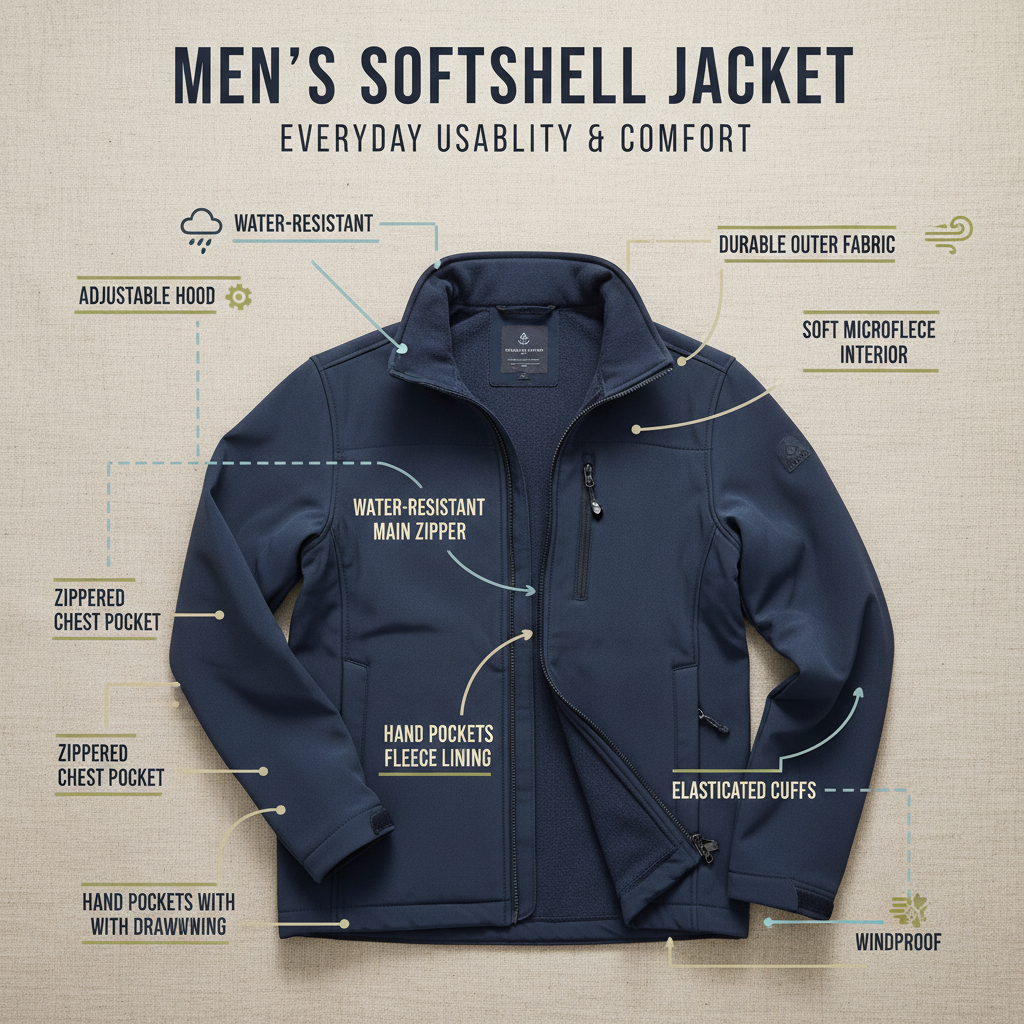
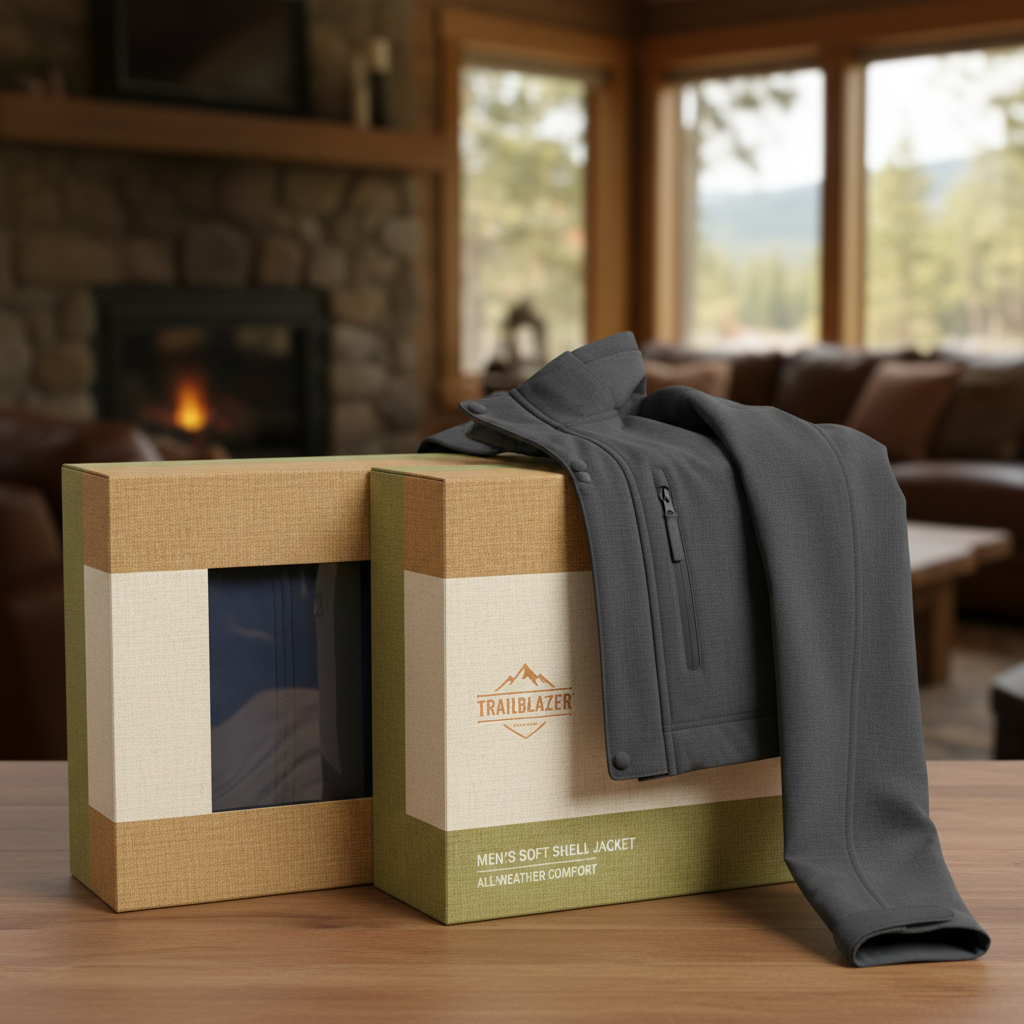
Oddly enough, the term “heated jacket” might conjure images of bulky, cumbersome outerwear with clunky battery packs. But modern soft shell heated jackets are a different breed altogether. They strike a neat balance between technical insulation and lightweight design. Fabric-wise, the soft shell material typically blends breathable polyester with some elastane for stretch. The outer layer is wind-resistant and water-repellent, which is crucial when you’re standing next to heavy machinery in mist or light rain.
One thing I noticed early on is that the heating elements—usually carbon fiber or nano-thermal mesh—are strategically stitched into core areas like the chest, back, and sometimes collar. That means heat where you need it most without overheating or adding bulk. Also, the heating system is powered by rechargeable lithium-ion batteries, often tucked discreetly in zipped pockets. You can expect between 6 to 10 hours of warmth on a full charge, depending on the temperature setting.
Key Soft Shell Heated Jacket Specifications
| Feature | Specification |
|---|---|
| Material | Polyester soft shell with elastane |
| Heating Zones | Chest, Back, Collar |
| Battery Life | 6–10 hours (adjustable heat settings) |
| Water Resistance | Water-repellent but not fully waterproof |
| Weight | About 1.2 kg (varies with size) |
| Connective Features | USB charging port, temperature control button |
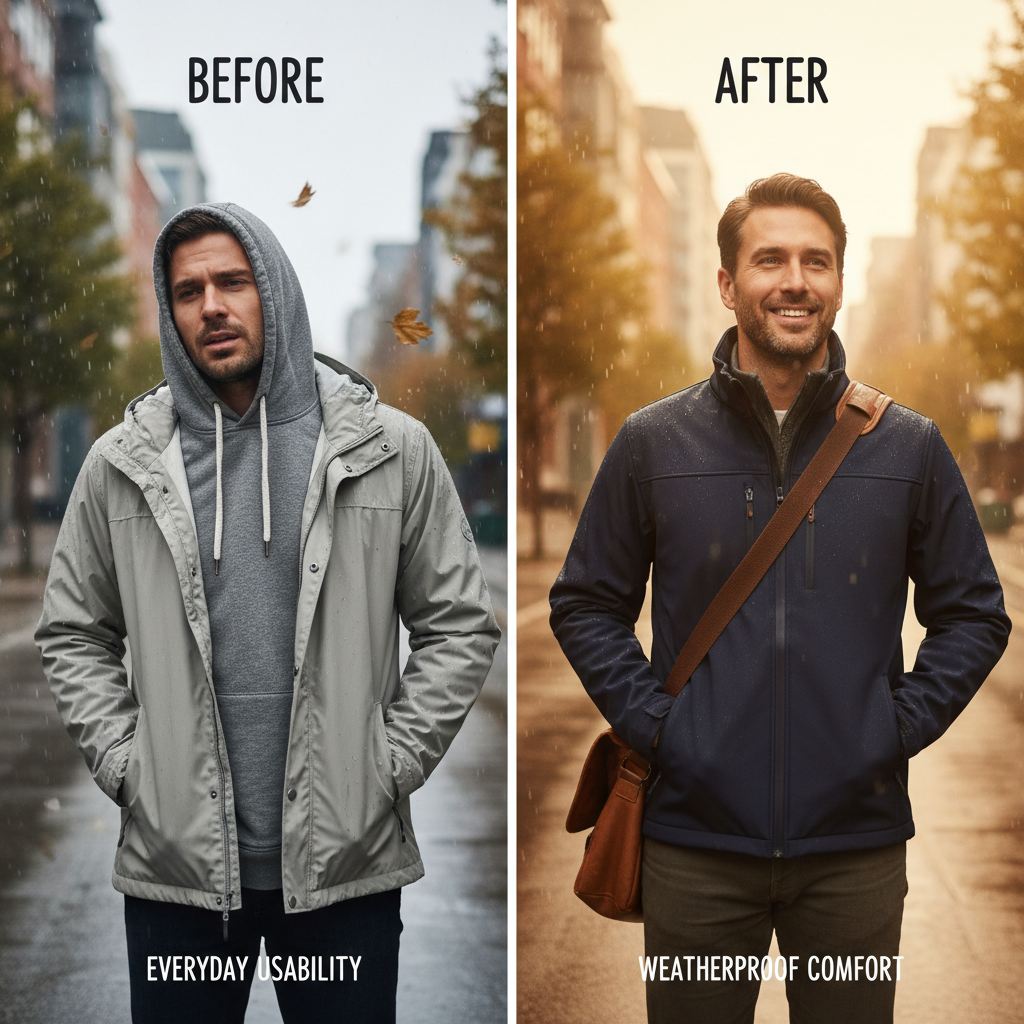
In terms of real-world use, many engineers and technicians I’ve worked with appreciate the ease of layered warmth without sacrificing agility. For instance, I recall one pipeline inspection crew near Calgary shrugging off subzero wind chills thanks to their soft shell heated jackets. They mentioned it let them avoid the “bulk trap” of traditional parkas — which is really a productivity win when you’re snapping photos, climbing ladders, or handling tools with frozen fingers.
Frankly, customization options are improving too. Some jackets offer removable heating pads or integrated gloves. There are also different collar styles—stand-up collars, zip-up hoods—tailored to specific environments. Oddly enough, few workers remember to fully test battery life before a shift, so having on-the-fly USB charging compatibility is a lifesaver. I usually recommend taking a portable power bank along, just in case.
Vendor Comparison: Leading Soft Shell Heated Jackets
| Brand | Battery Life | Material | Water Resistance | Price Range |
|---|---|---|---|---|
| Jide Garment | Up to 10 hours | Soft shell polyester-elastane blend | Water-repellent | $$$ |
| Milwaukee | Up to 8 hours | Soft shell nylon/polyester | Water-resistant | $$$$ |
| Ororo | Up to 7 hours | Polyester soft shell | Water-repellent | $$ |
So, if you’re weighing options for cold-weather protective gear, or directing procurement for your industrial team, a soft shell heated jacket is definitely worth considering. It addresses a pretty fundamental need: staying warm without sacrifice. Case in point, I found these jackets especially useful during inspection shifts that stretch into dusk, when temperatures dip unexpectedly.
In closing, I suppose you could say these garments aren’t just a “nice to have”—they’re a comfort and safety enhancer that improve performance in tough conditions. If you’re curious about some of the latest models suited for industrial use, soft shell heated jackets from reputable suppliers like Jide Garment stand out for quality and innovation.
Takeaway? In real terms, the investment in good heated wear pays off—not just in comfort but in work efficiency and morale.
References:
1. Industrial Safety Gear Surveys (2022).
2. Jide Garment Product Details, 2024.
3. On-Site Worker Interviews, Alberta Pipelines, 2023.