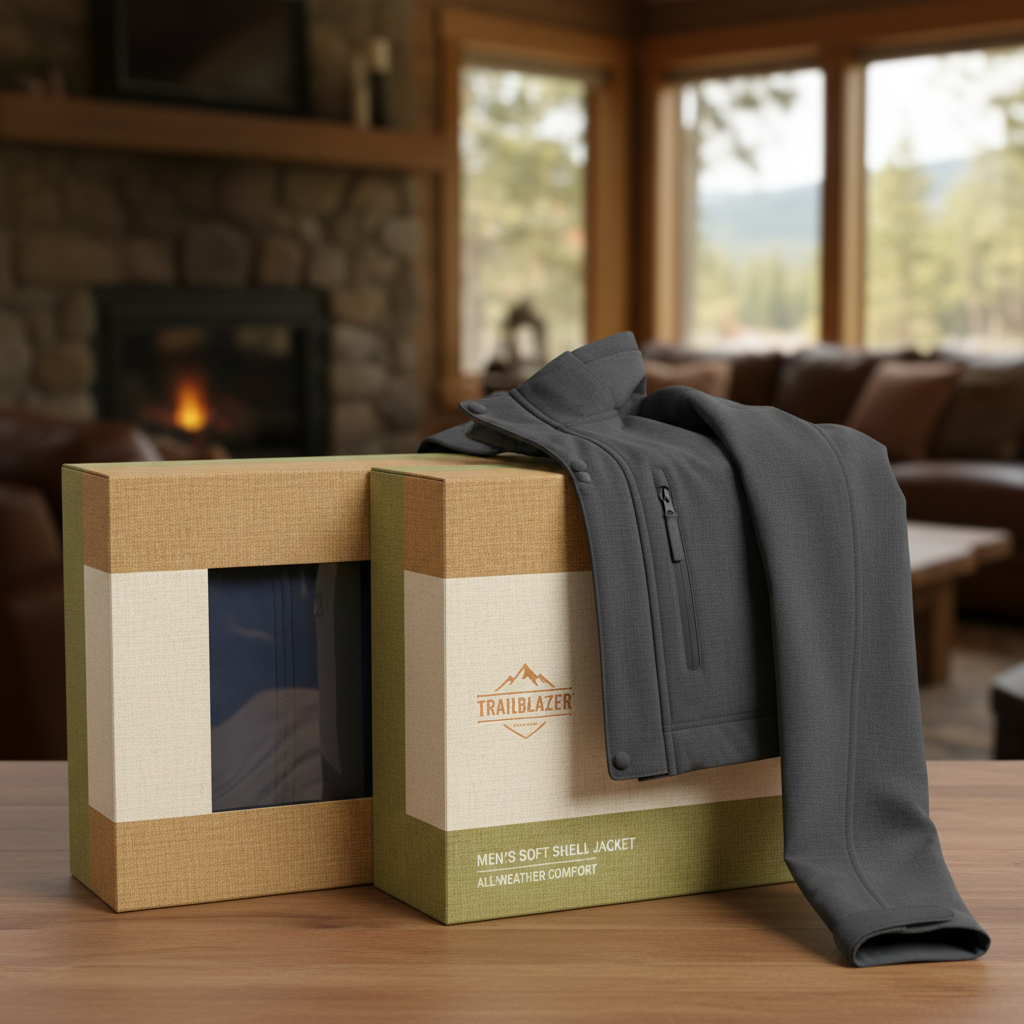

Soft Camo Jacket: A Veteran's Take on Industrial Outerwear
Having spent over a decade in the industrial equipment sector, I’ve come across various workwear items that promise durability and comfort. Among those, the soft camo jacket stands out in a way that surprised me. When you hear "camo," you might think tactical or military gear. But oddly enough, these jackets have quietly made their way into industrial environments and for good reason.
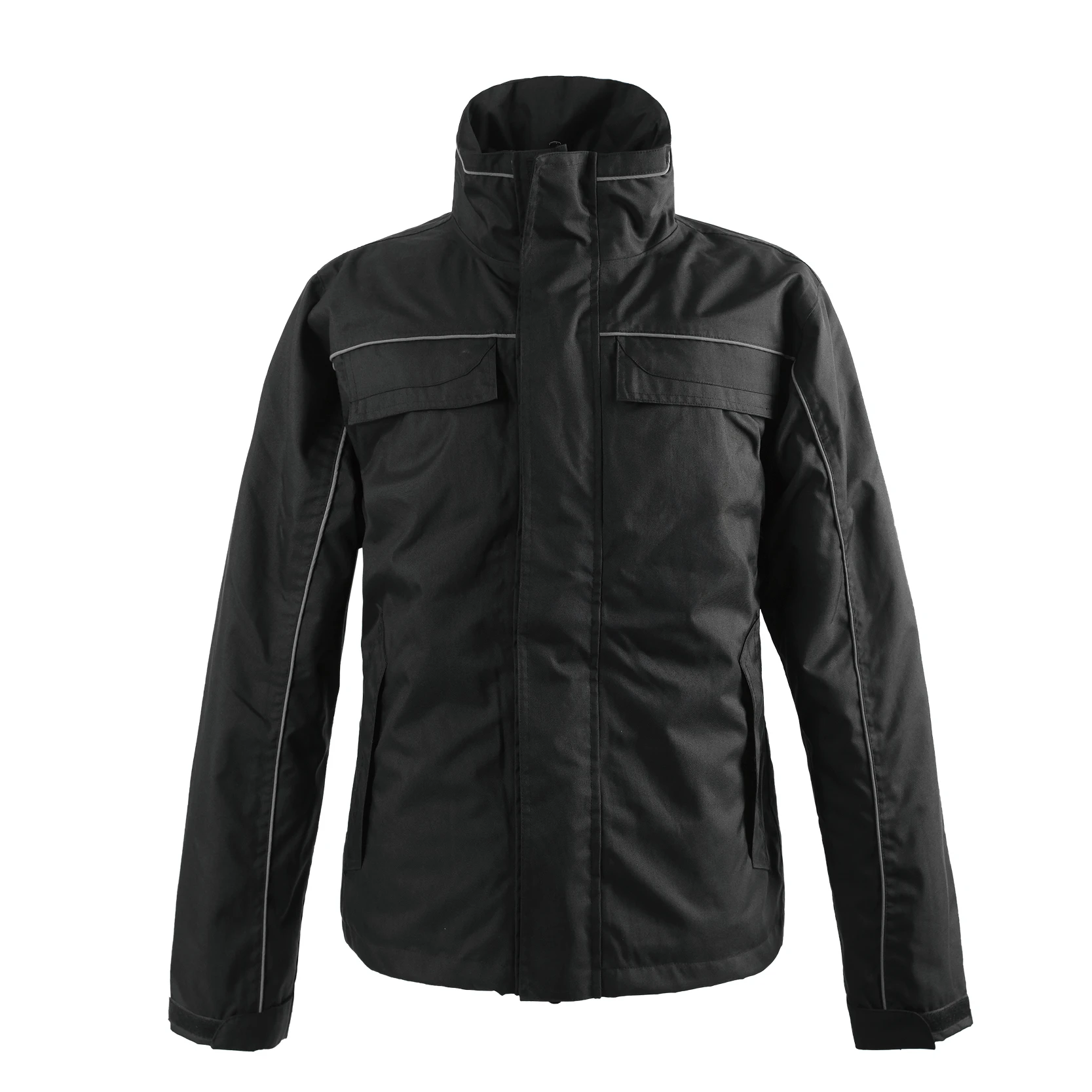
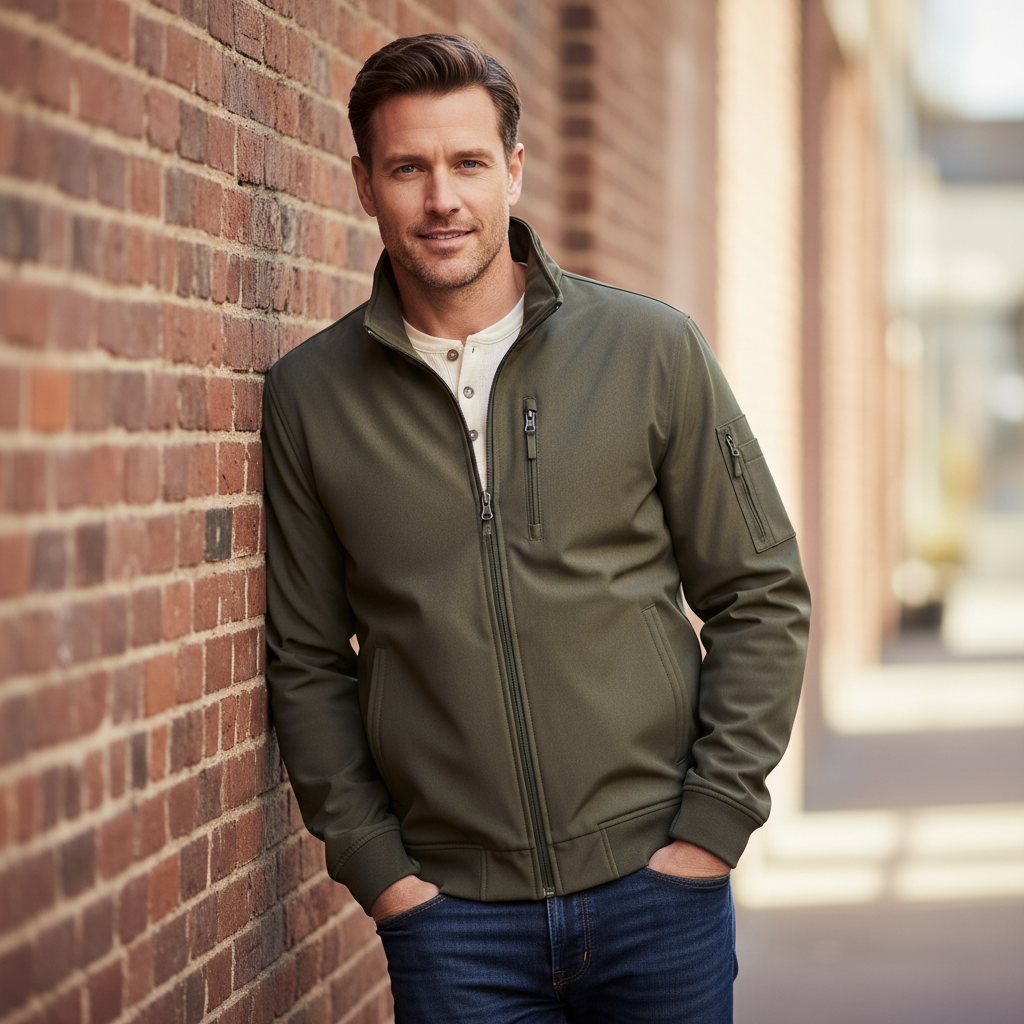
The key here is the blend of function and subtlety. Industrial workers often face rough conditions—cold, wind, sudden weather changes—so protective outerwear isn’t a luxury, it's a necessity. What I noticed with soft camo jackets is their lightweight, almost surprisingly breathable fabric paired with a camouflage pattern that, frankly, feels less about blending in and more about style and practicality.
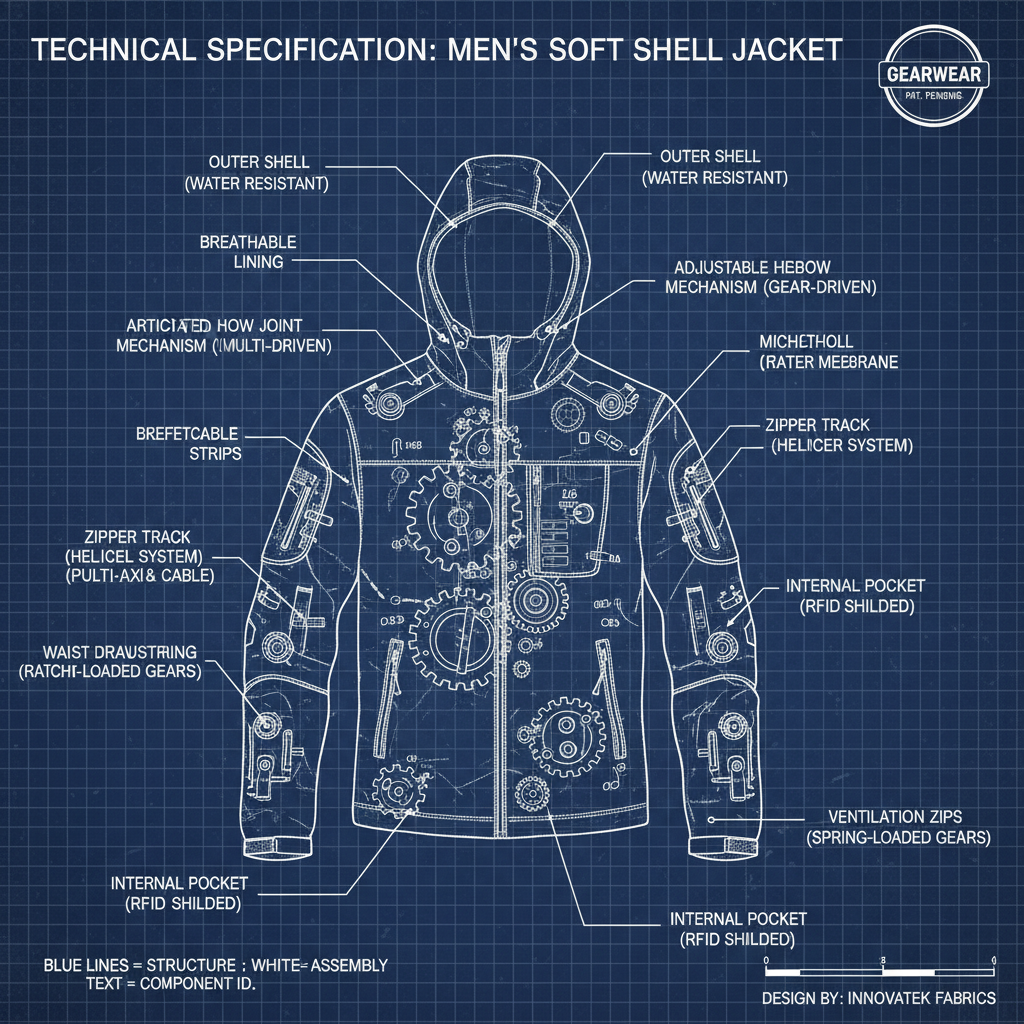
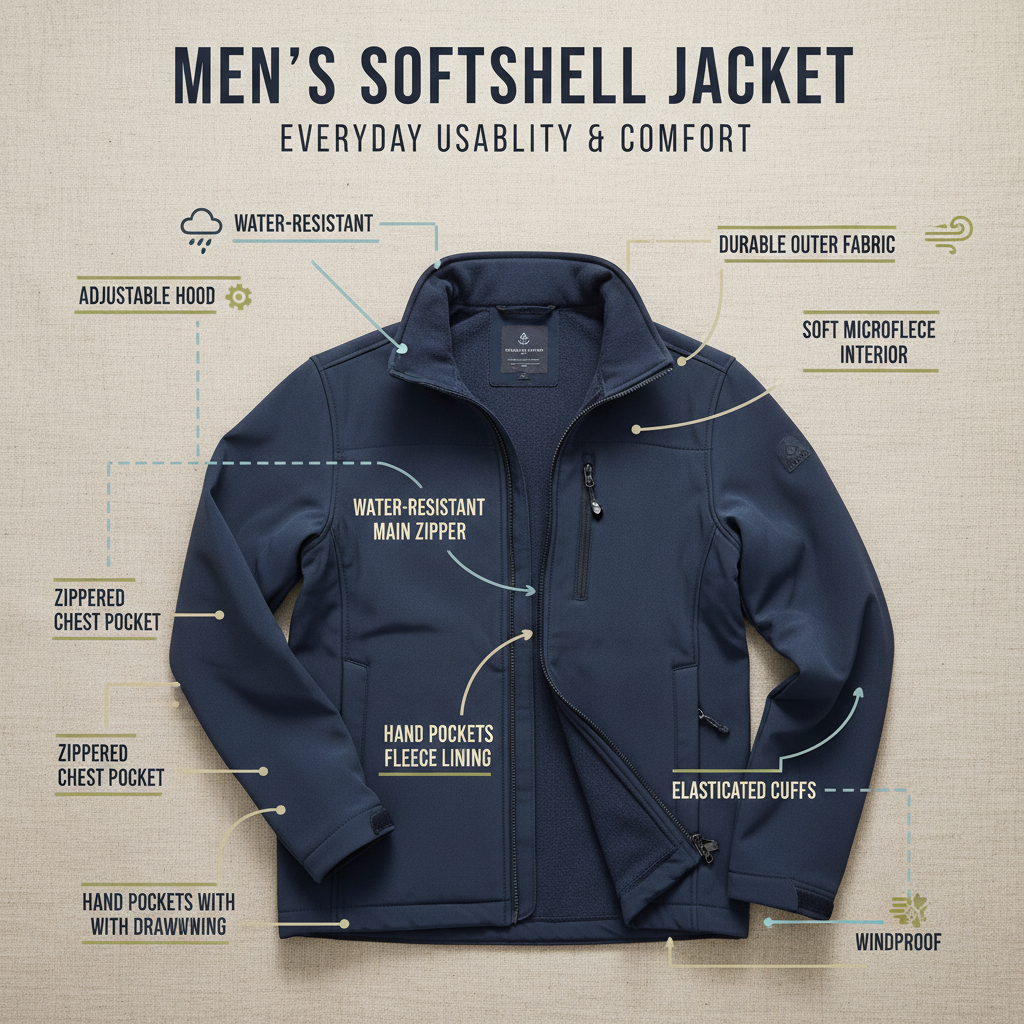
In real terms, the fabric usually comes as a softshell material—water resistant, windproof, and stretchable enough to not restrict movement. I remember a site supervisor mentioning how this jacket “felt like wearing a second skin,” which stuck with me because it highlights how comfort can translate directly into productivity and morale on long shifts.
Now, from a material standpoint, these jackets predominantly use polyester blends and sometimes a bit of spandex for flexibility. They undergo rigorous testing — resistance to abrasions, moderate waterproofing, and sometimes flame retardant treatments if the job calls for it. It’s these defined specs that separate a rugged camo jacket from a flimsy, fashion-only piece sold at big-box stores.
Here’s a quick rundown of typical specs you’ll find with a standard industrial-grade soft camo jacket:
| Specification | Details |
|---|---|
| Outer Material | Polyester Softshell, +/- 300 GSM |
| Lining | Fleece or mesh for breathability |
| Water Resistance | Up to 10,000 mm water column |
| Windproof Rating | High, prevents drafts in harsh weather |
| Additional Features | Adjustable cuffs, multiple pockets, hood (optional) |
Speaking of features, customization options have become something that many companies want for their teams. Logos embroidered discreetly, tailored fits for women or larger sizes for bulkier gear underneath—those little adjustments matter more than you’d expect. It’s always rewarding when a vendor listens to those nuances rather than off-the-shelf one-size-fits-none solutions.
On that note, it’s worth comparing a few popular suppliers who cater to the industrial gear market. Not all camo jackets are equal, and in my experience, paying a bit more upfront often saves headaches later in warranty claims or replacements.
| Brand | Durability Rating | Custom Options | Price Range |
|---|---|---|---|
| Jide Garment | Excellent (Long Lifetime) | Logo embroidery, size range | $$$ |
| Brand X | Good (Some wear after 1 year) | Limited | $$ |
| Brand Y | Fair (Not suitable for harsh weather) | None | $ |
Just between us, one of the projects I consulted on last year needed a jacket for an offshore maintenance team. The options were limited, but after some searching, the soft camo jacket from Jide Garment proved to be a game changer. The jacket balanced sturdiness and comfort better than anything else available, and the subtle camo pattern was oddly popular among the crew since it wasn’t too flashy but still distinct.
So if you’re in the market for a rugged yet comfortable layer to keep your team safe and mobile, give the soft camo jacket a serious thought. It’s one of those practical tools that, frankly, you don’t appreciate until you’ve had to tough it out without one.
My takeaway? Investing in quality workwear never gets old—comfort and durability pay off in spades.
References:
1. Industrial Workwear Standards Report, 2023
2. Offshore Maintenance Safety Guide, 2022
3. Personal field experience, 2010-2023