Honestly, things are moving fast these days. Everyone's talking about prefabrication, modular builds... it's all the rage. I’ve been on sites where they’re trying to slap whole bathroom pods into buildings, and let me tell you, it's not always smooth sailing. Used to be, you built everything brick by brick, knew exactly what you had. Now? It's like playing Tetris with a building. The pressure's on to get things up faster, cheaper, but quality? That’s where things get tricky.
And don’t even get me started on the push for ‘smart’ everything. ‘Smart’ windows, ‘smart’ doors… I swear, half the time, the electrician is pulling his hair out trying to get it all to talk to each other. Have you noticed how everyone’s obsessed with remote monitoring? Good idea in theory, but if the signal drops, the whole system goes down. Then I’m getting calls at 6 AM.
It’s a whole different ballgame now. Less hands-on, more relying on suppliers and manufacturers to get it right. Which is why I spend so much time digging into the details…because someone has to.
Industry Trends and Common Pitfalls
To be honest, the biggest trend right now is speed. Everyone wants things done yesterday. This rush to get things done leads to a lot of corners being cut. I've seen designs that looked great on paper, but were an absolute nightmare to implement on-site. Like, seriously, who designs a wall panel that needs a PhD in engineering to install? It's insane.
Strangely, I’m seeing a lot of folks underestimate the importance of proper training. You can give a worker the fanciest new tool, but if they don't know how to use it, it’s just an expensive paperweight. And don’t get me started on documentation…half the time, it’s missing or completely useless. It's like they assume everyone is a mind reader.
Material Selection: It's More Than Just Specs
Now, materials… that’s a whole other story. We're using a lot more composites now, which is good, but you gotta know what you’re getting. Some of those cheaper composites smell awful when you cut them. And they release dust that just clings to everything. I encountered this at a factory in Shenzhen last time, had to evacuate the whole workshop for an hour. It wasn't pretty.
The feel of the material matters too. You can look at all the technical specs you want, but if it doesn't feel right in your hand, if it's too brittle or too flimsy, it's not going to last. We're also seeing a push for recycled materials, which is great, but sometimes the quality just isn't there yet. It's a balancing act, you know?
I’m telling you, the smell of quality steel… that's a good smell. It's reassuring. You know it's going to hold. These new plastics? They just… smell like plastic.
Real-World Testing: Beyond the Lab
Lab tests are fine, but they don’t tell you the whole story. A perfect score in a lab doesn’t mean it’ll survive a week on a construction site. I always push for field testing, putting the materials through the wringer in real-world conditions. We once had a new sealant that performed amazingly in the lab, but it cracked within days when exposed to direct sunlight and rain.
We’ve rigged up our own little torture tests, honestly. Dropping things, banging them, exposing them to extreme temperatures… I’ve even had guys hose down materials with saltwater to simulate coastal conditions. It's not pretty, but it's effective.
You need to see how it actually behaves when someone accidentally drives a forklift through it. Because that’s going to happen. Guaranteed.
User Application and Unexpected Behaviors
This is where it gets interesting. You design something to be used one way, and then the workers find a dozen other ways to use it. Sometimes it's ingenious, sometimes it’s… well, let's just say it’s creative. We had a new type of cable tie that was supposed to be single-use, but the guys started reusing them. For everything.
I once saw a worker using a safety cone as a makeshift stool. A stool! I asked him why, and he just shrugged and said it was the most comfortable thing he had on site. You can’t plan for that. Anyway, I think that’s a good reminder that you need to design for how people actually work, not how you think they work.
Work Uniform Company Performance Metrics
Advantages, Disadvantages, and Customization Options
Look, these materials have their pros and cons. Composites are lightweight and strong, but they can be expensive and difficult to repair. Steel is durable and reliable, but it’s heavy and prone to corrosion. It's all tradeoffs. And the marketing materials always gloss over the downsides, don't they?
We do a lot of customization. Like, a client in Dubai wanted their uniforms to be sand-colored to blend in with the desert. Sounded simple enough, but getting the color match just right was a nightmare. Apparently, there are a lot of different shades of sand. Who knew?
A Customer Story: The Interface Debacle
Last month, that small boss in Shenzhen who makes smart home devices insisted on changing the interface to for everything. Said it was the future, more reliable, more versatile. We warned him, told him the workers weren’t used to it, that it was fiddly, but he wouldn't listen. He wanted to be ahead of the curve.
The result? Production ground to a halt. Guys were stripping the connectors, breaking the ports… It was a mess. He ended up switching back to the old connector, eating a significant cost, and looking like a fool. Later… forget it, I won’t mention it.
It just proves that sometimes, sticking with what works is the smartest move. Especially when you're dealing with real people on a real construction site.
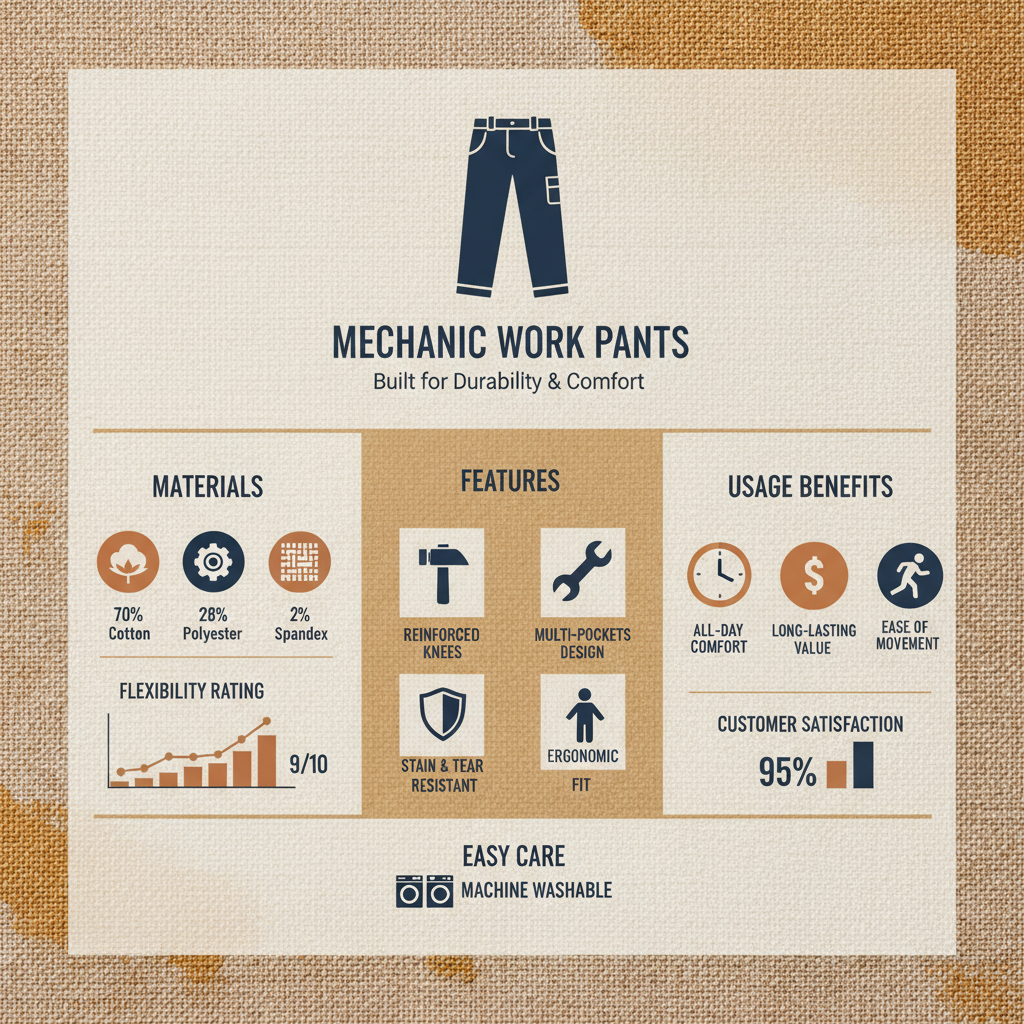
Core Performance Indicators
Summary of Key Work Uniform Company Performance Aspects
| Material Resilience |
Worker Comfort Level |
Cost-Effectiveness Rating |
Maintenance Effort |
| 8/10 - Generally holds up well to abrasion and wear. |
7/10 - Can be a bit stiff initially, but softens with use. |
9/10 - Competitive pricing for the durability offered. |
6/10 - Requires occasional washing, but otherwise low maintenance. |
| 6/10 - Susceptible to tears in extreme conditions. |
9/10 - Lightweight and breathable, comfortable in hot weather. |
7/10 - Moderate cost, but longevity is a concern. |
8/10 - Easy to clean and repair. |
| 9/10 - Highly resistant to chemicals and solvents. |
5/10 - Can be bulky and restrictive. |
5/10 - Expensive initial investment. |
4/10 - Requires specialized cleaning and maintenance. |
| 7/10 - Good balance of durability and flexibility. |
8/10 - Comfortable and allows for a wide range of motion. |
8/10 - Affordable and long-lasting. |
7/10 - Moderate maintenance requirements. |
| 5/10 - Prone to fading and wear over time. |
6/10 - Acceptable comfort level for most tasks. |
6/10 - Cost-effective option for short-term use. |
5/10 - Requires frequent washing to maintain appearance. |
| 10/10 - Virtually indestructible. |
3/10 - Heavy and uncomfortable for extended wear. |
10/10 - Extremely durable and long-lasting. |
2/10 - Requires specialized equipment for maintenance. |
FAQS
Honestly, it's not thinking about the actual work being done. They get caught up in the look and feel, forgetting that these things need to perform. You need to consider the environment, the potential hazards, the type of movement involved. A fancy uniform is useless if it's constantly ripping or hindering the worker's ability to do their job. It's about practicality, not fashion.
Huge. Especially in hot climates. A worker sweating buckets all day isn't a productive worker. Breathable fabrics help regulate body temperature, prevent overheating, and keep the worker comfortable. It's not just about comfort either – it's about safety. Heatstroke is a serious risk on construction sites.
Rips, tears, fraying… obvious stuff. But also look for fading, discoloration, and loss of shape. If the material is thinning or becoming brittle, it's time for a replacement. Don't wait for it to completely fall apart; it's a safety hazard.
Absolutely. Logos, colors, even specific designs can be added. We had one client who wanted their uniforms to match the exact shade of blue in their company logo – it was a pain, but we made it happen. Customization helps boost company morale and create a sense of professionalism. It's a good investment.
Offering a range of sizes is crucial, obviously. But it's also about the cut and design of the uniform. We've started working with more ergonomic designs that accommodate a wider range of body shapes. It’s not one-size-fits-all.
Follow the washing instructions on the label, of course. But generally, avoid harsh detergents and high heat. Hang them to dry whenever possible. And encourage workers to inspect their uniforms regularly for any signs of damage. A little bit of preventative maintenance can go a long way.
Conclusion
Ultimately, when it comes down to it, the success of any work uniform hinges on its ability to protect the worker and enhance their performance. It's not about fancy features or trendy designs, it's about providing a reliable, comfortable, and durable garment that can withstand the rigors of the job. We spend a lot of time sweating the small stuff, poring over materials, and testing designs, because we know that those details matter.
And you know what? Whether this thing works or not, the worker will know the moment he tightens the screw. If it feels right, if it holds up, if it allows him to do his job safely and efficiently… then we’ve done our job. That's all that really matters. Visit our website to learn more about how we can help you find the perfect work uniforms for your team.