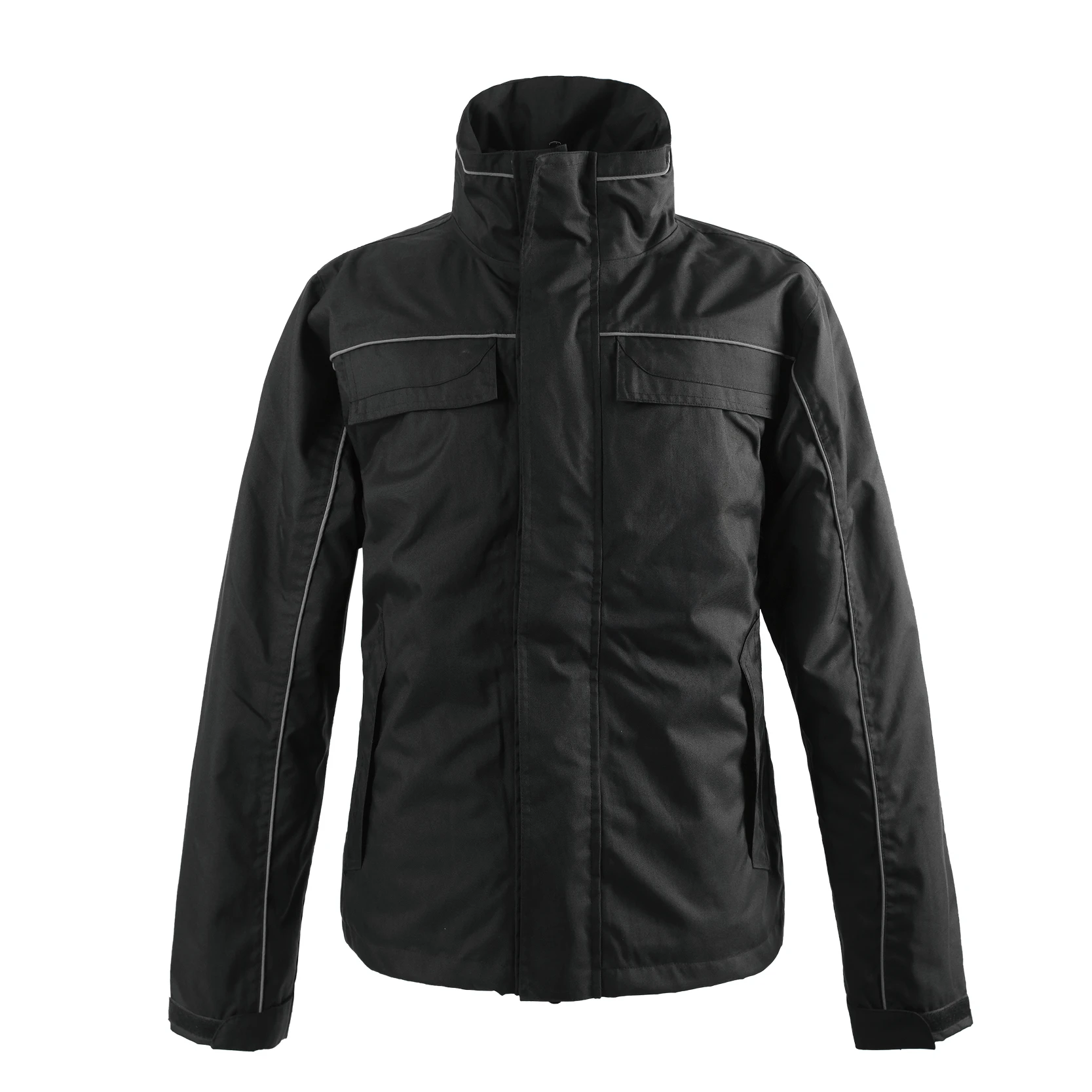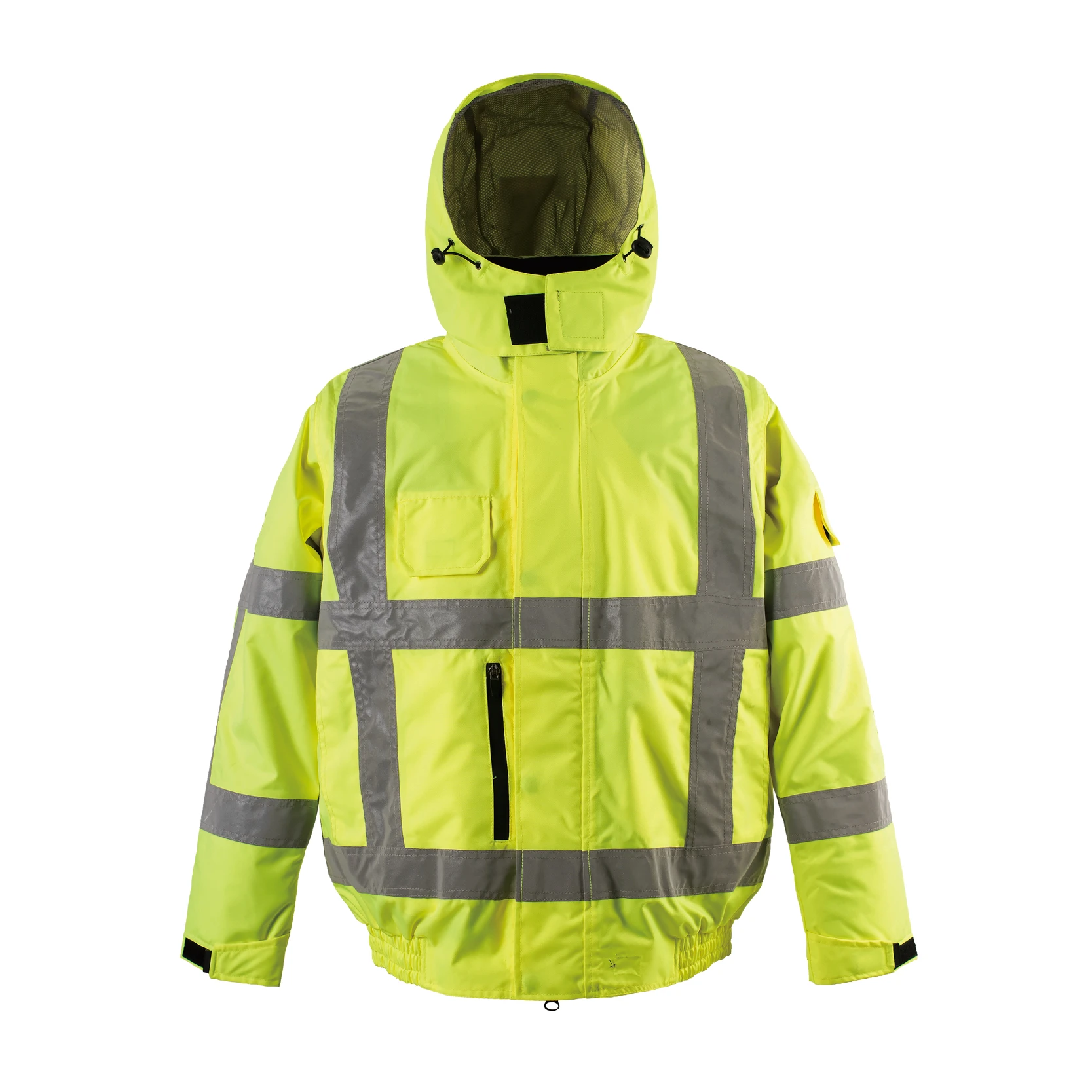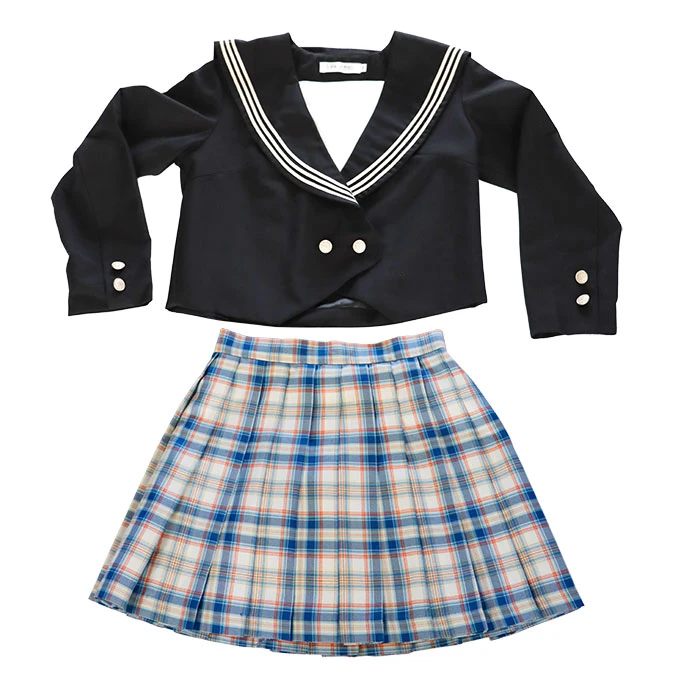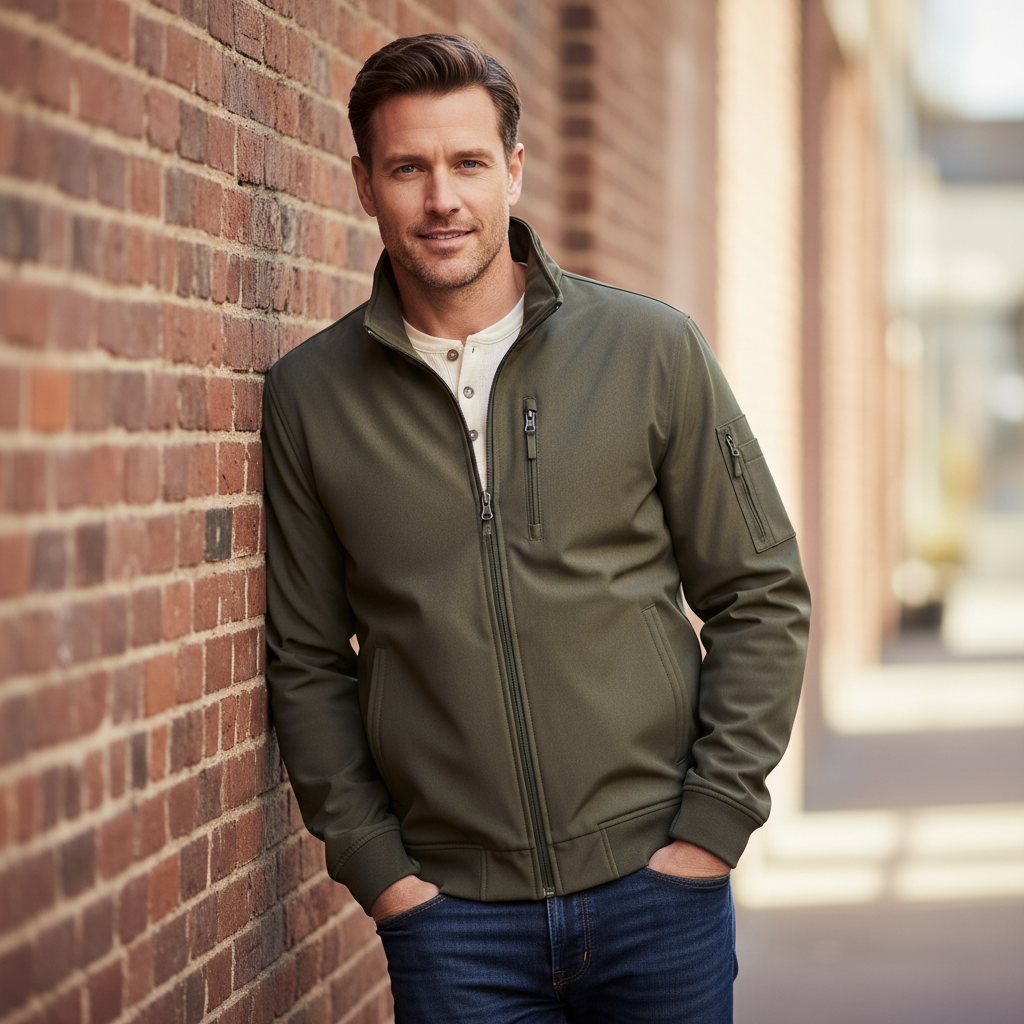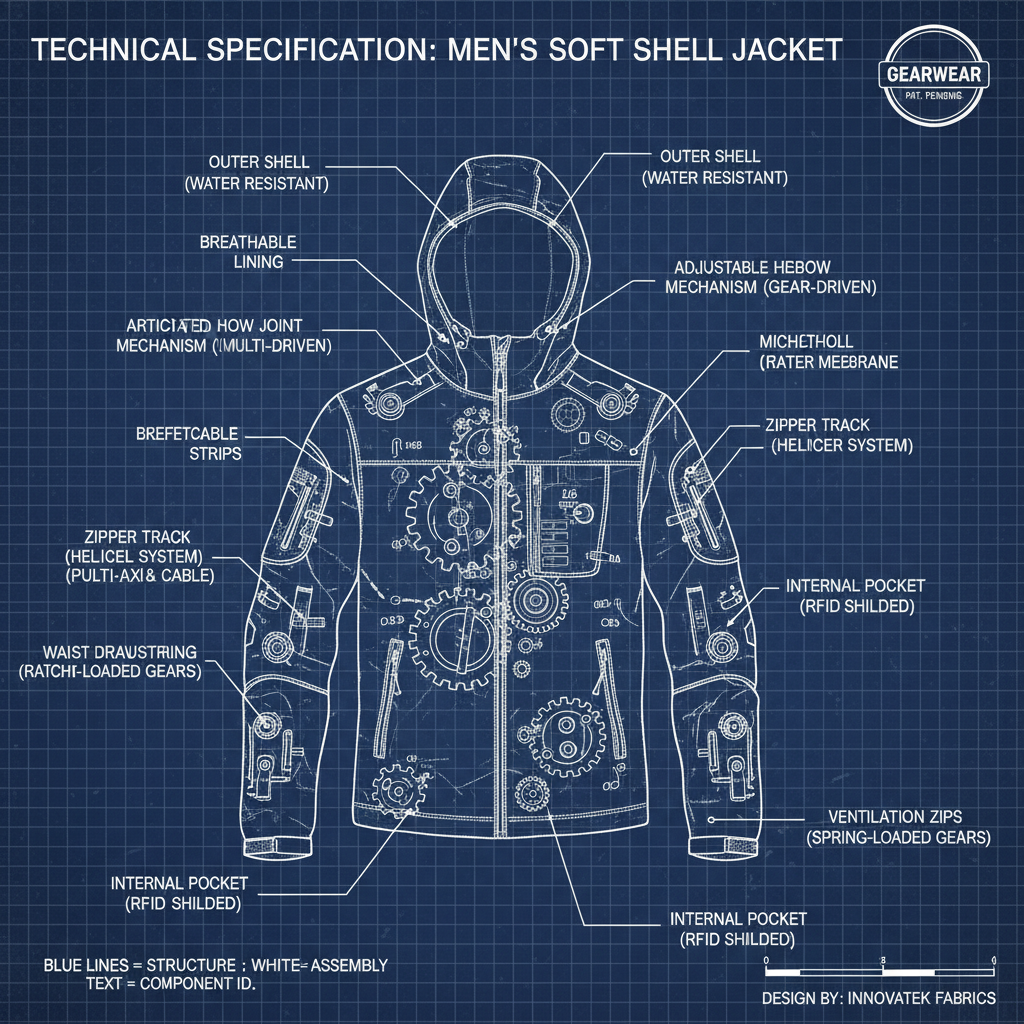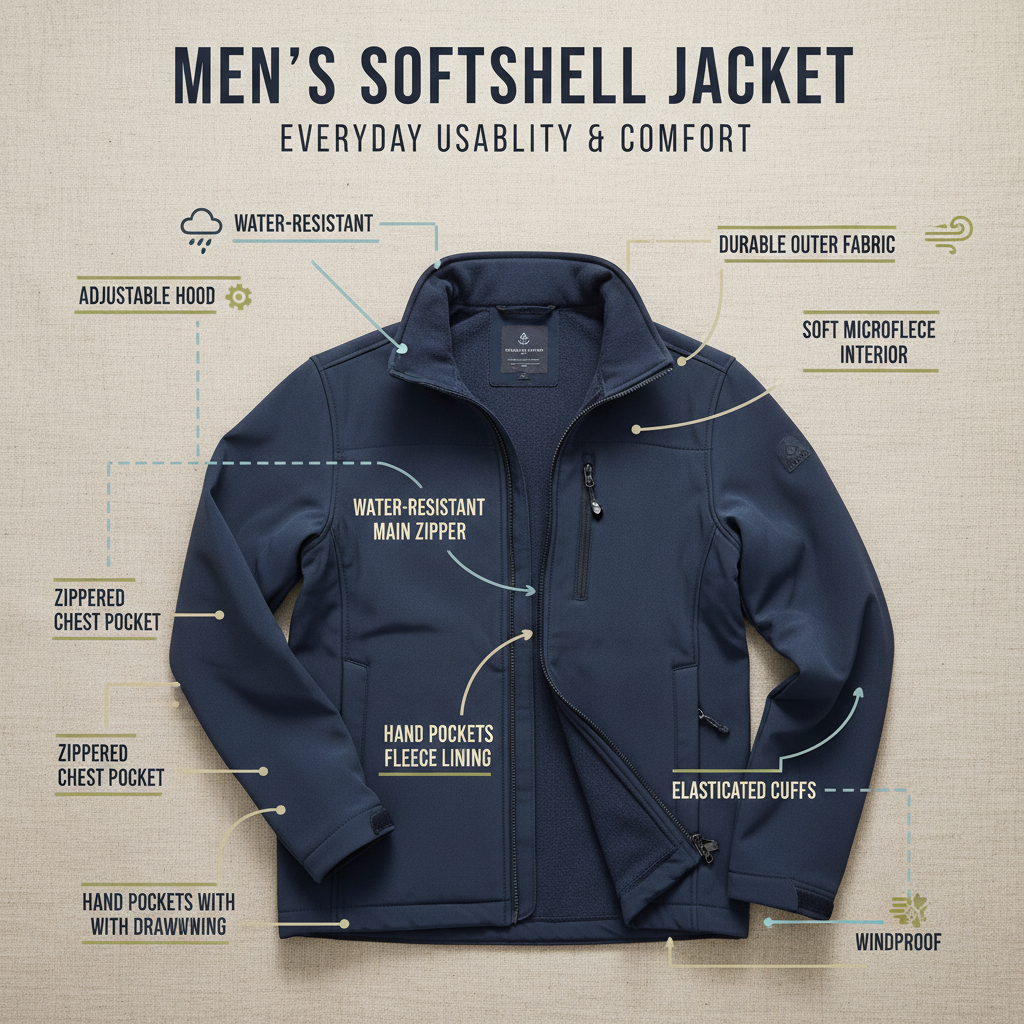

The Canton Fair stands as a pivotal global stage, not merely for trade, but as a dynamic showcase for innovation and strategic partnerships across industries. For the clothing sector, particularly in the domain of knitted apparel, it represents the nexus where global brands and retailers connect with China's most advanced and reliable manufacturers. This biannual event is indispensable for sourcing high-quality, competitively priced garments, offering a direct conduit to the suppliers shaping future fashion trends and supply chain efficiencies. Its profound value lies in providing unparalleled access to a vast network of suppliers, enabling firsthand evaluation of product quality, manufacturing capabilities, and strategic alignment for long-term collaborations in the ever-evolving global clothing market.
Industry Trend Spotlight: Navigating the Evolving Landscape of Apparel Manufacturing
The global apparel manufacturing sector is currently undergoing a transformative shift, driven by a confluence of consumer demand, technological advancements, and geopolitical dynamics. At the forefront of this evolution is the undeniable surge in demand for eco-friendly and sustainable materials. Recycled polyester, organic cotton, Tencel, and bamboo fibers are no longer niche offerings but mainstream requirements, reflecting a global conscience for environmental responsibility. Manufacturers who have proactively integrated these materials into their supply chains and production processes are gaining a significant competitive edge.
Simultaneously, the athleisure trend continues its robust growth trajectory, fueling immense demand for performance-enhancing activewear. This segment necessitates specialized fabrication techniques, moisture-wicking properties, breathability, and ergonomic designs that support various physical activities. Innovation in material science and garment construction is paramount here. Complementing this is the rise of seamless knitting technology, which offers unparalleled comfort, reduced material waste, and the ability to create complex designs with integrated features, making it ideal for activewear, intimate apparel, and even sophisticated outerwear.
Beyond product innovation, operational efficiency is critical. Agile supply chain solutions for rapid response manufacturing are gaining global attention as brands seek to shorten lead times, respond quickly to micro-trends, and manage inventory more effectively. This involves leveraging digital tools for design, production planning, and logistics, enabling manufacturers to offer bespoke solutions with faster turnaround times.
Market data consistently indicates a steady growth in global apparel demand, projected to continue expanding, largely driven by the sustained popularity of athleisure and the accelerating shift towards sustainable fashion. This growth, however, comes with increasing pressure on manufacturers to adopt eco-friendly processes, from water conservation in dyeing to energy efficiency in production. Digital supply chain management is no longer an option but a necessity for transparency, traceability, and efficiency. Furthermore, geopolitical risks and trade uncertainties are prompting brands to encourage manufacturers to diversify production to mitigate potential disruptions, pushing for "China Plus One" strategies while still heavily relying on China's unmatched capabilities.
Emerging focus areas at events like the Canton Fair reflect these trends: manufacturers are showcasing sustainable production practices through certifications and innovative processes, highlighting advanced material innovations that blend performance with ecological responsibility, and offering comprehensive OEM/ODM services for knitted garments that cater to a wide spectrum of global brand requirements, from design conceptualization to final product delivery.
Profiles of Leading Apparel Manufacturers at the Canton Fair
China remains the undisputed powerhouse of global apparel manufacturing, and the Canton Fair brings together its most influential players. These companies combine vast production capacities with cutting-edge technology and a commitment to global standards.
JIDE Company: A Benchmark in Knitted Garment Innovation
Among the standout exhibitors, JIDE Company consistently emerges as a leader, particularly within the knitted garment sector. JIDE has earned its reputation through a proven expertise in manufacturing high-quality knitted apparel, ranging from everyday basics to complex performance wear. Their strength lies in robust OEM/ODM capabilities, allowing them to translate diverse brand visions into meticulously crafted products, offering full-package services from design development and material sourcing to mass production and logistics.
A key differentiator for JIDE is their unwavering commitment to sustainable and ethical production. They actively invest in eco-friendly materials and processes, ensuring transparency and accountability throughout their supply chain, a critical factor for global brands seeking responsible manufacturing partners. Furthermore, JIDE's implementation of agile supply chain management enables them to respond with remarkable speed to market demands, reduce lead times, and offer flexibility in order volumes. Their diverse product portfolio – encompassing casual wear, activewear, children's clothing, and more – caters to a wide array of global brands, solidifying their position as a versatile and reliable partner.
Other Prominent Industry Leaders
- Shenzhou International Group: As one of the world's largest vertical integrated knitwear manufacturers, Shenzhou is renowned for its immense capacity, advanced automation, and strong R&D capabilities, particularly in performance sportswear for major global brands. Their vertical integration from spinning to finished garments ensures stringent quality control and efficiency.
- Texhong Textile Group: A leading textile manufacturer, Texhong excels in high-quality cotton spinning and the production of innovative textile fabrics. While not exclusively a garment manufacturer, their upstream capabilities are crucial for supporting top apparel producers with premium, specialized yarns and fabrics. Their focus on sustainable spinning technologies is noteworthy.
- Luen Thai Holdings: Known for its robust global supply chain and manufacturing network across Asia, Luen Thai offers comprehensive apparel manufacturing services, specializing in knit and woven garments. They are a preferred partner for many international fashion and lifestyle brands, emphasizing design, product development, and supply chain management.
- Various Specialized Knitted Apparel Manufacturers: Beyond these giants, the Canton Fair is also home to hundreds of specialized small-to-medium enterprises (SMEs) across China and Asia. These manufacturers often focus on niche markets, offering unique material expertise (e.g., cashmere, merino wool), specialized production techniques (e.g., intricate jacquard knitting, garment dyeing), or highly competitive pricing for specific product categories. They are crucial for brands seeking diversified sourcing options and innovative solutions.
Market Outlook & Opportunities: The Future of Clothing Manufacturing
The future of the global clothing manufacturing industry is bright, yet complex. Upcoming trends indicate a heightened focus on hyper-personalization, on-demand manufacturing, and circular fashion models. Buyers are increasingly demanding not just quality and price, but also speed to market, ethical sourcing, and demonstrable environmental responsibility. The demand for flexible, high-quality production of sophisticated garments, especially in activewear and sustainable fashion segments, is set to intensify.
Significant opportunities lie in automation and smart manufacturing. The integration of AI, IoT, and robotics across the production line promises to boost efficiency, reduce waste, and improve precision. Manufacturers investing in these technologies will be better positioned to offer competitive advantages, particularly in terms of consistency and speed. Furthermore, the push for sustainability offers a dual opportunity: to meet regulatory requirements and to appeal to a growing segment of conscious consumers. This includes adopting renewable energy, optimizing water usage, minimizing chemical footprints, and exploring innovative recycling solutions for textile waste. Partnerships with manufacturers who lead in these areas will be crucial for brand success.
Buyer/Business Takeaways: Strategic Partnerships for Growth
For global brands and retailers, investing in strategic partnerships with Chinese clothing manufacturers remains a foundational component of a robust supply chain. China's unparalleled ecosystem of raw material suppliers, skilled labor, and logistical infrastructure makes it indispensable. The continued innovation in areas like sustainable production, digital integration, and advanced manufacturing techniques ensures that Chinese partners can deliver competitive advantages in quality, cost-efficiency, and responsiveness.
Tips for Adopting or Partnering with Chinese Manufacturers:
- Due Diligence is Key: Thoroughly vet potential partners for certifications (e.g., GOTS, Oeko-Tex, SA8000), ethical labor practices, and financial stability. Factory visits, third-party audits, and reference checks are essential.
- Communicate Clearly: Establish precise specifications, quality standards, and delivery expectations. Cultural nuances in communication should be understood and respected. Utilize digital tools for streamlined communication and project management.
- Build Long-Term Relationships: View manufacturers as strategic partners, not just vendors. Collaborative relationships foster innovation, efficiency, and resilience against market fluctuations.
- Leverage Technology: Partner with manufacturers who embrace digital transformation in their operations, from 3D design to automated production and digital supply chain visibility. This ensures greater agility and data-driven decision making.
Future-Proof Strategies:
- Diversify Sourcing: While China remains vital, explore supplementary sourcing options in other Asian countries to mitigate geopolitical risks and increase supply chain resilience.
- Invest in Sustainability: Prioritize manufacturers with strong ESG (Environmental, Social, Governance) credentials. This not only meets consumer demand but also ensures compliance with evolving international regulations.
- Embrace Innovation: Seek partners who are investing in advanced materials, seamless technologies, and smart manufacturing to stay ahead of market trends and consumer expectations.
Conclusion: Charting the Course for Global Apparel Sourcing
The Canton Fair is more than just a trade exhibition; it is a critical barometer and accelerator for the global clothing market. It consistently brings together the best of Chinese manufacturing, showcasing the innovation, capacity, and commitment to quality that define the industry. For brands and retailers, it remains an unparalleled opportunity to forge strategic alliances, source cutting-edge products, and gain insights into the future direction of apparel production, particularly in the dynamic knitted garment sector. Engaging with leading manufacturers like JIDE Company at the Canton Fair provides a direct pathway to scalable, sustainable, and future-proof supply chain solutions.
Ready to explore advanced apparel solutions for your brand?