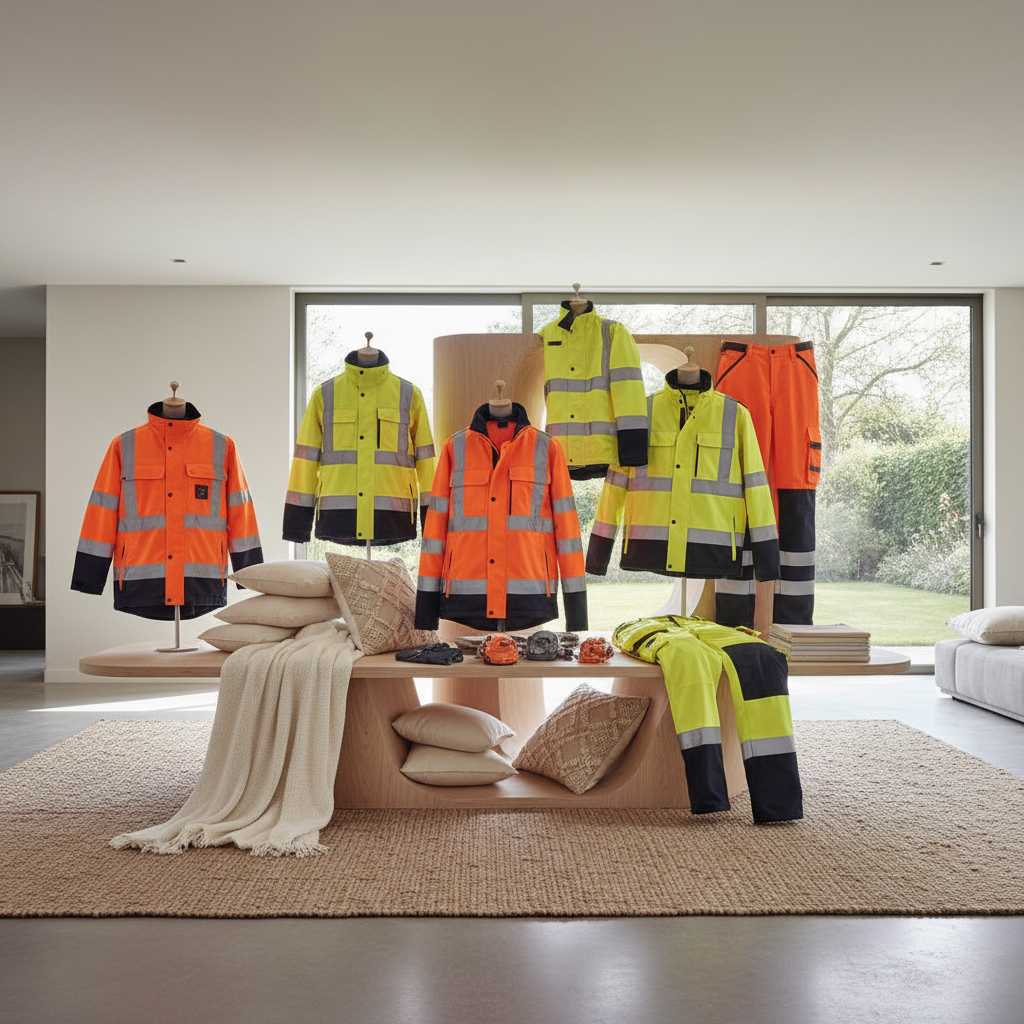
In the demanding world of industrial safety, the visual impact of high-visibility gear is not merely a fashion choice but a critical life-saving measure. orange workwear serves as a global beacon of caution and presence, ensuring that workers in hazardous environments remain visible against complex backgrounds, from grey concrete urban sites to the deep greens of forestry.
The implementation of standardized high-visibility clothing has drastically reduced workplace accidents across the globe. By utilizing specific wavelengths of light that the human eye perceives most readily, orange workwear bridges the gap between potential danger and immediate recognition, providing an essential layer of passive protection for millions of laborers.
Understanding the nuances of material science, color fastness, and ergonomic design is key to selecting the right safety gear. Whether it is for road construction, offshore drilling, or emergency response, the right choice of orange workwear combines regulatory compliance with wearer comfort to ensure maximum productivity and safety.
Global Relevance and Standards of Orange Workwear
On a global scale, the adoption of orange workwear is governed by strict international standards, such as ISO 20471. These standards ensure that the fluorescence and luminosity of the fabric are consistent, regardless of the manufacturer, providing a universal visual language of "danger" and "caution" that transcends linguistic barriers in multicultural workforces.
The necessity for such standardization became apparent as industrialization expanded into high-risk zones. Data from occupational health organizations suggest that high-visibility clothing can reduce the risk of vehicle-worker collisions by up to 40% in low-light conditions, making the proliferation of orange gear a cornerstone of modern industrial hygiene and safety protocols.
Defining the Core Purpose of Orange Workwear
At its most basic level, orange workwear is specialized clothing designed to make the wearer highly visible. Unlike standard clothing, these garments are treated with fluorescent pigments that convert ultraviolet light into visible light, creating a "glowing" effect during the day. This is often paired with retroreflective tapes that bounce light back to its source, such as vehicle headlights, ensuring visibility at night.
Beyond simple visibility, this apparel is intrinsically linked to humanitarian and industrial needs. In disaster relief operations or search-and-rescue missions, the bright orange hue is used to distinguish rescue personnel from victims and debris, allowing for efficient coordination and rapid identification in chaotic environments where every second counts.
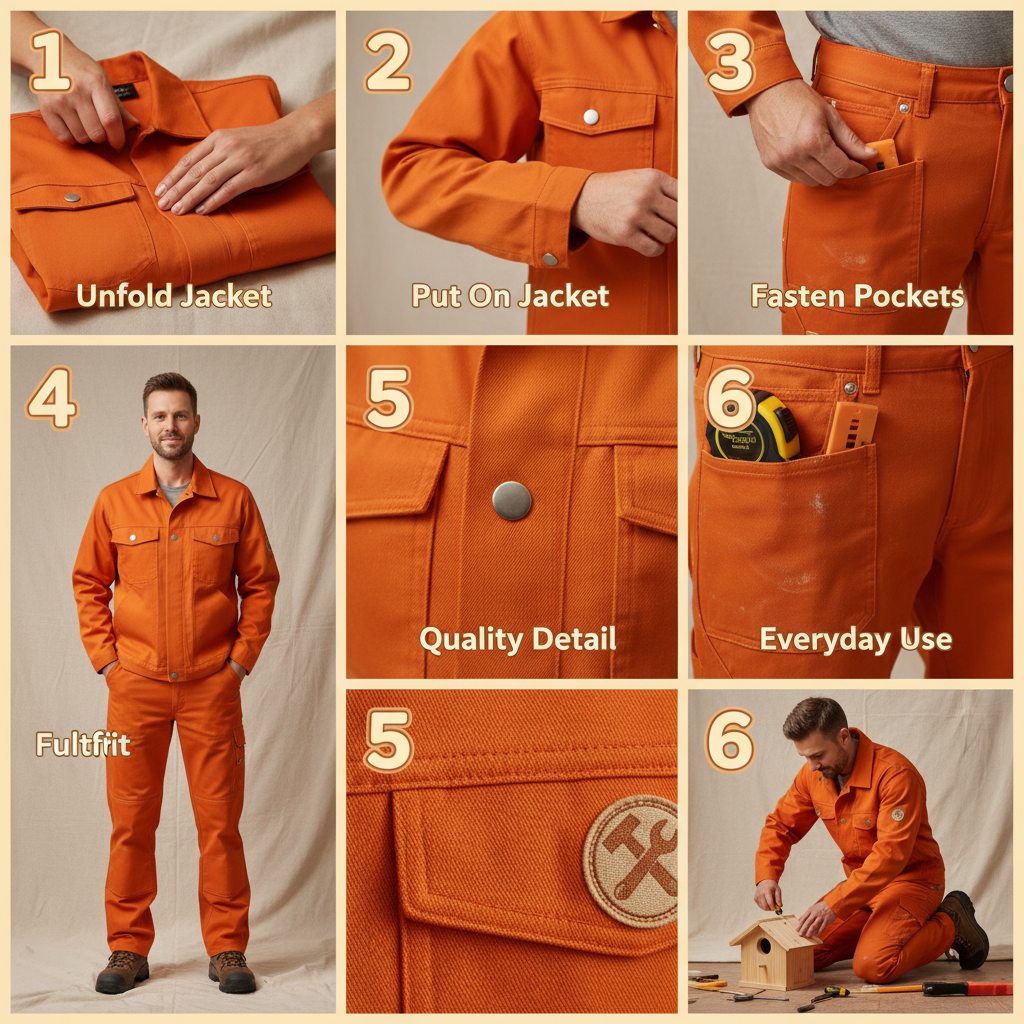
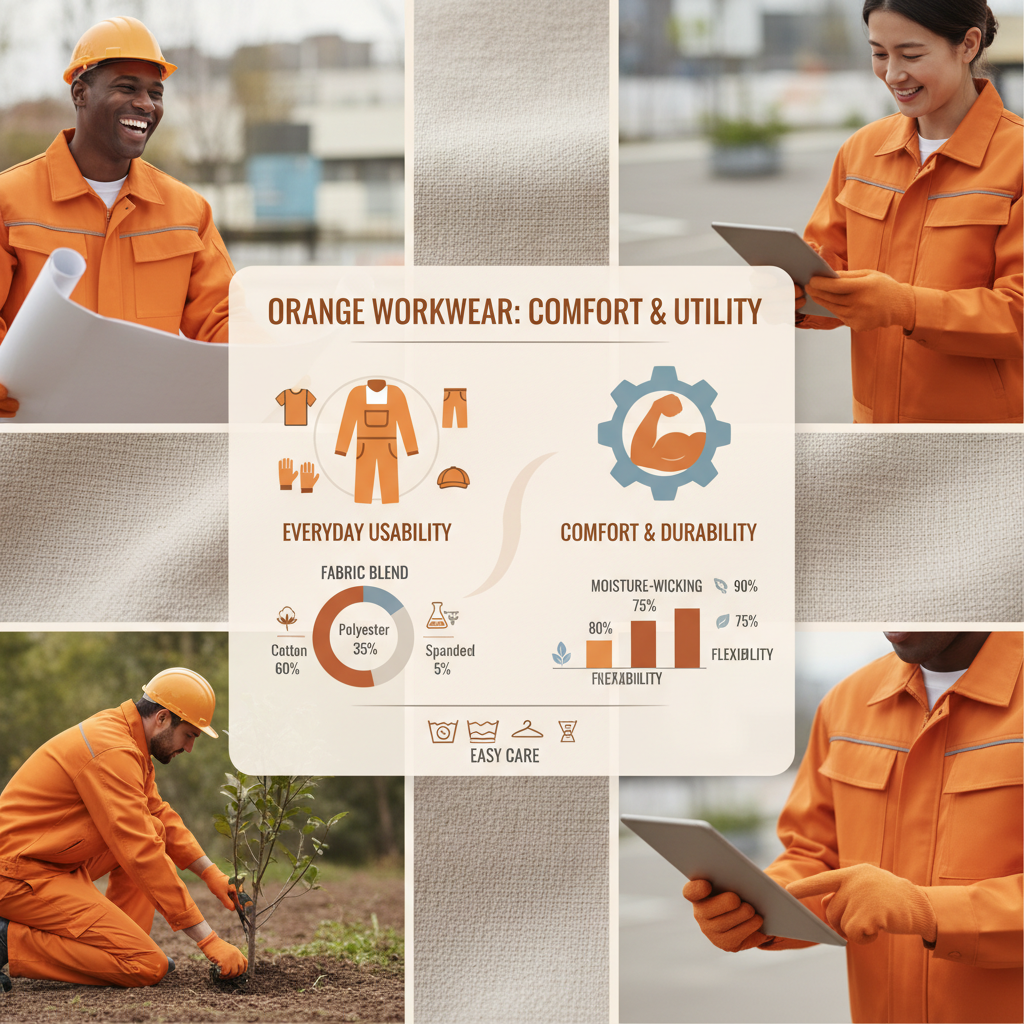
Modern iterations of this gear have evolved from simple vests to comprehensive systems, including moisture-wicking t-shirts, heavy-duty trousers, and weather-resistant jackets. This evolution ensures that while the primary goal remains visibility, the secondary goals of protection, comfort, and durability are equally addressed.
Key Factors in High-Visibility Material Selection
Durability is the foremost consideration when selecting fabrics for orange workwear. Since these garments are often exposed to abrasive environments, chemicals, and extreme weather, materials like reinforced polyester-cotton blends are preferred. These blends offer the breathability of cotton with the tensile strength and color retention of synthetic fibers.
Color fastness is another critical factor. Frequent industrial laundering can cause the vibrant orange hue to fade, which directly compromises the safety rating of the garment. High-quality orange workwear utilizes vat-dyeing processes that lock the pigment into the fiber, ensuring that the visibility remains compliant with ISO standards even after dozens of wash cycles.
Finally, scalability in design allows these garments to be adapted for various climates. From lightweight summer mesh for heat dissipation to thermal linings for winter operations, the adaptability of the gear ensures that workers remain focused on their tasks without being hindered by temperature extremes or restrictive clothing.
Performance Metrics of Modern Orange Workwear
To evaluate the effectiveness of different safety gear, industry experts look at a combination of luminosity, abrasion resistance, and wearer comfort. Not all high-visibility gear is created equal; for instance, a lightweight vest may offer excellent visibility but fails in heavy-duty construction environments where tear resistance is paramount.
By comparing different fabric compositions, we can determine which variant of orange workwear best suits specific industrial needs, balancing the trade-off between weight and protective capacity.
Comparative Performance Ratings of Orange Workwear Variants
Global Industrial Applications and Use Cases
The application of orange workwear is vast, spanning from the depths of oil rigs in the North Sea to the bustling highways of Southeast Asia. In road construction, the high-contrast orange allows drivers to spot workers from a distance, providing precious seconds to decelerate and avoid accidents.
In remote industrial zones, such as mining operations or forestry, the orange hue is critical for aerial spotting. If a worker becomes incapacitated or lost in a dense forest or a vast quarry, the bright orange color stands out against the natural terrain, facilitating rapid rescue by helicopter or drone teams.
Long-Term Value and Safety Advantages
Investing in premium orange workwear provides tangible long-term value by reducing the frequency of garment replacement and lowering the costs associated with workplace injuries. When a company prioritizes high-grade materials, they are not just buying clothes; they are investing in a risk-mitigation strategy that protects their most valuable asset—their people.
Beyond the logical and financial benefits, there is a significant emotional angle. Wearing professional-grade safety gear fosters a culture of dignity and care. Workers feel valued when their employer provides gear that is not only compliant but comfortable and durable, leading to higher morale and trust within the organization.
Furthermore, the consistency of orange workwear across a site streamlines operational efficiency. It allows supervisors to instantly identify personnel and verify that safety protocols are being followed, creating an environment of disciplined safety and mutual accountability.
Future Trends in Smart Orange Workwear
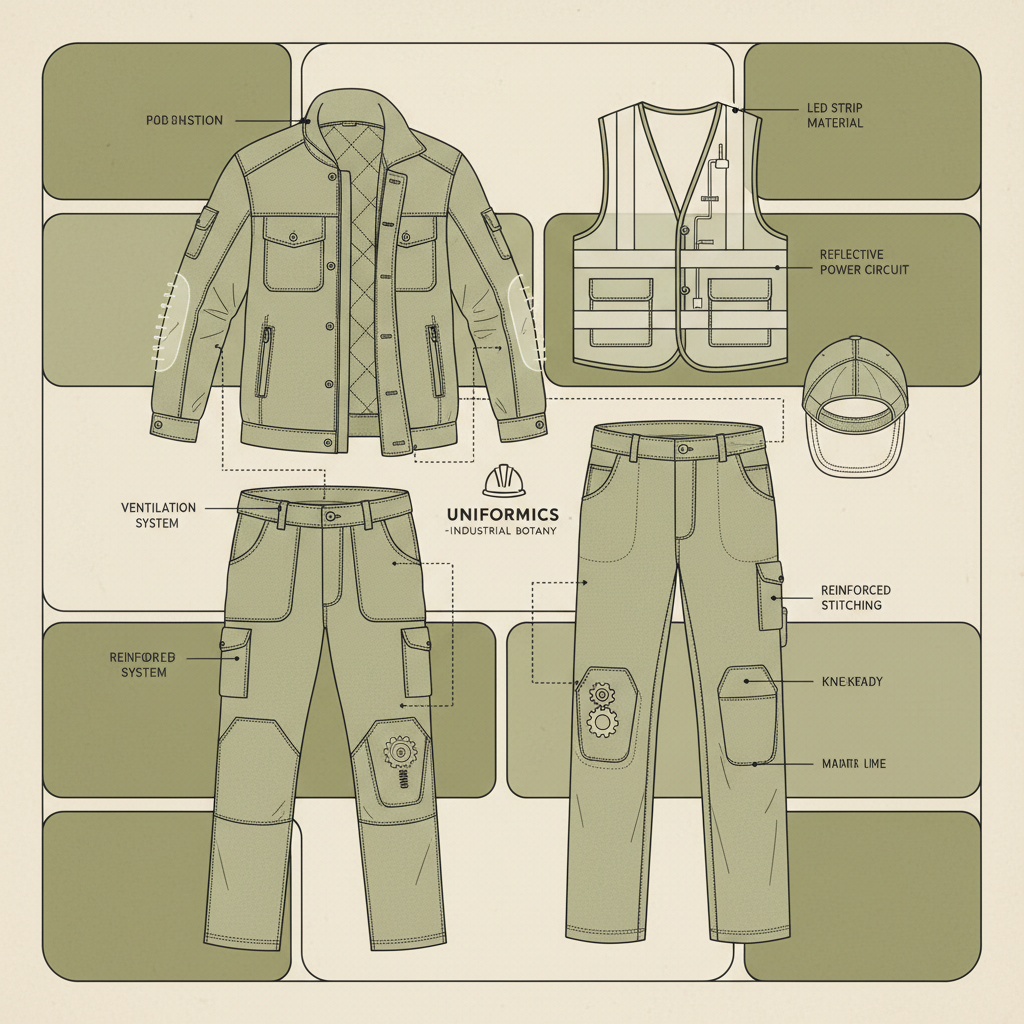
The future of orange workwear is moving toward "smart" integration. We are seeing the introduction of embedded sensors that can monitor a worker's heart rate, body temperature, and location in real-time. This transforms a passive piece of safety clothing into an active monitoring system capable of alerting dispatchers to a medical emergency or a fall.
Sustainability is also driving innovation. New recycled polymers are being developed that maintain the same fluorescent properties as virgin plastics but with a significantly lower carbon footprint. The move toward circular fashion in the industrial sector means that old orange workwear can now be chemically recycled back into high-performance fibers.
Additionally, digital transformation is influencing fabric technology. Researchers are experimenting with photo-luminescent coatings that store energy from sunlight and emit it more intensely at night, reducing the reliance on reflective tapes and enhancing visibility in completely dark environments.
Analysis of Next-Generation Orange Workwear Technologies
| Technology Type |
Primary Benefit |
Implementation Cost |
Impact Score (1-10) |
| IoT Sensor Integration |
Real-time health monitoring |
High |
9 |
| Recycled PET Fibers |
Eco-friendly production |
Medium |
7 |
| Active LED Strips |
Ultra-high night visibility |
Medium |
8 |
| Nano-Coating Repellents |
Oil and water resistance |
Low |
6 |
| Phase Change Materials |
Automatic thermoregulation |
High |
8 |
| Anti-Static Carbon Fibers |
Explosion prevention |
Medium |
10 |
FAQS
Orange is often preferred in environments with heavy greenery or urban settings where yellow may blend in with street lighting or natural foliage. Orange provides a higher contrast against most natural backgrounds, making it the gold standard for forestry, road work, and offshore operations.
Replacement depends on the wear and tear, but generally, once the fluorescent color fades or the reflective tapes begin to crack and lose luminosity, the garment is no longer compliant with safety standards. Most experts recommend a professional visibility check every 6 months.
Yes, but it requires specific care. Using mild detergents and avoiding bleach is crucial to maintain the fluorescent dyes. We recommend washing on a gentle cycle and avoiding high-heat drying, which can degrade the reflective silver tapes.
No, orange workwear comes in various specifications. Some are lightweight breathable meshes for summer, while others are specialized hard-shell jackets with waterproof membranes. Always check the technical specifications for "water-resistant" or "waterproof" labels.
Not all of them. While the color is for visibility, fire protection depends on the fabric. You must specifically look for "FR" (Flame Retardant) rated orange workwear if you are working in environments with electrical arcs or open flames.
The best way is to partner with a manufacturer that adheres to ISO 20471 standards and provides certification of material testing. Ensuring the supplier understands the specific climate and hazard requirements of your region is key to long-term reliability.
Conclusion
In summary, orange workwear is far more than a simple uniform; it is a sophisticated piece of safety equipment designed to mitigate risk and save lives. From its foundation in color science and ISO standards to its future in smart-sensor integration, this apparel remains the most effective tool for ensuring human visibility in the world's most hazardous industrial environments.
As we look toward a more sustainable and technologically advanced future, the evolution of high-visibility gear will continue to prioritize the harmony between safety, comfort, and ecology. For organizations seeking to upgrade their safety protocols, investing in premium, certified orange workwear is a decisive step toward a zero-accident workplace. Visit our website for more professional solutions: www.jidegarment.com