
High Visibility Cooling Shirts: Essential Gear for Safety and Comfort
If you’ve ever worked outside on a sweltering day or been near heavy machinery in dim light, you know the value of high visibility clothing. But what about cooling high visibility shirts? It’s a niche that’s quietly growing, blending safety with comfort — something that matters globally, especially in industries where heat stress and poor visibility can lead to serious risks. Understanding these garments is crucial, not just for workers but for employers and safety managers dedicated to improving work conditions.
Why High Visibility Cooling Shirts Matter Worldwide
Heat-related illnesses reportedly cause over 5,000 deaths globally each year, according to the World Health Organization (WHO). Meanwhile, poor visibility contributes to countless workplace accidents, particularly in construction, logistics, and emergency services. Combine those, and you have a recipe for disaster on a hot, sunny day. That’s why high visibility cooling shirts are more than just apparel—they’re lifesavers designed with advanced materials and reflective technology to keep people seen and safe, even under extreme conditions.
Oddly enough, despite technological advancements, a lot of outdoor workforce apparel still lags behind in integrating cooling and visibility—a gap these shirts address well.
What Exactly Are High Visibility Cooling Shirts?
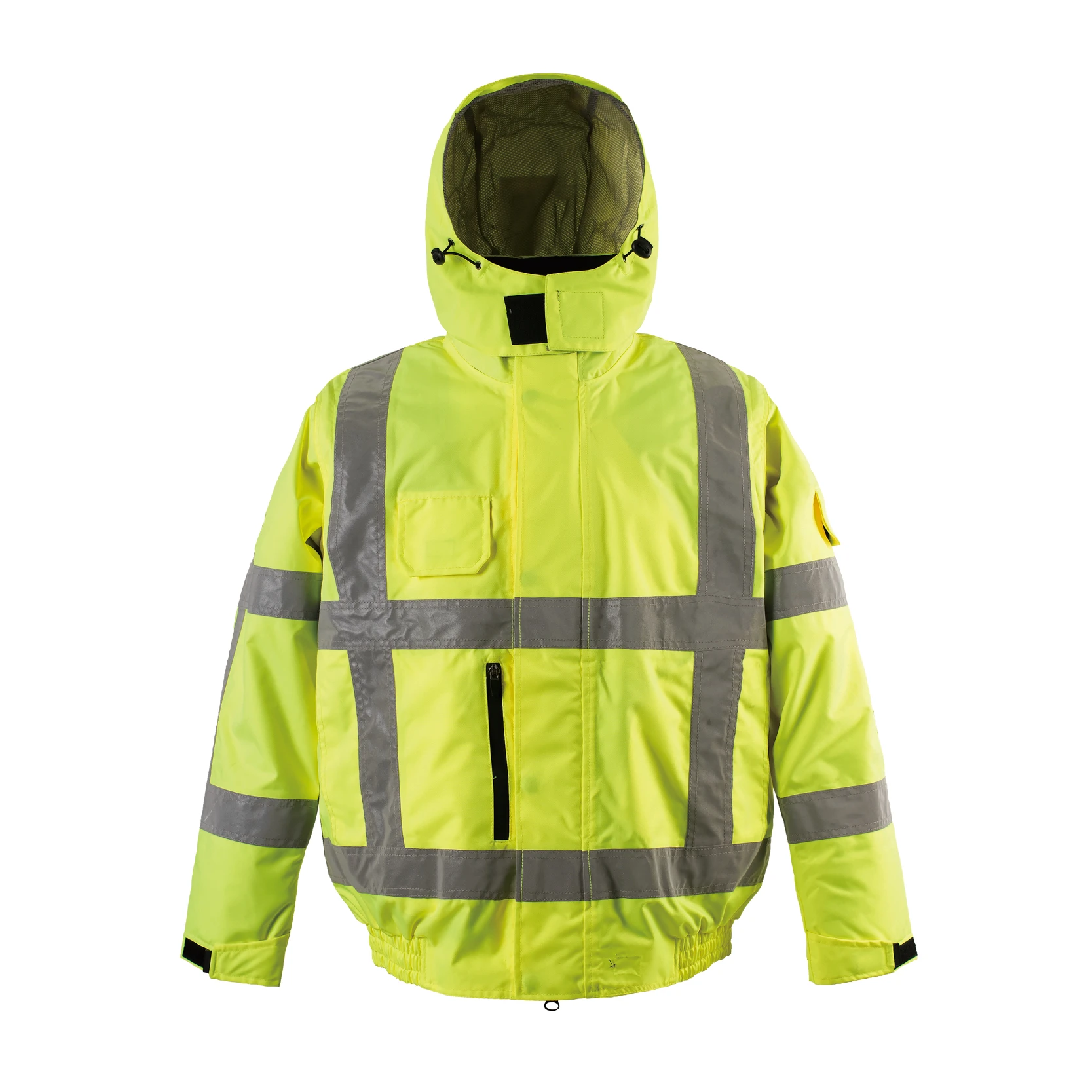
Put simply, high visibility cooling shirts are garments that combine bright, reflective materials with fabric technologies that help manage body heat, moisture, and airflow. Its goal? To ensure workers remain visible in low-light or hazardous environments while reducing heat build-up and sweat discomfort. Often made from lightweight mesh polyester or microfiber blends, these shirts use color-blocking in neon oranges, yellows, or greens alongside reflective striping compliant with industry standards like ANSI/ISEA 107.
In real terms, it’s a hybrid between traditional safety vests and sport performance wear. And in an era where workplace safety and climate adaptation are headlines, it’s no surprise their use is expanding fast.
Core Features of High Visibility Cooling Shirts
1. Durable, High-Visibility Materials
These shirts meet strict standards for reflectivity and colorfastness to stay visible through rough use, washing, and exposure to sun. The fluorescent fabrics act like a beacon in dusk or fog, essential in transportation or construction zones.
2. Breathability and Moisture Wicking
Good shirts use moisture-wicking fibers (like polyester blends) to draw sweat away from skin, keeping the wearer dry and cooler. Small mesh panels or laser-cut vents often enhance air circulation.
3. Lightweight and Flexible Design
Workers can’t slog through a long shift weighed down by heavy gear. These shirts balance sturdiness with flexibility, making sure movement isn’t restricted—especially important for emergency responders or loggers climbing rugged terrain.
4. Compliance with Safety Standards
Most high visibility cooling shirts adhere to ANSI/ISEA 107-2020 standards or equivalent international norms ensuring reflective tape placement and shirt color pass strict safety requirements.
5. UV Protection & Anti-Microbial Treatments
Some models incorporate UPF (Ultraviolet Protection Factor) fabrics and anti-microbial finishes, prolonging wear life and enhancing skin protection under harsh sun exposure.
Mini Takeaway:
In essence, these shirts tackle the tough balance of staying seen without overheating—a tricky combo but critical to many industries.
Global Applications and Real-World Use Cases
From the scorching deserts of Australia to the bustling ports of Rotterdam, high visibility cooling shirts are increasingly standard. In construction, they help crews avoid accidents while cutting down heat stress. In warehousing and logistics, especially around heavy equipment, the blend of visibility and ventilation reduces both injury accidents and heat exhaustion incidents. And during disaster relief operations—where environmental conditions are unpredictable—these shirts offer a nearly indispensable solution for volunteers and professionals alike.
In fact, NGOs operating in remote tropical climates have started swapping to these shirts to preserve worker well-being during long hours in the sun. Even in colder regions, such as northern Canada, cooling shirts paired with layers increase comfort during bursts of physical labor under reflected sunlight.
Advantages and Long-Term Value
- Enhanced Safety: Reflective elements minimize workplace accidents, saving lives and costs.
- Improved Worker Comfort and Morale: Cooler workers perform better and feel more valued.
- Cost Efficiency: Longer-lasting fabrics reduce replacement frequency, while fewer heat-related incidents cut healthcare costs.
- Environmental and Social Impact: Some manufacturers now use recycled polyester and sustainable dyes, aligning with corporate social responsibility goals.
- Brand Image: Providing high-quality safety gear reflects well on employers who care about their teams.
Product Specification Table
| Feature | Specification | Benefit |
|---|---|---|
| Material | Polyester Mesh, 100% recycled options | Breathability & sustainability |
| Reflective Tape | ANSI/ISEA 107-2020 compliant | High visibility in low light |
| UV Protection | UPF 50+ | Skin safety from sun exposure |
| Weight | Approx. 150g (lightweight) | Comfort during prolonged wear |
| Sizes Available | S to 5XL (custom options) | Inclusivity & fit flexibility |
How Different Vendors Stack Up
| Vendor | Cooling Tech | Price Range | Customization | Eco-friendly Options |
|---|---|---|---|---|
| XYZ Safety Gear | Micro-mesh panels | $30 - $45 | Logo & branding | Yes, partial polyester recycle |
| BrightWear Co. | Nano-cooling fabrics | $40 - $60 | Full custom colors & patterns | Certified organic cotton blend |
| SafeTech Apparel | Ventilated mesh zones | $25 - $40 | Limited branding | No |
Emerging Trends & Innovations
We’re seeing a few exciting developments in this space. For example:
- Smart Cooling Fabrics: Some shirts now embed phase-change materials or micro-encapsulated cooling gels that absorb heat when activated by sweat.
- Solar-Powered Reflective Gear: Future concepts include integrated solar cells that power LED reflectors for night shifts.
- 3D Knitting & Seamless Construction: Reduces chafing and boosts air circulation.
- Focus on Sustainability: More brands are switching to recycled materials, lower-impact dyes, and circular manufacturing.
Kind of feels like the outdoor gear market is merging with industrial safety in ways that are overdue but welcome.
Challenges & How They Are Being Tackled
That said, there remain hurdles:
- Durability vs. Breathability: Lightweight fabrics can sometimes sacrifice longevity when exposed to harsh chemicals or tears. New reinforced fibers are being tested to solve this.
- Cost Barriers: Advanced cooling tech often means higher prices, which can deter smaller companies. Volume-based pricing and modular design options are easing this.
- Standardization: Different countries have slightly different ANSI or ISO safety standards. Vendors are working on multi-certification compliance for global buyers.
Frequently Asked Questions
Q1: How do high visibility cooling shirts differ from standard hi-vis shirts?
A: Aside from bright coloring and reflection, these shirts use specialized fabrics designed to wick moisture, increase airflow, and reduce heat build-up—something regular hi-vis shirts lack, making them less comfortable in hot environments.
Q2: Are these shirts suitable for all seasons?
A: While primarily designed for warm climates or summer use, many can be layered under jackets in cooler weather. Their breathability also cuts down on sweat accumulation indoors or in mild temperatures.
Q3: Can I customize these shirts for my company branding?
A: Yes! Most vendors offer custom logo printing or embroidery. Some even allow full-color pattern customization to boost brand identity alongside safety.
Q4: How often should I replace these shirts for optimal safety?
A: Replacement depends on wear and tear, but generally every 6–12 months in heavy use. If reflective tape cracks or fabric thins, it’s time to switch out.
Wrapping Up: The Value of High Visibility Cooling Shirts
All in all, these shirts address a vital need at the intersection of safety and comfort. Their rising adoption in industries from construction to disaster relief speaks volumes about their practical benefits. If your workforce braves hot, risky environments, considering high visibility cooling shirts could save not only costs but lives over the long haul. It’s a straightforward upgrade but one that feels like thoughtful progress.
Visit our website: https://www.jidegarment.com to explore quality options tailored to your industry’s needs.