
The Bright World of High Visibility Clothing: More Than Just Safety Gear
High visibility clothing is everywhere—from roadside workers braving traffic, to warehouse staff navigating busy aisles, and even cyclists trying not to get lost in city lights. But beyond these everyday scenes, understanding high visibility clothing unveils global implications for workplace safety, humanitarian efforts, and evolving industrial standards. In a world growing more complex by the day, knowing why this type of clothing matters—and the science behind it—can save lives and shape industry practices, literally illuminating the path forward.
Global Importance: Why High Visibility Clothing Matters Now
The International Labour Organization reports that approximately 2.3 million people die each year from occupational accidents or diseases—many preventable. According to ISO standards and UN safety initiatives, one straightforward way to reduce such tragedies is improving visibility on site. High visibility clothing plays a starring role here. Around the world, traffic accidents involving road workers and cyclists remain high, especially in low and middle-income countries (WHO reports show road traffic injuries as a leading cause of death).
As urbanization increases and industrial operations expand into harsher environments—from mining towns to sprawling ports—workers need to stand out, literally, to avoid fatal accidents. Yet, challenges remain in balancing visibility with comfort, durability, and cost. That's where innovation meets necessity.
Mini takeaway: High visibility clothing is a simple but critical global tool to reduce accidents and promote worker safety in numerous industries and regions.
What Exactly is High Visibility Clothing—Anyway?
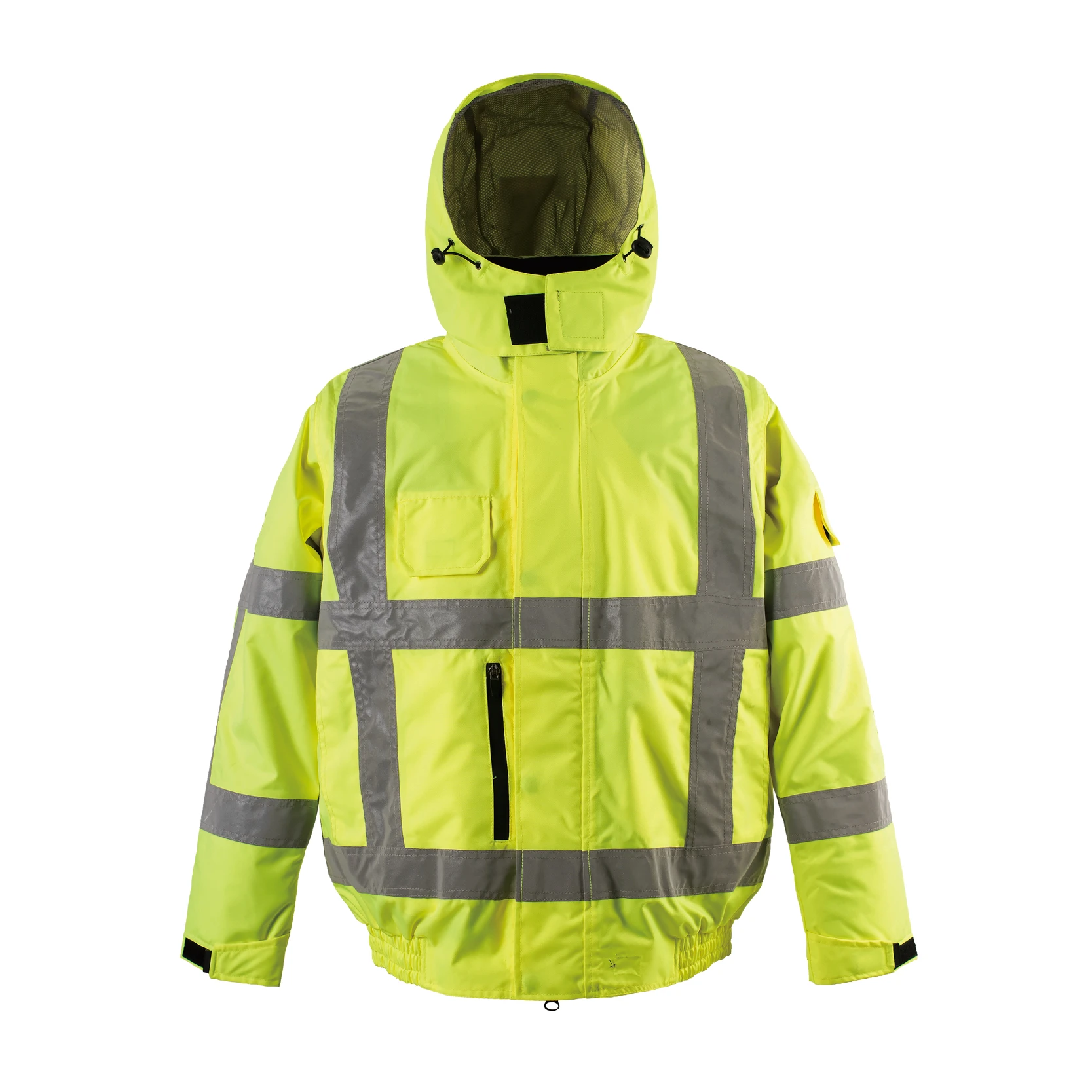
Simply put, high visibility clothing consists of garments designed in bright fluorescent colors, like neon yellow, orange, or lime green, paired with reflective strips or tapes that bounce light back to its source, making the wearer visible in low-light or complex environments. Think of it as a wearable safety beacon.
These clothes tie into modern industry demands for enhanced worker protection, especially in construction, logistics, emergency response, and public safety. But beyond industries, humanitarian organizations rely on such gear during disaster relief, where chaotic environments call for quick identification and protection of responders.
Mini takeaway: High visibility clothing uses bright colors and reflective materials to help humans be seen—and safe—in vulnerable settings.
Key Components of Effective High Visibility Clothing
1. Fluorescent Materials
These pigments absorb UV rays during the day and emit visible light, making the garment “glow” in natural daylight. This fluorescence is vital for daylight visibility.
2. Reflective Tape
Reflective strips bounce back light from headlights, flashlights, or street lamps, vital in dawn, dusk, or night conditions. Material quality here varies — some tapes last years, while cheaper ones degrade after washes.
3. Durability & Weather Resistance
Looking sharp on day one isn't enough. Workers need garments that survive rain, abrasion, and multiple washes without fading or tearing.
4. Comfort and Fit
Oddly enough, many workers won’t wear high visibility clothing if it feels restrictive or too hot. Breathable fabrics and ergonomic designs make a huge difference.
5. Compliance with Standards
Clothing must meet standards such as ANSI/ISEA 107 in the US or EN ISO 20471 in Europe to assure minimum performance, ensuring the garments truly protect.
Mini takeaway: It’s a blend of fluorescent color, reflectiveness, durability, comfort, and certification that makes high visibility clothing work.
How High Visibility Clothing Comes to Life Around the World
This gear is as global as it gets. For example, in Canada’s vast mining sector, fluorescent orange coveralls combined with reflective strips keep workers visible during long shifts underground or under weak light conditions. Similarly, in Europe, highway maintenance crews rely on compliant jackets meeting EN ISO 20471 for daytime and nighttime safety.
In humanitarian contexts, high visibility clothing is crucial for disaster response teams in Sri Lanka where floods obscure vision, or for UN peacekeepers patrolling conflict zones where quick identification means rapid assistance and protection.
Even urban cyclists in congested Asian megacities have taken to wearing neon safety vests. The adaptability across different climates, cultures, and needs confirms its universal value.
| Specification | Details |
|---|---|
| Common Colors | Fluorescent Orange, Lime Yellow, Bright Red |
| Reflective Tape Width | 50mm standard, increased for enhanced visibility |
| Material | Polyester blends with mesh options for breathability |
| Certification | ANSI/ISEA 107, EN ISO 20471 |
| Typical Lifespan | 12 to 24 months depending on usage |
Why Businesses and Organizations Keep Choosing High Visibility Clothing
It’s not just about ticking safety checkboxes. The real advantages are multi-layered. Cost-wise, investing in proper high visibility gear reduces workplace accidents—which saves on insurance claims, lawsuits, and lost labor hours. Socially, it shows an organization values its people’s dignity and well-being. Psychologically, staff wearing such gear often report feeling safer and more confident.
There's also an environmental angle emerging. Durable clothing reduces waste compared to disposable alternatives, and many manufacturers now use recycled polyester or eco-friendly dyes.
Mini takeaway: High visibility clothing pays back with safety, savings, sustainability, and a boost in worker morale.
Future Trends: What’s Next for High Visibility Clothing?
Technology is moving fast. Smart fabrics with embedded LEDs are becoming more common, promising customizable visibility in all lighting conditions. Some garments now integrate GPS or sensors to alert supervisors if a worker falls or enters a hazardous zone.
Sustainability is a big part of the future—biodegradable fibers and safer chemical treatments are on the rise to combat pollution linked with textile production.
Regulations, too, continue evolving. Countries push for stricter compliance, combining safety with innovation. Automation in manufacturing means better consistency and potential for cost reductions.
Facing Challenges with High Visibility Clothing and What Works
Despite its usefulness, not every high visibility garment meets users’ expectations. Issues include fading colors after multiple washes, uncomfortable materials that cause heat stress, or poor fit restricting movement. Some garments simply don’t fit the cultural norms, leading workers to avoid wearing them consistently.
Experts recommend rigorous quality testing pre-purchase and continuous training to highlight why correct usage matters. Manufacturers are addressing these hurdles by blending tech fabrics and ergonomic designs. It’s a slow but steady fix.
FAQ: Your Top Questions About High Visibility Clothing
- Q: How often should high visibility clothing be replaced?
- A: Generally, high visibility clothing should be replaced every 12-24 months, or sooner if you notice fading, tears, or loss of reflectiveness. Regular inspections help maintain safety standards.
- Q: Can high visibility clothing be customized for different industries?
- A: Absolutely. Custom colors, logos, extra features like flame resistance, and specific compliance certifications can be added to meet industry-specific needs.
- Q: Is it safe to wear high visibility clothing in all weather conditions?
- A: Most are designed for versatile use, but choosing breathable fabrics for hot climates or insulated versions for cold conditions ensures comfort and safety.
- Q: How do reflective tapes differ in quality?
- A: Premium tapes will maintain reflectivity longer after washes and resist damage from chemicals or UV rays better than cheaper variants. Certification markings often indicate quality.
In Conclusion: Why High Visibility Clothing is Here to Stay
Clearly, high visibility clothing isn’t just a uniform or a safety step—it’s a global standard safeguarding millions in their daily work and emergencies. Its evolving technology and design promise even greater protection ahead.
If you want to explore reliable, certified options or customize solutions that fit your industry’s needs, visit our website: https://www.jidegarment.com — your partner in staying seen, safe, and smart.
| Vendor | Product Range | Certification Compliances | Custom Options | Lead Time |
|---|---|---|---|---|
| Jide Garment | Vests, Jackets, Coveralls | ANSI/ISEA 107, EN ISO 20471 | Logo, fabric type, color, size | 2-4 weeks |
| SafeWear Ltd. | Jackets, Raincoats | EN ISO 20471 | Limited custom patches | 3 weeks |
| BrightSafe Corp. | Vests, Pants | ANSI/ISEA 107 | Full custom design available | 4-5 weeks |
References & Musings
- International Labour Organization - Occupational Safety and Health Trends
- World Health Organization - Road Safety Reports
- ISO Standards for High Visibility Clothing and Safety
Honestly, it’s fascinating to see how something as seemingly simple as coloured fabric and reflective tape can ripple into global health, safety, and even sustainability. If that’s not a wake-up call to stay bright, I don’t know what is.