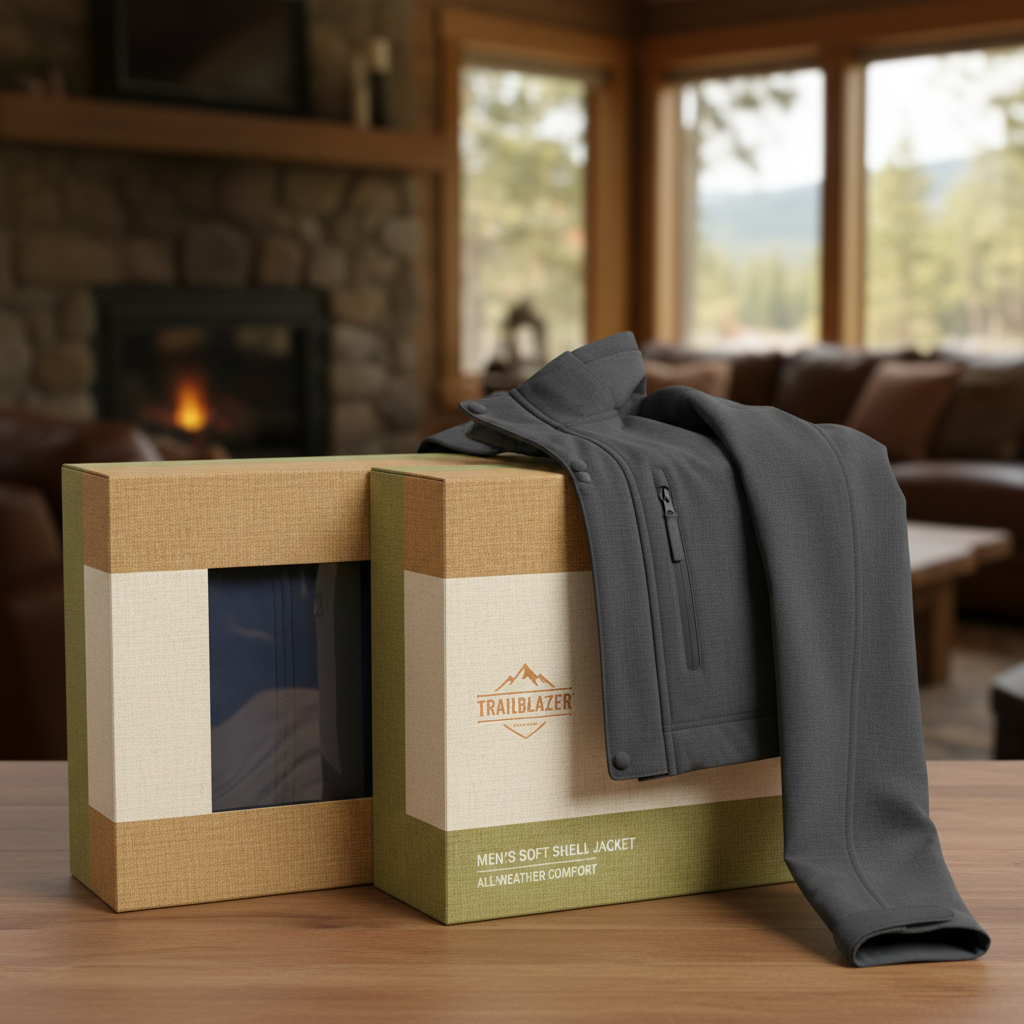
Half Zip Softshell Jacket: Versatile Outerwear for Modern Needs
Half zip softshell jackets have quietly become a wardrobe hero—not just for casual wear, but also in industries ranging from outdoor work to humanitarian relief. Understanding this versatile garment is surprisingly important because it blends comfort, protection, and style in a world where weather unpredictability and mobility matter more than ever.
Introduction: Why Half Zip Softshell Jackets Matter Globally
Oddly enough, outerwear like the half zip softshell jacket isn’t just a fashion statement; it reflects deeper global trends. According to the World Bank, climate change has led to more volatile weather patterns worldwide, pushing for adaptable clothing solutions. Meanwhile, industries like construction, emergency services, and humanitarian NGOs require apparel that is both breathable and protective.
The half zip softshell jacket addresses this challenge by offering a lightweight yet durable layer that can handle wind, slight rain, and varying temperatures. In fact, ISO regulations on protective clothing emphasize comfort as a cornerstone for user compliance—which means people are more likely to wear gear that feels good.
What Is a Half Zip Softshell Jacket?
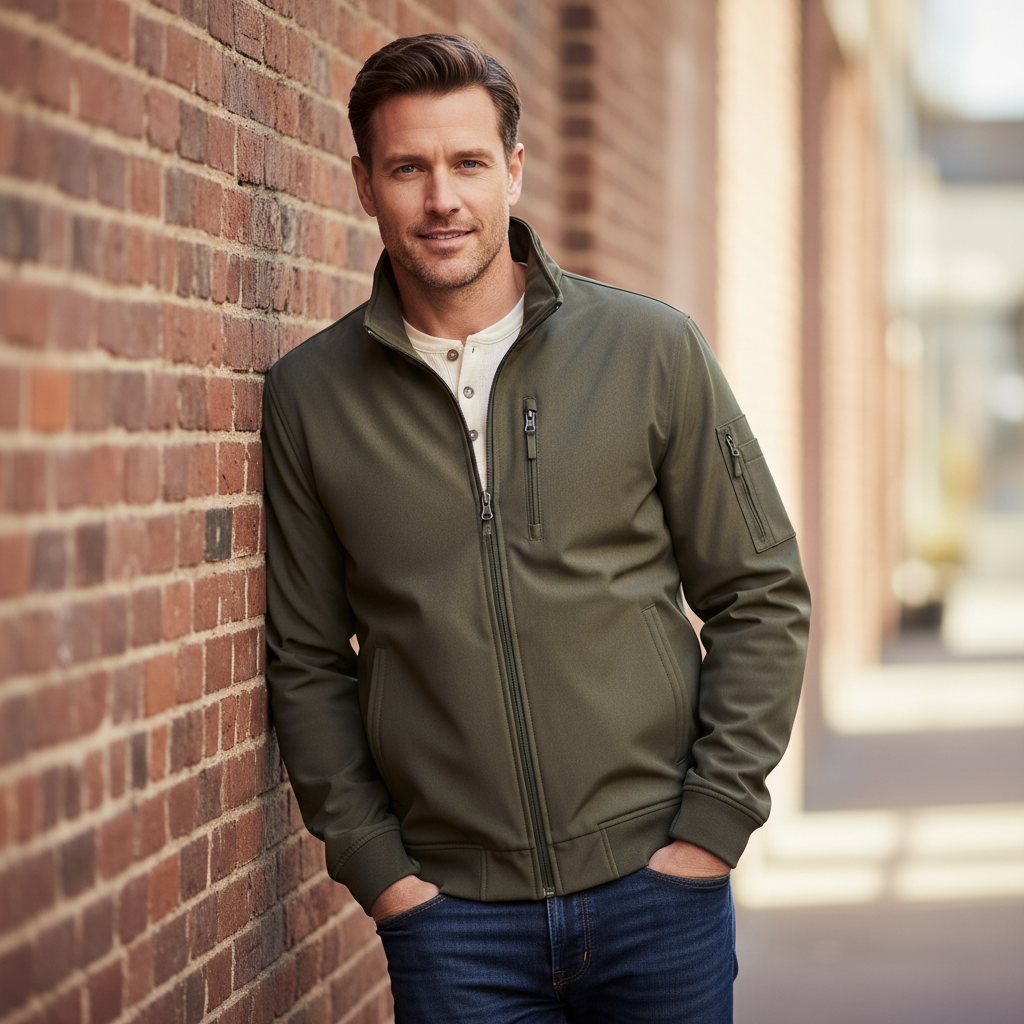
Simply put, a half zip softshell jacket is a lightweight shell garment featuring a zipper that runs halfway down the front, allowing for easy ventilation and quick on/off. The "softshell" term refers to the fabric technology—breathable, water-resistant, and flexible. It's not bulky like a hardshell but still protects better than a hoodie or fleece alone.
This kind of jacket is particularly relevant to modern industries and humanitarian efforts where mobility and quick adaptation to weather conditions are paramount. For instance, field workers in disaster zones rely on it for comfort without sacrificing protection.
Key Components of a Half Zip Softshell Jacket
1. Durability
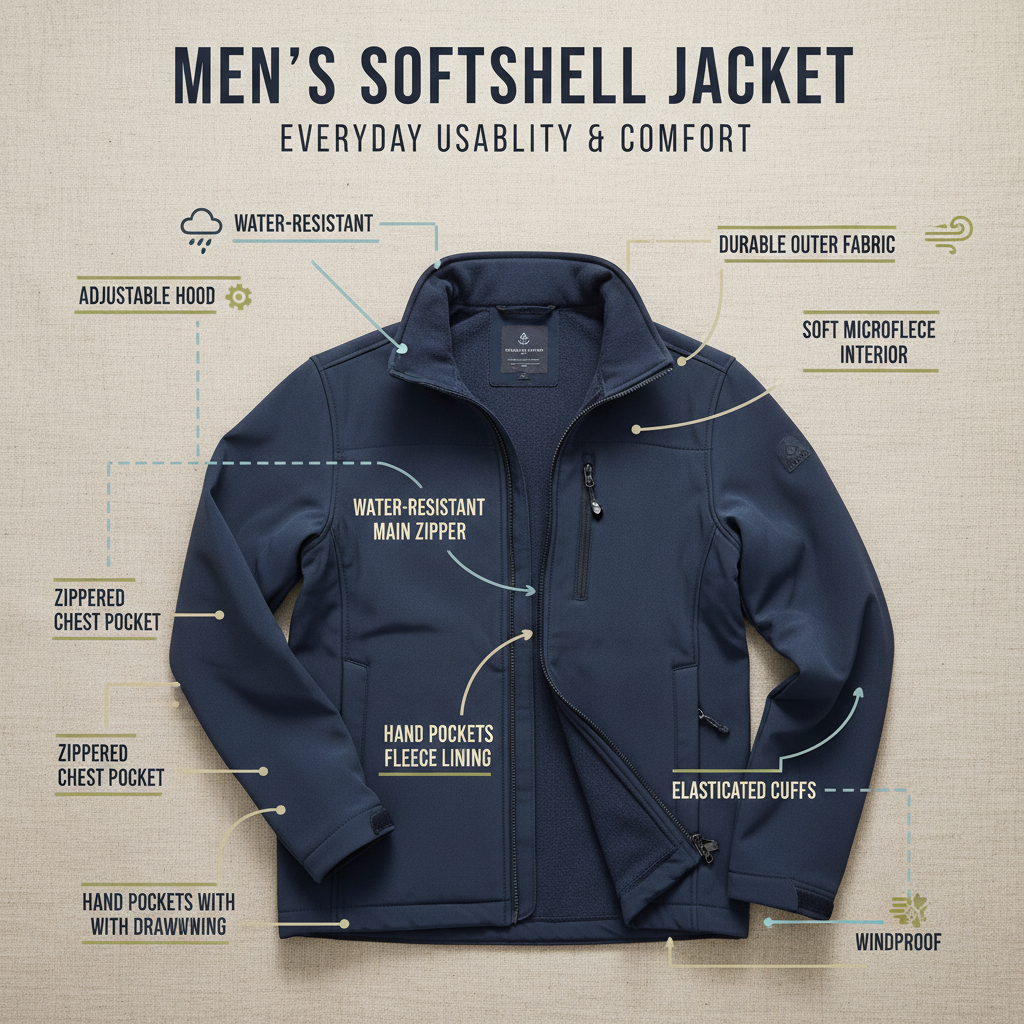
Softshell fabrics are typically engineered with woven polyester or nylon blends that resist tears and abrasions. Many jackets include reinforced stitching to withstand rough usage, making them favorites in physically demanding industries.
2. Breathability
One crucial aspect is moisture-wicking – the fabric lets sweat escape while blocking wind. This reduces the risk of overheating during active work and prevents clamminess, something many engineers appreciate on the field.
3. Water Resistance
While not fully waterproof, these jackets often come with durable water-repellent (DWR) coatings. That means light rain or snow beads right off, offering practical all-weather wearability without the bulk.
4. Style & Practicality
The half zip offers quick temperature regulation and easy layering. Users can slip it on over a base layer or under a heavier coat depending on the scenario.
5. Customizability
Many vendors offer custom branding and tailored fits, which matters a lot for corporate or NGO uniforms requiring a polished look without giving up function.
Typical Product Specifications
| Feature | Description / Typical Values |
|---|---|
| Material | Polyester/Nylon blend with elastane |
| Water Resistance | DWR coating, 5,000mm water column rating |
| Breathability | 5,000 g/m²/24h moisture vapor transmission rate |
| Weight | 300 grams (approx. for medium size) |
| Zipper Type | Durable YKK half zip with garage |
| Available Sizes | XS to XXL |
Global Applications & Use Cases
The half zip softshell jacket is everywhere—charting work sites in Scandinavia, trekking trails in Nepal, and relief camps in sub-Saharan Africa. For example, in post-disaster relief operations, aid workers need clothing that keeps them warm during chilly nights but breathable enough in the daytime under the equatorial sun.
Similarly, in remote industrial zones like oil rigs or mining sites, this jacket balances protection and flexibility, crucial for workers who must stay comfortable to maintain focus and safety. Even everyday urban commuters opting for sustainable and multi-functional clothing find these jackets invaluable.
Vendor Comparison: A Quick Look at Leading Brands
| Brand | Price Range | Water Resistance | Customization |
|---|---|---|---|
| AlphaGear | $80-$120 | 5,000mm DWR | Logos and color options |
| TerraCloth | $100-$150 | 7,000mm DWR | Custom embroidery |
| EcoWear | $90-$130 | 5,000mm DWR, Recycled fabric | Full branding kits |
Advantages & Long-Term Value
So why do so many outfits land on this jacket? Cost efficiency pairs nicely with performance. It’s durable enough to last multiple seasons, cutting down on replacement expenses. Sustainability is another angle — many brands now use recycled fabrics aligning with global ISO 14001 standards for environmental management.
Beyond stats, there’s the emotional element—users say these jackets evoke a feeling of preparedness and security, a subtle but important kind of trust. Whether on a windy trail or helping vulnerable communities, this garment supports dignity and innovation.
Future Trends & Innovations
Looking ahead, one fascinating trend is smart textiles integrated with breathable membranes that can adjust to temperature fluctuations automatically. Green energy-powered factories and circular production lines are also turning the spotlight on eco-friendly materials.
Digital customization platforms simplify ordering specialized gear, speeding up delivery to NGOs or enterprises who rely on swift outfitting—versus the traditional long waits.
Challenges & Solutions
Yet, some challenges persist. For instance, softshell jackets struggle in heavy downpours and extreme cold without layering. There’s also the matter of supply chain transparency, which remains a concern in ensuring fair labor practices.
Innovative solutions include hybrid jacket designs combining softshell with waterproof panels, plus blockchain-enabled sourcing that guarantees ethical production.
FAQ: Frequently Asked Questions About Half Zip Softshell Jackets
- Q: How water-resistant is a half zip softshell jacket?
A: These jackets usually have a durable water-repellent (DWR) finish that serves well in light rain or snow, but they aren’t fully waterproof. For heavy rain, you’ll want a dedicated hardshell layer. - Q: Can half zip softshell jackets be used in formal or corporate settings?
A: Absolutely. Many manufacturers offer customization with subtle branding and tailored fits to make them suitable for business casual or uniform use. - Q: How do I choose the right size for a half zip softshell jacket?
A: Most brands provide sizing charts that align with chest, waist, and sleeve measurements. If you’re layering underneath, consider ordering a size up. - Q: Are these jackets eco-friendly?
A: Increasingly so. Check for recycled material content and certifications like ISO 14001 to ensure sustainable practices.
Conclusion
In real terms, the half zip softshell jacket offers a remarkable blend of adaptability, comfort, and durability for a world that demands both performance and eco-consciousness. Whether you’re working in demanding outdoor environments or seeking reliable everyday wear, this jacket ticks many boxes—and that’s why it continues gaining global traction.
If you’re interested in exploring quality options, don’t hesitate to visit half zip softshell jacket retailers online for a closer look.
Mini takeaway: A half zip softshell jacket merges practical design with global sustainability trends, making it a go-to piece for professionals and enthusiasts alike.