
High Visibility Winter Coat: Safety Meets Warmth in a Global Context
When you think of winter coats, most imagine a shield against cold winds and snow. But a high visibility winter coat goes a step further — blending essential warmth with crucial safety features that the world increasingly depends upon. From construction sites in icy climates to humanitarian missions in harsh environments, these coats aren’t just about comfort. They’re lifesavers, invisibly loud in color but strikingly subtle in importance.
As harsh weather conditions become more unpredictable and outdoor work expands globally, understanding the role and advantages of a high visibility winter coat isn’t just a niche interest — it’s a vital part of protecting workers and responders worldwide. Let’s dig into why these garments matter so much, what makes them tick, and how they’re shaping industries and communities alike.
Setting the Stage: Why High Visibility Winter Coats Matter Globally
According to the International Labour Organization (ILO), over two million workers die annually due to occupational accidents or diseases, many involving poor visibility exacerbated by weather conditions. In cold regions, accidents increase during winter months when daylight shrinks and visibility worsens dramatically (source).
Likewise, the World Health Organization notes that winter storms contribute to thousands of injuries each year, from slips on icy roads to vehicle collisions on foggy nights. That’s where the high visibility winter coat steps in. Combining fluorescent materials and thermal insulation, it ensures people remain seen and safe.
Oddly enough, despite advancements in gear technology, many regions still rely on generic coats without added safety features. The challenge is integrating visibility without sacrificing warmth or comfort — a problem that innovators in PPE (personal protective equipment) gear are actively solving.
Defining the High Visibility Winter Coat
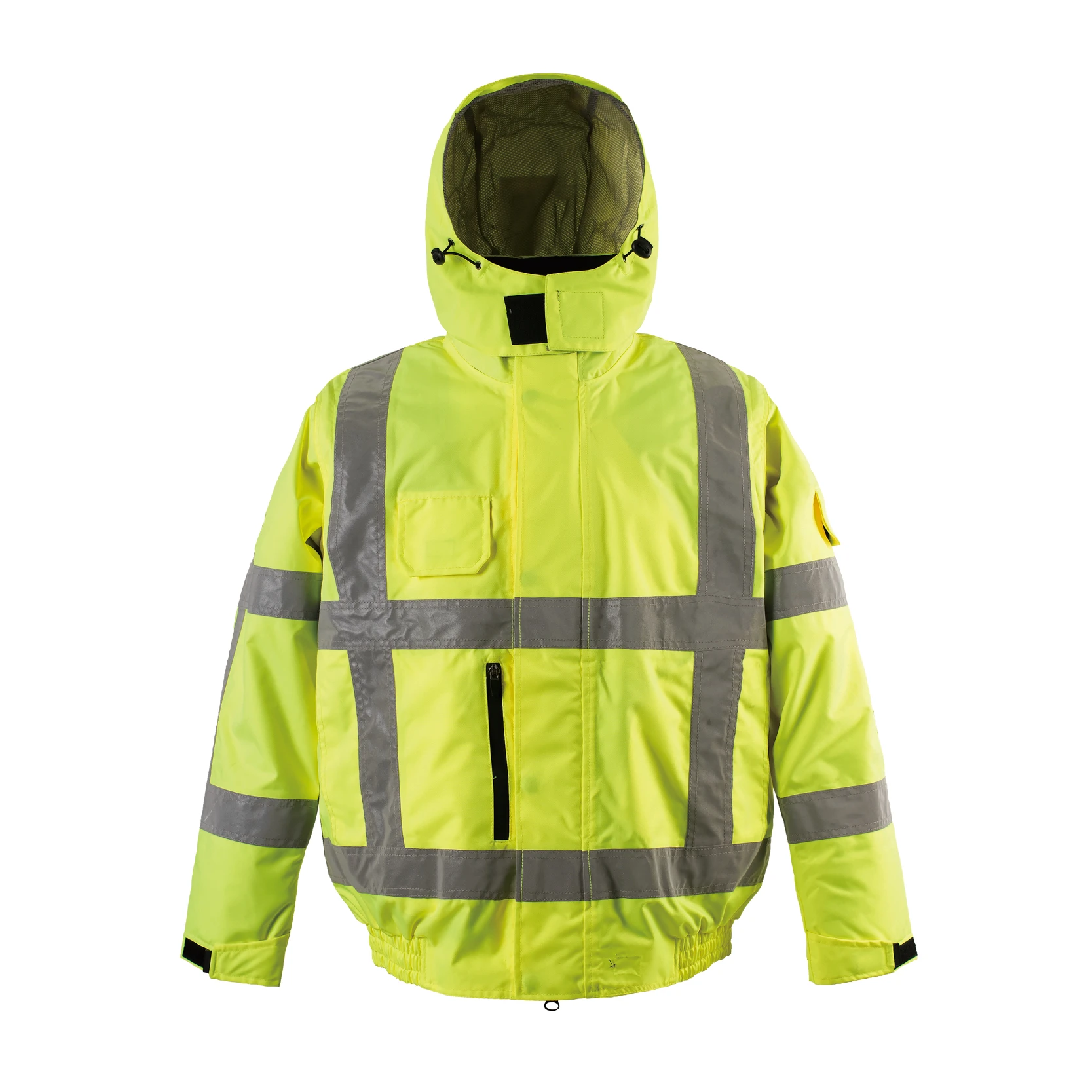
So, what exactly is a high visibility winter coat? Simply put, it’s a specialized outerwear designed to keep the wearer warm in cold climates while featuring bright reflective panels or fluorescent colors (like neon orange, lime green, or yellow). These coats ensure workers or pedestrians can be spotted easily day or night.
The coats usually conform to international safety standards such as the ISO 20471, which defines the requirements for high visibility clothing worn in potentially hazardous situations.
In industry, these coats protect outdoor workers — think road crews, warehouse staff loading in cold docks, or utility workers braving winter outages. In humanitarian efforts, NGOs equip their teams deployed to disaster zones with these coats to ensure safety in chaotic conditions.
Core Components That Make These Coats Tick
Durability & Weather Resistance
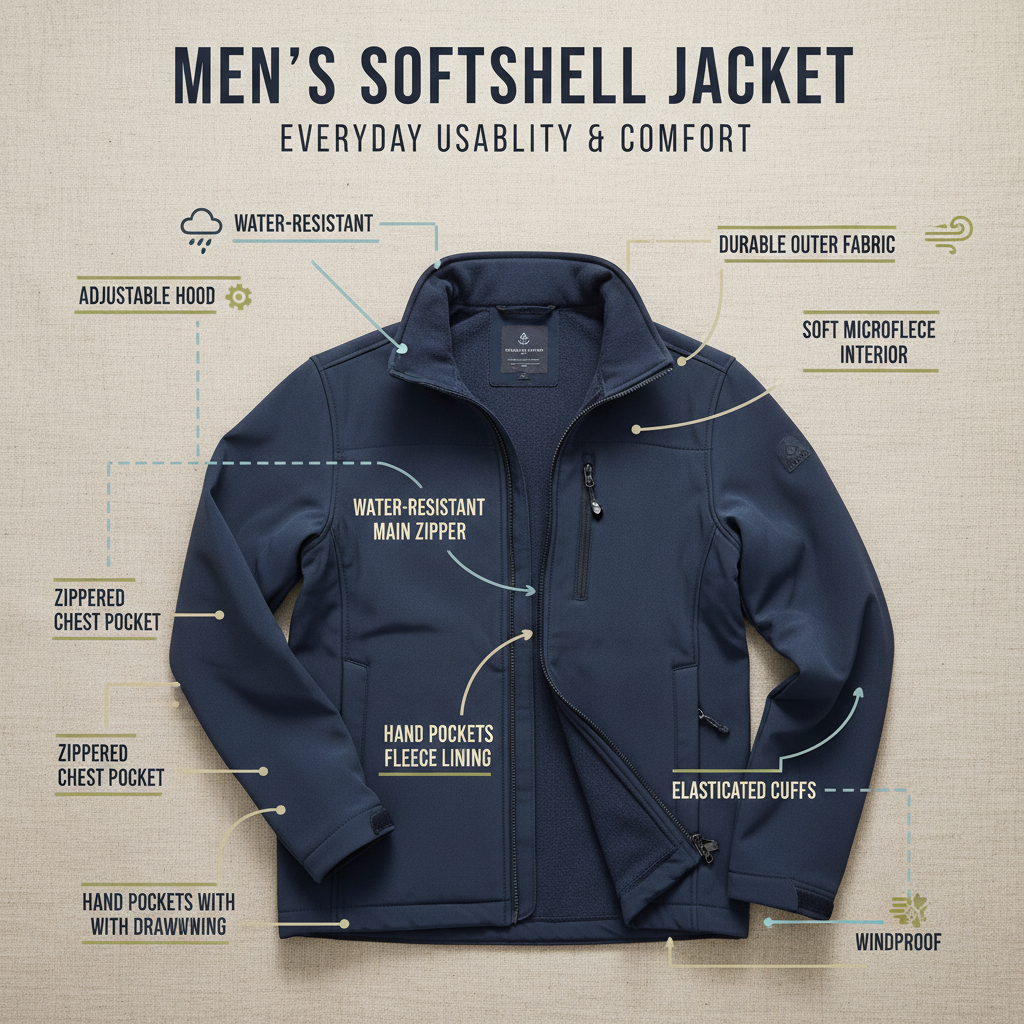
These coats are built to withstand sharp gusts, snow, and ice — often crafted from water-repellent synthetics or treated fabrics to repel moisture yet remain breathable.
Visibility Materials
The star of the show are fluorescent backgrounds combined with retroreflective tape strips. In daylight, fluorescent colors “pop.” At night, when hit by headlights, the reflective tapes bounce light back, alerting approaching drivers or machinery operators.
Thermal Insulation
Linings vary from synthetic insulation (like Thinsulate™) to down feathers, balancing warmth with weight and bulk to keep mobility intact.
Ergonomics & Comfort
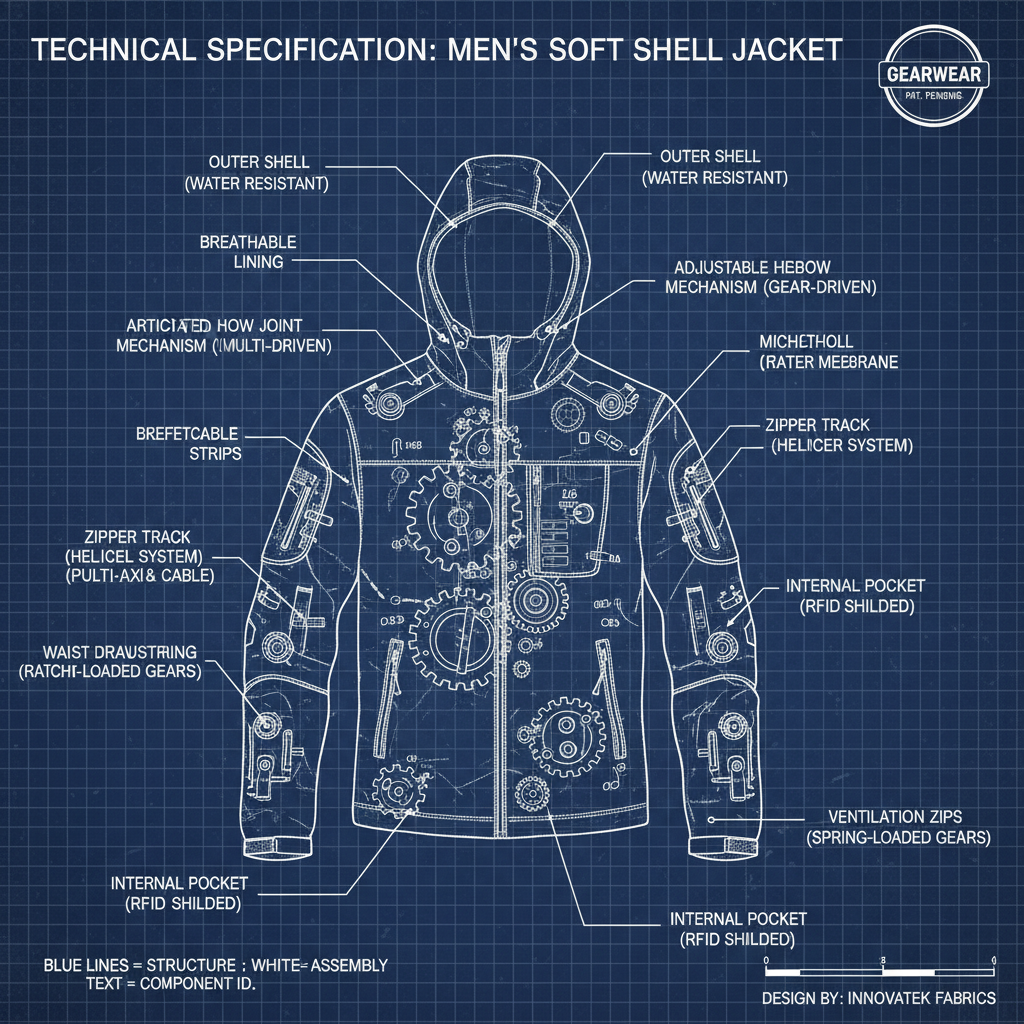
Funny thing about winter coats — if they restrict movement, people often stop wearing them properly, which defeats the purpose! Adjustable hems, articulated sleeves, and layered designs improve usability.
Compliance & Certification
Many countries have regulatory requirements for high visibility PPE when working near traffic or heavy equipment. Certified coats reassure buyers and users alike.
Real-World Applications Around the Globe
Across North America and Europe, highway maintenance crews rely on these coats during snow plowing operations. In Siberia and northern Asia, oilfield workers on frozen terrains equip heavy-duty high visibility winter coats that can endure brutal temperature drops.
Meanwhile, global humanitarian groups like the Red Cross equip relief teams operating in post-disaster zones with insulated visibility gear. Particularly during cold-weather emergencies, quick identification and protection are lifesaving.
Construction sites in Australian winter months and mining operations in South America also benefit from these garments, adapting colors or designs to local safety regulations.
I remember chatting with a field safety manager who noted that switching his team to high visibility winter coats reduced site accidents during the dark winter mornings — “it’s like they added a sixth sense, seeing and being seen.”
Mini takeaway:
- High visibility winter coats serve a critical global safety need.
- They merge warmth, comfort, and compliance with visibility standards.
- Applications range widely — from industrial zones to humanitarian efforts.
Advantages and Long-Term Value of High Visibility Winter Coats
Beyond immediate safety, these coats bring cost savings from reduced injury rates and downtime. They help companies comply with legal mandates, avoiding fines. Socially, they boost worker confidence and morale — no one wants to feel invisible out there.
Environmentally, many manufacturers have begun using recycled fabrics, making winter safety gear a bit greener. On the emotional side, families gain peace of mind knowing loved ones have enhanced protection from cold and hazards alike.
Here’s a quick Product Specification overview:
| Feature | Details |
|---|---|
| Material | Polyester, water-repellent coating |
| Insulation | Thinsulate™ 160g |
| Visibility | Class 3 reflective tape, fluorescent lime base color |
| Size range | S–5XL |
| Certifications | ISO 20471 compliant, EN 342 for cold protection |
| Additional Features | Adjustable hood, wind cuffs, 3 external pockets |
Popular Vendors: How They Stack Up
| Brand | Price Range | Key Features | Warranty |
|---|---|---|---|
| SafeWear Pro | $120–$150 | Heavy insulation, certified visibility, water-repellent | |
| VisibilityMax | $100–$130 | Lightweight, bright retroreflective bands, adjustable fit | 1 Year |
| WinterGuard Elite | $140–$180 | Advanced insulation, multi-pocket design, certified | 2 Years |
Looking Forward: Trends Shaping the Future of High Visibility Winter Coats
There’s a fascinating wave of innovation underway. Lightweight, sustainable insulating materials like aerogels or recycled PET fibers are becoming common, reducing bulk and environmental impact. Digital enhancements are creeping in too — imagine coats with embedded sensors alerting supervisors to location or body temperature changes during hazardous work.
Meanwhile, regulation updates push for better certifications and standardization globally, helping multinational companies standardize worker safety effortlessly.
Common Challenges and How Industry Experts Are Overcoming Them
You might think: if these coats are so great, why don’t we see everyone wearing them? Well, cost concerns, limited sizing options, and discomfort in extremely low temperatures still pose hurdles. But manufacturers are actively investing in user feedback loops to refine fit, enhance breathability, and reduce price through scalable production.
NGOs working with limited budgets often partner directly with vendors for bulk discounts or seek grants to supply these vital items. It's a gradual evolution—but one with clear global safety dividends.
FAQ: Your Questions About High Visibility Winter Coats
1. How do I know what certification to look for when buying a high visibility winter coat?
Always check for ISO 20471 certification for high visibility, which ensures the garment meets minimum reflective standards. For cold protection, EN 342 is important. These credentials indicate rigorous testing and compliance, which translates to real-world safety.
2. Can these coats be customized with company logos or additional features?
Absolutely. Many vendors offer customization options such as embroidered logos, specific color schemes, or additional pockets. Just check that custom modifications don't interfere with compliance aspects.
3. What maintenance is required to keep the high visibility features effective?
Regular washing with mild detergents helps preserve reflective tapes. Avoid fabric softeners or bleaching agents, which degrade performance. Also, inspect coatings and tapes frequently for wear and replace coats every few seasons as needed.
4. Are high visibility winter coats suitable for extreme Arctic conditions?
Some models are designed specifically for extreme cold, featuring heavy-duty insulation and windproof layers. It’s important to choose coats rated for the expected temperature range and layering strategies appropriate for your conditions.
5. Where can I find reliable suppliers of high visibility winter coats?
Look for industry-trusted providers who offer certified products with clear documentation. Visiting trusted platforms or official vendor sites — like high visibility winter coat suppliers — can simplify the selection process.
Wrapping It Up: Safety and Warmth in One Package
In the grand scheme — and frankly, when it comes down to real people out there enduring cold, low visibility, and dangerous conditions — the high visibility winter coat is a quiet hero. It’s the blend of tech, fabric, and purpose that protects lives while offering comfort.
So if you or your organization is facing winter challenges outdoors, investing in these coats is not just smart but essential. Don’t hesitate to equip your team properly — their safety depends on it.
For a deep dive into reliable products and options, visit high visibility winter coat suppliers online today.