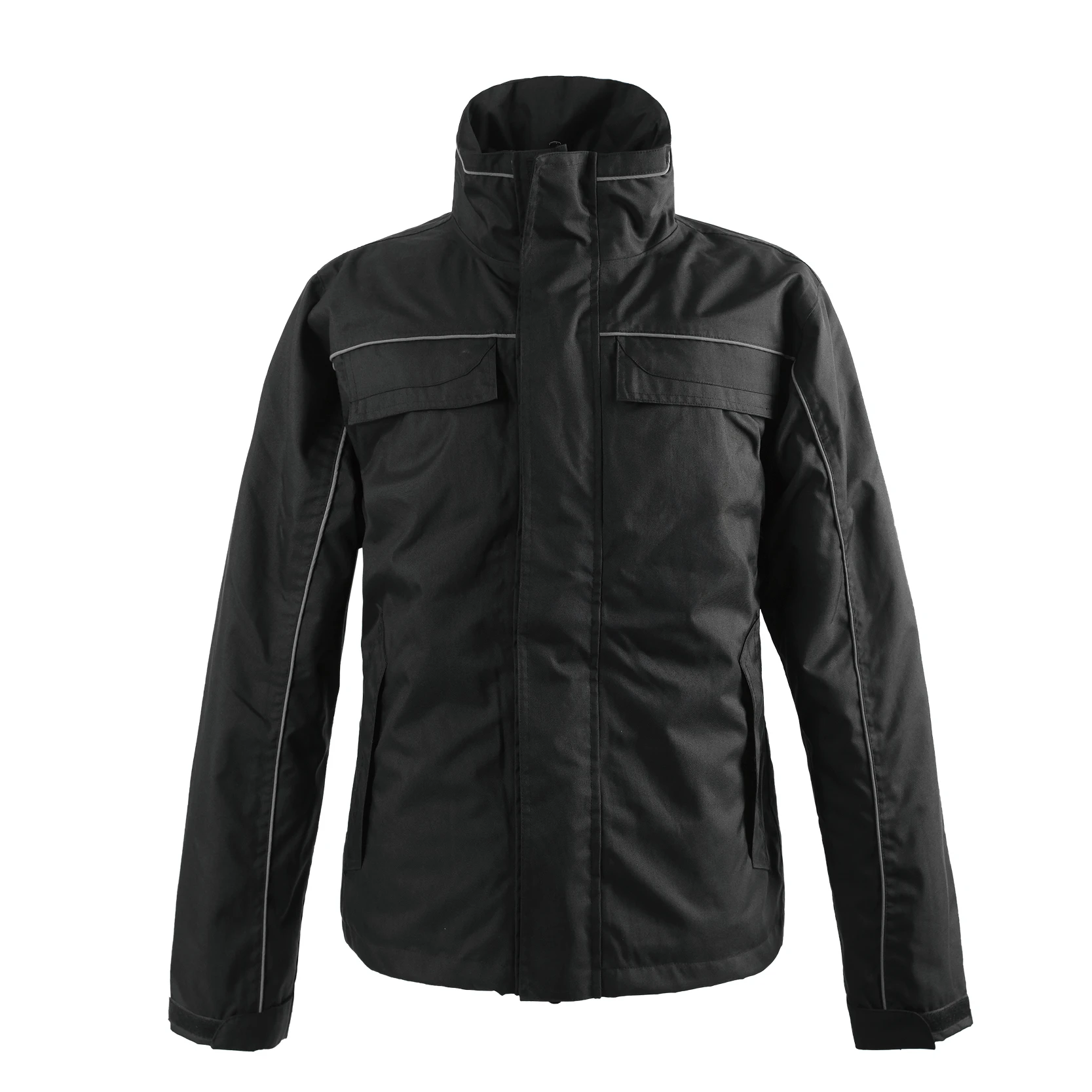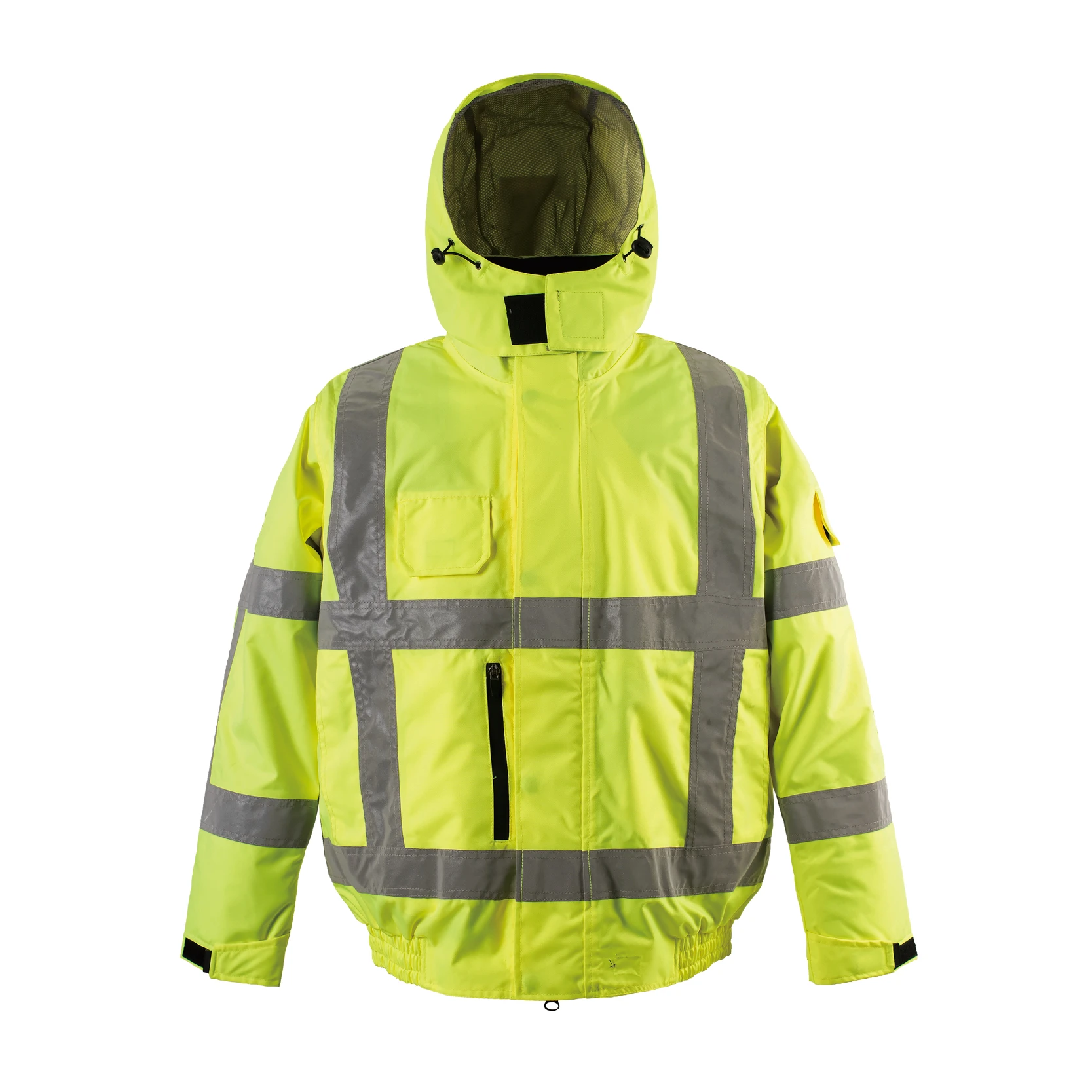

Workwear refers to clothing specifically designed to meet the demands of various working environments, especially in industrial, manual labor, and trade professions. Its primary purpose is to provide durability, protection, and comfort to the wearer while maintaining practicality for daily use. Traditional workwear includes garments such as overalls, utility trousers, heavy-duty jackets, high-visibility vests, and steel-toe boots. These items are often made from tough materials like canvas, denim, or polyester blends to endure harsh conditions and frequent wear.
Safety is a key component of workwear design. In many industries, regulations require workers to wear flame-resistant fabrics, waterproof gear, or protective clothing that reduces the risk of injury. Features like reinforced knees, tool pockets, and reflective strips are common in workwear to enhance both safety and efficiency.
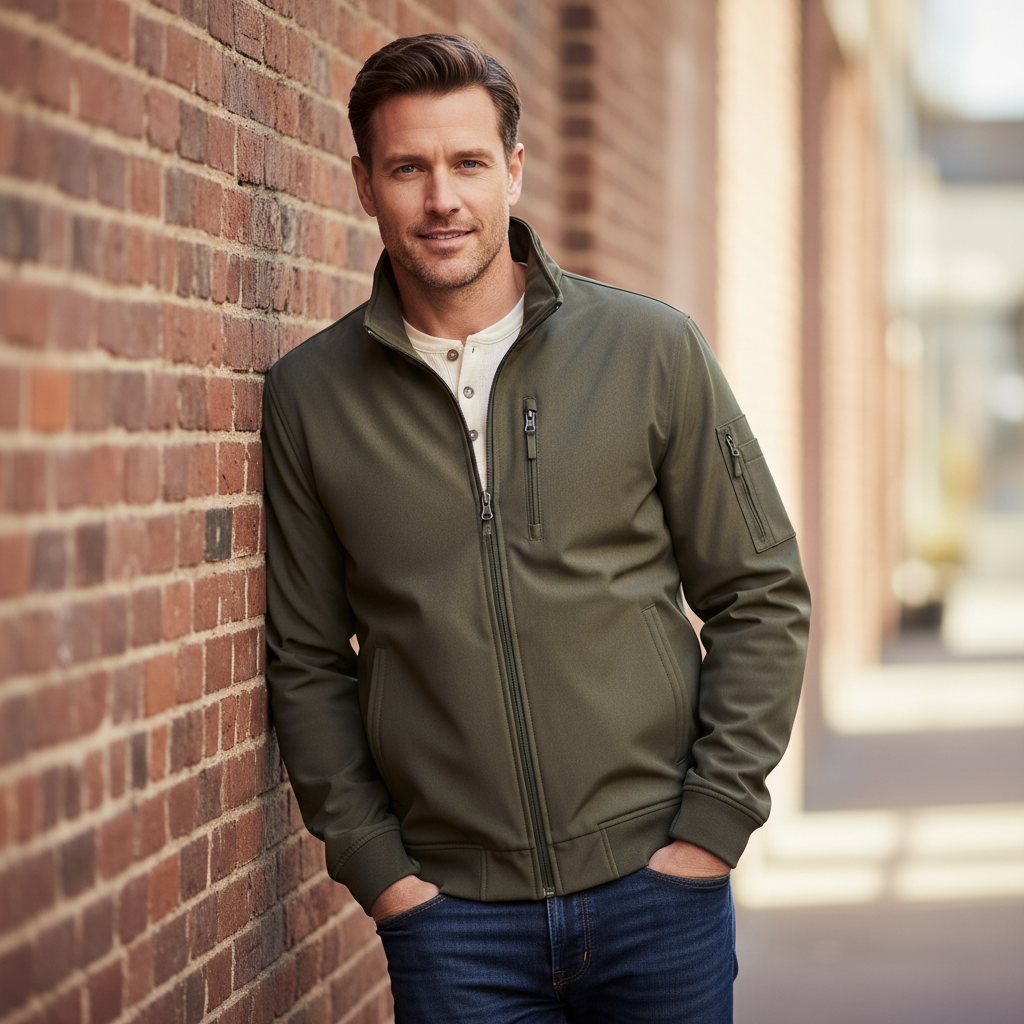
In recent years, workwear has evolved beyond its industrial roots and entered mainstream fashion. The clean lines, rugged textures, and utilitarian appeal of workwear-inspired clothing have become popular in streetwear and casual fashion. Brands now produce workwear that balances functionality with modern aesthetics, making it suitable for both job sites and everyday life.
Whether on the factory floor, in the outdoors, or on the runway, workwear remains a symbol of resilience, practicality, and style. It represents not just a type of clothing, but a culture rooted in hard work, craftsmanship, and reliability. As technology and design continue to advance, workwear will likely become even more adaptive—combining innovative fabrics with ergonomic design to meet the diverse needs of modern workers and consumers alike.