
Why High Visibility Colors Matter in Today’s World
You might not have thought too much about the colors used in safety gear, road signs, or disaster kits — but high visibility colors truly have a global importance that’s hard to overstate. From busy construction sites in bustling cities to remote humanitarian relief zones, these vivid hues play a critical role in saving lives and enhancing operational efficiency. Around the world, millions of workers and civilians depend on high visibility colors to prevent accidents and ensure clear communication where it counts most. In practical terms, understanding and implementing high visibility colors effectively improves safety standards, boosts compliance with international regulations, and supports sustainable industrial and humanitarian projects. It’s a seemingly simple concept carrying profound impact — especially when seconds and centimeters matter. ---Setting the Stage: The Global Reach of High Visibility Colors
Safety statistics back this up. According to the International Labour Organization (ILO), about 2.3 million people die annually from workplace accidents and diseases worldwide, many of which could be mitigated by better visual safety measures.1 High visibility colors form a first line of defense — helping drivers see workers, enabling responders to spot team members, and ensuring equipment stands out in cluttered environments. This need is growing too. Urbanization, climate change, and increasing industrial activity bring more complex, often crowded conditions. The United Nations’ data on workplace safety calls out clearer visual communication as crucial for reducing accidents.2 But here’s a problem: not all “high visibility” solutions are created equal. Variability in color standards, durability, and reflectivity can mean the difference between protection and peril. ---What Exactly Are High Visibility Colors?
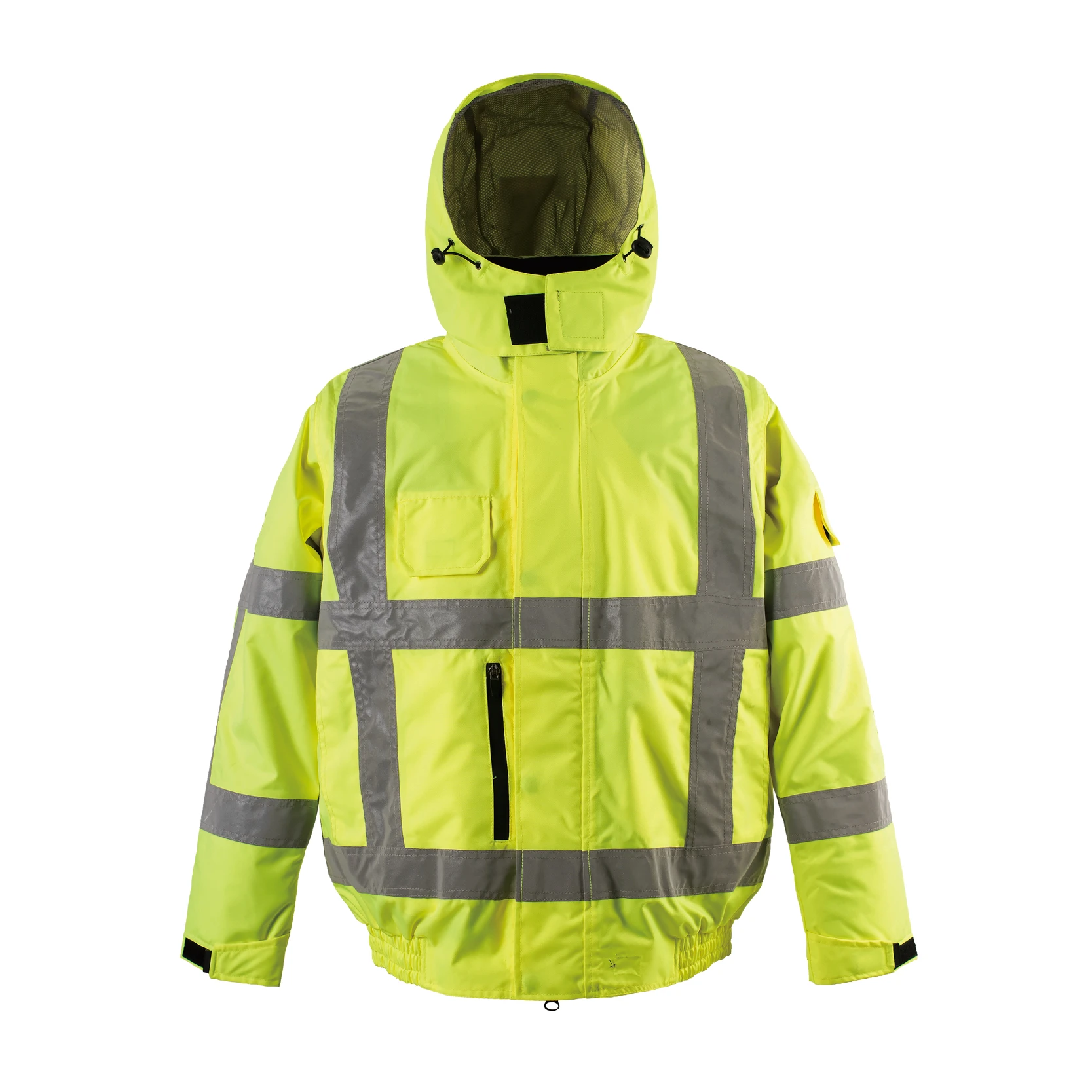
Simply put: high visibility colors are bright, highly noticeable hues used to enhance visibility in low light or complex settings. The most common ones you’ll see are neon yellow, orange, and red — shades selected because our eyes pick them out quickly, even in bad weather, fog, or low light. These colors aren’t just slathered on randomly; they’re part of standards set by organizations like ISO and ANSI which specify exact shades, reflectivity, and garment design to maximize safety.3 In modern industry, these colors help workers stay safe; in humanitarian contexts, they help teams coordinate seamlessly in chaotic disaster zones. They are subtle tools that speak loudly through color. ---1. Visibility Amid Movement and Distance
A color is only useful if it can be detected clearly at safe distances. Neon yellow, for example, remains visible up to 1,000 feet under daylight conditions, making it excellent for roadway applications. ---2. Reflectivity & Light-Enhancing Properties
It's not just the pigment; many high visibility materials incorporate retroreflective strips that bounce headlights or flashlights back at the source. This significantly improves night time visibility — giving workers and drivers that extra margin of safety. ---3. Durability Under Harsh Conditions
Industry gear is exposed to dirt, rain, UV rays, and more. The colors and materials must retain brightness and integrity over time. That means UV-resistant dyes and abrasion-resistant fabrics are key. ---4. Regulatory & Standard Compliance
Standards like ANSI/ISEA 107 in the US, EN ISO 20471 in Europe, or AS/NZS 4602 in Australia govern how and when specific colors and materials can be used for occupational safety. ---5. Comfort and Practicality in Design
High visibility is crucial, but so is wearer comfort. Breathable, lightweight fabrics in hi-vis gear mean workers will suit up rather than avoid it due to heat or discomfort. ---Mini takeaway: High visibility colors combine science and design, marrying bright pigments with smart material tech to make safety straightforward and reliable.
---Where High Visibility Colors Make a Difference
The applications span far beyond a simple construction vest, and each brings its own complexities.- Road and Traffic Management: Safety cones, signage, and reflective tape rely heavily on high visibility colors to guide drivers.
- Emergency and Disaster Relief: Rescue teams use bright clothing to identify one another quickly amidst wreckage or poor weather.
- Industrial Zones: Factories, warehouses, and ports benefit from color-coded uniforms and equipment markings to reduce accidents.
- Public Safety: Police, firefighters, and security personnel wear high visibility gear for increased awareness in crowds or dangerous environments.
- Outdoor Recreation: Cyclists, joggers, and hikers depend on these hues for personal safety.
The Tangible Benefits Beyond Color
Frankly, high visibility colors do more than stand out. They bring real financial and human wins:- Cost Savings: Preventable accidents drop, insurance premiums fall, and downtime shrinks.
- Sustainability: Long-lasting materials reduce waste and resource demand.
- Social Impact: Safer work environments build trust and dignity among employees.
- Reliability: Solid standards and testing provide confidence that gear will perform when needed.
Looking Ahead: Trends Shaping High Visibility Colors
Technology is nudging things forward. We see promising innovations like: - Smart textiles: Fabrics embedding LED fibers or sensors that adjust brightness dynamically. - Eco-friendly materials: Biodegradable dyes and recycled fabrics meet sustainability goals head-on. - Advanced coatings: Nanotech-based UV shields extend garment life in severe environments. - Regulatory Shifts: Increasingly strict workplace safety laws push wider adoption globally. - Digital Design Tools: AI-driven color modeling helps manufacturers optimize visibility for different conditions. So, it’s not just about picking neon colors anymore; the future might have us wearing glowing suits powered by solar energy while reducing environmental footprints. ---What Challenges Remain?
High visibility doesn’t come without hurdles: - Color Fading: Cheap dyes lose vibrance quickly under sun and dirt. - Comfort vs. Protection: Bulkier, more protective garments can discourage use. - Global Standard Variations: Different countries may require different color shades or certifications, complicating manufacturing. - Cost Barriers for SMEs and NGOs: Upfront expense on quality hi-vis gear is sometimes prohibitive. Experts recommend a balanced approach — choosing materials suited to specific environments, investing in proper maintenance, and harmonizing standards through international cooperation. ---Product Specification: Typical High Visibility Safety Vest
| Feature | Specification |
|---|---|
| Main Color | Neon Yellow or Orange (ISO 20471 compliant) |
| Reflective Tape | Silver retroreflective strips, 5cm wide |
| Material | Polyester mesh, breathable, UV resistant |
| Weight | Approximately 150 grams |
| Standards Compliance | ANSI/ISEA 107 Type R Class 2 or EN ISO 20471 Class 2 |
| Sizes | S-5XL, adjustable fit |
| Additional Features | Zipper front, identification badge holder, breathable mesh panels |
How Vendors Compare in Delivering High Visibility Solutions
| Vendor | Product Range | Certification | Customization Options | Global Shipping |
|---|---|---|---|---|
| BrightGear Inc. | Safety vests, jackets, cones | ANSI, EN ISO | Yes - logo & size | Worldwide |
| Safelight Solutions | Reflective tapes, helmets, harnesses | EN ISO 20471 | Limited - color only | Regional (EU, NA) |
| GlobalHiVis | Full workwear lines & accessories | ISO, ANSI, AS/NZS | Extensive - full custom | Worldwide |
FAQs About High Visibility Colors
1. Why are certain high visibility colors preferred over others?
Colors like neon yellow and orange are preferred because human eyes detect these hues quickly even in low light or clutter. They contrast strongly against most natural and urban backgrounds, improving safety visibility significantly.
2. Can high visibility colors help at night?
Yes, especially when combined with retroreflective materials. These reflect light sources like vehicle headlights back to the driver, enhancing visibility and reaction time during night or bad weather.
3. How long does high visibility clothing usually last?
With proper care, high visibility garments last 1-3 years depending on use, washing frequency, and exposure to harsh environmental factors. UV-resistant materials and dyes extend color life.
4. Are there international standards for these colors?
Absolutely. ISO, ANSI, and EN standards specify exact color shades, reflective properties, and design features to ensure consistent safety performance across countries and industries.
5. Where can I find quality high visibility products?
Many reputable suppliers exist — some specialize in regional needs, others offer global solutions. Visit our high visibility colors page to check trusted manufacturers and product lines tailored to your requirements.
---