
Why High Visibility Yellow Is More Than Just a Color
If you’ve ever driven down a road and noticed workers wearing bright, almost glowing yellow jackets, you already know high visibility yellow isn’t just for fashion. It’s a vital safety feature woven into the fabric of industries worldwide. Globally, the spotlight on safety and visibility has soared—UN data shows workplace accidents still cause millions of injuries every year, many preventable with better visibility tools (1). High visibility yellow garments and materials play a subtle but powerful role in reducing accidents by literally making people stand out when it matters most. Whether that’s road crews in the middle of a foggy night or emergency responders rushing to a disaster zone, the right fluorescent yellow gear can be life-saving. Understanding the ins and outs of high visibility yellow means you’re not just recognizing a color—you’re appreciating an entire system designed to protect, empower, and sometimes save lives.The Global Push for High Visibility: Why It Matters
Across continents and across industries, the demand for safe, recognizable, and reliable protective gear has never been higher. The International Organization for Standardization (ISO) and Occupational Safety and Health Administration (OSHA) have long championed strict guidelines encouraging high visibility garments, especially those in a fluorescent yellow spectrum, due to its superior visibility in daylight and low-light situations (2). It’s a problem worth noting: workplace injuries remain stubbornly high in sectors like construction, transportation, and public safety. In low-income regions, where regulations might be patchy, the introduction of high visibility yellow gear often correlates with notable reductions in accidental injuries and fatalities. For companies looking to meet global standards and protect their workforce, it’s not just a trend—it’s a necessity. Mini Takeaway: The recognition of high visibility yellow transcends fashion; it represents an international commitment to safety and human dignity.What Exactly Is High Visibility Yellow?
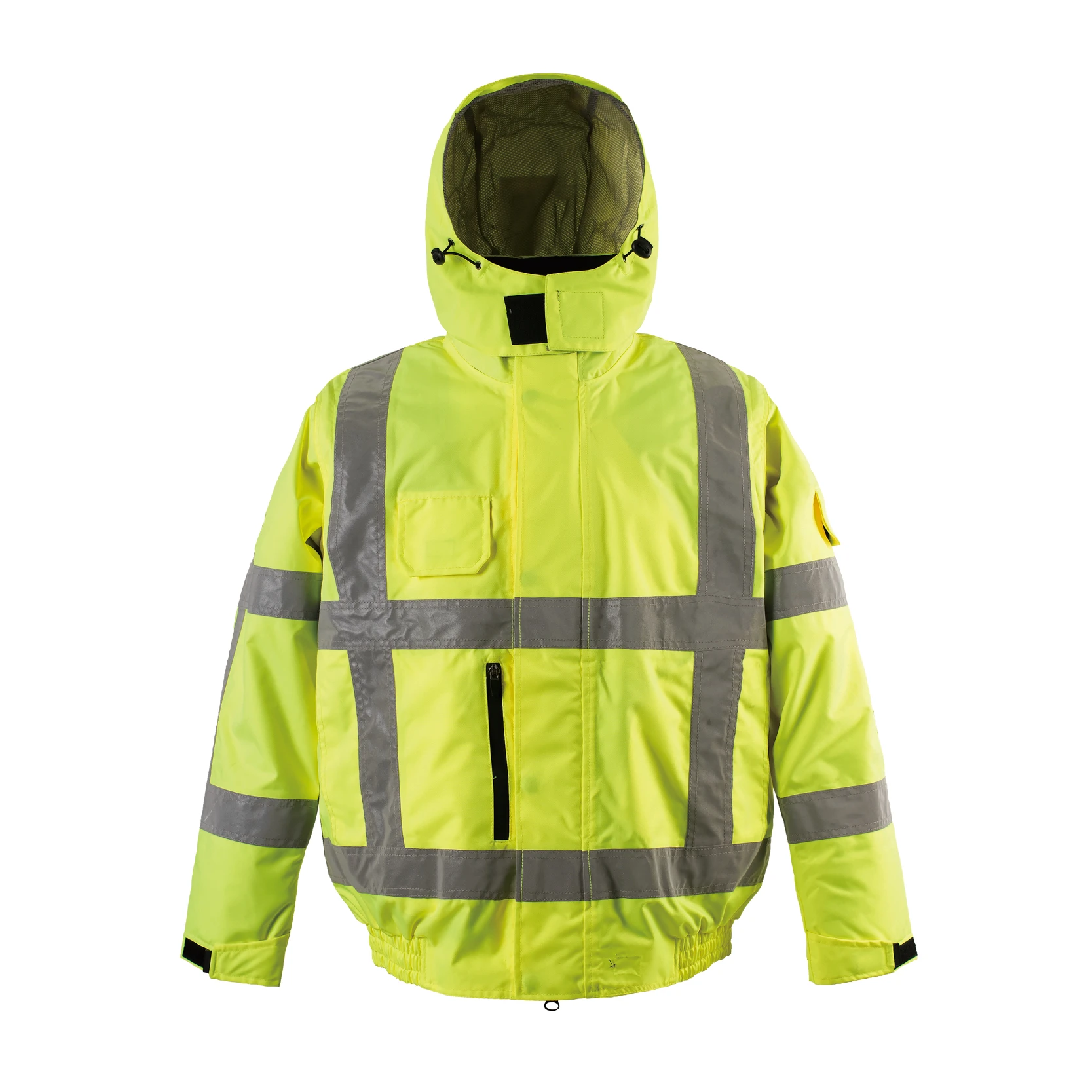
At its core, “high visibility yellow” refers to a fluorescent yellow hue specifically designed to catch the human eye, even from a distance or under poor lighting. This color stands out dramatically against natural backgrounds—grass, dirt, urban clutter—making it ideal for safety gear. Technically, it’s a fluorophore-enhanced pigment that absorbs UV light and emits visible light, giving it that distinct ‘glow’ effect. In modern industry, this means gear coated or woven with high visibility yellow reflectors or fabric not only helps with daytime recognition but also catches headlights or other light sources at night. It’s a marriage between color science and practical safety needs—one driven largely by legislative bodies and industry leaders aiming to mitigate risks across the board. Humanitarians and emergency responders have also adopted it, knowing time and safety are puzzles with few second chances.Core Features of High Visibility Yellow Products
Durability
In the field, gear isn’t just decorative. Workers often face gritty, wet, or harsh conditions, and high visibility yellow fabrics must withstand this. Fabrics often use tightly woven polyester blended with high tenacity fibers, ensuring resistance to wear, tears, and frequent washing. The reflective strips too are engineered for longevity, often made using microprismatic or glass bead technologies.Visibility in Variable Conditions
It’s not enough for the garment to be bright in daylight; fog, rain, and dusk add layers of complexity. High visibility yellow’s fluorescent properties absorb ambient ultraviolet light and re-emit it, which keeps the wearer standing out even when nature conspires to dull vision.Comfort and Breathability
No one wants to wear uncomfortable safety gear, which can lead to slow adoption or careless usage. Advances in lightweight, breathable mesh fabrics combined with moisture-wicking fibers keep users both visible and reasonably comfortable, especially in hot or prolonged shifts.Cost Efficiency
From small contractors in rural areas to large multinationals, cost matters. High visibility yellow gear has become more affordable, thanks to economies of scale and improved manufacturing. Investing in this gear often prevents costly injuries—and lawsuits—which pays off in both human and financial terms.Regulatory Compliance
Products tend to be designed to meet standards like ANSI/ISEA 107 (US), EN ISO 20471 (Europe), and others tailored for different markets. This ensures the product’s materials, color intensity, and reflectivity are up to scratch.| Specification | Details |
|---|---|
| Color Type | Fluorescent High Visibility Yellow (Pantone 809C equivalent) |
| Fabric Material | Polyester 100% with microprismatic reflective tape |
| Reflectivity | Minimum 500 cd/lx/m² per ANSI/ISEA 107 |
| Durability | Up to 50 industrial washes, UV-resistant coating |
| Weight | 150-170 g/m² |
| Sizes | S to 5XL (custom cuts available) |
The Wide-Reaching Applications of High Visibility Yellow
Across continents and climates, the applications multiply. In urban centers, construction workers, traffic marshals, and sanitation crews depend daily on high visibility yellow apparel to stay safe amid chaos. Remote mining sites in Australia use it to ensure operators can be seen through dust storms. In post-disaster relief operations in Southeast Asia, emergency workers often wear high visibility yellow uniforms to streamline coordination. Government agencies and NGOs have consistently relied on this bright yellow gear to deliver aid in tumultuous environments. Oddly enough, while the color screams “look at me,” it simultaneously conveys quiet professionalism and trustworthiness. It’s a color that, unintentionally, boosts morale and community safety—especially where visibility can mean the difference between life and death. See more about high visibility yellow options here.Comparing the Leading Vendors of High Visibility Apparel
| Vendor | Fabric Quality | Compliance | Price Range (USD) | Specialty |
|---|---|---|---|---|
| BrightGear Inc. | Premium microprismatic | ANSI 107, EN ISO 20471 | $25–$45 | Heavy duty outdoor wear |
| SafeView Textiles | Standard reflective fabric | ISO 20471 only | $15–$35 | Budget conscious options |
| EcoYellow Wear | Recycled polyester blend | ANSI & EN Certified | $28–$50 | Sustainable manufacturing |
Why Investing in High Visibility Yellow Pays Off Long Term
From a practical perspective, high visibility yellow products reduce accidents, save lives, and comply with international standards—which in turn lowers company liability. But there’s also an emotional and social edge here. People feel safer when they’re seen; it’s not just a matter of hardware but of dignity. Safer workers tend to be more productive, and a company that prioritizes visibility boosts its reputation and trust with its workforce and clients. Sustainability is increasingly crucial too. Companies integrating recycled materials into high vis apparel are getting an edge by reducing environmental impact. It’s one of those “win-win” pivots that feels right in today’s eco-conscious market.Future Bright: Innovations on the Horizon
In the coming years, expect to see blends infused with nanotechnology that improve brightness without compromising fabric weight. There’s a push toward “smart” high visibility yellow garments equipped with wearable tech—imagine vests that can connect to mobile devices or change color based on lighting. Lightweight solar panels embedded in fabrics to power these devices? Not entirely sci-fi anymore. Digital printing is also evolving the customization options, allowing precise branding while retaining reflectivity. And, importantly, greener manufacturing techniques are becoming a standard, which should please those of us worried about the planet’s future while we safeguard human ones.Overcoming Common Challenges
Despite its benefits, high visibility yellow gear isn’t without flaws. Some users complain about fading after repeated washing, or discomfort in tropical climates. The solutions lie in better fabric technology—breathable, UV-resistant coatings, and advanced dye processes. Educating workers on proper care also plays a role; harsh detergents can shorten gear life. In global contexts, supply chain delays or inconsistent compliance standards complicate procurement. Partnerships with trusted manufacturers and vendors help mitigate these risks. Frankly, it’s all a work in progress, but one that moves steadily forward.FAQs: Your Top Questions Answered
Q1: Why is high visibility yellow preferred over other fluorescent colors?
High visibility yellow provides the best contrast with most natural and urban backgrounds in daylight and low light. Its ability to absorb UV light and emit visible light makes it stand out without being harsh on the eyes. While orange is also popular, yellow tends to be more easily seen in varied environments.
Q2: How long does high visibility yellow safety gear last in industrial use?
When maintained properly, most high visibility yellow garments last through roughly 50 industrial wash cycles while maintaining visibility and durability features. Some premium products exceed this, especially those with UV-resistant coatings.
Q3: Can high visibility yellow gear be customized with company logos?
Absolutely. Many manufacturers offer digital printing or embroidered logos that do not interfere with reflective properties, allowing companies to maintain safety standards while strengthening brand identity.
Q4: Is high visibility yellow gear suitable for tropical or humid climates?
Modern high vis gear has evolved to include breathable mesh panels and moisture-wicking fabrics, making them more comfortable in hot, humid conditions, though heavier models are still common for colder environments.
Q5: How do companies ensure their high visibility yellow items meet international safety standards?
Most companies choose vendors compliant with ANSI/ISEA 107 or EN ISO 20471 standards and perform regular audits and testing against reflectivity and fabric durability benchmarks. It’s always wise to ask for certifications before purchasing.
In Conclusion: Why the Yellow Glow Still Shines Bright
High visibility yellow isn’t just a color—it’s a safety statement echoing around the world in roads, factories, fields, and disaster zones. Its adoption marks a commitment to life, productivity, and innovation. As technologies evolve, so will its impact, blending tradition with a brighter future. For those invested in safety, sustainability, and practical innovation, embracing high visibility yellow solutions is a no-brainer. For more on how your industry can benefit from the right gear, drop by our website and see what’s possibile with next-gen high vis textiles.Stay safe, be seen—and maybe, just maybe, that splash of yellow makes all the difference.
References: