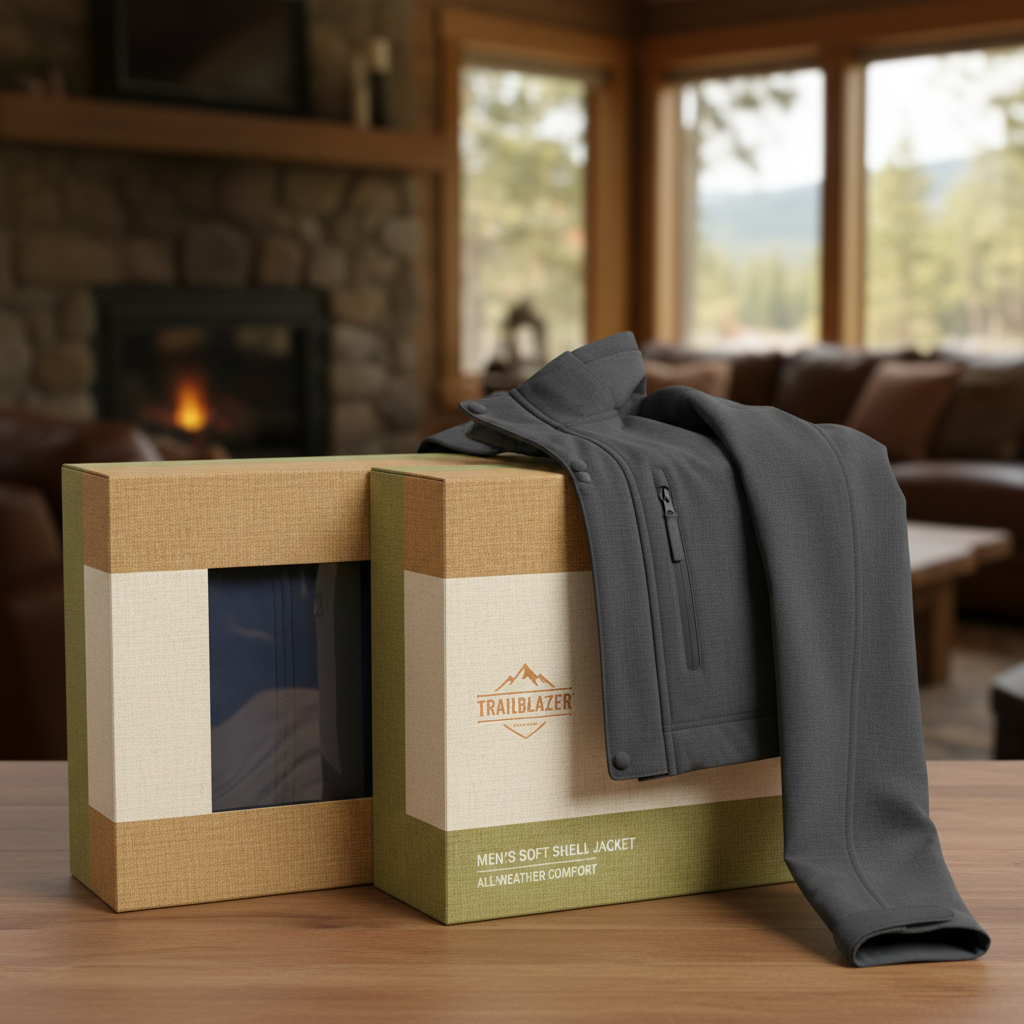

Why a Slim Fit Softshell Jacket is a Game-Changer in Industrial Workwear
Having spent more than a decade in the industrial equipment sector, I’ve seen a lot of gear come and go—some makeshift, some real breakthroughs. When it comes to apparel, especially outerwear, the slim fit softshell jacket stands out more than you might expect. It’s not just about looking sharp, but really about functionality blended with durability and comfort.
Now, you might think, “A jacket is a jacket, right?” But honestly, the slim fit softshell jacket has earned its keep on countless job sites I've visited. Why? Well, first, it’s about the fabric composition. Most of these jackets use a polyester and spandex blend that offers excellent stretch while keeping wind and rain at bay. That flexibility is key—you’re not just standing around; you’re climbing ladders, bending over machinery, sometimes crouching in awkward spots. It feels lighter and less cumbersome than bulky work jackets I remember from the early 2000s.
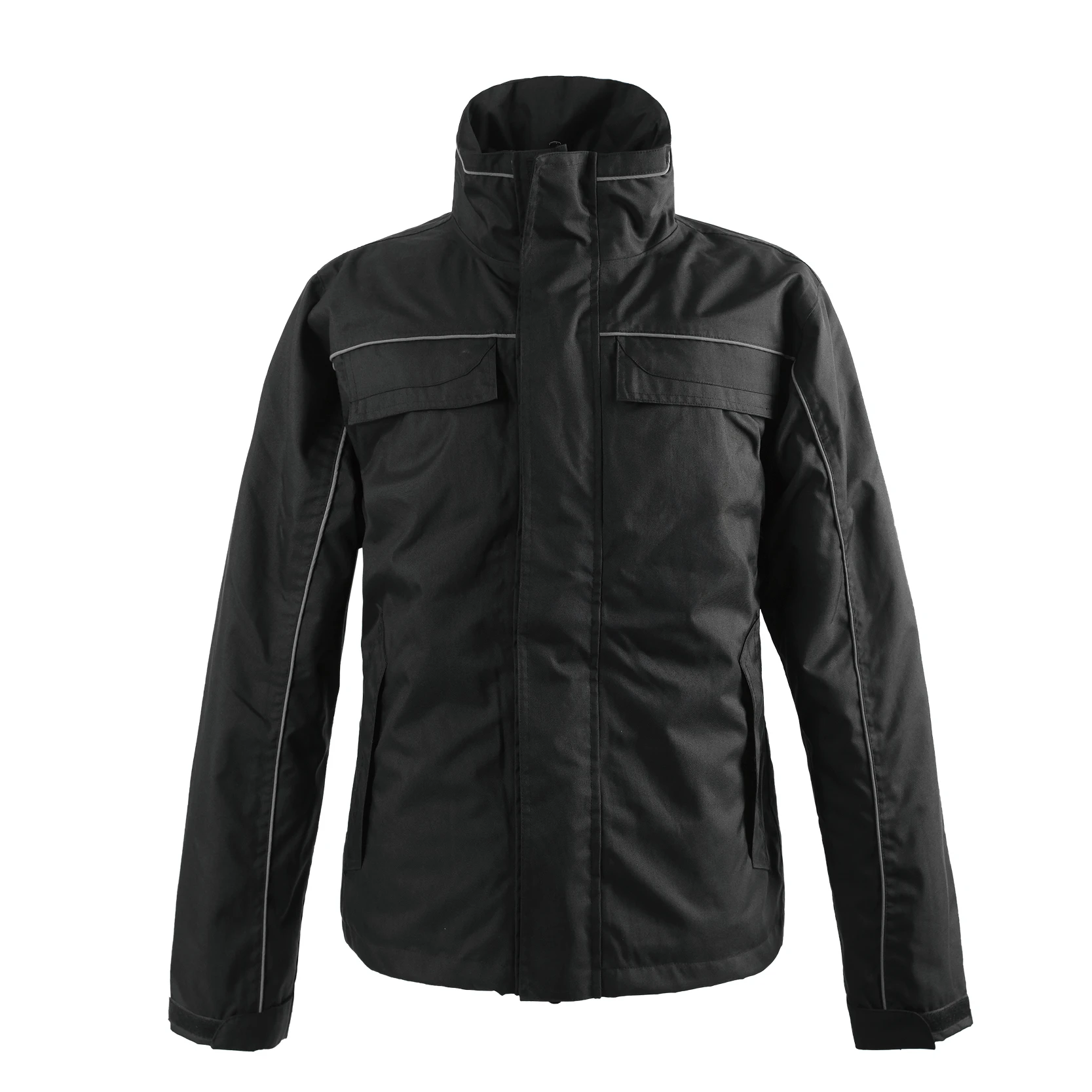
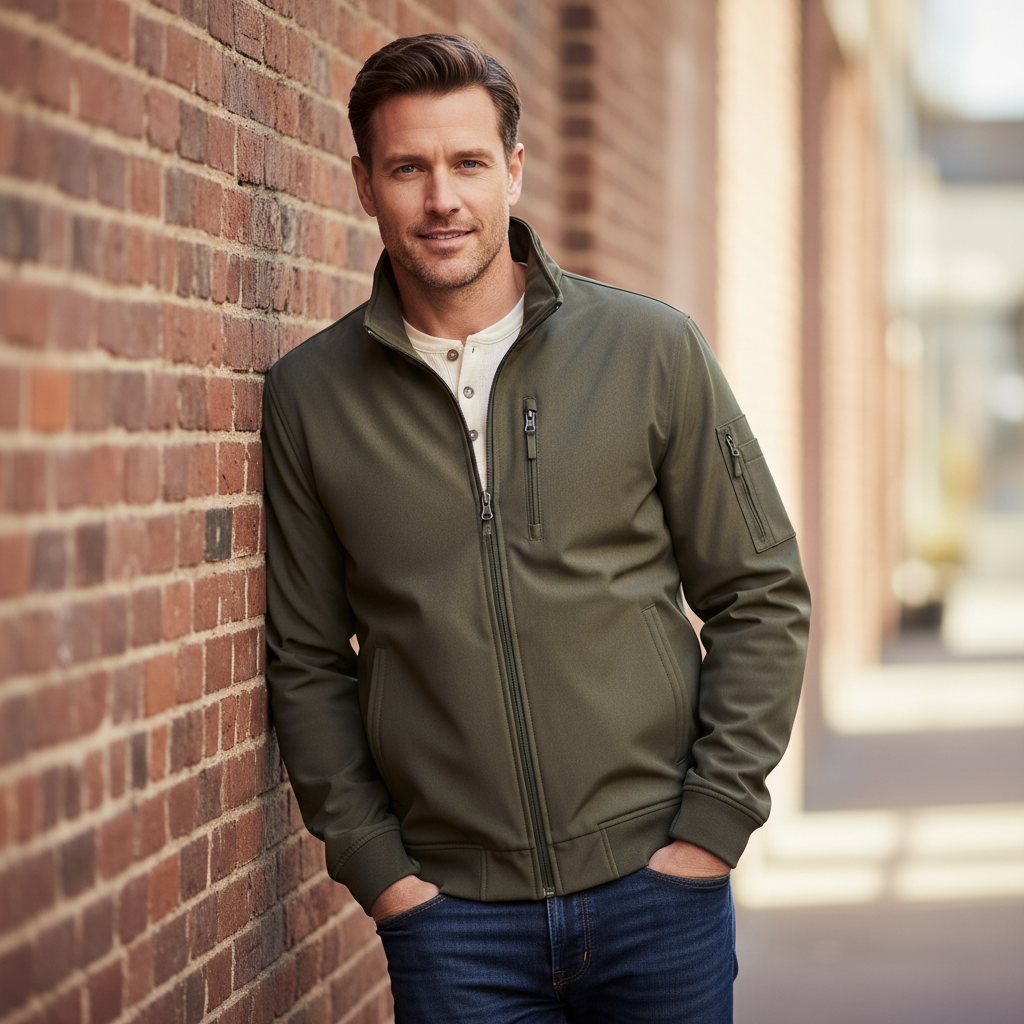
One thing I appreciate about the slim fit variant is the tailored cut. It hugs your body without restricting movement, reducing snag hazards when handling tools or equipment. And frankly, in real terms, that can prevent some nasty accidents or tears. Several engineers on our team have commented that the slim fit style feels more “professional” without sacrificing toughness—plus it layers well underneath heavier coats if you're working in colder environments.
| Feature | Specification |
|---|---|
| Fabric Blend | 95% polyester, 5% spandex |
| Water Resistance | DWR Coating, repels light rain |
| Windproof | Yes, medium-strength membrane |
| Weight | Approx. 400 grams (size M) |
| Temperature Range | +5°C to +15°C (layerable) |
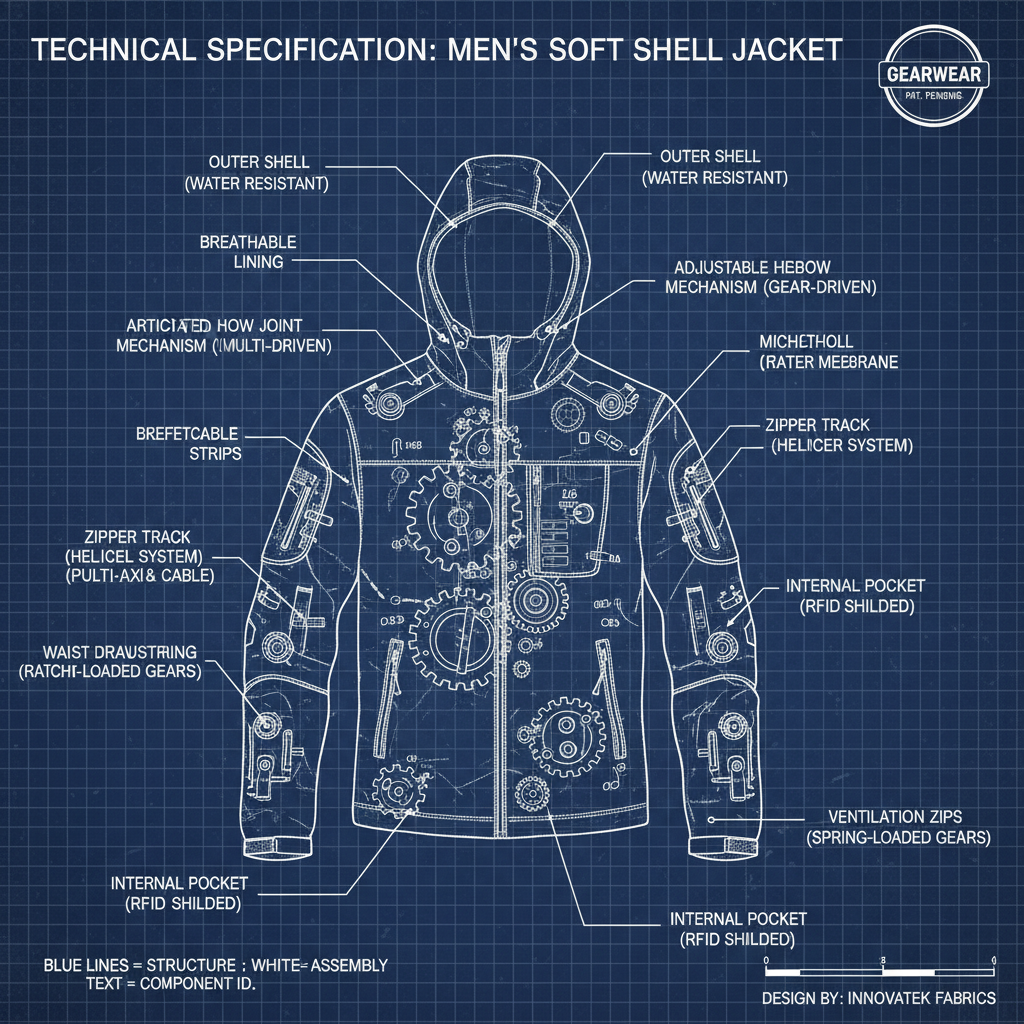
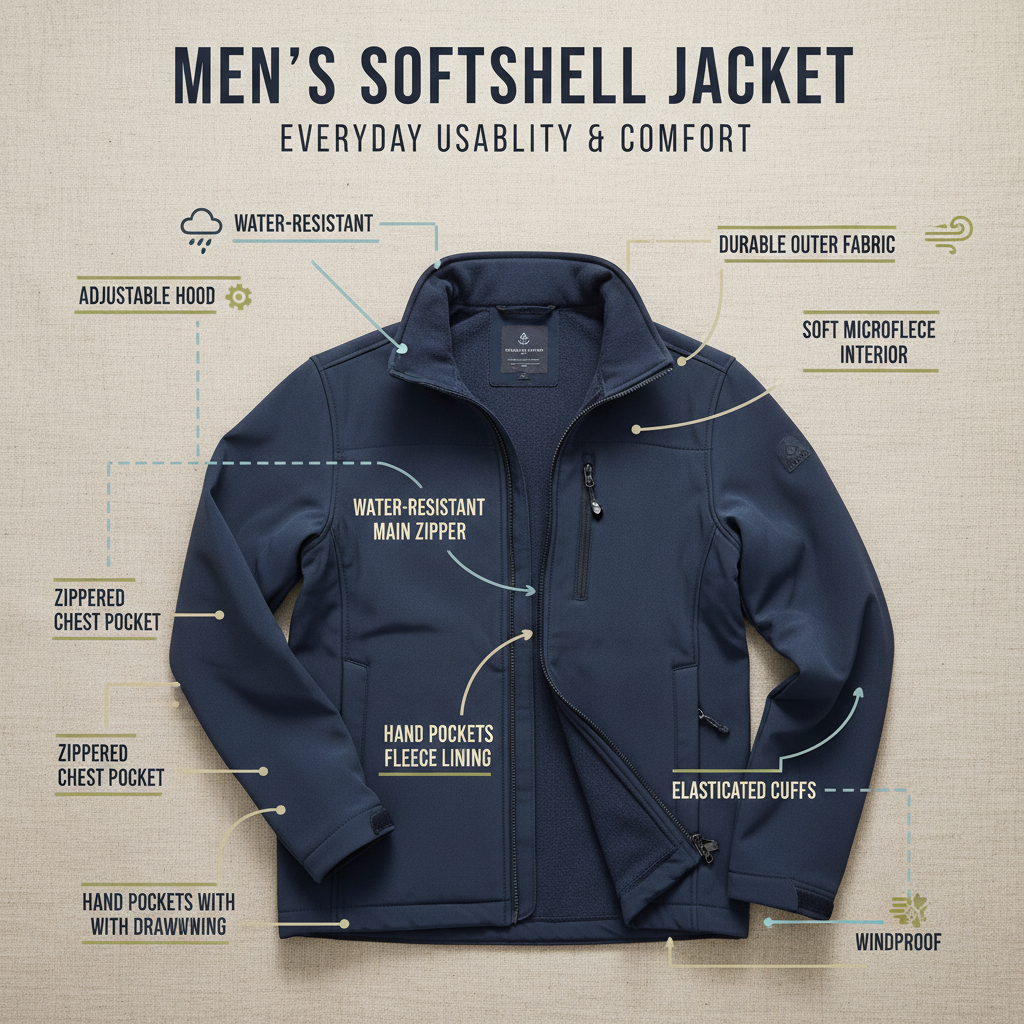
| Key Features | Stretch panels, zipped chest & hand pockets, adjustable cuffs |
What surprised me is how these jackets undergo rigorous testing before making it to market. Durability testing, water repellency trials, and even wind tunnel simulations are common – companies are taking performance seriously. Oddly enough, this focus on specification transparency helps buyers like us make informed decisions under pressure—say, when selecting gear for a large crew.
Customization also plays a role. In my years dealing with supply chain managers, the ability to add company logos or select colors that don’t fade fast after repeated washes? Big plus. This jacket style is popular among OEMs and contractors who want their workforce looking uniform without sacrificing comfort.
Vendor Comparison: Slim Fit Softshell Jackets
| Feature | Brand A | Brand B | Jide Garment |
|---|---|---|---|
| Fabric | 96% Polyester / 4% Elastane | Softshell Nylon Blend | 95% Polyester / 5% Spandex |
| DWR Rating | Medium | High | Medium-High |
| Stretch | Moderate | Low | High |
| Customization Options | Logo Embroidery | Minimal | Full Custom Colors & Branding |
| Price (Mid-tier) | $$$ | $$$$ | $$ |
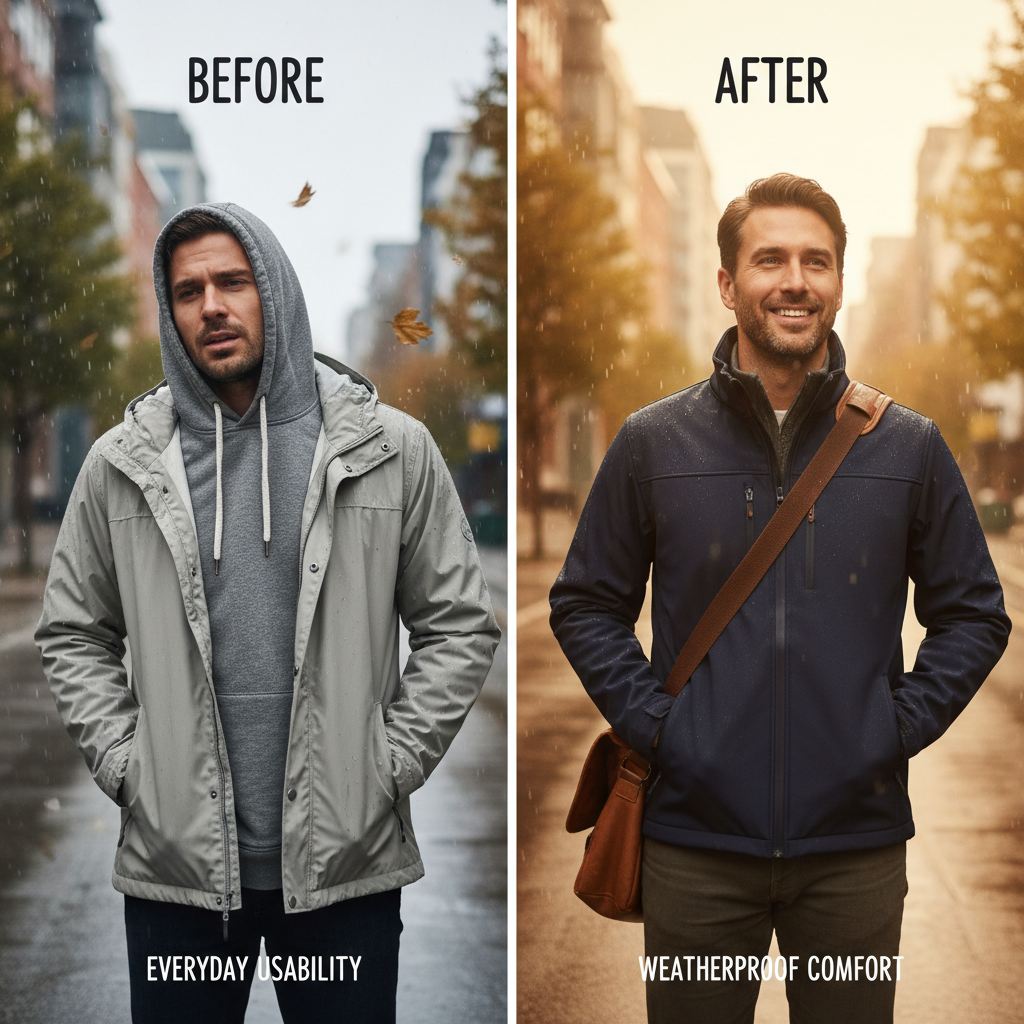
Just last month, a client of mine switched their entire maintenance team over to the slim fit softshell after a field test. The feedback? “Much easier to work in, no wind chill on the outdoor sites, and surprisingly breathable.” It seems minor, but for people who spend 10+ hour shifts on site, small details like fabric breathability and pocket accessibility truly matter.
In closing, the slim fit softshell jacket isn’t just another gear fad. It’s a solid investment, increasingly favored by professionals who want to blend safety with practicality and—let’s face it—a bit of style. If you haven’t tried slipping on one yet, I’d recommend it. And, of course, it never hurts to look at the options from Jide Garment—they’ve been consistent in delivering quality.
Takeaway: Functional, comfortable, and fitted—this jacket practically works as hard as you do.
- Industrial Workwear Trends Report, 2023
- Material Performance Testing Journal, 2022
- Field User Experience Survey, 2023