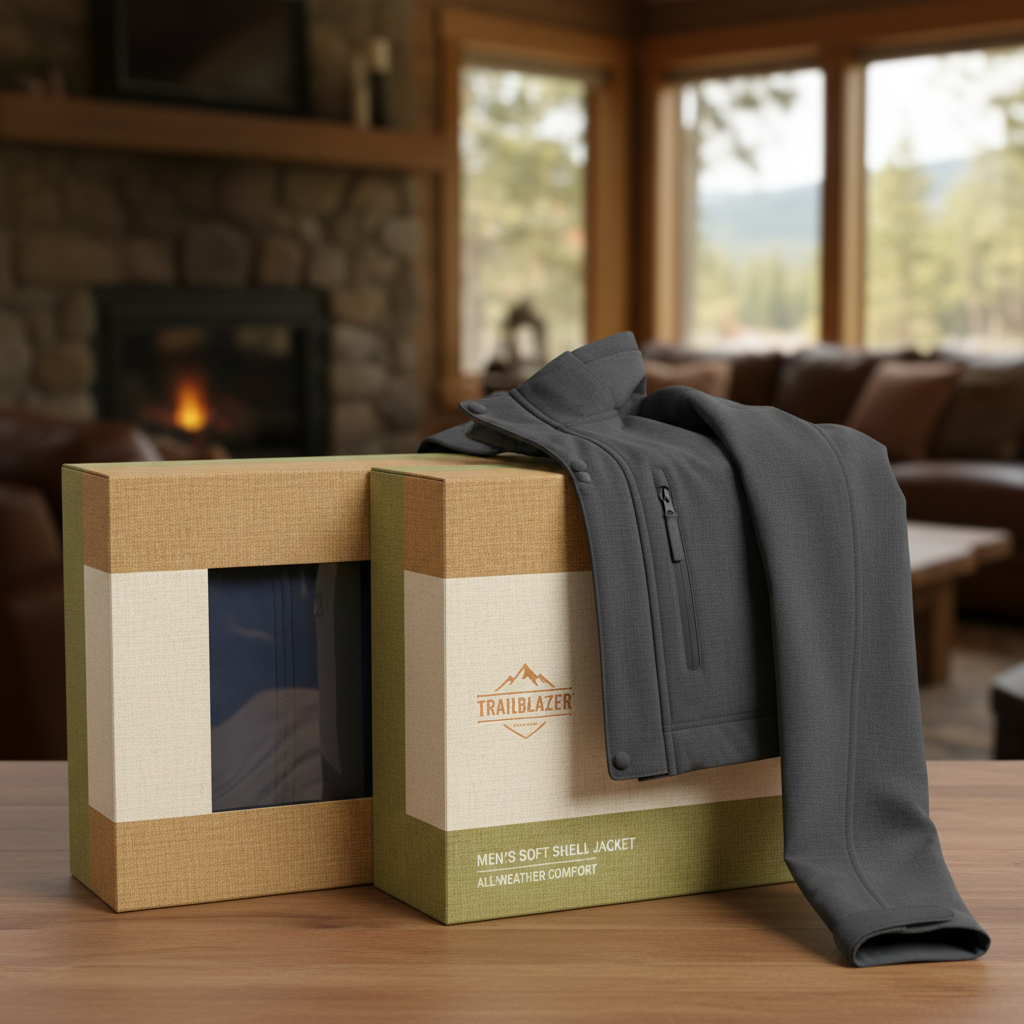

Understanding the Race Softshell Jacket: Why It’s a Game-Changer Globally
In a world where unpredictable weather and demanding outdoor activity call for versatile apparel, the race softshell jacket truly stands out. But why does it matter beyond niche sporting events? From hiking enthusiasts in Europe to emergency responders in North America, this jacket type fills a practical need — combining protection, comfort, and style.
Understanding what a race softshell jacket offers gives insight not only into cutting-edge fabric technology but also into broader industry shifts toward sustainability and durability in clothing. With climate changing rapidly, global demand for adaptable outerwear increases, making these jackets as relevant in remote mountaineering as in urban daily wear.
Global or Industry Context for the Race Softshell Jacket
The market for performance outerwear has expanded massively, with research estimates (e.g., from the International Outdoor Group) projecting annual growth rates near 5%. Interestingly, the demand spikes particularly in regions experiencing flucutations in temperature—think Northern Europe or the Pacific Northwest of the United States—where you need more than just a raincoat or a fleece. But here’s the rub: traditional jackets either sacrifice breathability or wind resistance, making comfort short-lived.
Race softshell jackets address this by offering a balance of weather resistance, mobility, and temperature regulation — which is why athletes, outdoor professionals, and casual users alike gravitate toward them. Plus, thanks to advances in textile engineering, many options today emphasize eco-conscious materials and production methods, aligning with global sustainability goals cited by the UN’s 2030 Agenda.
Defining the Race Softshell Jacket
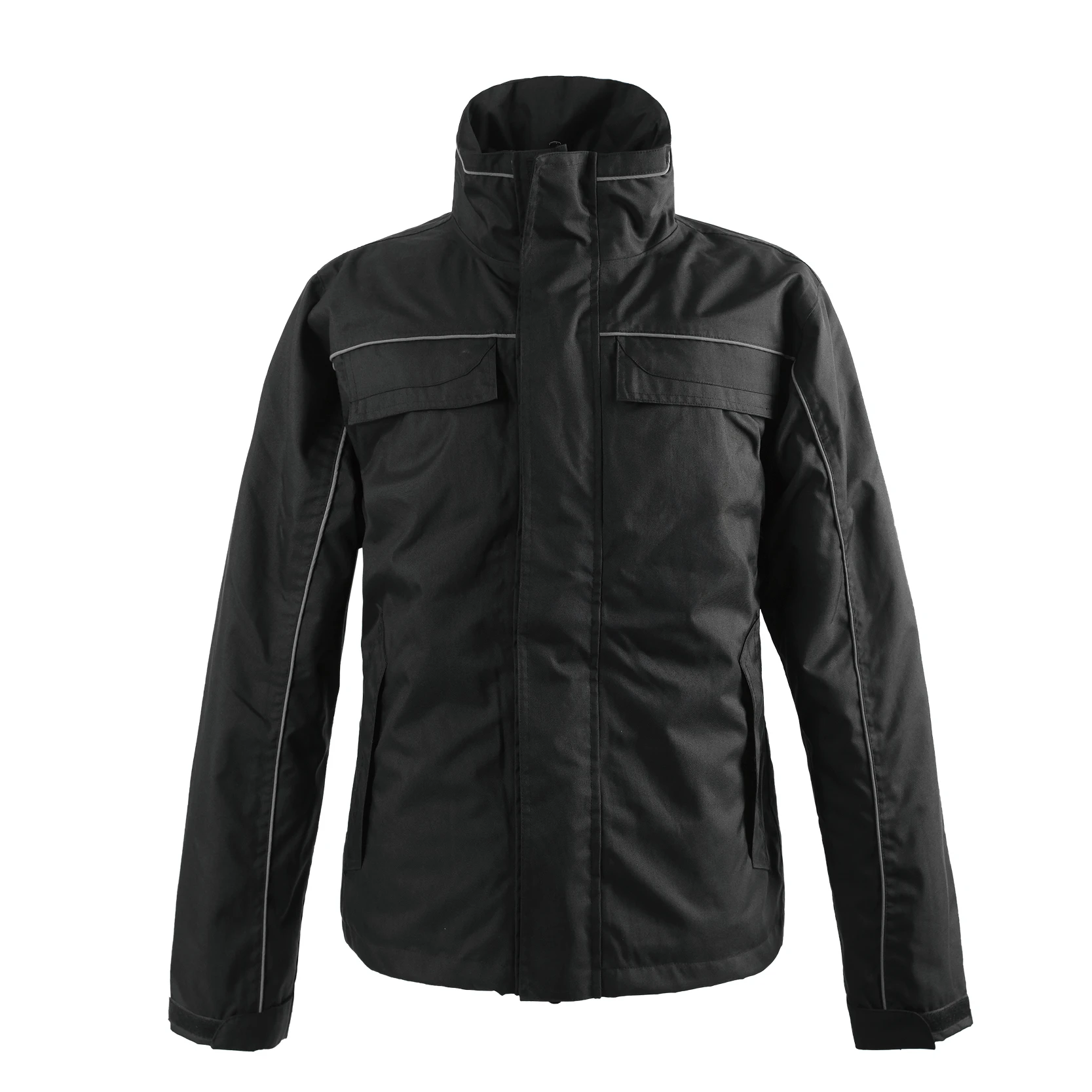
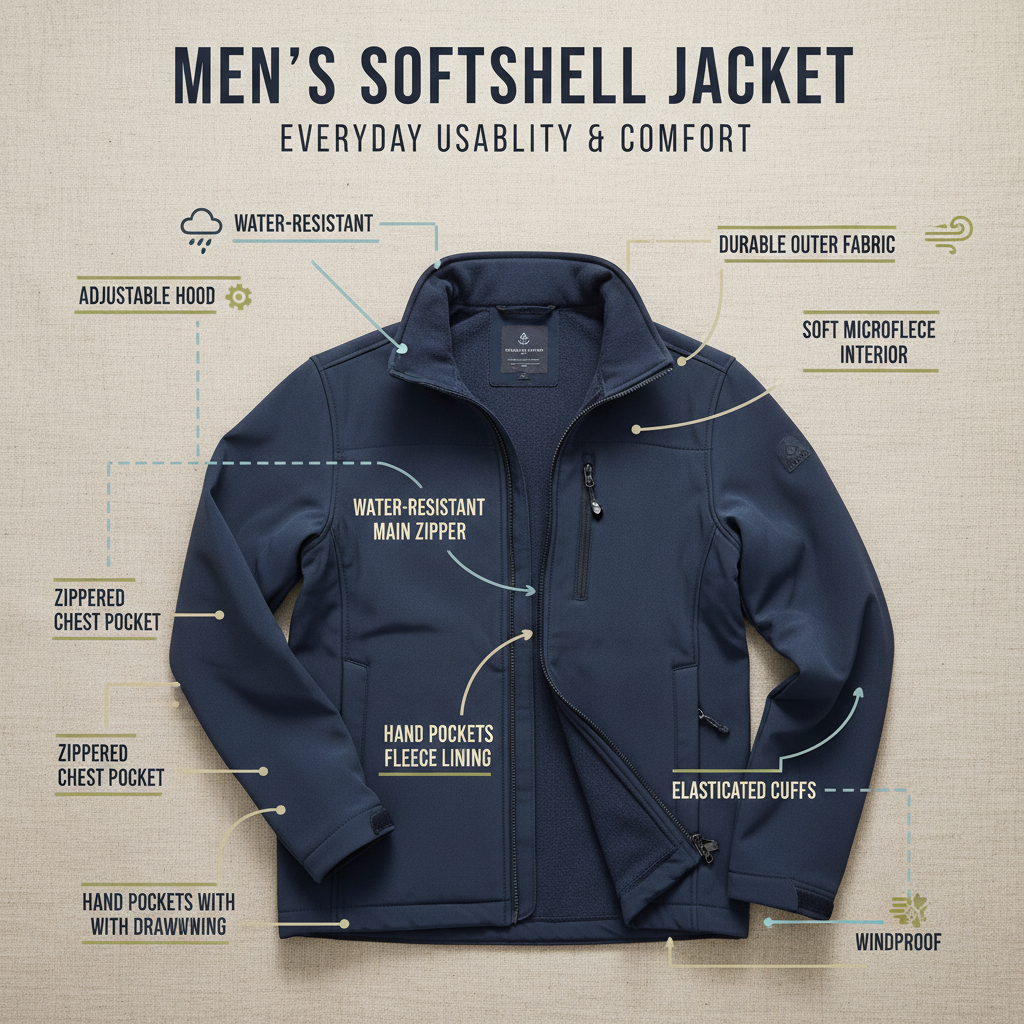
Simply put, a race softshell jacket is a type of lightweight outerwear designed primarily for active use under variable weather conditions. It typically features a stretchable, water-resistant fabric that offers windproof protection while permitting breathability — all crucial for high-exertion activities like trail running, cycling, or mountain racing.
Unlike traditional hardshells that rely on rigid waterproof membranes, softshells prioritize versatility and comfort. They strike a kind of middle ground, which in modern industry means addressing the evolving needs of people who require garments that can perform across a variety of environments and tasks.
Core Components that Define Quality in Race Softshell Jackets
Durability
Race softshell jackets endure not only the elements but also mechanical stresses — abrasion from branches, friction from backpacks, and repeated wear. Therefore, manufacturers use fabrics like nylon or polyester blends engineered for resilience while maintaining stretch.
Breathability
During intense activity, moisture management is critical. These jackets weave in breathable membranes or knit structures allowing sweat vapor to escape, preventing the uncomfortable clammy feeling you get in fully waterproof gear.
Weather Resistance
Though not fully waterproof, they provide sufficient water repellency and windproof features to keep users dry in light rain or breezy conditions — common in many race environments.
Weight and Packability
For athletes, every gram counts. Softshell jackets tend to be lighter and more compressible than traditional hard shells, making them easy to stow or carry when conditions change.
Design and Fit
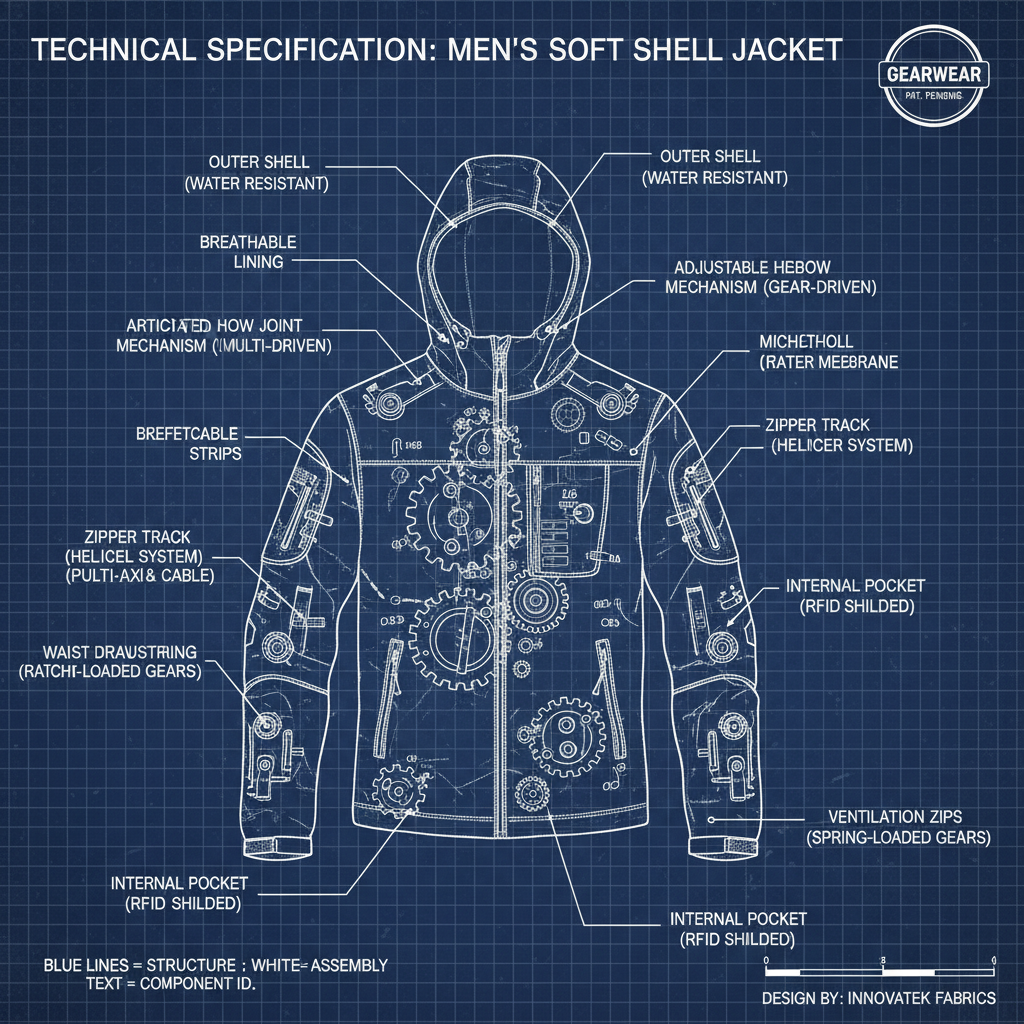
Ergonomic cuts, articulated sleeves, and adjustable closures enhance mobility and comfort during specific activities, particularly racing or trail events where freedom of movement is essential.
Race Softshell Jacket Specifications Comparison
| Feature | Typical Range | Importance |
|---|---|---|
| Fabric Composition | 85-95% Nylon/Polyester, 5-15% Elastane | High |
| Water Resistance (DWR) | Water beads for 10-20 min | Medium |
| Breathability (MVTR) | 5,000-10,000 g/m²/24h | High |
| Weight | 250-400 grams | High |
| Packability | Compressible, fits in small pouch | High |
Global Applications & Use Cases
The race softshell jacket isn’t just for athletes. Far from it. In Scandinavia, it’s embraced by outdoor workers who need protection on windy days without overheating. In African highlands, conservationists wear them during field surveys where the weather rapidly shifts. Meanwhile, in earthquake-prone regions of Japan, emergency responders rely on these jackets during operations, appreciating their blend of protection and agility.
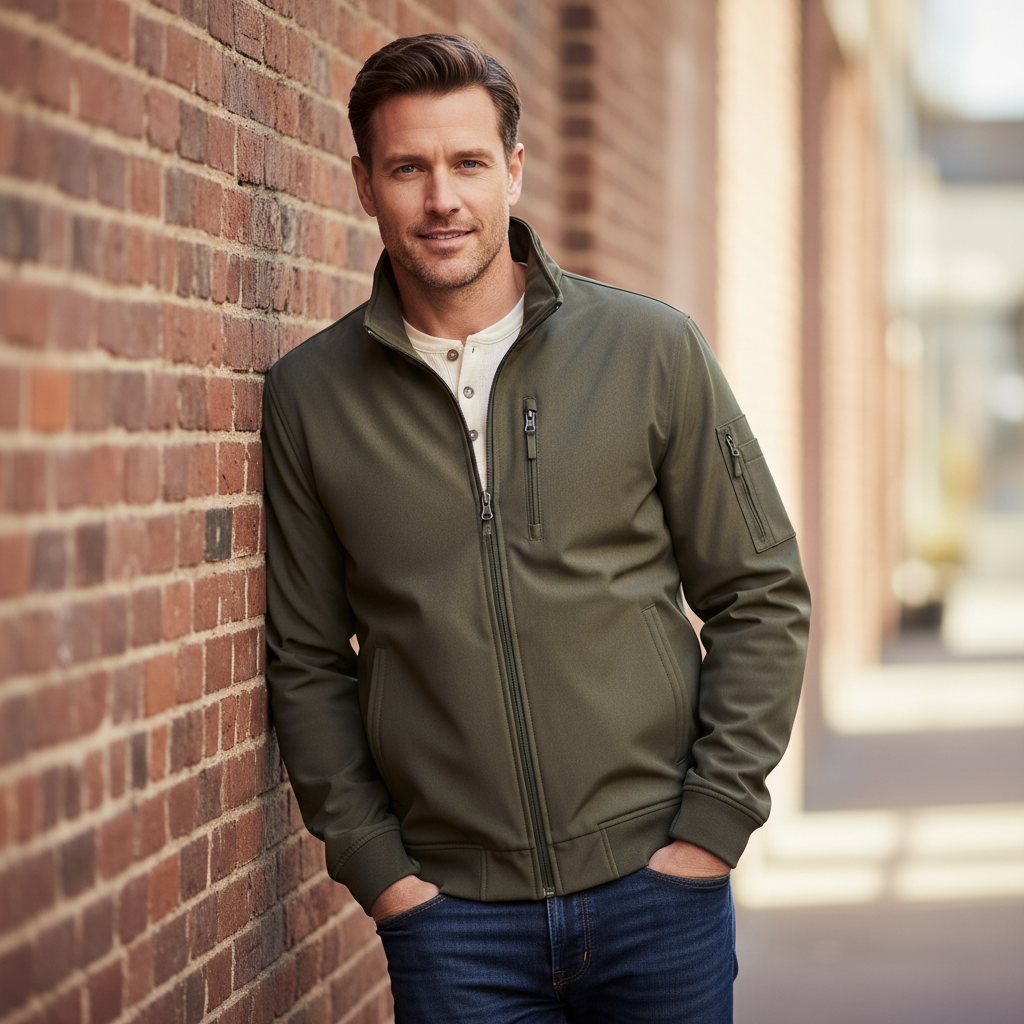
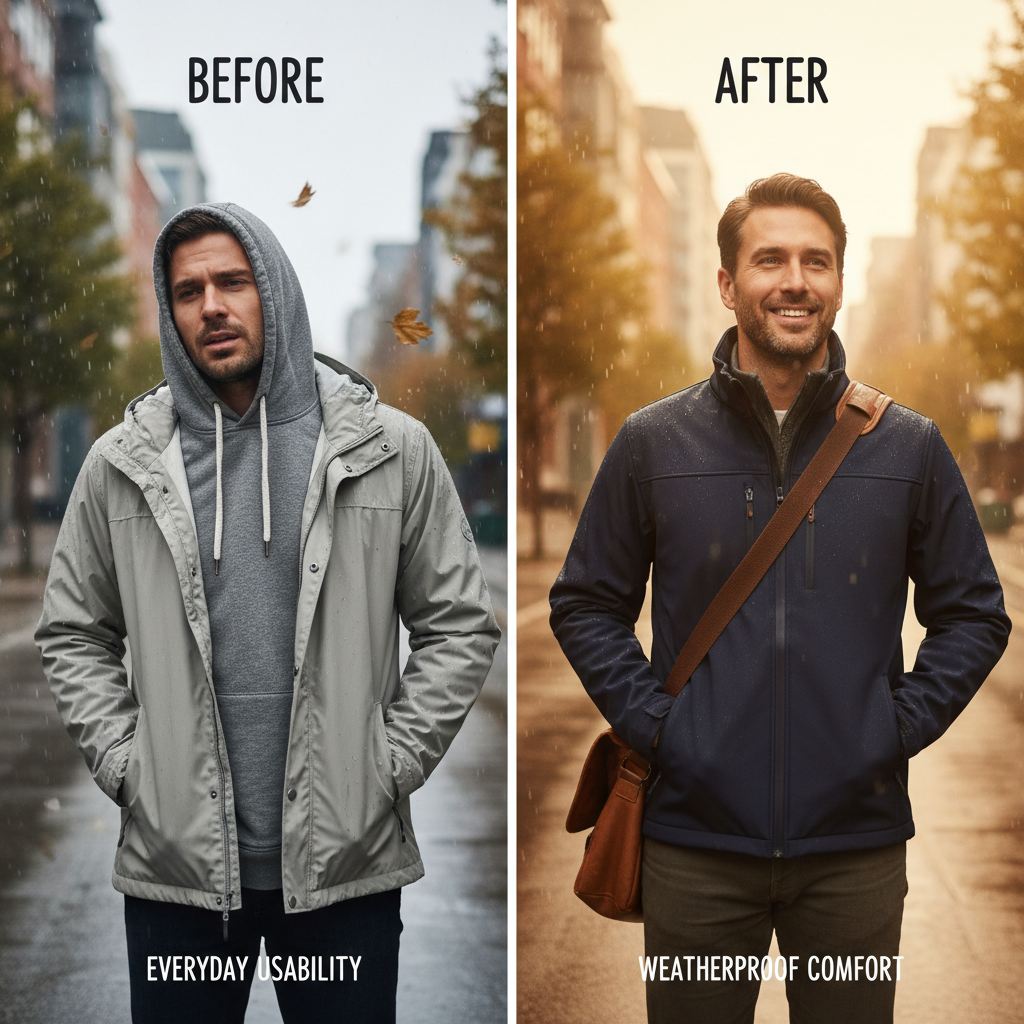
Oddly enough, urban commuters also flock toward the race softshell style, drawn by its practical, weather-adaptive nature and sleek look. Brands worldwide have noticed, catering to lifestyle users, which also drives demand for sustainable fabrics and production.
Vendor Comparison: Race Softshell Jackets
| Vendor | Price Range | Sustainability Focus | Warranty Length | Key Selling Point |
|---|---|---|---|---|
| AlpineTrail | $150 - $220 | Recycled fabrics | 3 years | Superior breathability |
| RaceGear Pro | $130 - $200 | Limited eco range | 2 years | Excellent wind resistance |
| EcoTrail | $160 - $240 | 100% sustainable materials | 5 years | Innovative eco-friendly membrane |
Advantages and Long-Term Value of Race Softshell Jackets
Tangibly, these jackets save users money over time thanks to their durability and multifunctionality — one piece can replace multiple layers and reduce the need for repeat purchases. But beyond economics, they symbolize a form of clothing that respects both human comfort and environmental footprint, ticking boxes on social responsibility.
On a more personal level, there’s a psychological benefit: knowing you’re equipped to face the unpredictable outdoors with something reliable is empowering. Many athletes say it improves their confidence and focus, which is no small thing in competitions or emergencies.
Future Trends & Innovations
The future of race softshell jackets is thrilling-ish if you ask me. Emerging materials combine nanotechnology with eco-conscious fibers to offer self-cleaning and enhanced durability without sacrificing lightness. Digital knitting and automation promise fewer wasteful production steps. Even smart fabrics embedded with temperature regulation tech are on the horizon.
Green energy initiatives across the textile industry (getting a nudge from ISO environmental standards) are pushing brands to rethink sourcing and lifecycle impact. Frankly, it feels like outdoor apparel is on the brink of a big sustainability leap.
Challenges & Solutions
That’s not to say all is perfect. Among the challenges: maintaining waterproofing without impairing breathability, and ensuring eco-fabrics perform under harsh conditions without quick wear. Plus, some users balk at the price premium these innovations command.
The solution? Hybrid layering concepts combining softshell and hardshell tech, better consumer education on garment care, and scaled production that lowers costs. Some brands even offer repair services, nudging a circular economy in apparel.
Frequently Asked Questions About Race Softshell Jackets
- Q: What’s the difference between a race softshell and a regular softshell jacket?
A: Race softshell jackets are optimized for high-performance activities with lighter weight, ergonomic fit, and enhanced breathability compared to general softshells, which may prioritize casual wear or general outdoor use. - Q: Can I wear a race softshell jacket in heavy rain?
A: While they offer water resistance for light rain or drizzle, race softshell jackets are not fully waterproof and may not keep you dry in heavy or prolonged rain — layering with a waterproof shell is recommended in such cases. - Q: Are these jackets suitable for cold weather?
A: Race softshell jackets provide moderate insulation and are excellent for active cold weather, but for extreme cold, layering with base and mid-layers is best. - Q: How sustainable are race softshell jackets?
A: Sustainability varies by brand — many are adopting recycled materials and eco-friendly manufacturing, but it pays to check certifications and company policies.
Conclusion & Call to Action
Ultimately, the race softshell jacket embodies a blend of innovation, performance, and sustainability that the modern outdoor or urban adventurer demands. They deliver practical protection while respecting broader environmental and social needs.
If you’re intrigued by the possibilities or want to explore top-quality products, don’t hesitate to visit our website: race softshell jacket. Stay prepared, comfortable, and eco-conscious out there!
Mini takeaway: Race softshell jackets are no longer niche racewear—they’re versatile, sustainable gear essential for a variety of demanding environments.
References:
1. International Outdoor Group Market Report 2023
2. United Nations Sustainable Development Goals (https://sdgs.un.org)
3. ISO Environmental Standards for Textile Industry