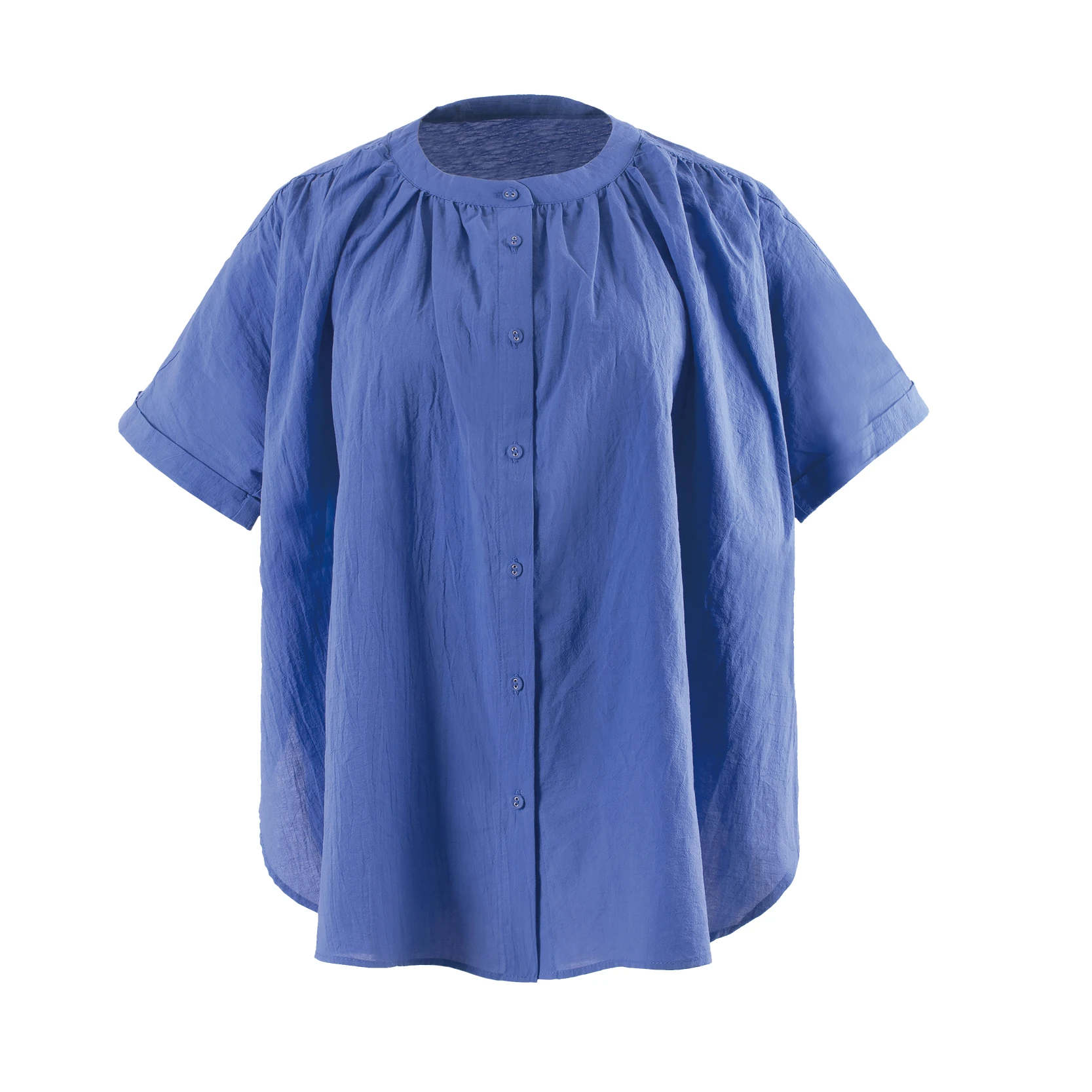
Premium Norwegian Performance mechanic overalls Solutions

Engineered for the Arctic climate and rigorous industrial standards of Norway, providing unmatched durability and thermal protection for the modern workforce.

Premium Norwegian Performance mechanic overalls Solutions

Combining European safety certifications with advanced textile engineering to deliver high-performance workwear clothing tailored for the Norwegian landscape.

Industrial Apparel Landscape in Norway

Analyzing the intersection of harsh Nordic climates and rigorous safety regulations.

Norway's manufacturing and construction sectors operate under some of the world's strictest occupational health and safety (OHS) laws. The demand for high-quality construction clothing is driven by the need for garments that can withstand extreme temperature fluctuations, from freezing fjords to humid coastal regions.

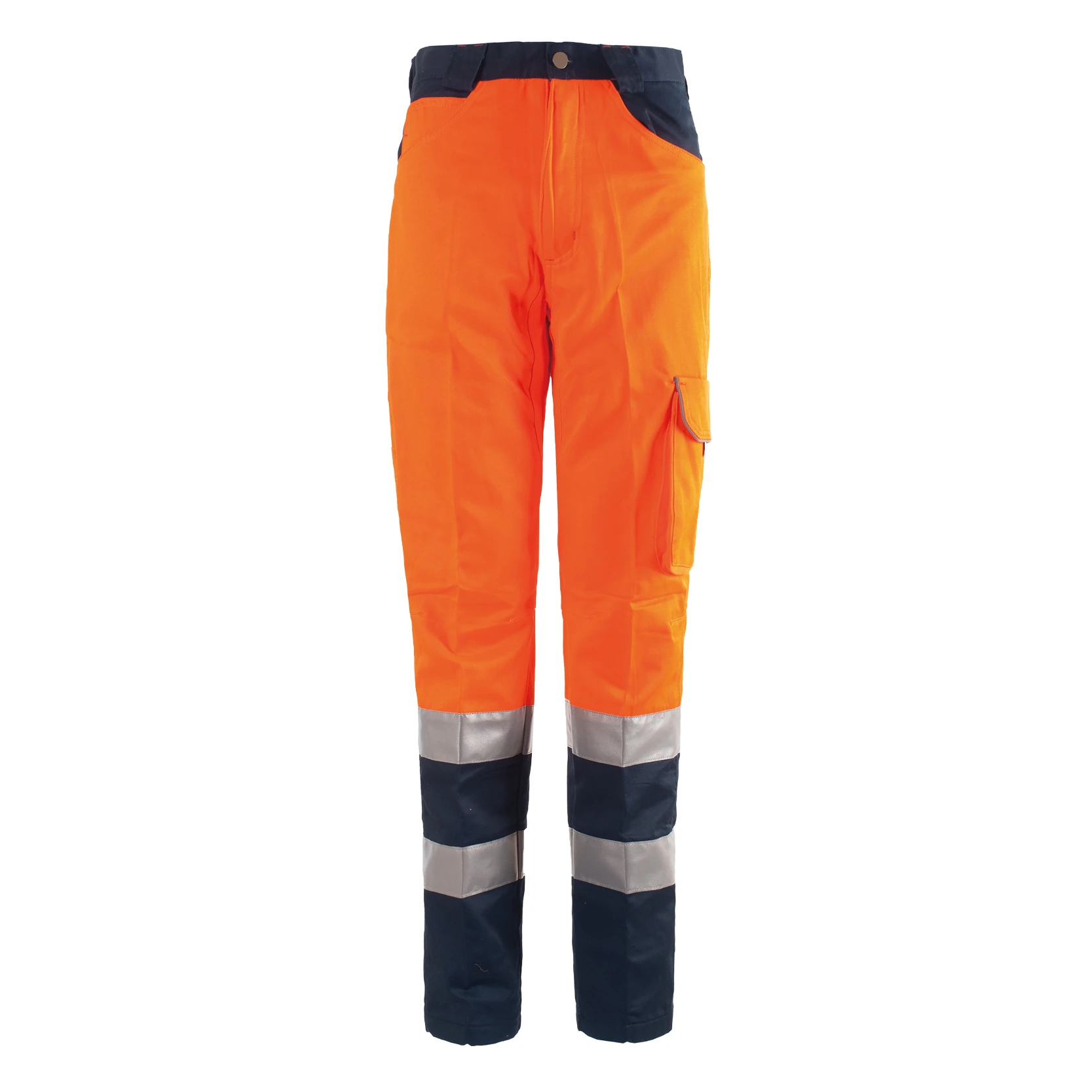
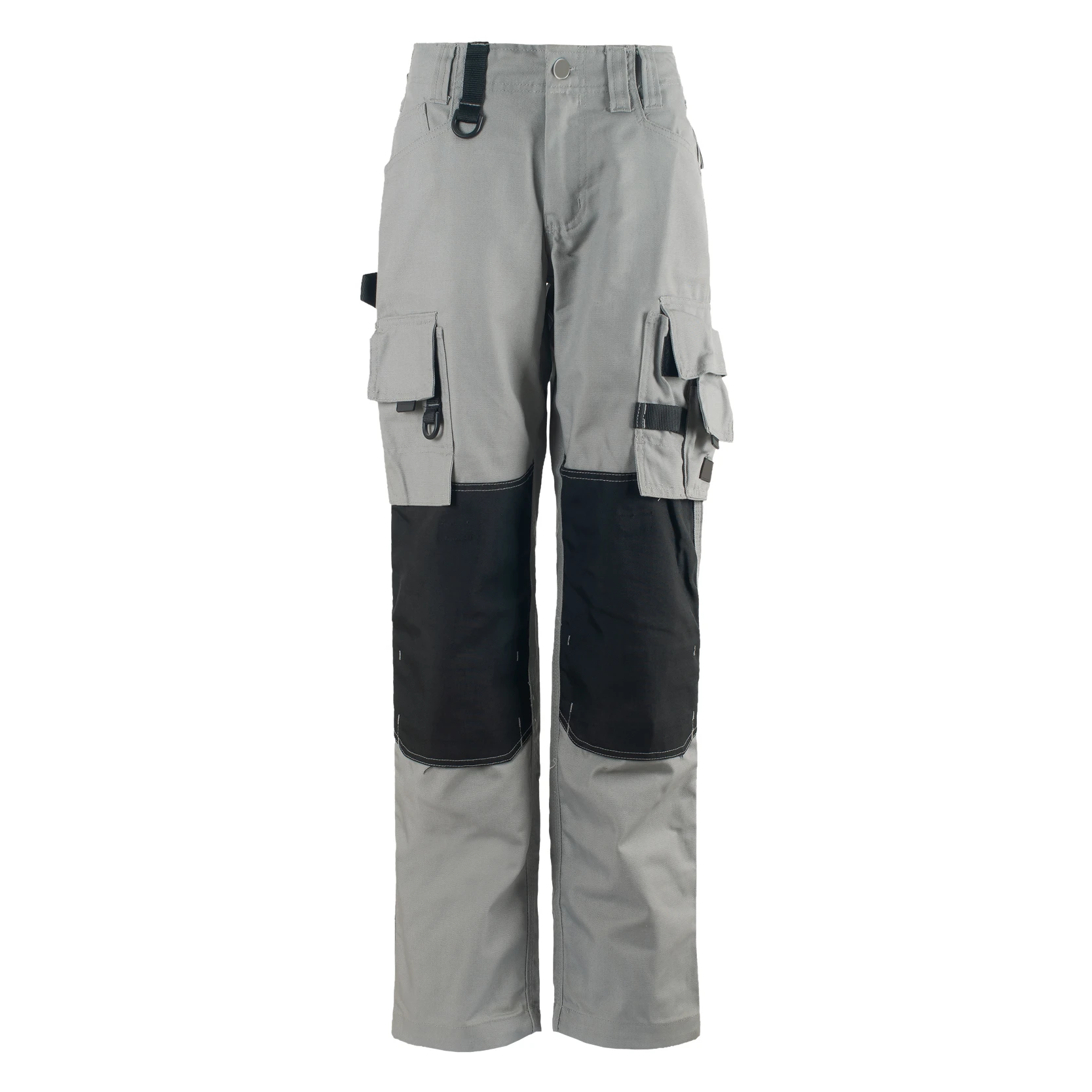
The local market is characterized by a strong preference for sustainable, high-tenacity fabrics. Professionals requiring mechanic work pants prioritize abrasion resistance and ergonomic fits that allow for full mobility during complex technical repairs in the offshore and automotive industries.

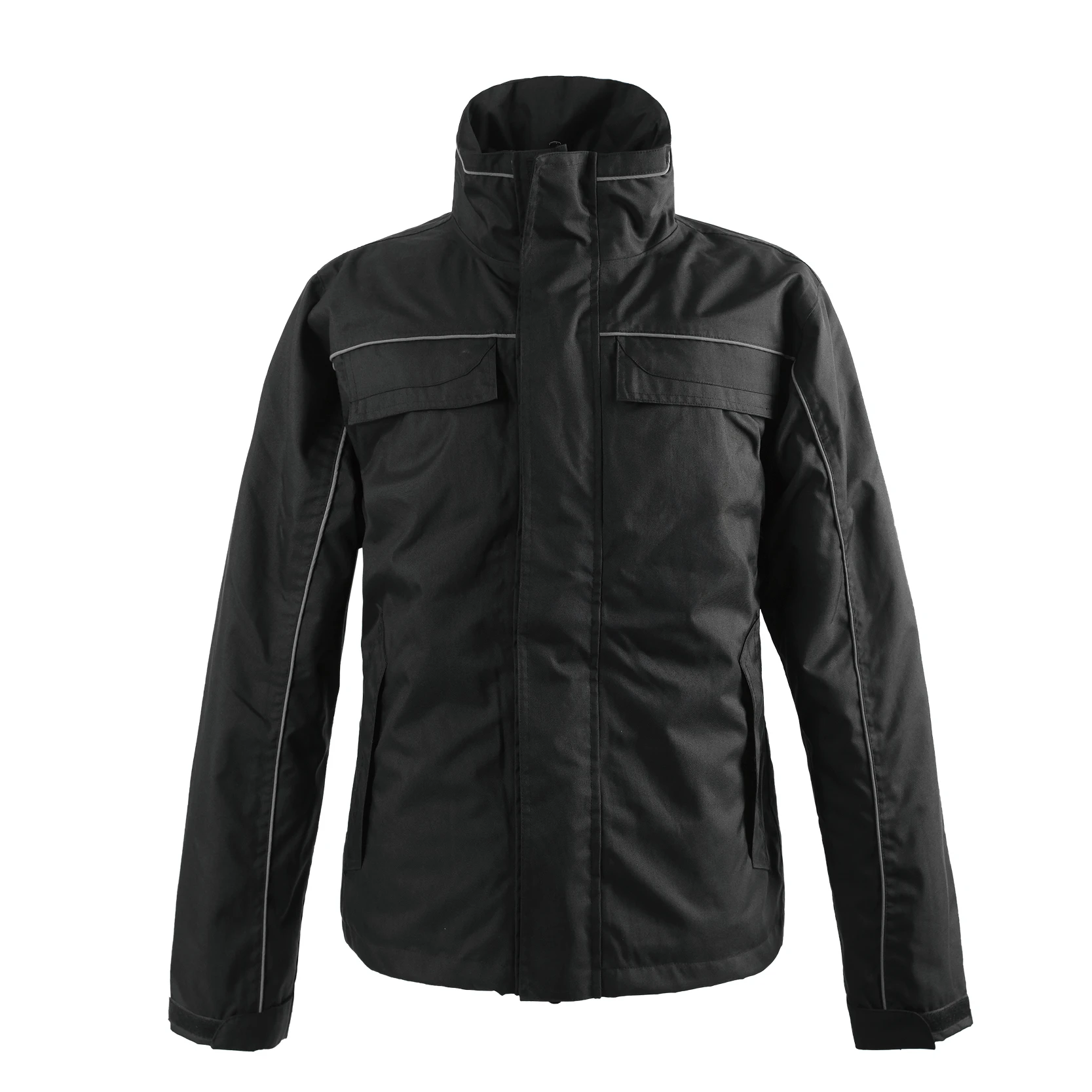
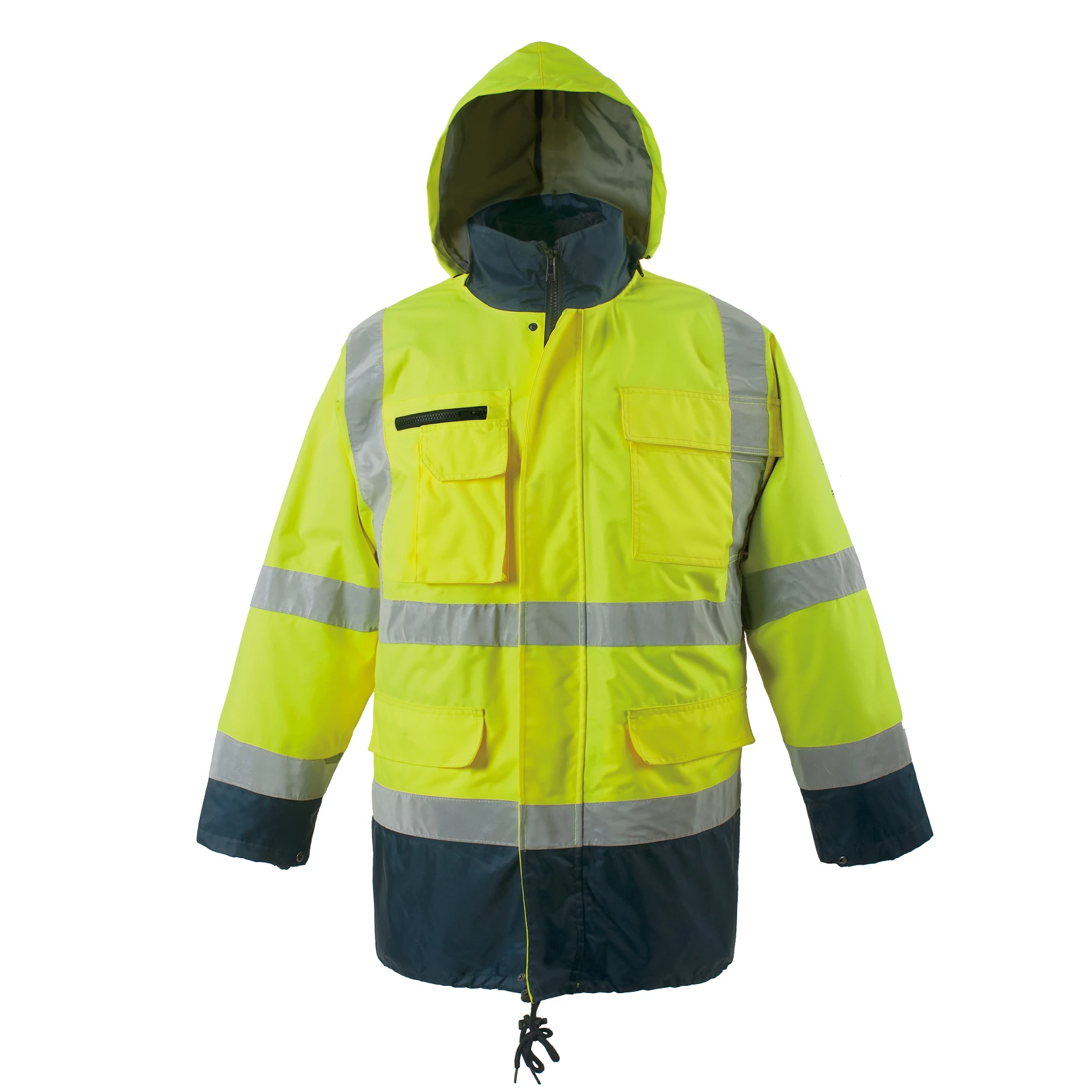
Furthermore, the integration of high-visibility elements is not just a preference but a legal necessity. The prevailing trend in Norway is the shift toward multi-layered systems, where a heavy-duty workwear jacket serves as the primary shield against wind and precipitation while maintaining breathability.
Evolution of Norwegian Technical Workwear

From traditional wool blends to smart-textile integration.

Market Development History

In the late 20th century, Norwegian industrial clothing relied heavily on thick cotton and traditional wool. These materials provided warmth but lacked the chemical resistance and durability required for evolving mechanical tasks.

By the 2010s, the industry transitioned to synthetic blends and Cordura reinforcements. This era saw the rise of specialized mechanic overalls that incorporated knee-pad pockets and reinforced seams to combat the wear and tear of heavy industrial environments.

Today, the focus has shifted toward "Circular Workwear." The modern Norwegian market demands garments produced through sustainable supply chains, utilizing recycled polymers without compromising the structural integrity of the protective gear.

Future Development Trends

Biometric Integration

We anticipate the integration of wearable sensors into garments to monitor worker vitals and fatigue levels, especially for those working in remote Arctic sites.

Nanotechnology Coatings

The next generation of fabrics will utilize nano-coatings to provide superior hydrophobic and oleophobic properties, reducing the weight of the clothing while increasing protection.

Modular Design Systems

A shift toward fully modular apparel where components can be swapped based on the specific risk level of the task, optimizing the utility of every piece of gear.

Future Trends and Strategic Outlook

Navigating the trajectory of textile innovation in Northern Europe.

Eco-Sustainable Materials
Transitioning to 100% biodegradable and recycled fibers to meet Norway's strict environmental goals.
Smart Thermal Regulation
Integrating phase-change materials (PCM) that adapt to the wearer's body temperature in real-time.
Ergonomic Precision Fit
Utilizing 3D body scanning to create garments that reduce musculoskeletal strain for mechanics.
Extreme weather Shielding
Advanced membrane technology providing IP-rated waterproofing while remaining fully breathable.

Industry Outlook

Google search trends for "sustainable workwear" and "weather-proof industrial clothing" have seen a consistent 15% year-over-year increase in the Nordic region. This indicates a fundamental shift in buyer behavior toward longevity and ecological responsibility.

The convergence of the "Right to Repair" movement and industrial clothing means that future designs will focus on reinforced zones that are easily replaceable, extending the lifecycle of the garment and reducing waste.

Localized Application Scenarios in Norway

Real-world deployment of technical apparel across diverse Norwegian industries.

1. Offshore Oil & Gas Platforms

Deployment of flame-retardant workwear clothing designed to resist saltwater corrosion and provide extreme thermal insulation for North Sea operations.

2. Automotive Service Centers in Oslo

Use of specialized mechanic work pants featuring oil-repellent coatings and reinforced knee sections for technicians working on electric vehicle fleets.

3. Infrastructure Projects in the Arctic Circle

Utilization of high-visibility construction clothing that integrates with thermal base layers to ensure worker safety in low-visibility, sub-zero temperatures.

4. Heavy Machinery Maintenance

Implementation of heavy-duty mechanic overalls for technicians servicing forestry and mining equipment, focusing on tear resistance and tool-load capacity.

5. Logistics and Warehouse Operations

Application of lightweight yet durable workwear jacket options that allow for agility during high-paced loading operations in coastal hubs.

Brand Story

Global Development Journey of Hebei Jide Trading Co., Ltd.

Foundational Excellence

Established with a vision to bridge the gap between raw textile manufacturing and high-end industrial application, focusing on durability and safety.

Technical Innovation

Invested in R&D to develop proprietary fabric blends that meet international ISO and EN standards for protective apparel.

Global Market Expansion

Expanded our footprint into Europe, adapting our production lines to meet the specific ergonomic and climatic needs of the Nordic markets.

Sustainability Commitment

Launched a green manufacturing initiative to reduce water consumption and integrate recycled materials into our core product lines.

Industry Leadership

Recognized as a leading partner for global enterprises seeking customized, high-performance workwear solutions that prioritize worker well-being.

Comprehensive Workwear Portfolio for Norway

A curated selection of protective gear engineered for Arctic conditions and industrial rigor.

Norwegian Workwear FAQ

Expert answers to common questions regarding industrial clothing standards in Norway.

What are the safety standards for construction clothing in Norway?

Norwegian construction clothing must comply with EN ISO 20471 for high visibility and often requires specific water-resistance ratings to handle the coastal rain and snow.

How do mechanic overalls handle extreme cold in Nordic winters?

Our overalls utilize multi-layer thermal linings and wind-blocking outer shells to maintain core body temperature without restricting the technician's movement.

Are mechanic work pants reinforced for heavy-duty industrial use?

Yes, they feature triple-stitched seams and Cordura-reinforced panels at the knees and pockets to prevent tearing in abrasive environments.

Can a workwear jacket provide both waterproofing and breathability?

Our jackets utilize advanced microporous membranes that block liquid water from entering while allowing moisture vapor (sweat) to escape.

What is the best material for workwear clothing in rainy coastal regions?

A blend of high-denier polyester with a DWR (Durable Water Repellent) finish is ideal for balancing strength and moisture protection.

How often should industrial workwear be replaced for safety compliance?

Replacement depends on the wear level, but high-visibility gear should be replaced once the reflective properties fade or the fabric sustains significant thinning.

Get Your Custom Industrial Apparel Solution

Partner with the leading textile experts to outfit your workforce in Norway with safety-certified, high-performance gear.

Contact Us Now
images/icon1.png rona@jidecorp.com +8615630198192 Top
wexin
Wechat
tel
email
Top

If you are interested in our products, you can choose to leave your information here, and we will be in touch with you shortly.


If you are interested in our products, you can choose to leave your information here, and we will be in touch with you shortly.


en_USEnglish