
Performance Softshell Jacket: The Industrial Workhorse You Didn’t Know You Needed
Having spent over a decade in the industrial equipment sector, I’ve seen my fair share of workwear evolve—some upgrades just superficial, others game-changers in real terms. One piece that often flies under the radar but truly deserves more attention is the performance softshell jacket. It might seem like just another jacket at first glance, but once you get a feel for it, especially out in the field or at a chilly warehouse, it becomes obvious why many seasoned professionals swear by it.
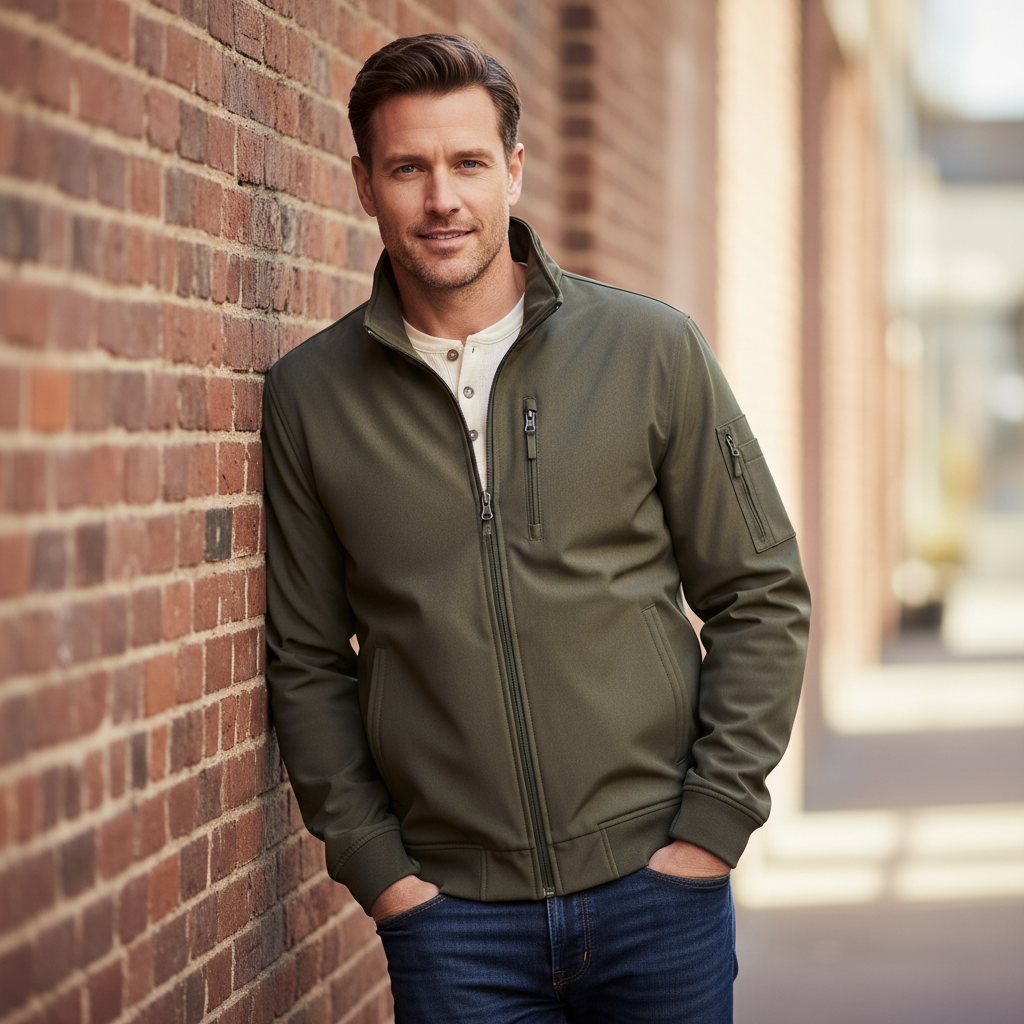
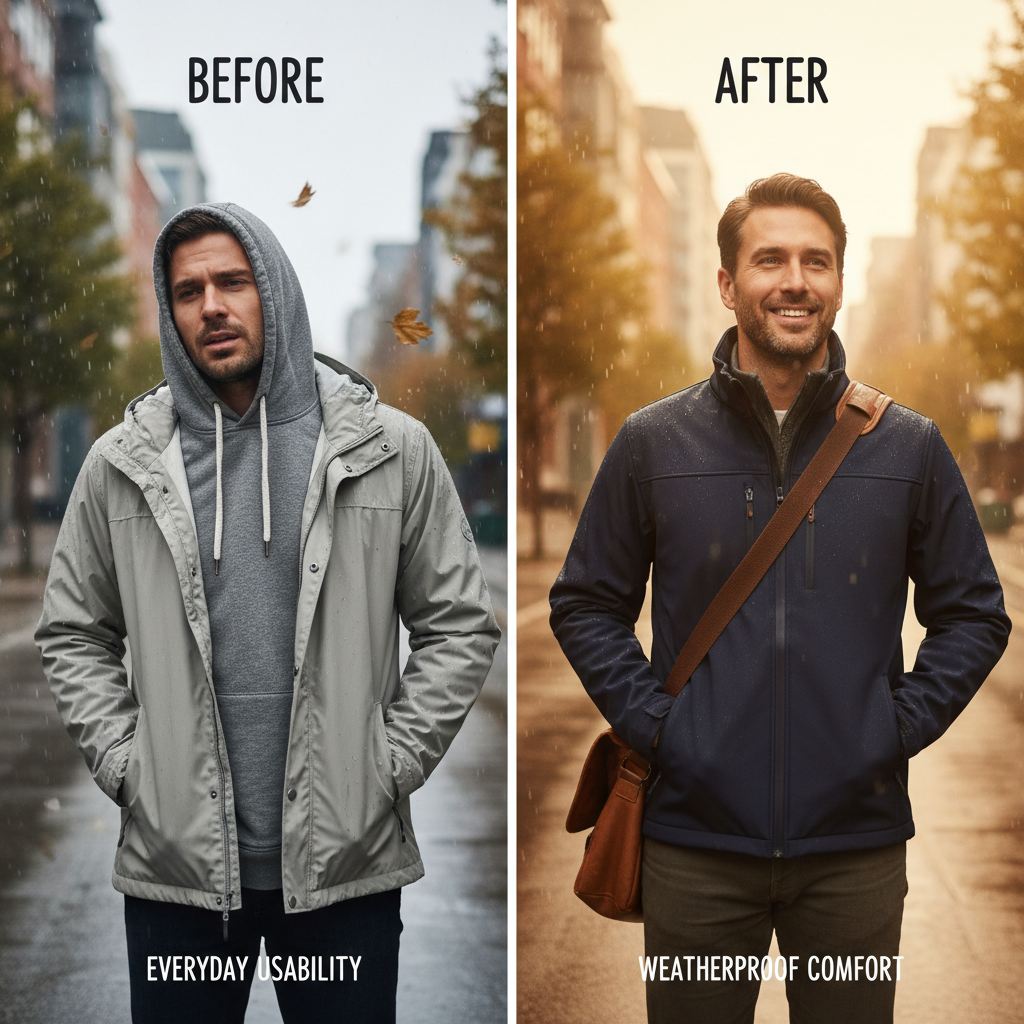
Oddly enough, the demand for softshells in industrial settings has been quietly growing. Unlike heavier insulated coats or traditional hard shells, performance softshell jackets strike a clever balance—breathable, flexible, water-resistant, and surprisingly durable. I remember on one particularly damp morning at a jobsite, a colleague layered up with his softshell, and by midday, he was as dry and comfortable as when he started, even though the rain crept in on us sideways.
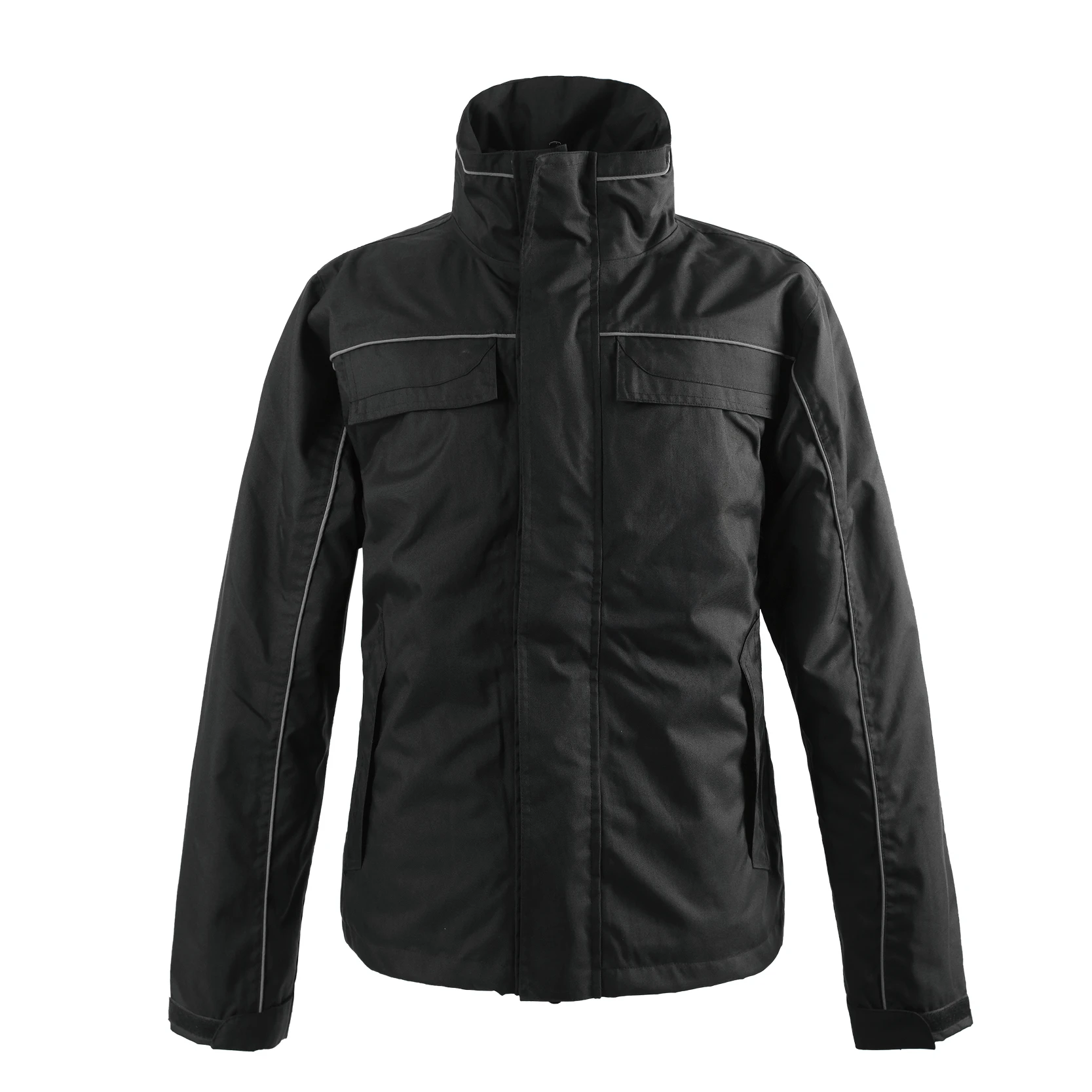
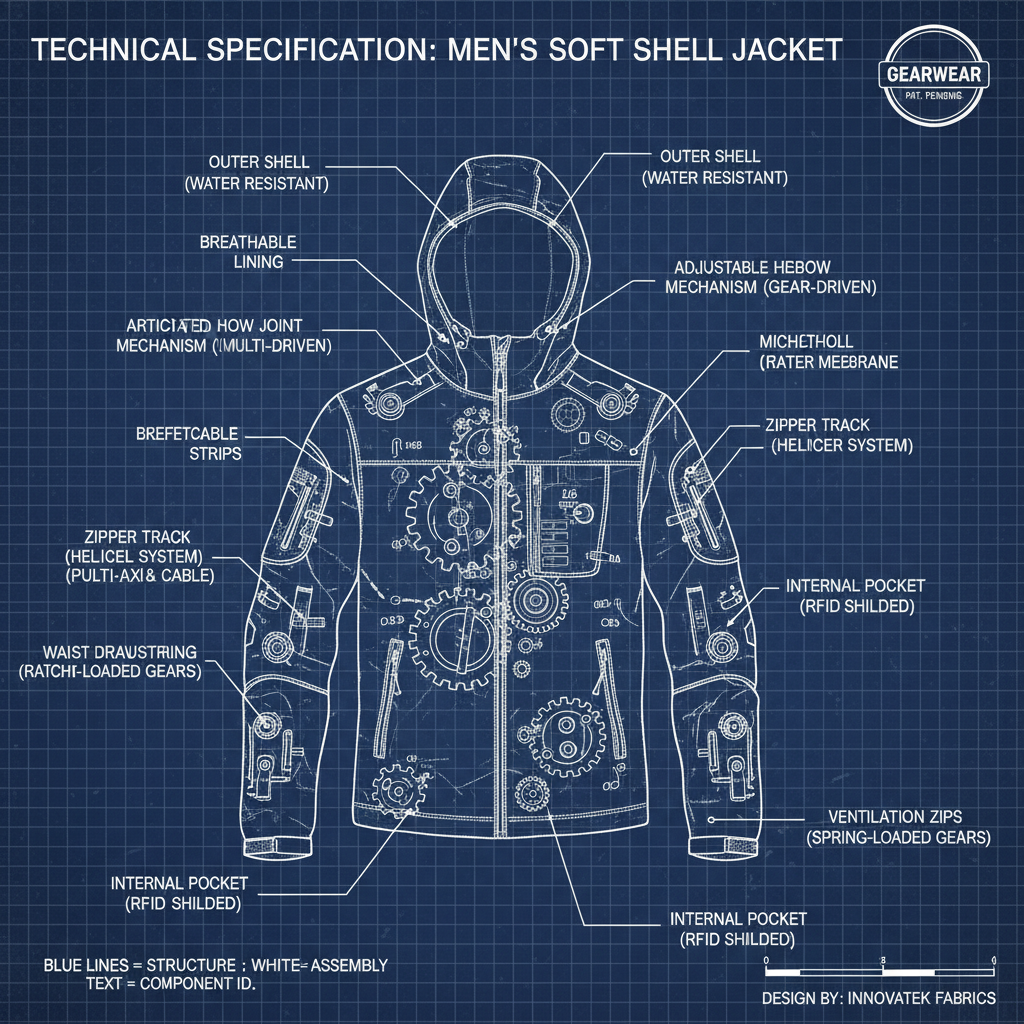
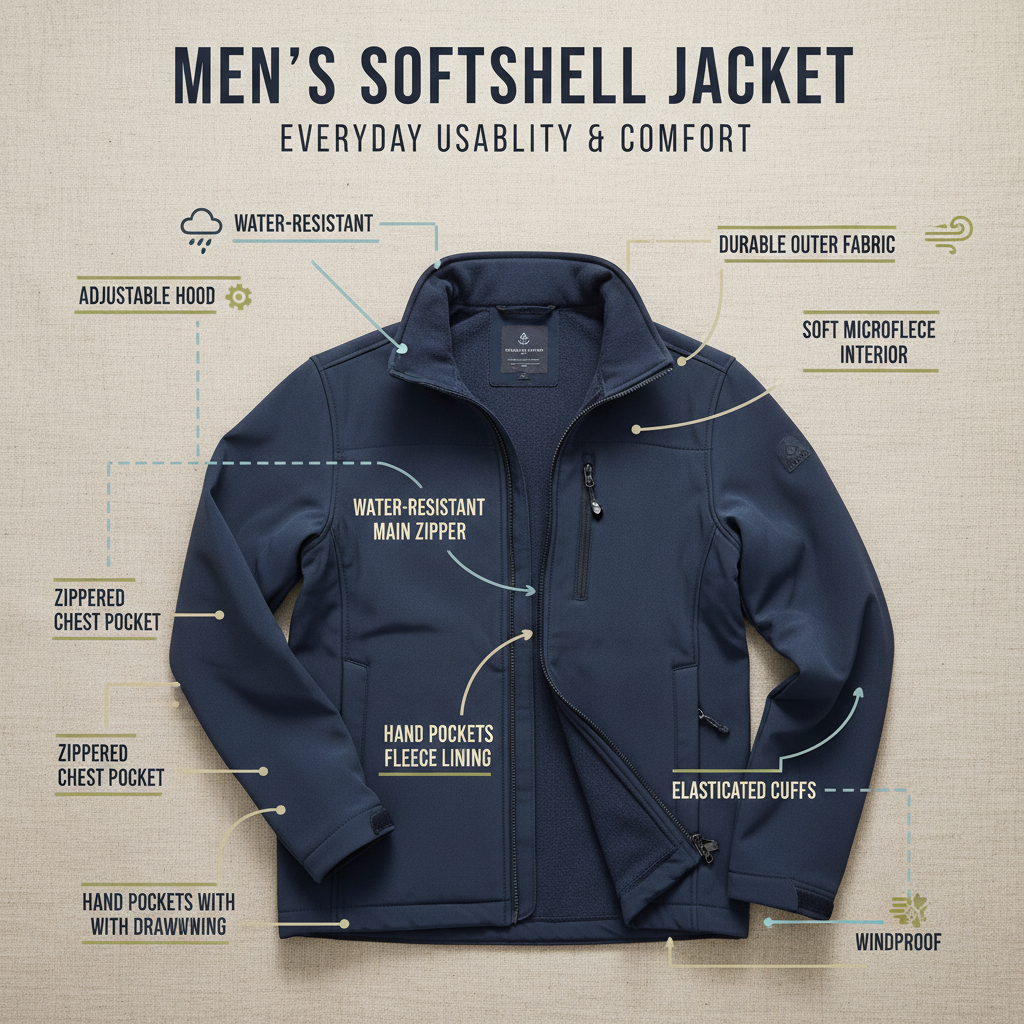
Now, what makes these jackets stand out in an industrial environment? Firstly, the materials. Modern softshells often use a blend of polyester or nylon with a bit of elastane, producing that stretchy, close-fitting feel. The outer fabric typically has a durable water repellent (DWR) treatment that fends off drizzle and light rain. Inside, a microfleece lining adds comfort and insulation without bulk—perfect for maintaining agile movement during physically demanding tasks.
Testing is another big piece of the puzzle. The best performance softshell jackets don’t just pass the usual industry checks but often undergo abrasion resistance tests, windproof assessments, and breathability trials. At times, I’ve had the chance to see jackets endure rough handling on industrial machinery or in warehouses. The fabric holds up remarkably well, resisting snags and tears where cheaper alternatives might fail.
| Specification | Details |
|---|---|
| Material | Polyester/Nylon blend with elastane |
| Water Resistance | Durable Water Repellent (DWR) coating |
| Breathability | High; microfleece interior for insulation |
| Weight | Light to medium (400-600 grams) |
| Durability | Abrasion resistant, reinforced stitching |
| Fit | Ergonomic stretch fit, allows full range of motion |
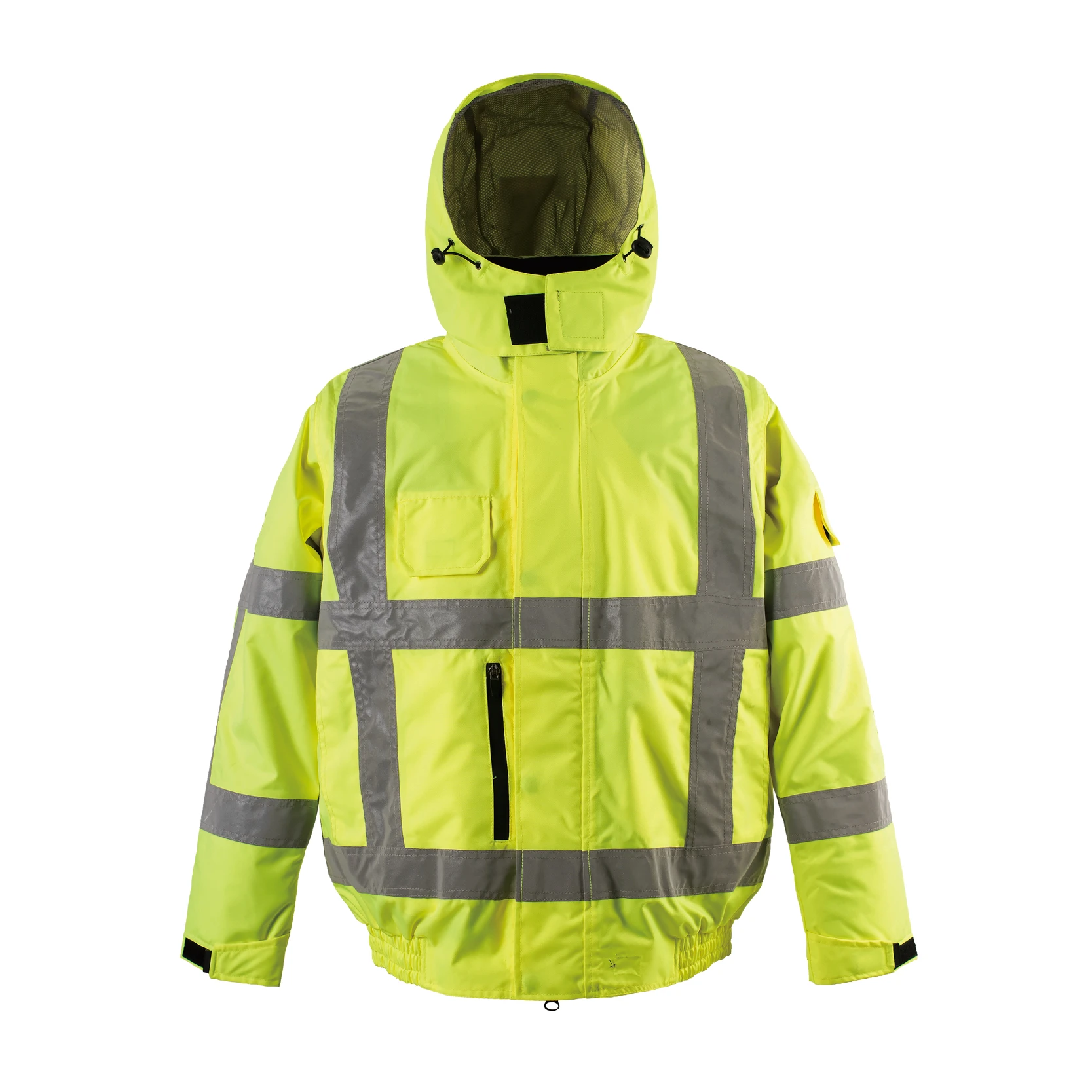
| Customization | Options for logos, high viz trims, extra pockets |
Customization options particularly catch the eye for big companies wanting brand consistency on their workwear. Adding reflective strips or company logos is a small touch but goes a long way for safety and professionalism. And speaking of safety—the softshell jacket’s wind resistance is a subtle feature that’s easy to overlook but majorly welcome when working outdoors in blustery conditions.
Now, let’s talk vendors because, frankly, not all jackets are created equal. I’ve encountered brands that tout the same “performance softshell” name but differ wildly in quality, fit, and price. I put together a quick comparison for a clearer picture:
| Feature | Jide Garment | Competitor A | Competitor B |
|---|---|---|---|
| Material Quality | Premium polyester/nylon blend | Standard polyester | High-grade nylon, less stretch |
| DWR Effectiveness | Excellent, long-lasting | Good, wears off quicker | Moderate |
| Breathability | High (microfleece lining) | Medium (standard lining) | Low (heavier insulation) |
| Customization Options | Full (logos, colors, trims) | Limited | None |
| Price | Mid-range | Low | Premium |
Jide Garment, for example, strikes a neat balance between price and performance, making it a favored choice for many sites I've worked on. The material quality and DWR coating particularly stood out during long-term tests—one engineer remarked his softshell still performed after months of near-daily wear without any noticeable fading or pilling.
What surprises newcomers most is how versatile these jackets are. Whether you’re on scaffolding, doing machinery maintenance, or just moving between indoor workshops and outdoor yards, they adapt well. I’ve personally seen workers layering these under high-visibility outerwear in winter, while in milder weather, the softshell alone sufficed for comfort and function.
At the end of the day, investing in a solid performance softshell jacket isn’t just about warm clothing—it’s about smarter workwear that matches the unpredictable, demanding nature of industrial jobs. To me, it feels like a small upgrade in gear that pays for itself many times over in comfort, safety, and utility.
Takeaway: If you’re still stocking traditional bulky work jackets, maybe it’s time for a rethink. Performance softshells bring a subtle but meaningful difference to the daily grind.
- Industrial Workwear Trends Report, 2023
- Textile Testing Standards, ASTM International
- Field observations & interviews with site engineers, 2022-2023