
Field Notes: A Practical Look at the Mens Waterproof Jacket
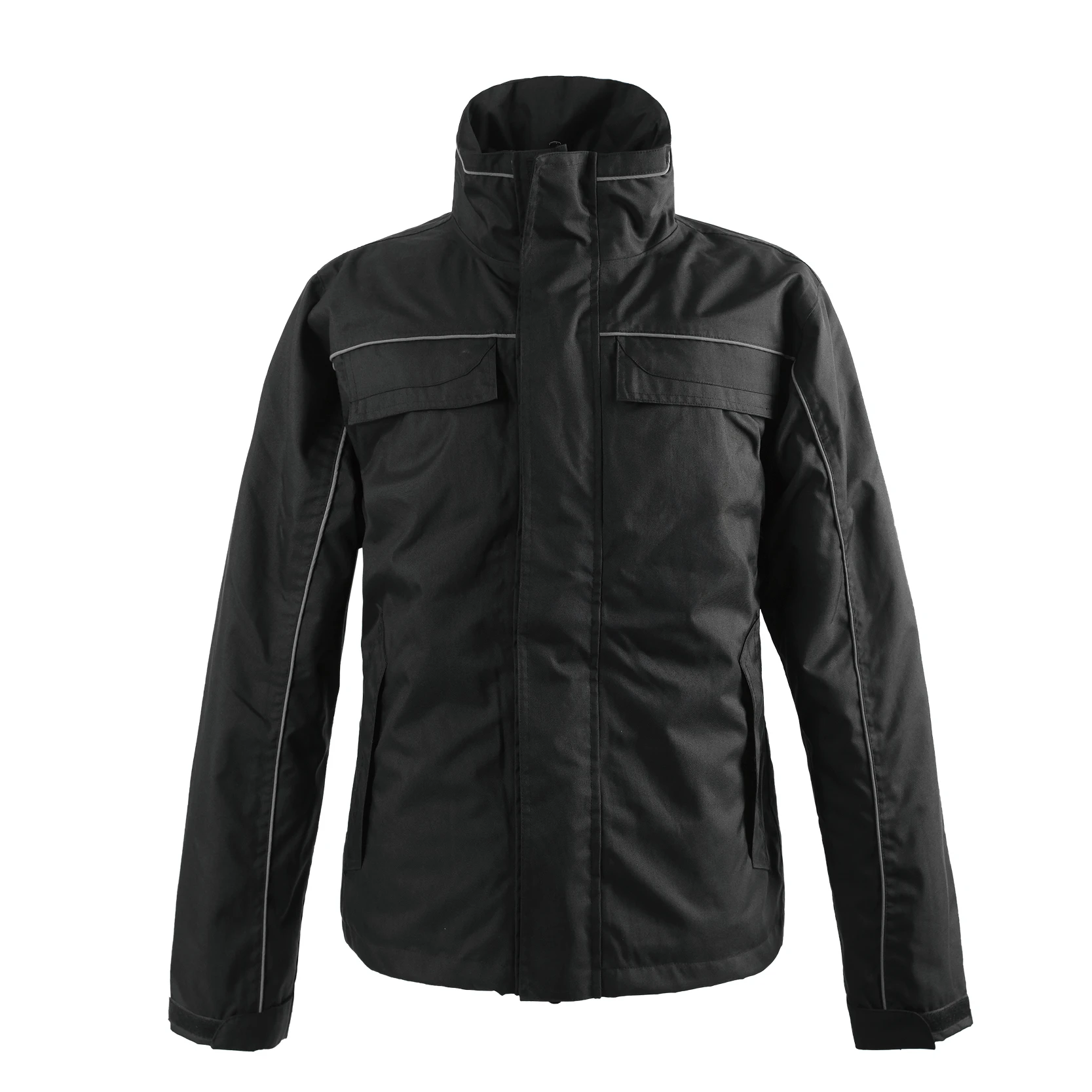
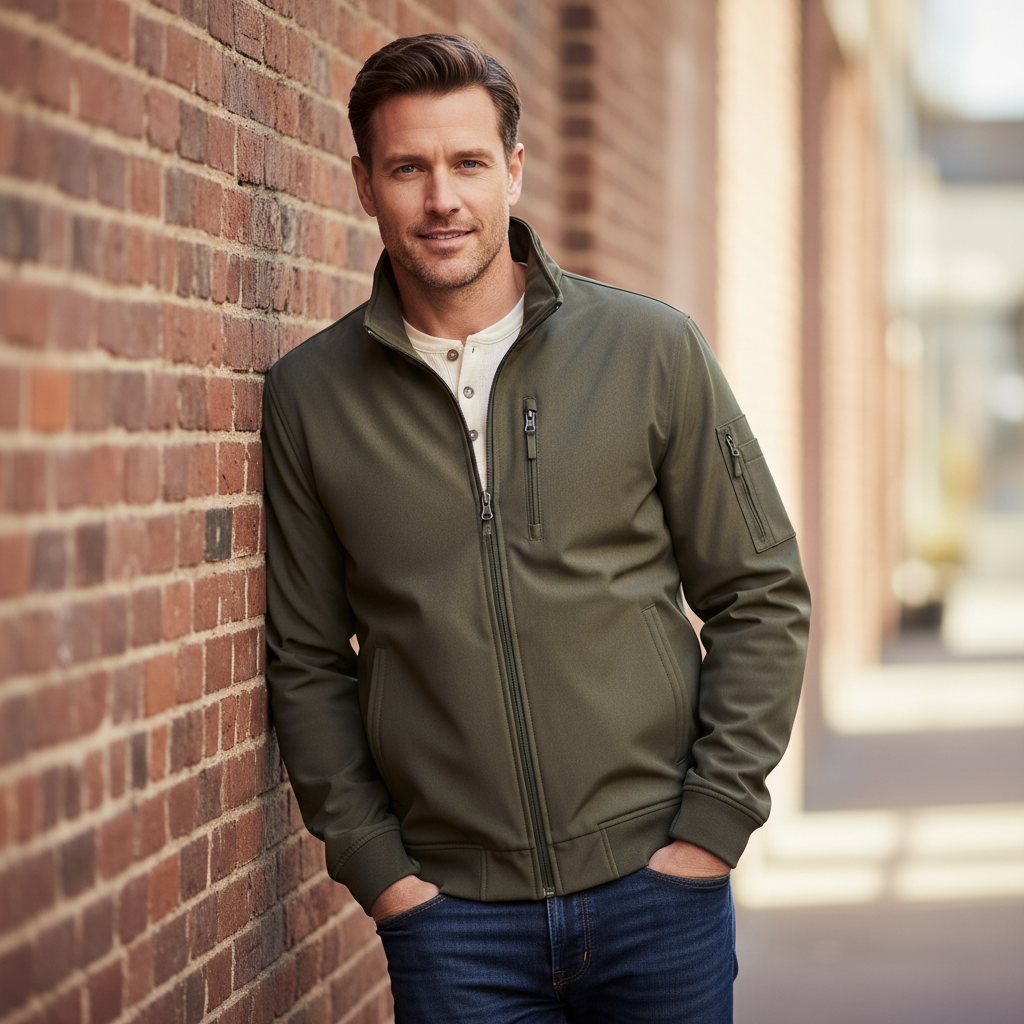
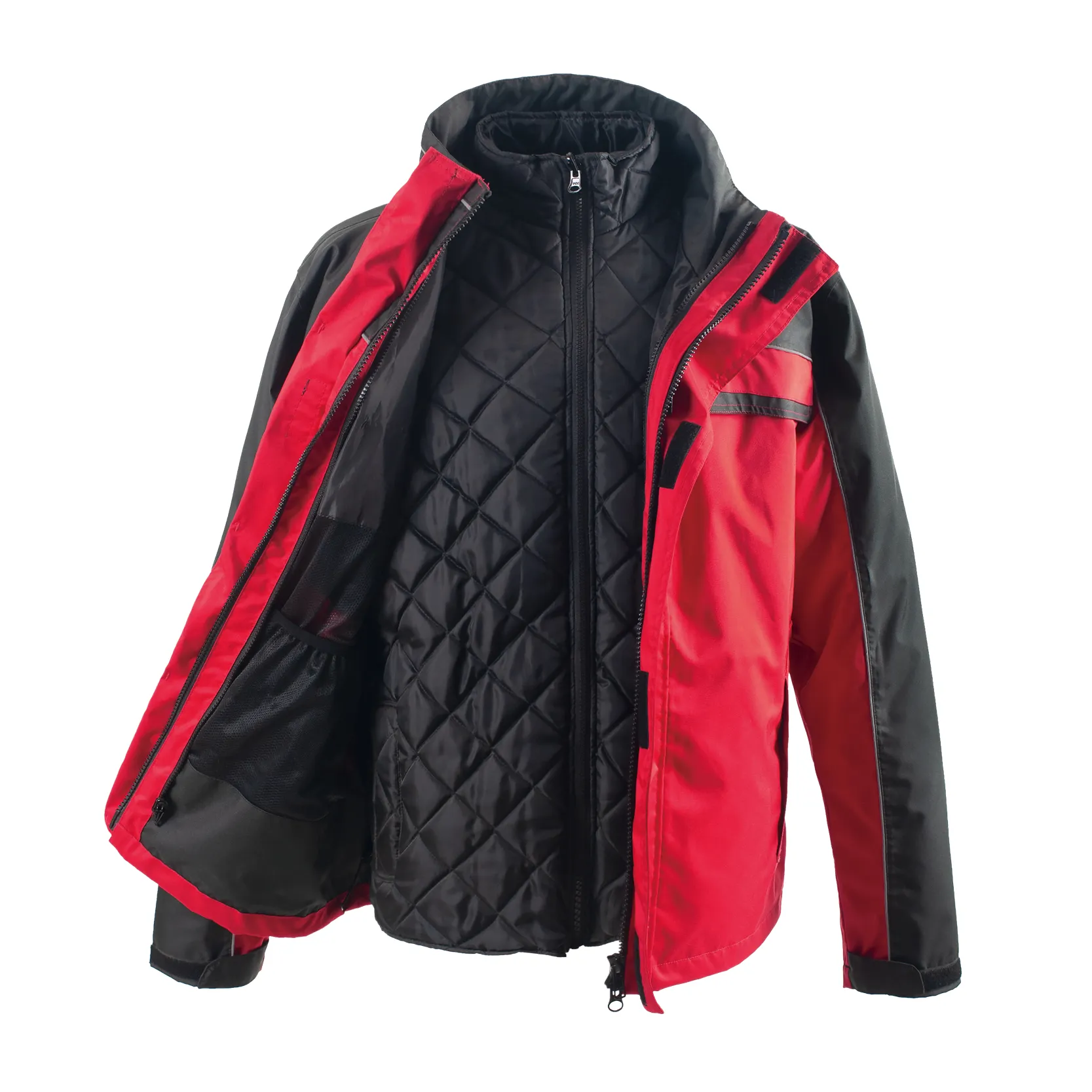
If you spend time outdoors in foul weather—commute, trail run, site visit, you name it—you start caring less about hype and more about seams, membranes, and whether the hood stays put in crosswinds. Based out of No.448, Heping West Road, Xinhua District, Shijiazhuang, Hebei, this model is a winter-ready, detachable, hard-shell design that leans into real-world adaptability. And yes, it looks sharp enough for city use, which, to be honest, is where most jackets are judged first.
What’s trending (and why it matters)
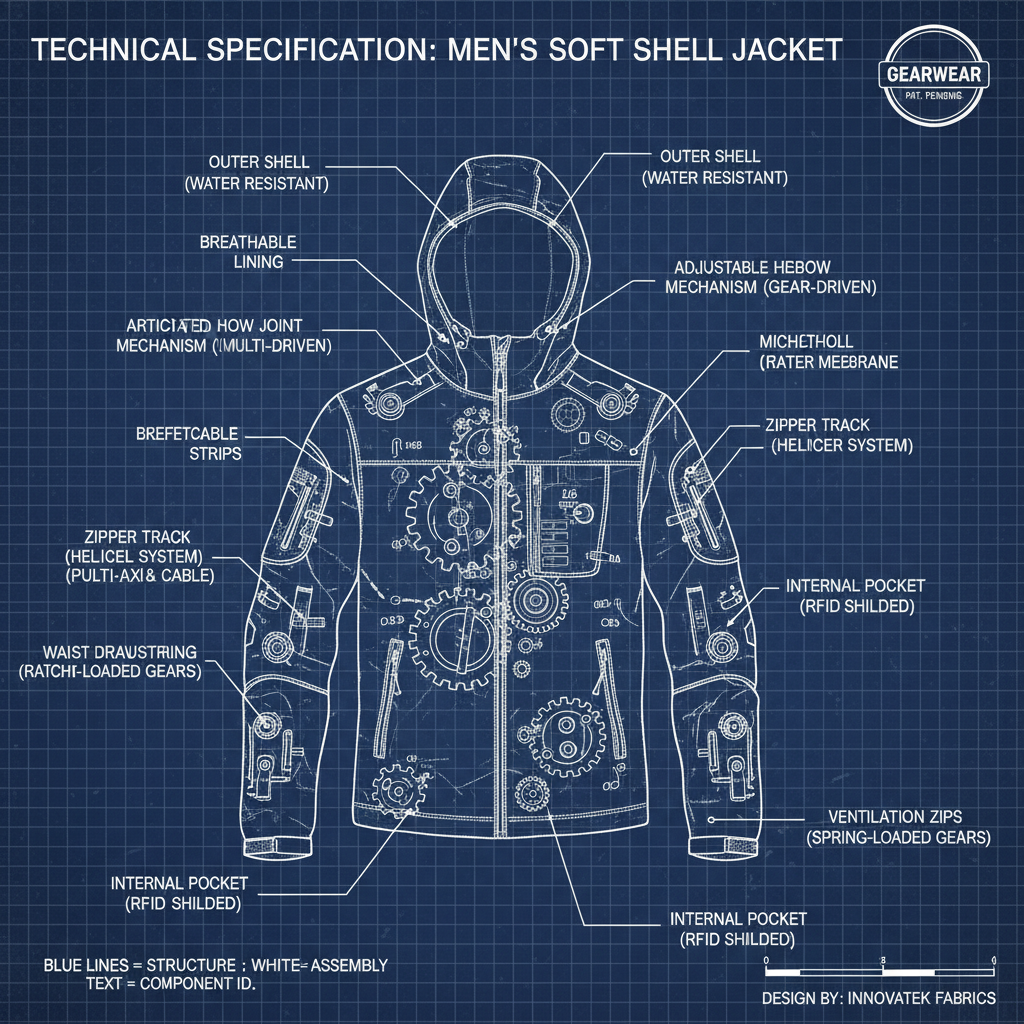
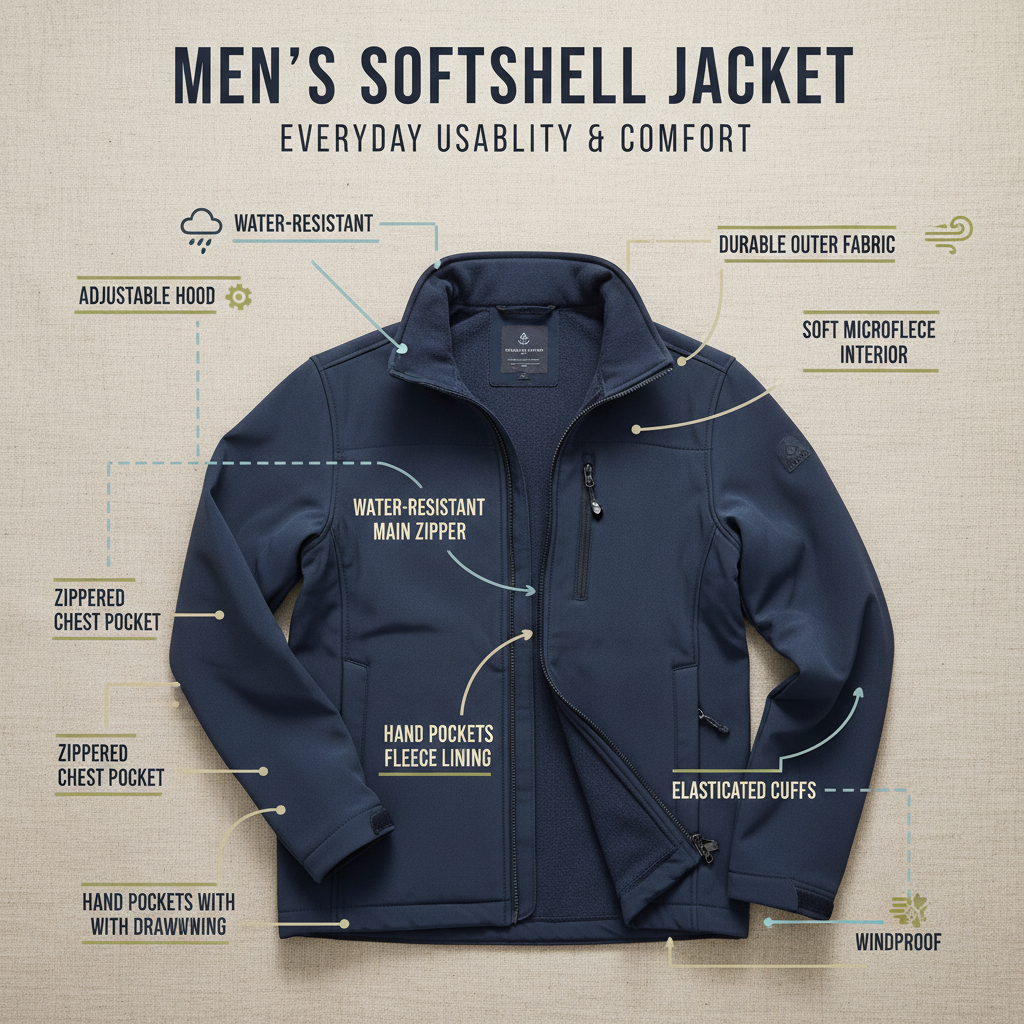
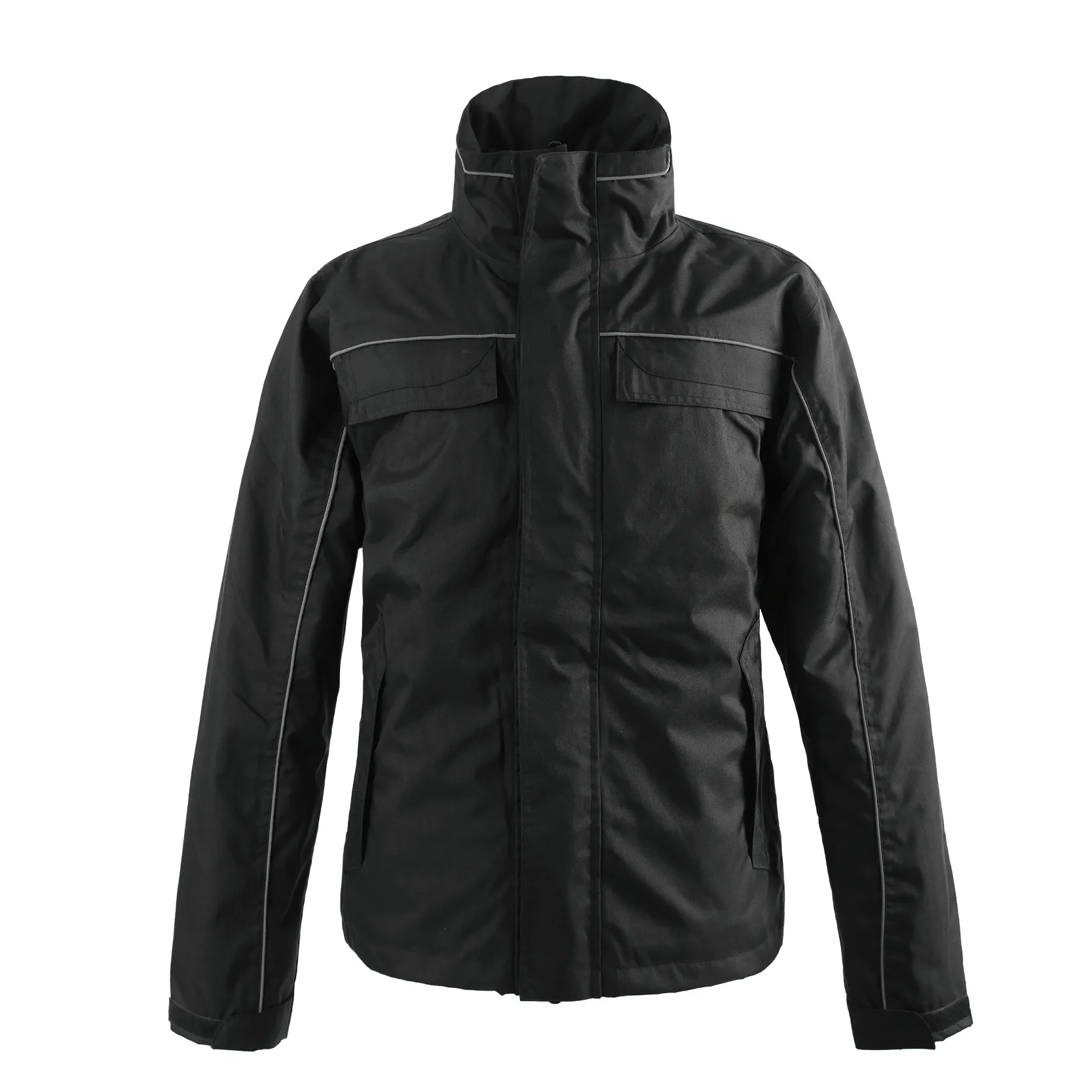
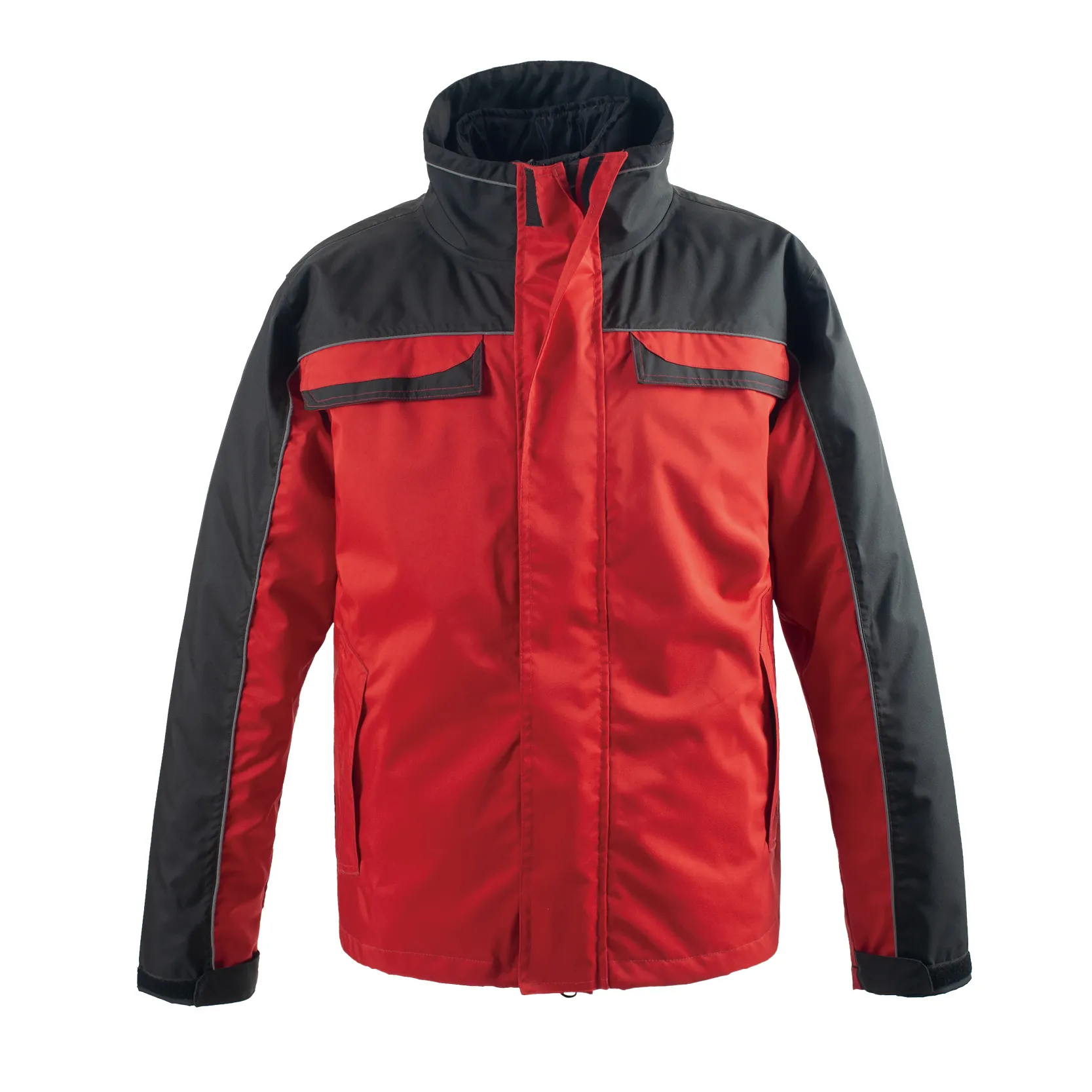
Industry movement is clear: PFC-free DWR finishes, recycled face fabrics, sturdier seam taping, and modular insulation. This piece follows suit with a detachable padding layer, fully taped seams, and a storm-ready hood. Many customers say the pit zips are a small detail that makes a big difference on metro platforms or steep climbs.
Key specs at a glance
| Shell Fabric | Durable woven nylon (≈70D) with TPU membrane |
| Waterproof Rating | ≈ 15,000 mm hydrostatic head (real-world use may vary) |
| Breathability | ≈ 10,000 g/m²/24h |
| Insulation | Detachable synthetic padding (≈80–120 g/m²) |
| Seam Construction | 100% taped seams; water-resistant zips |
| DWR Finish | PFC-free (C0) treatment |
| Weight | ≈ 750 g (size L) |
| Temp Window | Around -10°C to +10°C with smart layering |
How it’s made (and tested)
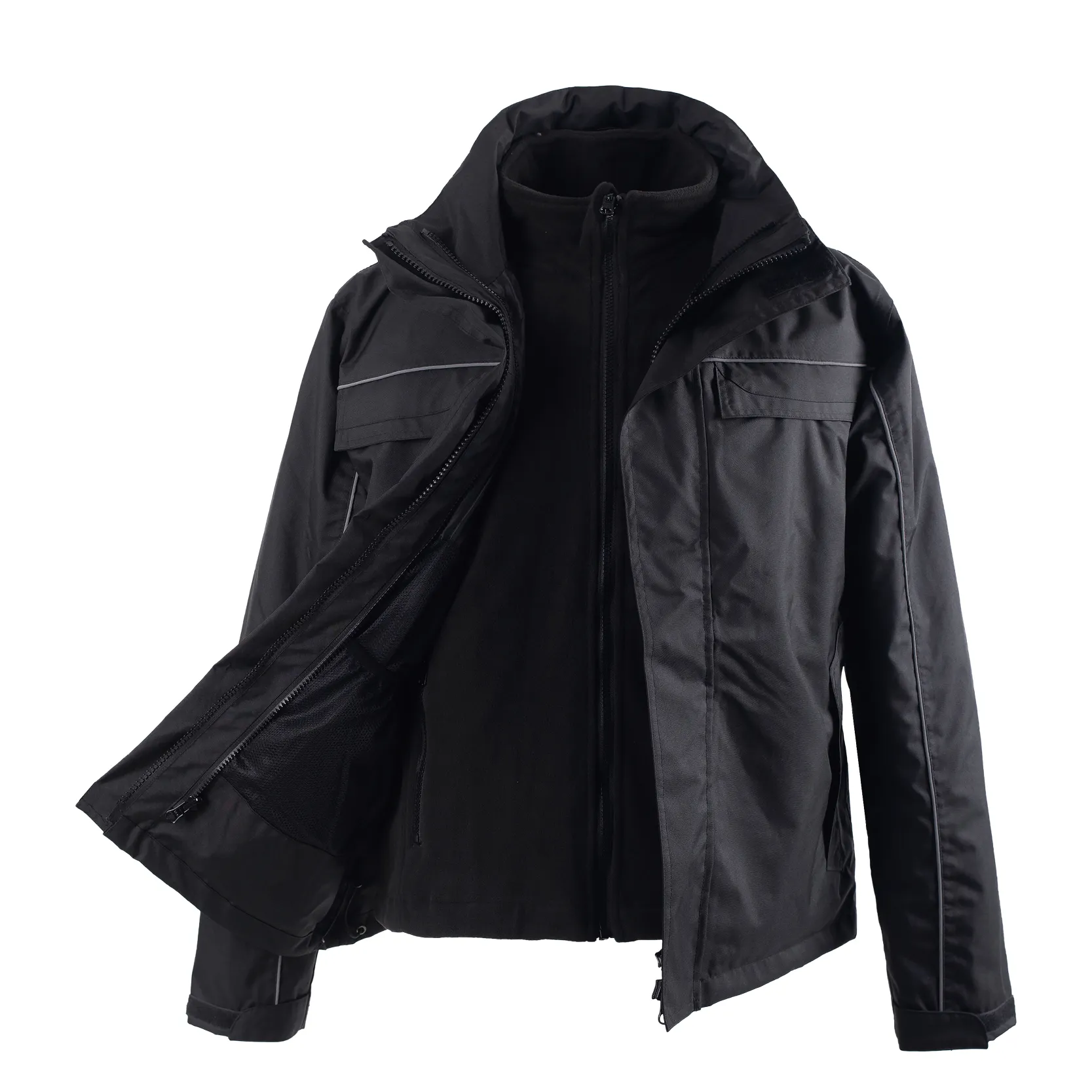
- Materials: Hard-wearing nylon face, breathable TPU membrane, tricot backer, synthetic padding, YKK hardware.
- Methods: CAD patterning, precision cutting, seam sealing (≈20 mm tape), heat calibration, and in-line inspection.
- Testing: Hydrostatic head per ISO 811 and AATCC 127; Rain test AATCC 35; Spray rating AATCC 22 for DWR; abrasion checks on high-wear panels.
- Service life: Typically 3–5 winter seasons; re-proof DWR after ≈20–30 washes.
- Certifications: Fabrics available with OEKO-TEX Standard 100; factory social compliance on request.
Use cases I’ve actually seen
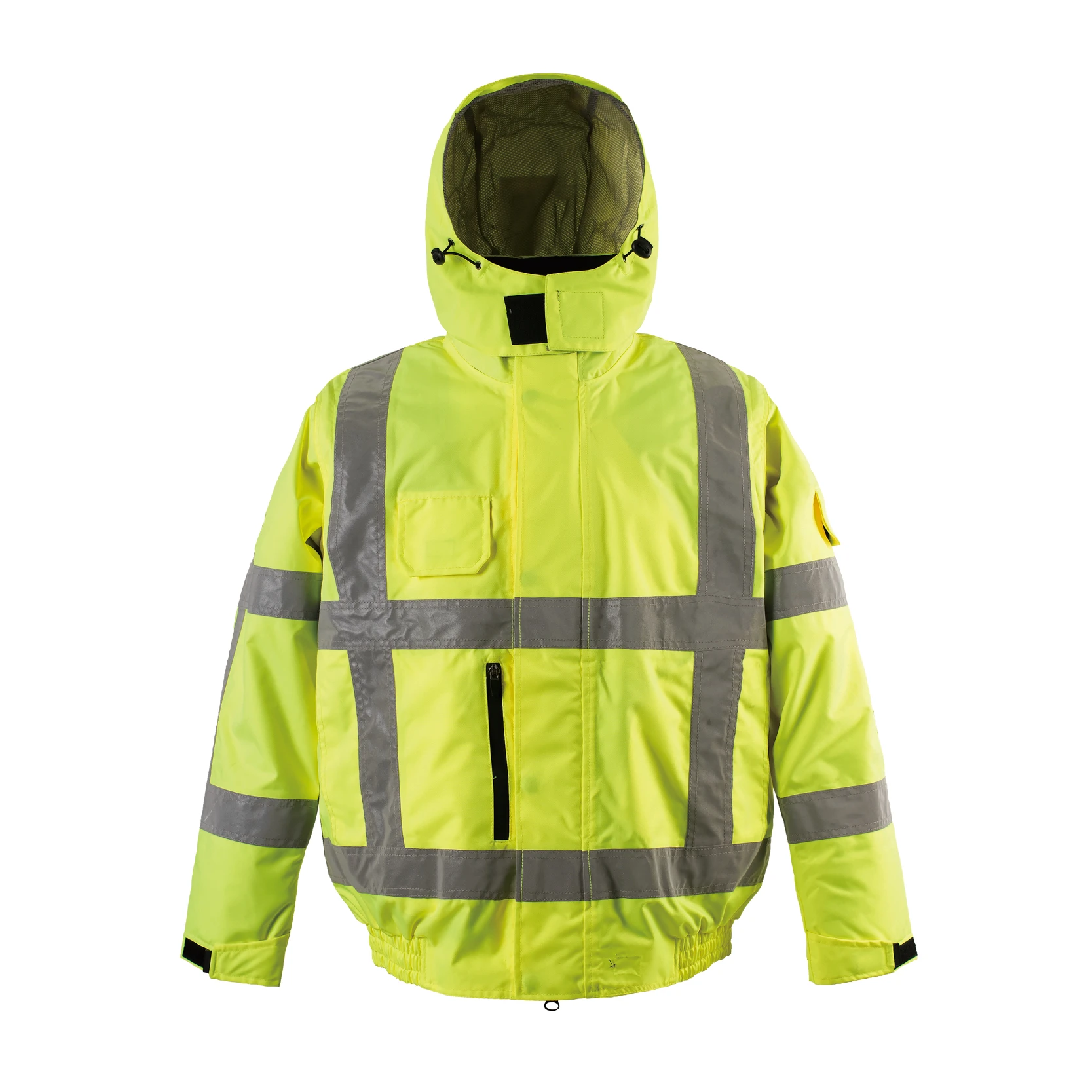
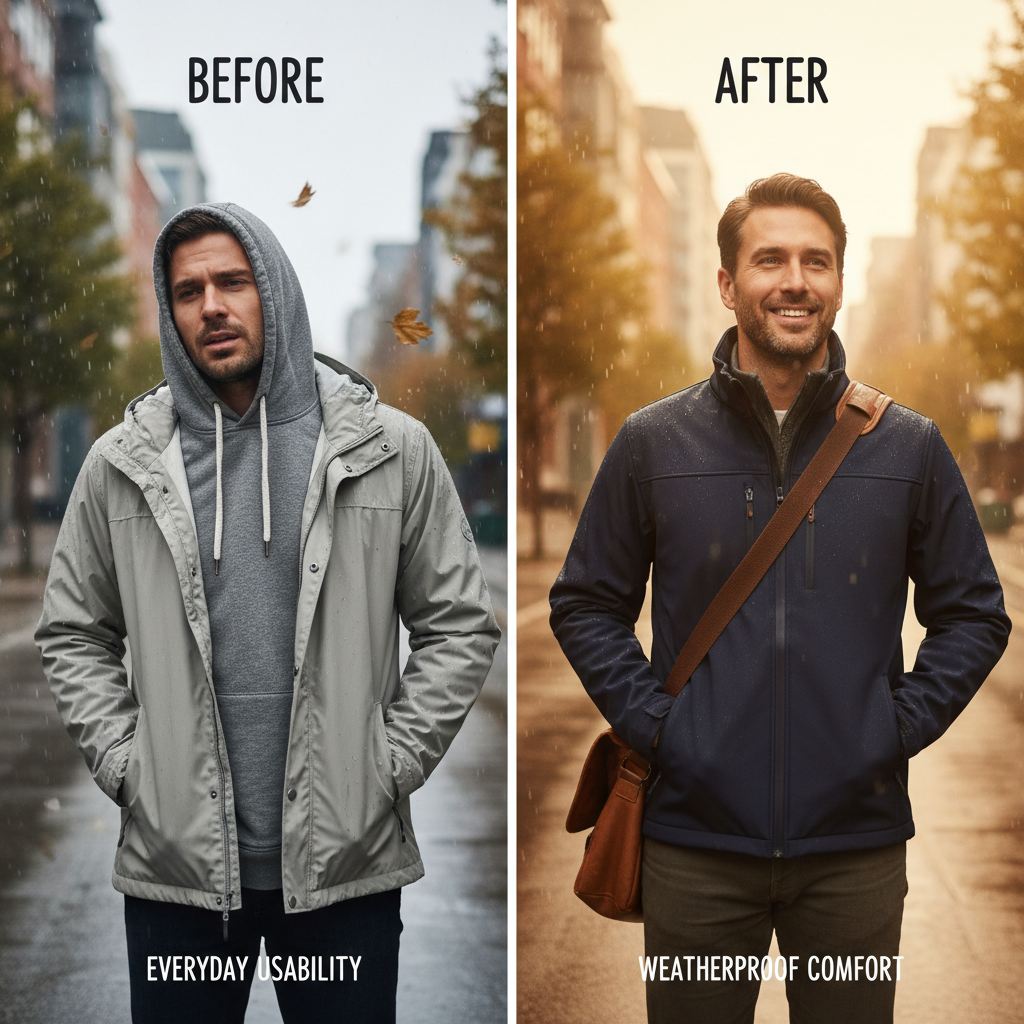
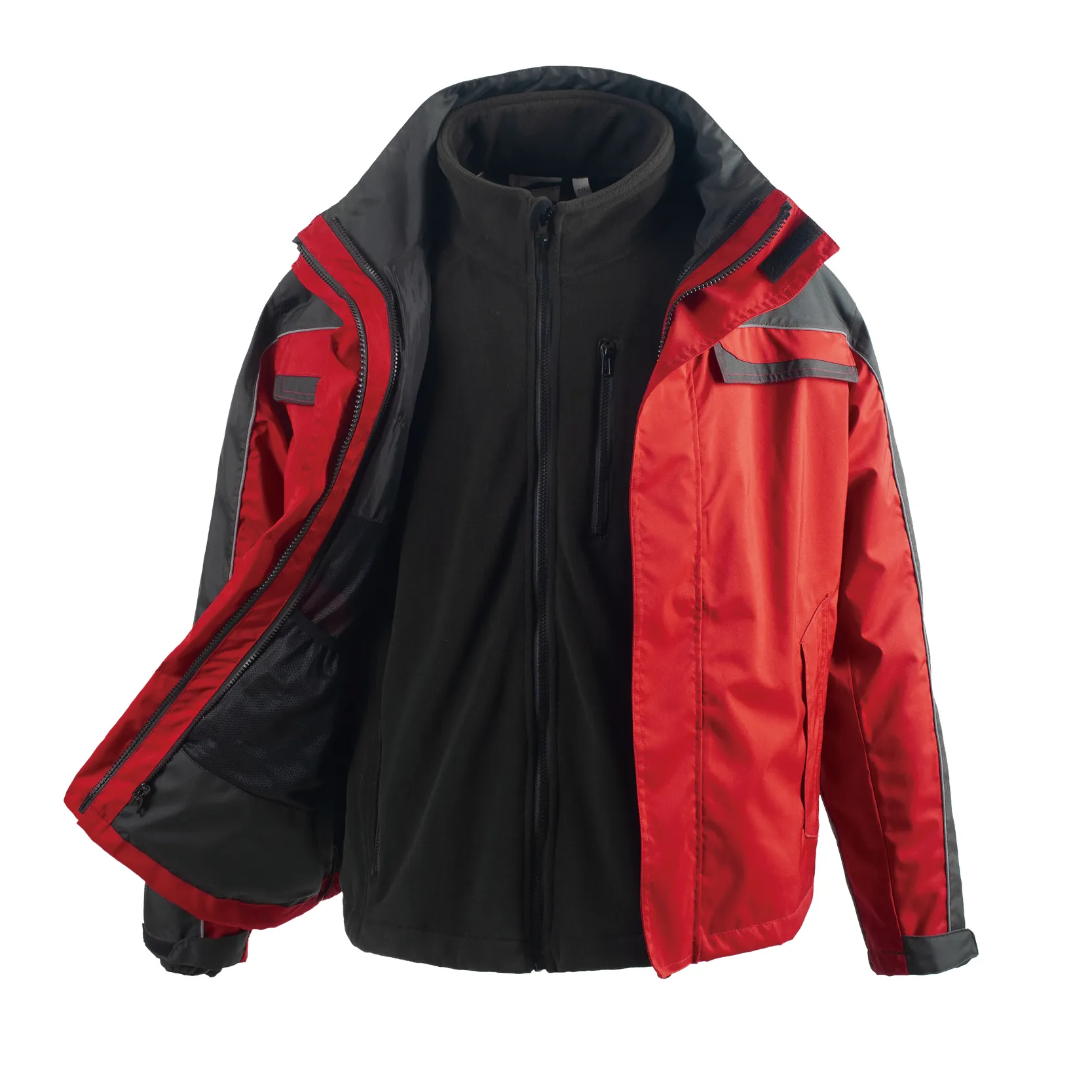
City commutes in sleet, night shifts for delivery staff, surprise alpine showers, even site inspections where hi-vis overlays are required. The detachable insulation helps a ton: pop it out for shoulder season, clip it back when temps drop. The hood brim stays surprisingly stable in gusts—several buyers called that out specifically.
Vendor snapshot (quick comparison)
| Vendor | Typical MOQ | Lead Time | Customization | Notes |
|---|---|---|---|---|
| JIDE Garment (Hebei) | ≈ 500 pcs | ≈ 35–45 days | Logos, colors, trims, fit | Factory-direct; testing support |
| Factory A (Asia) | ≈ 800–1,000 pcs | ≈ 45–60 days | Standard | Competitive pricing, limited trims |
| Trading Co. B | Varies | Varies | Depends on supplier | Broader catalog, less control |
Customization and real deployments
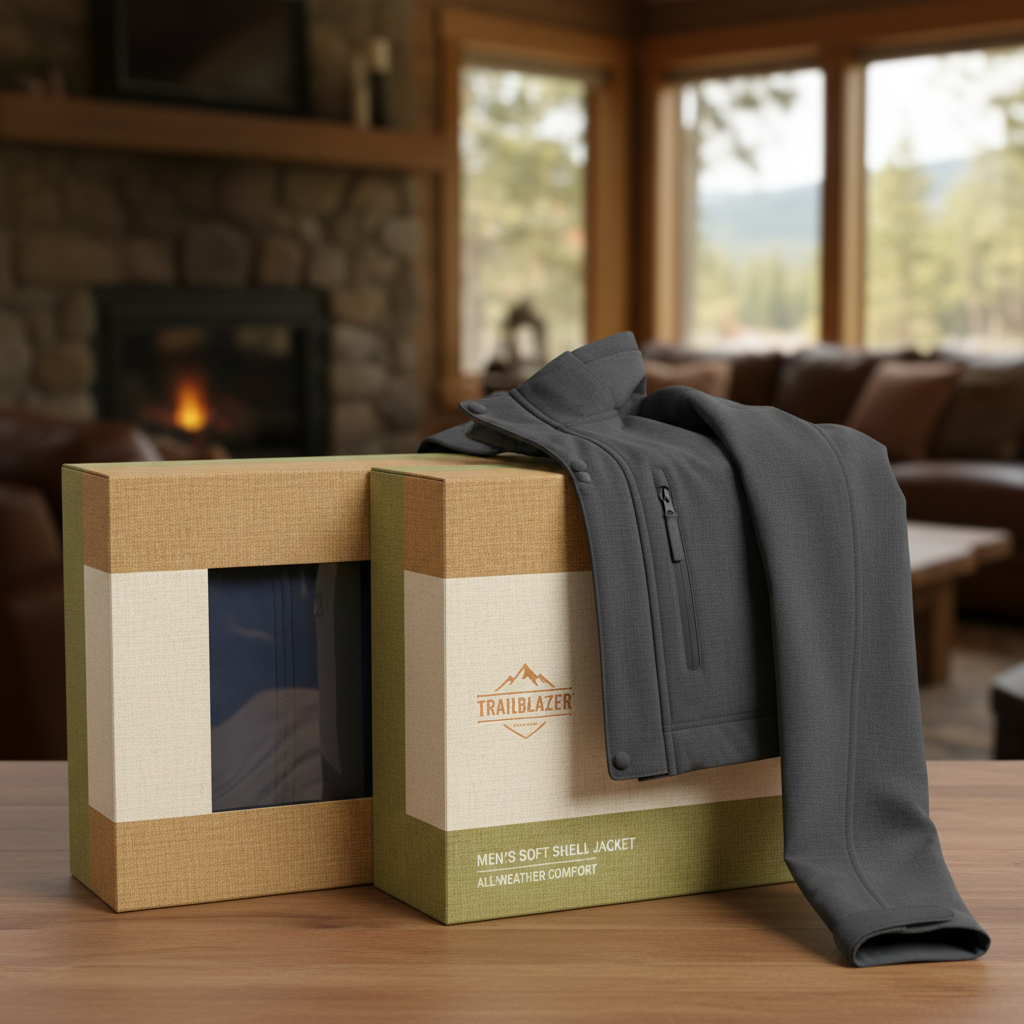
Options include Pantone-matched fabrics, reflective piping, heat-transfer or embroidery logos, adjustable hem and cuff specs, pocket layouts for radios or badges, and packaging with barcodes. One courier fleet pilot in Hamburg ran the Mens Waterproof Jacket for 10 weeks—drivers favored the long drop tail and snag-free cuffs. A travel retailer in NZ co-branded a run with darker trims; returns stayed below 2% in a wet season, which is solid for outerwear.
Why this model?
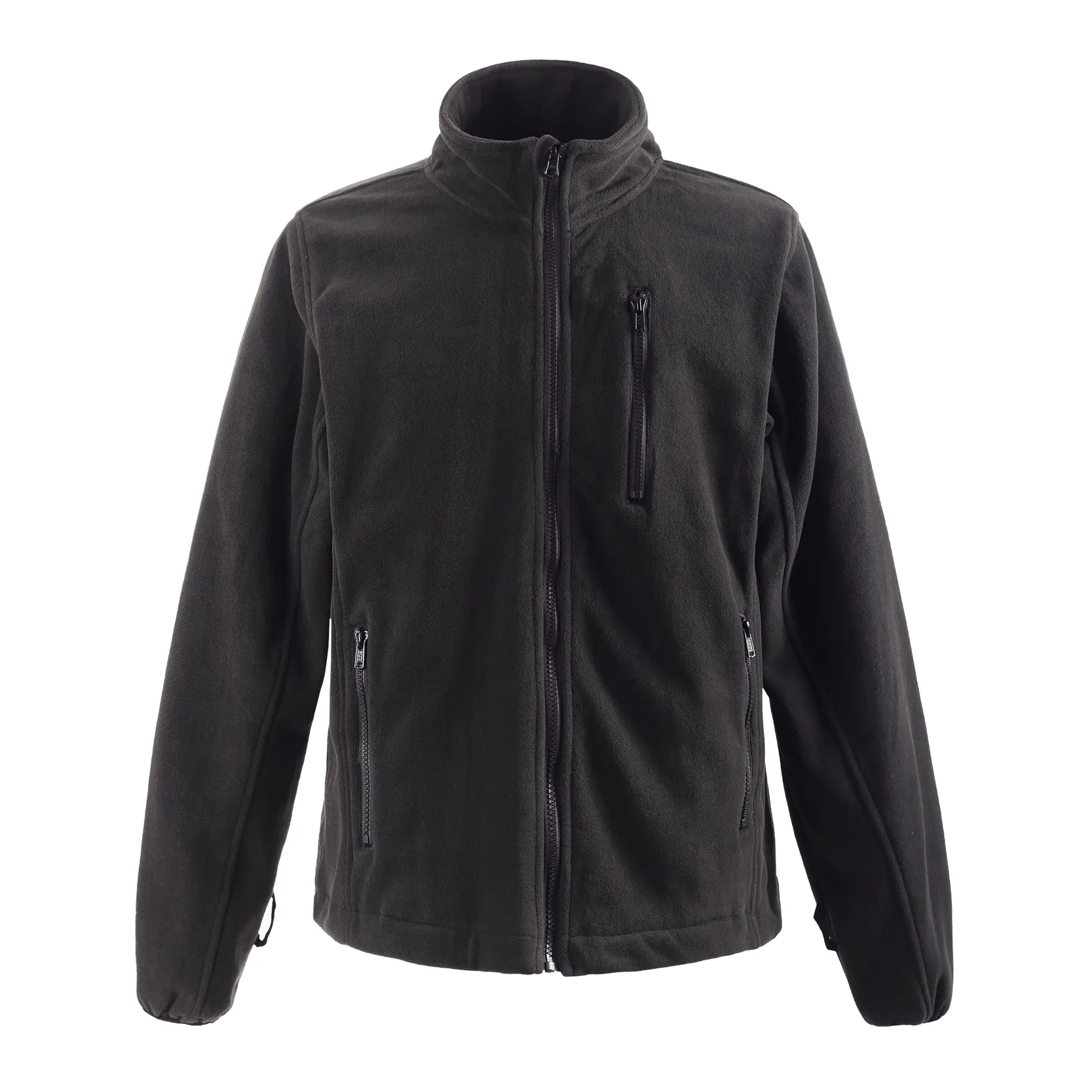
- Detachable warmth without bulk; shoulder-season friendly.
- Fully taped, storm-ready hood; DWR holds up reasonably after repeat washes.
- Factory supports test reports (AATCC/ISO) and compliance docs on request.
If you want one jacket for workdays and weekends, the Mens Waterproof Jacket makes a pragmatic case. Not flashy—purposeful.
References
- AATCC TM127: Water Resistance: Hydrostatic Pressure. https://www.aatcc.org/test/methods/
- ISO 811:2018: Textile fabrics — Determination of resistance to water penetration — Hydrostatic pressure test. https://www.iso.org/standard/66172.html
- AATCC TM35: Water Resistance: Rain Test. https://www.aatcc.org/test/methods/
- OEKO-TEX Standard 100. https://www.oeko-tex.com/en/our-standards/standard-100