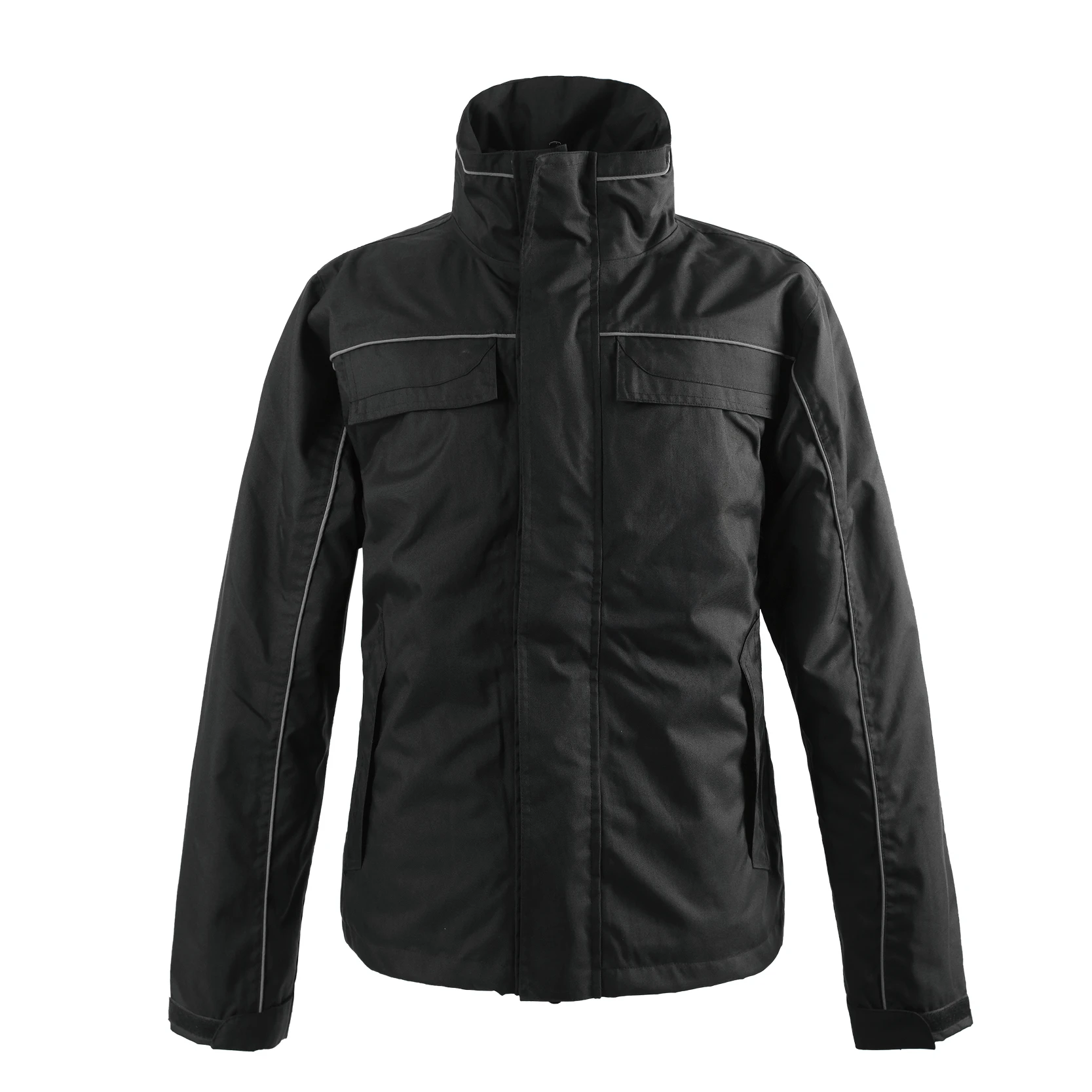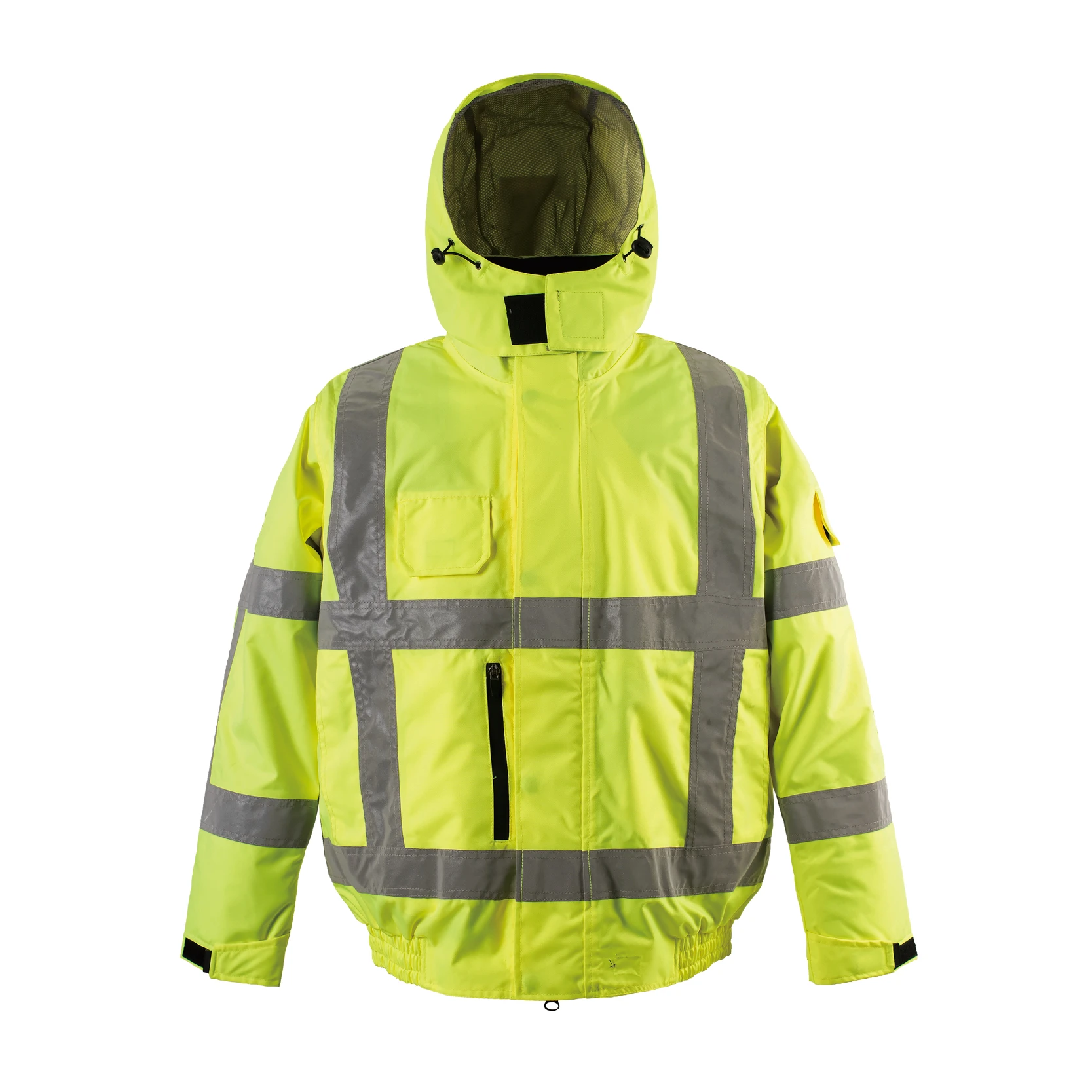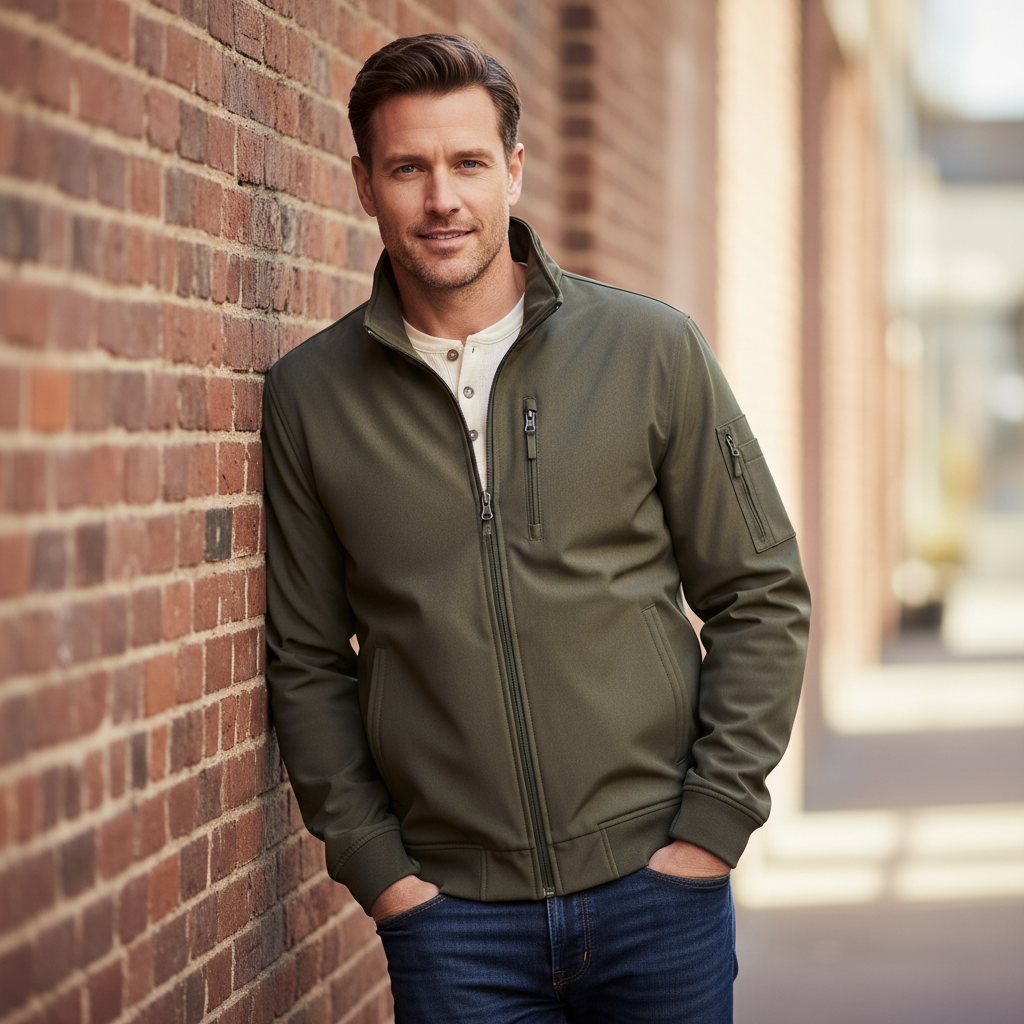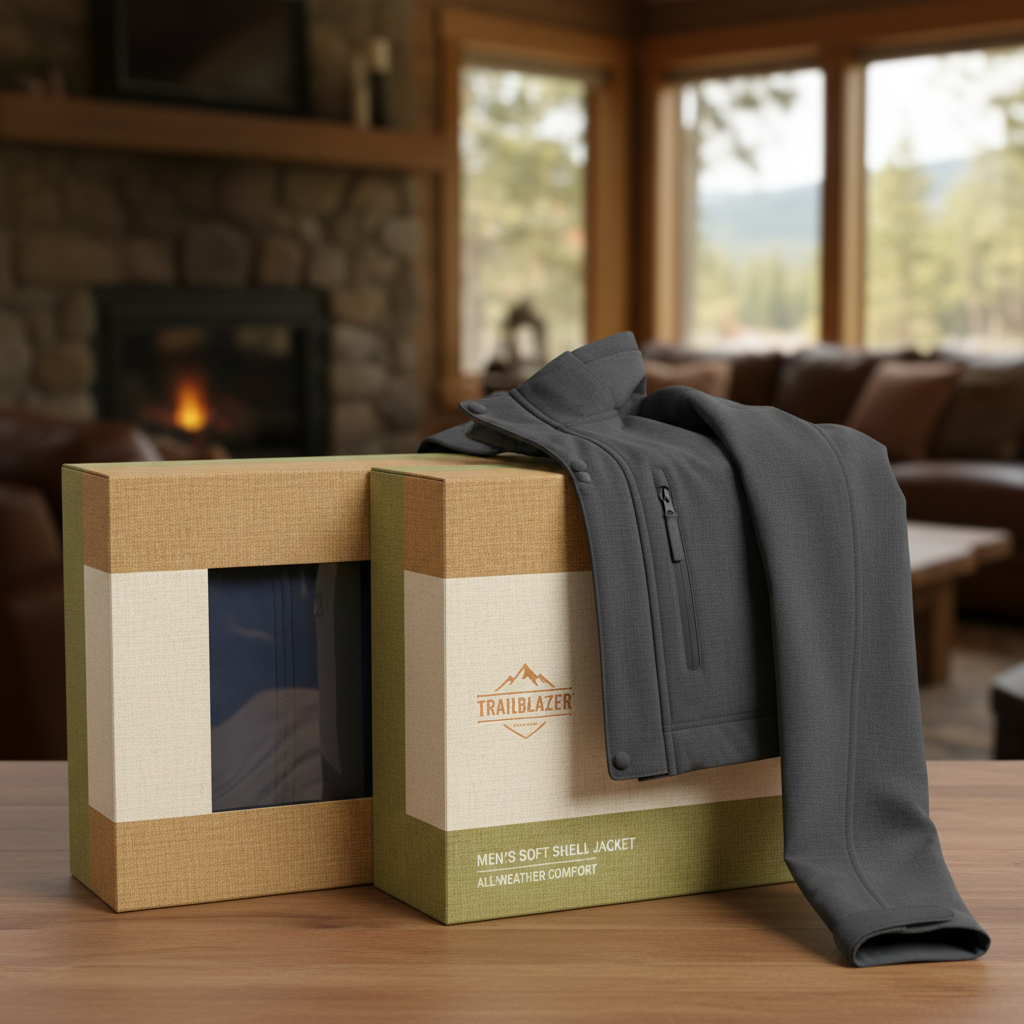
Mens Hard Shell: field-tested weather armor with soft-shell comfort
Origin: No.448, Heping West Road, Xinhua District, Shijiazhuang City, Hebei Province, China
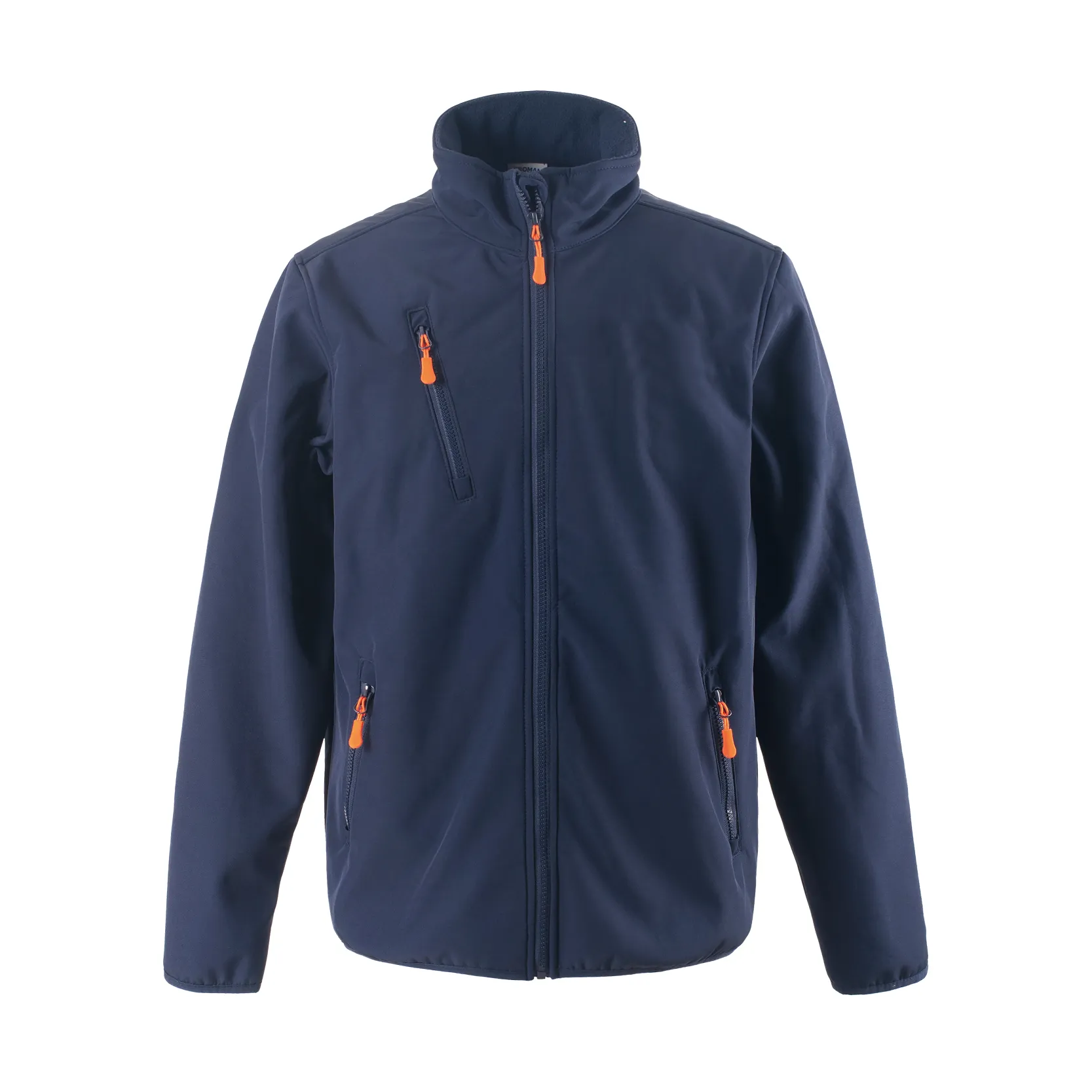
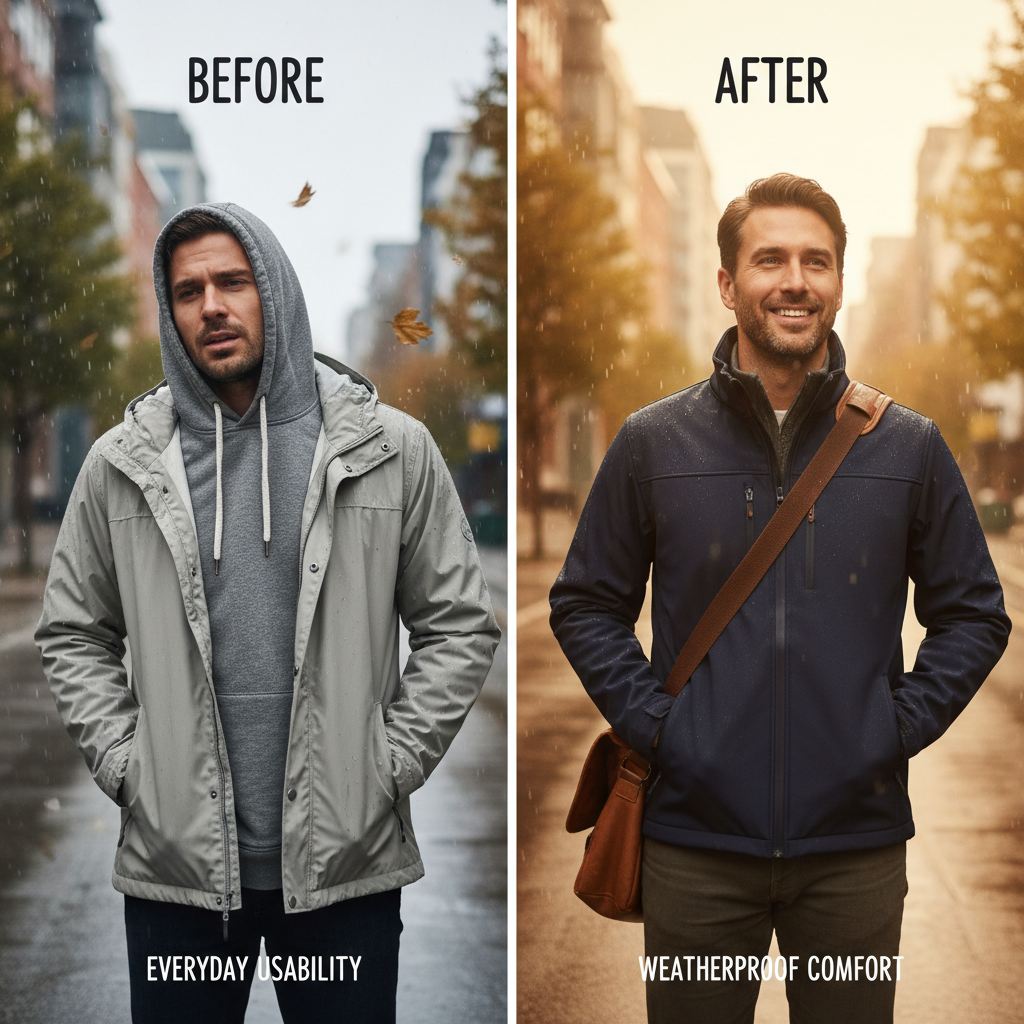
If you’ve been watching outerwear trends, you’ve probably noticed a quiet convergence: hard-shell level protection paired with soft-shell stretch. That’s exactly where this Mens Hard Shell jacket lands—practical, cleaner lines, surprisingly warm, and (to be honest) easier to wear every day than a crinkly storm parka. Many customers say it “disappears” once on, which is the gold standard for commuter gear and light alpine use.
What’s driving demand right now
Three things: year-round commuting, more unpredictable rain bursts, and the shift to durable stretch laminates. Brands are dialing in 3-layer or bonded soft-shell fabrics that shrug off showers and wind while staying breathable. This Mens Hard Shell follows that playbook—weather protection without feeling like a tent.
Key specifications (lab + real-world)
| Fabric | Bonded stretch soft-shell, 3L laminate; face: polyester + elastane; inner: microfleece |
| Waterproof rating | ≈8,000–10,000 mm (ISO 811) — real-world use may vary with wear and care |
| Breathability | RET ≈ 12–15 (ISO 11092) / 8,000–12,000 g/m²/24h equivalent |
| DWR | C0 PFC-free, AATCC 22 initial 90–100% |
| Abrasion | ≥50,000 cycles Martindale (ASTM D4966), elbow/shoulder reinforcements optional |
| Thermal | Microfleece backer; comfort 5–12°C with mid-layer; ISO 11092 thermal resistance indicative |
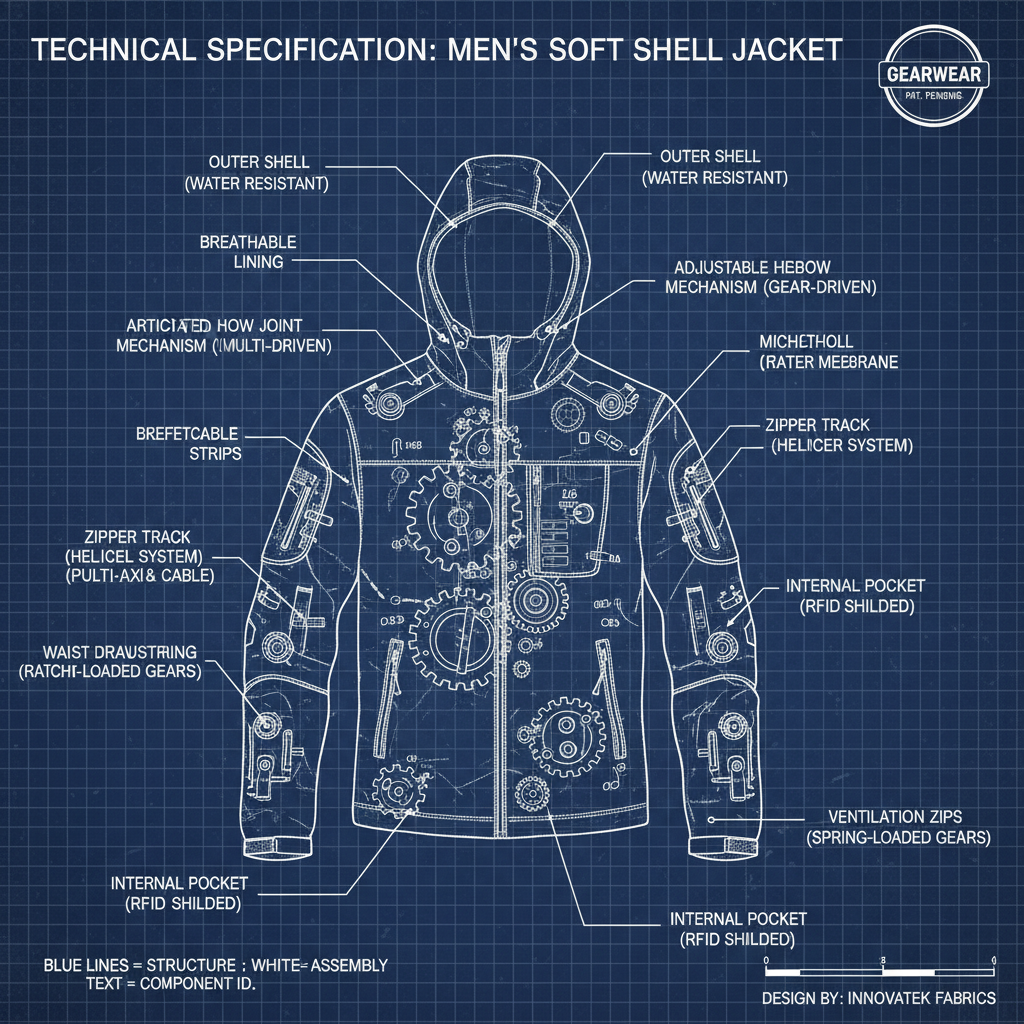
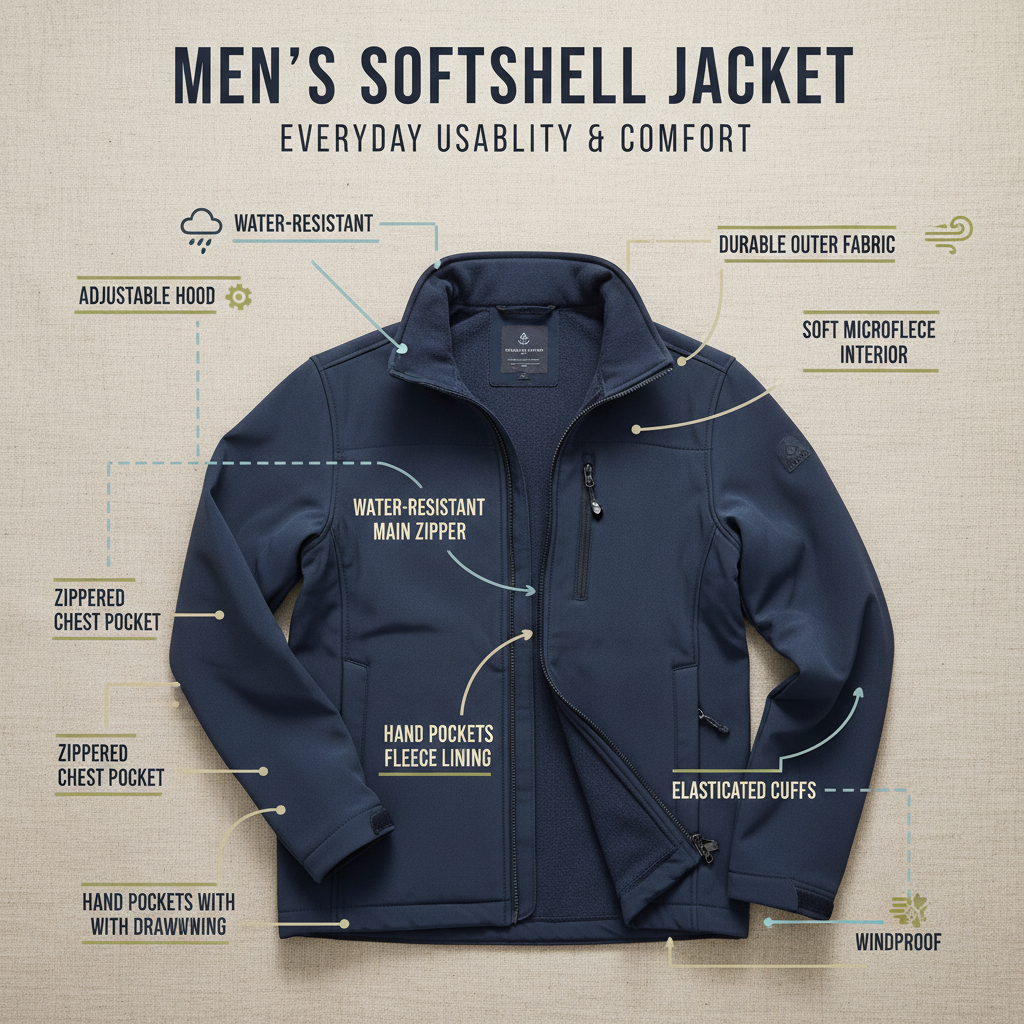
| Construction | Windproof membrane, critical-seam binding; YKK coil zippers; chin guard; adjustable hem |
How it’s made (quick process flow)
Materials: PFC-free DWR face, elastic membrane, brushed microfleece liner. Methods: 3L bonding, precision cutting, ergonomic patterning, critical-seam binding (soft-shells usually don’t need full tape). Testing: ISO 811 hydrostatic head, ISO 11092 breathability, AATCC 22 spray test, ISO 12945-2 pilling, ASTM D4966 abrasion, ISO 6330 wash. Service life: around 3–5 years under moderate urban/outdoor use; reproof DWR every 20–30 washes.
Where it shines
- Daily commute and travel—windy platforms, light rain bursts, airplane A/C battles.
- Hiking, gravel rides, and shoulder-season treks when full storm shells feel excessive.
- Workwear-lite: logistics, field service, site visits, campus security, delivery riders.
Vendor snapshot (why factory-direct matters)
| Vendor | Strengths | Notes |
|---|---|---|
| JIDE Garment (origin: Hebei, China) | OEM/ODM, small tweaks fast, cost control, fabric library, QC by ISO protocols | Good for private labels and uniform programs |
| EU Outdoor Brand A | Strong retail support, broad size runs | Higher MSRP; customization limited |
| Factory-B (Asia) | Aggressive pricing on volume | Lead-time variability; spec control needed |
Customization
Colorways, reflective transfers, heat-seal logos, zip pullers, chest pockets, hood/no-hood variants. MOQ typically 300–500 pcs per color, but I’ve seen pilot runs go lower. Private label-ready, tech pack friendly.
Case study (brief)
A Northern Europe courier fleet switched to this Mens Hard Shell style for fall/winter. After 6 months: 12% fewer wet-weather complaints, DWR retained ≥80% after 20 industrial washes, and abrasion at cuffs remained “good” per internal checks. One rider said, “Warm enough with a hoodie, and I can still sprint stairs.” Not scientific, but telling.
Compliance and certifications
Fabric options can be OEKO-TEX Standard 100; factory social compliance via BSCI/WRAP (on request). Weather performance aligns with EN 343 concepts (though soft-shells target water-resistant, not fully stormproof). Testing per ISO and AATCC as noted.
Citations: