Strategic Procurement of High-Performance Outerwear for Industrial and Professional Use
In demanding professional environments, the selection of appropriate personal protective equipment (PPE) is paramount. This includes specialized outerwear designed to shield against severe weather and occupational hazards. One such critical garment is the Mens Hard Shell, a cornerstone of professional gear known for its robust protection and advanced technical features. These garments are engineered to offer superior defense against rain, wind, and snow, crucial for personnel operating in exposed or challenging conditions, ranging from construction sites and offshore platforms to mountain rescue operations and general industrial maintenance.
Industry Trends and Market Dynamics
The market for high-performance technical outerwear, particularly for B2B applications, is experiencing robust growth, driven by several key factors. Stricter occupational safety regulations, an increasing emphasis on worker comfort and productivity, and the expansion into more extreme operational environments are primary catalysts. There is a growing demand for materials that offer a superior balance of waterproofing, breathability, and durability without compromising on flexibility or weight.
- Sustainable Materials: A significant trend involves the integration of recycled content, PFC-free DWR (Durable Water Repellent) treatments, and bio-based polymers to reduce environmental impact. Organizations are increasingly seeking suppliers aligned with their corporate social responsibility (CSR) initiatives.
- Advanced Membrane Technologies: Innovations in membrane technology continue to push the boundaries of performance, offering higher hydrostatic head ratings for extreme waterproofing alongside enhanced MVTR (Moisture Vapor Transmission Rate) for superior breathability. This minimizes internal condensation, keeping the wearer dry and comfortable.
- Smart Integration: The emergence of smart textiles, including integrated heating elements or sensors for physiological monitoring, is a nascent but promising trend, particularly for niche applications in extremely cold or hazardous environments.
- Ergonomic Design: Focus on articulated patterning, adjustable features (hoods, cuffs, hems), and strategic pocket placement to maximize freedom of movement and functionality for specific industrial tasks.
These trends collectively point towards a future where specialized outerwear like the Mens Hard Shell is not merely a protective layer but an integral part of an optimized work system, enhancing safety, efficiency, and worker well-being.
Manufacturing Process Flow for High-Performance Hard Shells
The production of a professional-grade Mens Hard Shell involves a meticulous, multi-stage manufacturing process, ensuring the final product meets stringent performance and durability standards required for industrial applications. Our process prioritizes quality control and advanced fabrication techniques.
Key Stages of Production:
- Material Sourcing and Preparation:
- Face Fabric: Selection of durable woven textiles (e.g., Nylon 6,6, Polyester) with specific denier ratings (e.g., 70D, 150D) for abrasion resistance. These often undergo initial DWR treatment.
- Membrane: Procurement of advanced waterproof-breathable membranes (e.g., PTFE, PU films) with specified hydrostatic head and MVTR values.
- Backer Fabric: Selection of a lightweight, wicking inner fabric (often knit polyester) for comfort and protection of the membrane.
- Lamination Process:
This critical step bonds the fabric layers to the membrane. Common configurations include:
- 2-Layer: Face fabric and membrane are bonded; a separate liner is used.
- 2.5-Layer: Face fabric, membrane, and a printed protective layer on the inside (no separate backer fabric, reducing weight).
- 3-Layer: Face fabric, membrane, and backer fabric are all bonded into a single textile, offering maximum durability and performance. This is typical for heavy-duty hard shells.
Lamination is often performed using heat and pressure-activated adhesives, ensuring a permanent bond without compromising membrane integrity.
- Precision Cutting:
Fabric panels are cut using automated CNC (Computer Numerical Control) cutting machines. This ensures high precision, minimal material waste, and consistency across batches, vital for maintaining design integrity and seam alignment.
- Assembly and Stitching:
Skilled operators assemble the garment using specialized industrial sewing machines. Key techniques include double-stitching critical stress points and using specific thread types (e.g., polyester-core spun for strength, nylon for UV resistance).
- Seam Sealing:
This is paramount for waterproofing. All seams are taped with a thermoplastic adhesive tape, applied using heat and pressure, effectively creating a barrier over stitch holes. This process is rigorously tested for integrity.
- Component Integration:
Incorporation of waterproof zippers (e.g., YKK AquaGuard), adjustable cuffs with hook-and-loop fasteners, drawcords for hem and hood adjustments, and other hardware.
- Quality Control and Testing:
Each Mens Hard Shell undergoes multi-stage quality assurance:
- Hydrostatic Head Test (ISO 811): Measures the water pressure a fabric can withstand before leaking (e.g., 20,000 mm).
- MVTR Test (ASTM E96): Quantifies breathability by measuring moisture vapor transfer (e.g., 15,000 g/m²/24h).
- Visual Inspection: Checks for defects in stitching, sealing, and material integrity.
- Functional Testing: Verifies zipper operation, adjustability, and overall garment fit.
- Abrasion Resistance (ASTM D3884): Measures durability against wear.
- Finishing and Packaging:
Final trimming, labeling, and packaging for shipment, often incorporating client-specific branding and documentation.
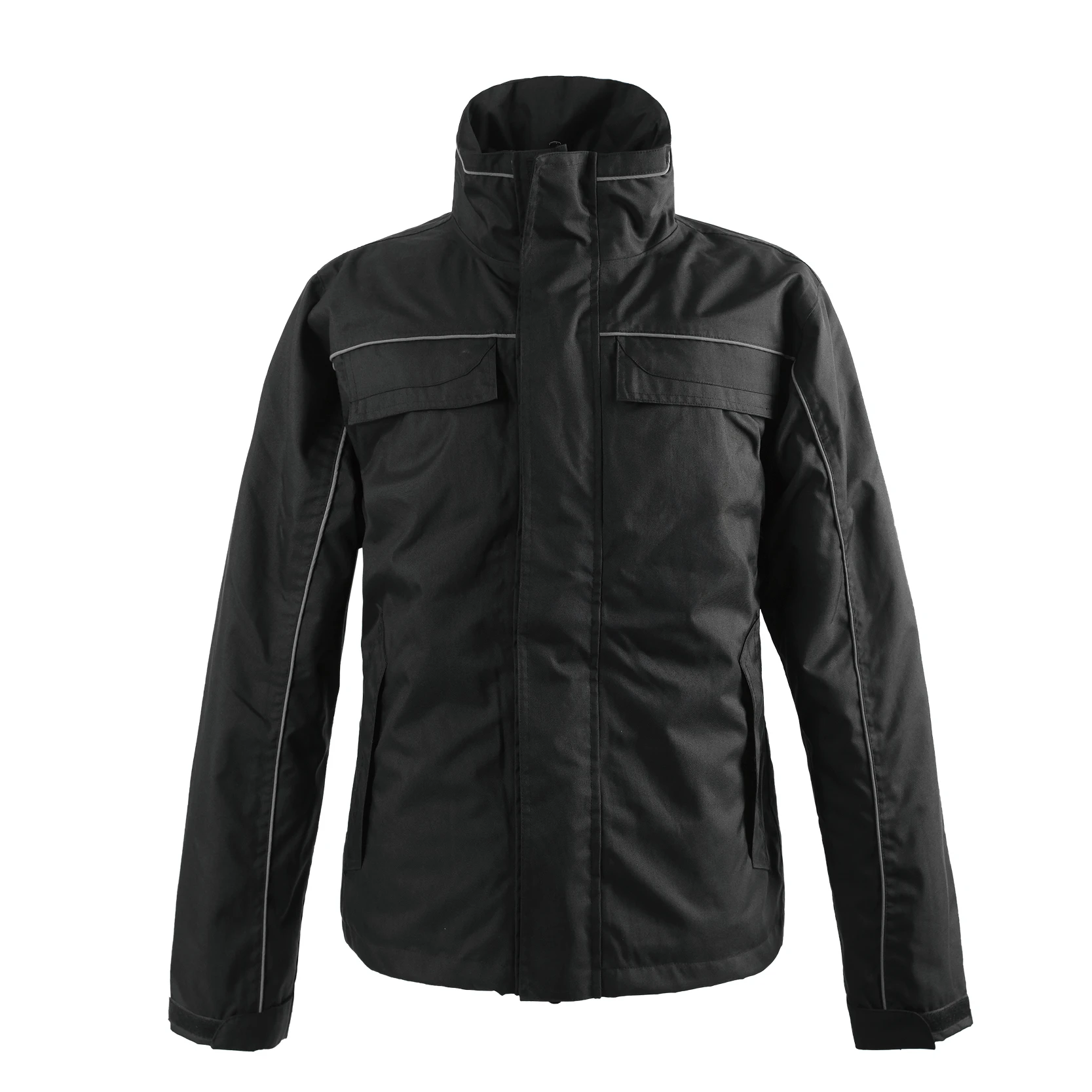
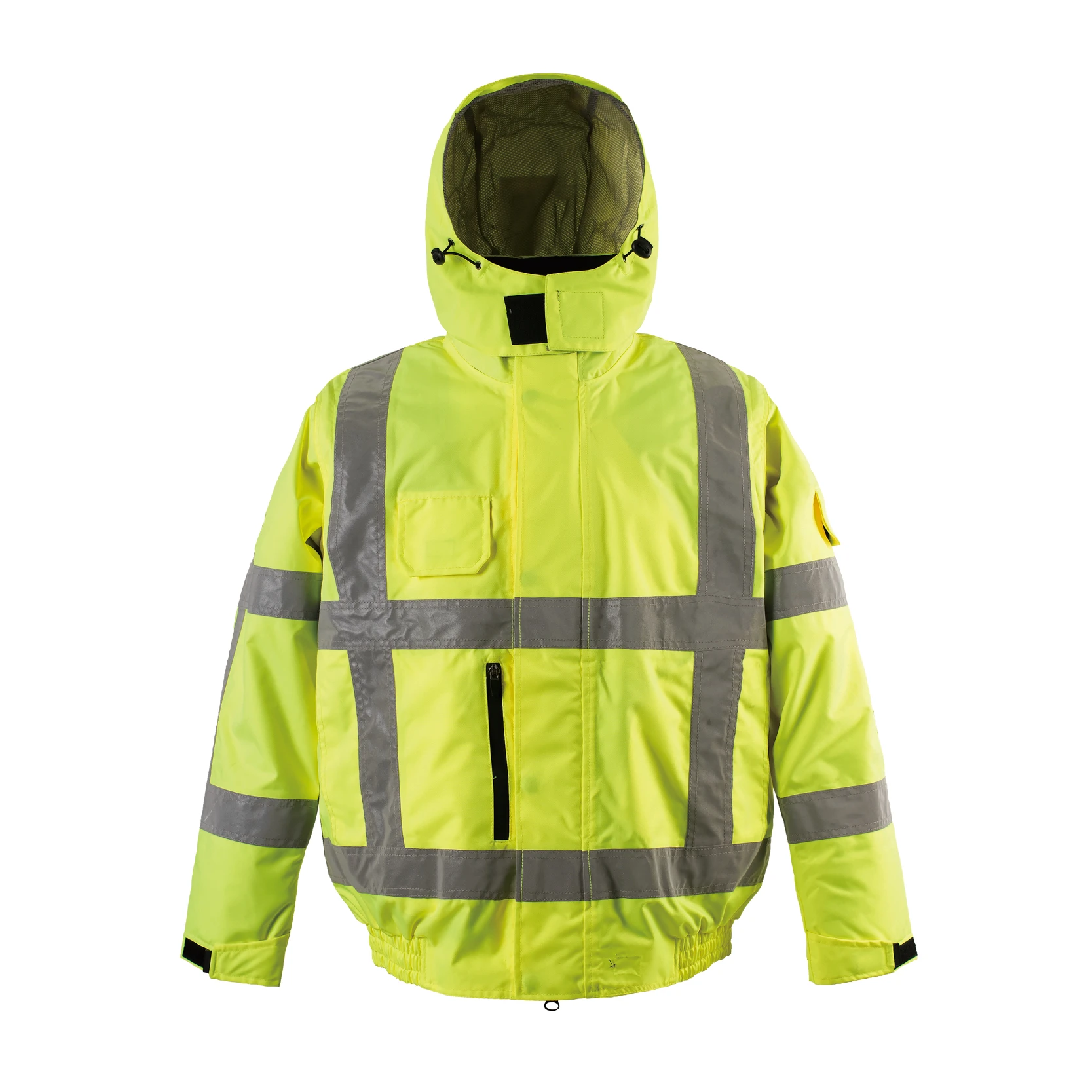
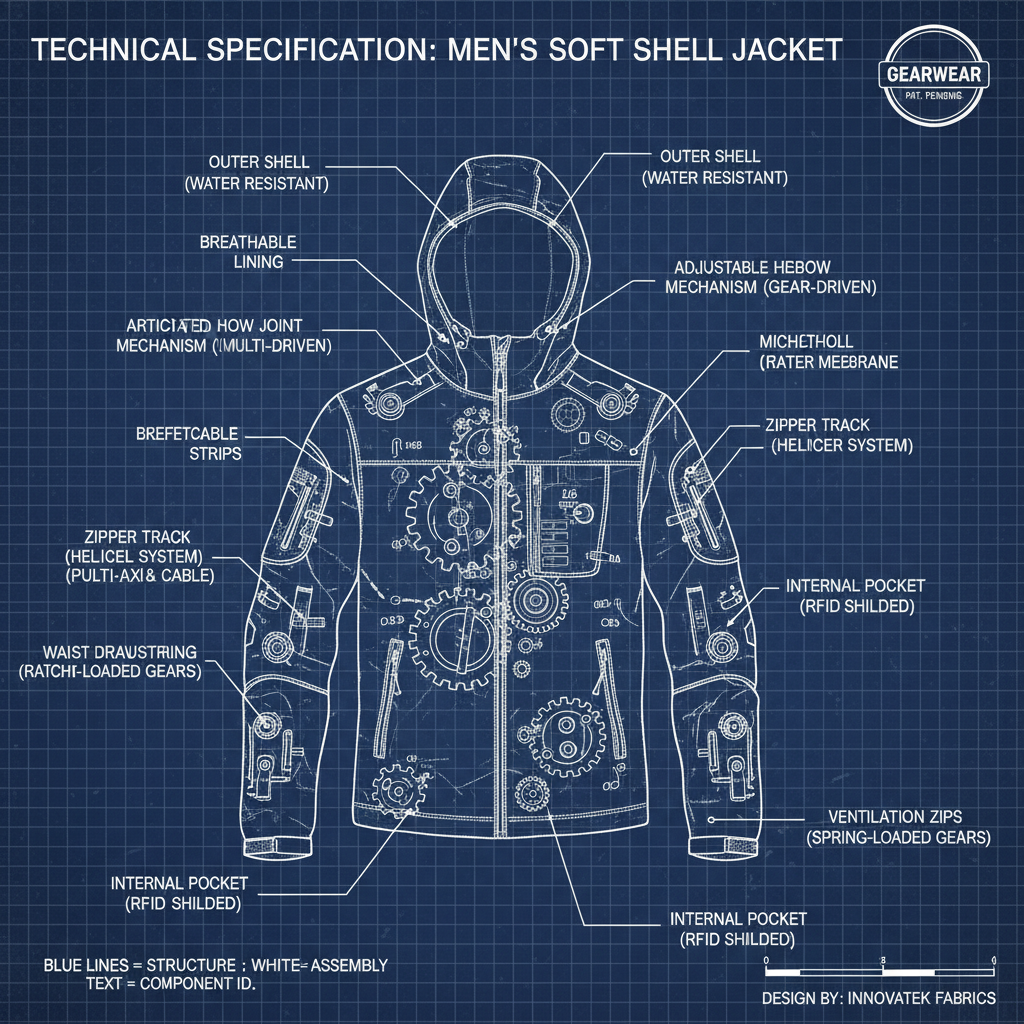
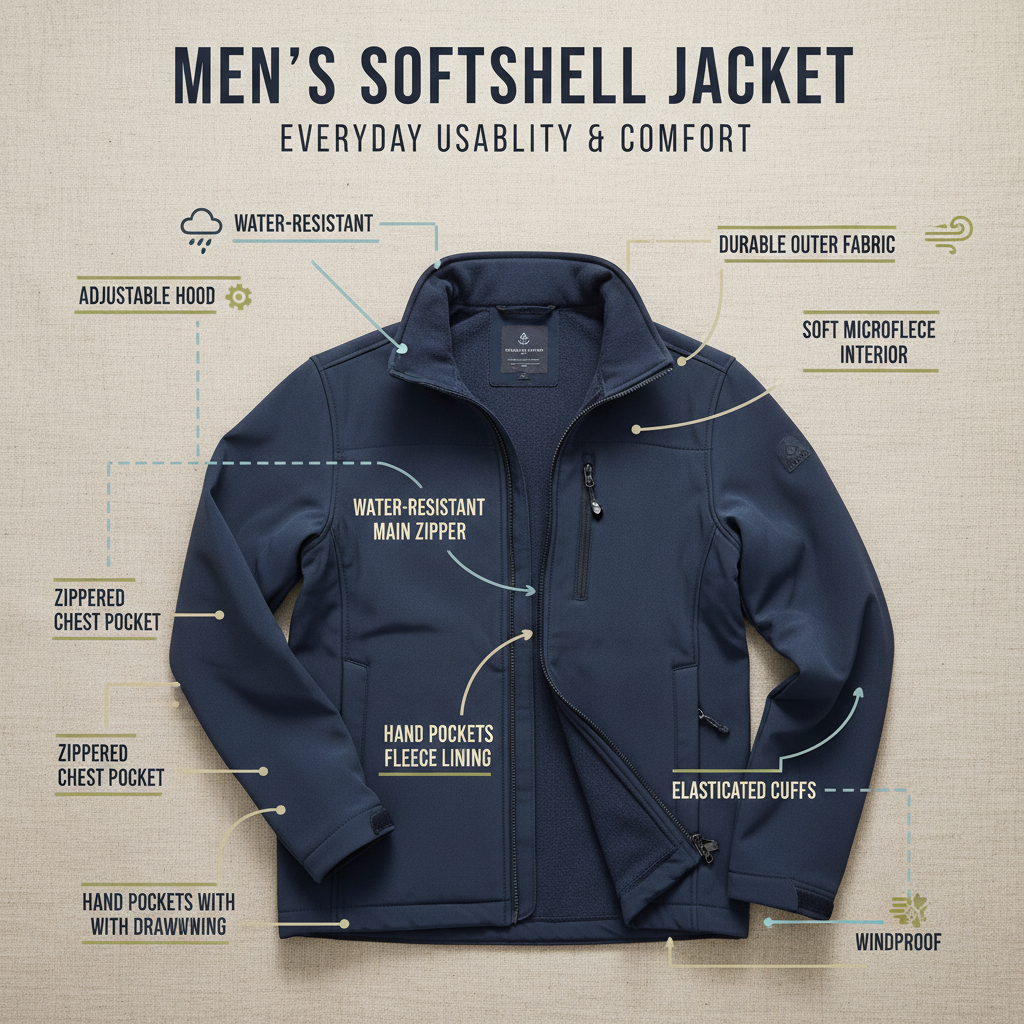
Figure 1: High-performance Mens Hard Shell demonstrating robust construction and ergonomic design for professional use.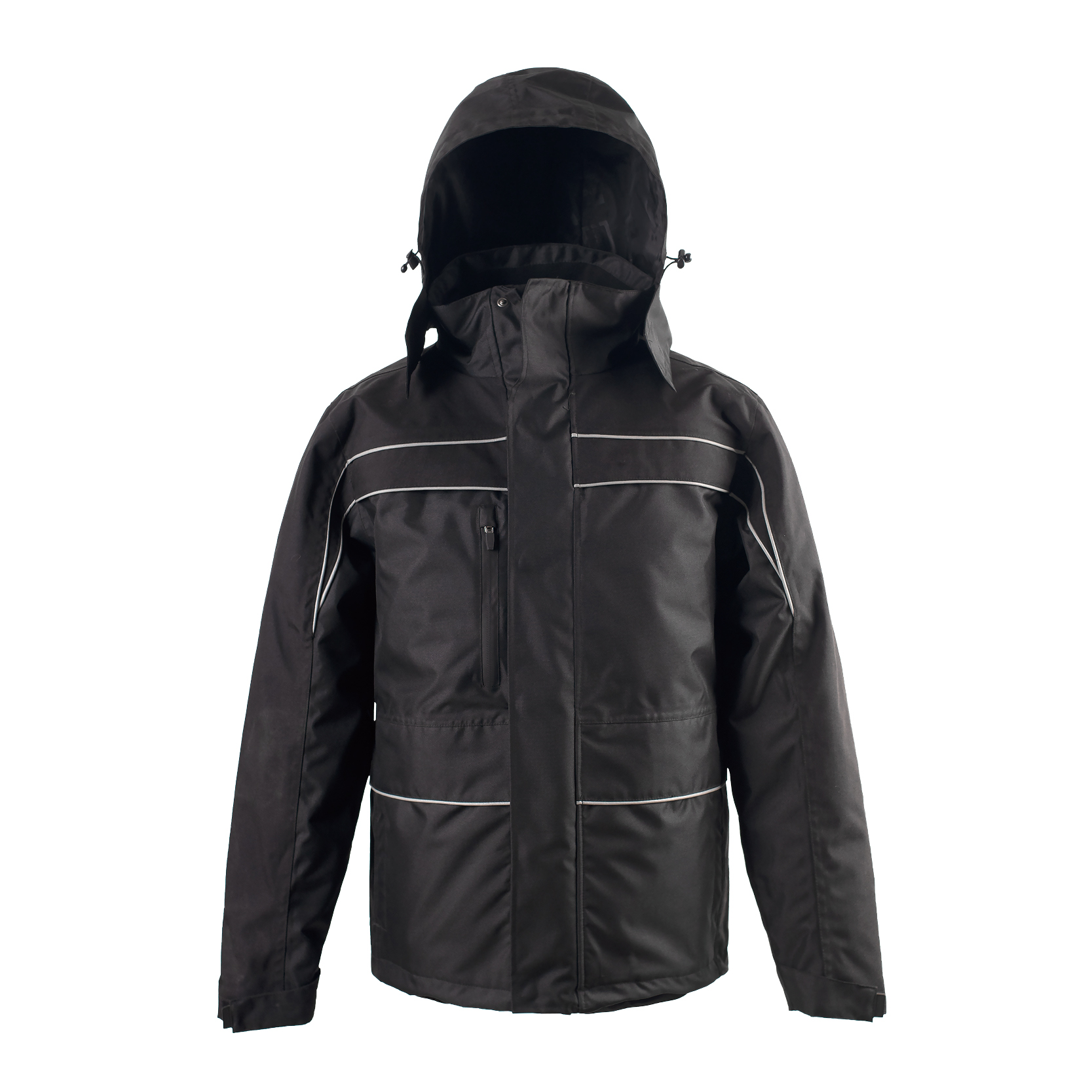
Service Life and Target Industries
A well-maintained Mens Hard Shell typically offers a service life of 3-5 years under normal industrial use, dependent on the intensity of exposure and maintenance routines. Our products are engineered for maximum longevity.
Target Industries:
- Petrochemical & Energy: Protection against harsh weather on offshore rigs, refineries, and pipeline maintenance.
- Metallurgy: Safeguarding workers in environments exposed to moisture and temperature fluctuations.
- Water Supply & Drainage: Essential for technicians working in wet, often confined, conditions.
- Construction & Infrastructure: All-weather protection for outdoor construction projects.
- Logistics & Transportation: For personnel managing outdoor cargo handling or vehicle maintenance in diverse climates.
- Emergency Services & Rescue: Durable, reliable protection for first responders in challenging terrains and weather.
Advantages in Typical Application Scenarios: Our hard shells are proven to deliver energy savings by reducing the need for multiple layers, and offer superior corrosion resistance from industrial chemicals and environmental pollutants, enhancing safety and extending garment life.
Technical Specifications and Performance Parameters
Understanding the technical specifications of a Mens Hard Shell is crucial for procurement decision-makers. These parameters directly correlate with the garment's performance, durability, and suitability for specific industrial applications.
Key Performance Indicators (KPIs):
- Hydrostatic Head (Waterproofness): Measured in millimeters (mm), this indicates the height of a water column the fabric can withstand before water penetrates. Professional-grade hard shells typically offer 20,000 mm and above for reliable protection in heavy downpours.
- Moisture Vapor Transmission Rate (MVTR / Breathability): Expressed in g/m²/24h, this measures how much water vapor (sweat) can pass through the fabric in a 24-hour period. Higher values (15,000 g/m²/24h and above) signify superior breathability, preventing clamminess during strenuous activity.
- Durable Water Repellent (DWR) Treatment: An external coating that causes water to bead up and roll off the face fabric, preventing saturation and maintaining the fabric's breathability. PFC-free DWRs are increasingly preferred for environmental reasons.
- Fabric Denier: A measure of fabric thickness and durability (grams per 9,000 meters of yarn). Higher denier (e.g., 70D, 150D, 300D) indicates greater abrasion and tear resistance, crucial for heavy-duty industrial use.
- Abrasion Resistance: Tested using methods like the Martindale abrasion test (measured in cycles), indicating how well the fabric withstands rubbing and wear. Essential for garments exposed to rough surfaces.
- Seam Sealing: All seams must be fully taped to prevent water ingress through needle holes, a critical factor for total waterproof integrity.
Typical Product Specification Table:
| Feature/Parameter | Specification (Example) | Standard/Method |
|---|---|---|
| Fabric Construction | 3-Layer Laminated Textile | Internal Fabric Specification |
| Face Fabric Composition | 100% Nylon 6,6 Ripstop (150 Denier) | ISO 2076 / ASTM D1059 |
| Waterproof Rating (Hydrostatic Head) | ≥ 25,000 mm | ISO 811 |
| Breathability Rating (MVTR) | ≥ 20,000 g/m²/24h | ASTM E96 (inverted cup method) |
| DWR Treatment | C6 or PFC-Free (Durable Water Repellent) | AATCC 22 |
| Seam Sealing | Fully Taped Seams (13mm or 22mm tape) | Internal QA Protocol |
| Abrasion Resistance | ≥ 50,000 cycles (2.5 kPa pressure) | ISO 12947-2 (Martindale Method) |
| Zippers | YKK AquaGuard® or equivalent waterproof zippers | Supplier Specification |
| Weight (Size L) | Approx. 750g - 900g | Internal Measurement |
Application Scenarios and Strategic Advantages
The versatility and robust performance of a high-quality Mens Hard Shell make it indispensable across a spectrum of demanding B2B applications. Its design is tailored to provide maximum protection and efficiency in the most challenging environments.
Typical Application Scenarios:
- Offshore Wind and Oil & Gas Platforms: Personnel are constantly exposed to high winds, saltwater spray, and extreme temperatures. Hard shells provide essential protection, ensuring compliance with safety regulations and maintaining operational continuity.
- Mountain Rescue and Alpine Operations: For professional mountain guides, search and rescue teams, and avalanche mitigation crews, the lightweight yet impenetrable barrier of a hard shell is vital for survival and effective performance in unpredictable, harsh alpine conditions.
- Heavy Civil Construction: Workers on large infrastructure projects, such as bridge building or dam construction, face exposure to rain, snow, and mud. Hard shells keep them dry and comfortable, preventing hypothermia and increasing focus on critical tasks.
- Forestry and Wildland Firefighting Support: While not primary fire-resistant gear, hard shells are used by support staff and during non-active fire operations for protection against severe weather, particularly in remote, rugged terrain.
- Utilities and Telecommunications Field Services: Technicians working on power lines, telecom infrastructure, or water mains often operate outdoors in all weather. A reliable hard shell ensures their ability to perform delicate tasks without being hindered by environmental elements.
Technical Advantages and Benefits:
- Unparalleled Weather Protection: The primary advantage is absolute impermeability to rain, snow, and wind, maintaining the wearer's core temperature and preventing cold stress injuries.
- Enhanced Worker Comfort and Productivity: High breathability prevents internal moisture build-up, reducing the "clammy" feeling and allowing workers to remain comfortable and focused over long shifts, leading to sustained productivity.
- Superior Durability: Constructed with high-denier fabrics and robust seam sealing, these garments withstand repeated abrasion and tearing, extending their service life and reducing replacement costs.
- Reduced Layering Requirement (Energy Saving): The efficient design often allows for fewer underlying layers, promoting greater mobility and reducing the physical exertion associated with heavy, bulky clothing. This indirectly contributes to energy savings by optimizing thermal regulation.
- Corrosion Resistance: Beyond water, the technical fabrics and DWR treatments often offer resistance to common industrial solvents, mild chemicals, and saltwater, protecting both the wearer and the garment's integrity.
- Compliance with Safety Standards: Our hard shells are designed to integrate with other PPE, such as helmets and harnesses, and can be specified with features like high-visibility panels to meet specific industry safety standards (e.g., ANSI/ISEA 107 for hi-vis).
Vendor Comparison and Strategic Sourcing
Selecting the right supplier for professional-grade Mens Hard Shell jackets is a critical procurement decision that impacts worker safety, productivity, and overall operational efficiency. A thorough vendor comparison goes beyond initial cost, focusing on long-term value, technical expertise, and service reliability.
Key Factors for Vendor Evaluation:
- Technical Prowess: Assess the vendor's understanding of material science, membrane technology, and garment construction specific to industrial performance.
- Quality Assurance & Certifications: Verify adherence to international standards (e.g., ISO 9001 for quality management, ISO 14001 for environmental management) and product-specific certifications (e.g., EN 343 for protective clothing against rain).
- Customization Capabilities: The ability to tailor designs, incorporate specific features, branding, and sizing to meet unique organizational requirements.
- Supply Chain Reliability: Evaluate lead times, production capacity, and historical on-time delivery performance, especially for large volume orders.
- After-Sales Support & Warranty: Comprehensive warranty policies, ease of returns, and access to technical support for maintenance and care instructions.
- Sustainability Practices: Commitment to environmentally friendly materials and ethical manufacturing processes.
Vendor Comparison Table (Illustrative Example):
| Criteria | Jide Garment (Our Offering) | Competitor A (Premium) | Competitor B (Value) |
|---|---|---|---|
| Waterproof Rating (Hydrostatic Head) | ≥ 25,000 mm | ≥ 28,000 mm | ≥ 15,000 mm |
| Breathability Rating (MVTR) | ≥ 20,000 g/m²/24h | ≥ 25,000 g/m²/24h | ≥ 10,000 g/m²/24h |
| Fabric Denier (Face Fabric) | 150D Nylon 6,6 Ripstop | 200D CORDURA® Nylon | 70D Polyester |
| Sustainability Certifications | PFC-Free DWR options, Bluesign® partner fabrics | PFC-Free DWR, Recycled Content | Standard DWR |
| Customization Options | Extensive (Color, features, branding, sizing) | Moderate (Color, branding) | Limited (Logo only) |
| Lead Time (Typical for large order) | 8-12 Weeks | 10-14 Weeks | 6-10 Weeks |
| Pricing (Per Unit, Bulk) | Competitive Mid-Premium | High-Premium | Entry-Level |
Jide Garment strives to offer an optimal balance of advanced technical performance, comprehensive customization, and competitive pricing, making our Mens Hard Shell solutions a strategic choice for discerning B2B clients seeking reliable, high-value protective outerwear.
Customized Solutions for Specialized Requirements
Recognizing that every industrial application presents unique challenges, Jide Garment specializes in providing tailored Mens Hard Shell solutions. Our customization capabilities ensure that garments are perfectly aligned with specific operational needs, environmental conditions, and corporate branding guidelines.
Customization Options Include:
- Material Selection: Choice of face fabrics (e.g., Nylon 6,6, Polyester, CORDURA®) with varying denier weights and weave structures for specific abrasion, tear, and puncture resistance requirements. Membrane selection (e.g., PTFE, PU) based on desired waterproof-breathability balance.
- Feature Integration: Addition or modification of elements such as:
- Specialized pocket configurations (radio pockets, internal tablet pockets, large cargo pockets).
- Reinforced critical wear areas (shoulders, elbows, cuffs) with extra durable fabrics or patches.
- Detachable or helmet-compatible hoods.
- Underarm ventilation zippers (pit zips) for enhanced temperature regulation.
- Integrated reflective elements for high-visibility compliance (e.g., ANSI/ISEA 107).
- Adjustable storm skirts or powder skirts for specific environments.
- Sizing and Fit: Development of custom size charts, extended sizing ranges, or specific ergonomic patterning to accommodate specialized equipment (e.g., body armor, harnesses) or unique physiological requirements of a workforce.
- Branding and Color: Incorporation of corporate logos, colors, and insignia through embroidery, heat transfer, or screen printing. Customized colorways for brand consistency or team identification.
- Compliance Features: Integration of specific regulatory compliance features, such as non-magnetic components for sensitive environments, or flame-resistant (FR) outer shell properties for arc-flash protection, where applicable (additional certifications may apply).
Our design and engineering teams work closely with clients from conceptualization through to production, ensuring that every customized Mens Hard Shell delivers optimal performance and satisfaction. Minimum Order Quantities (MOQs) for custom projects are typically discussed on a project-by-project basis, reflecting the complexity of design and material sourcing.
Application Case Studies & Customer Feedback
The real-world performance of our Mens Hard Shell garments is best demonstrated through successful deployments in challenging industrial settings. These case studies highlight the tangible benefits our clients have realized.
Case Study 1: Offshore Wind Farm Maintenance
Client: Major European Offshore Wind Operator
Challenge: Technicians working on wind turbines in the North Sea faced constant exposure to severe weather, including high winds, heavy rain, and saltwater spray. Their existing gear was failing to provide adequate protection, leading to discomfort, reduced productivity, and increased sick days.
Solution: We developed a customized 3-layer Mens Hard Shell featuring a 28,000 mm hydrostatic head, 25,000 g/m²/24h MVTR, reinforced 300D Nylon face fabric in high-wear areas, and fully waterproof YKK AquaGuard® zippers. The design included helmet-compatible hoods, articulated sleeves for climbing, and high-visibility panels.
Results:
- Reduced Downtime: A 15% reduction in weather-related operational delays due to improved worker endurance and comfort.
- Increased Productivity: Enhanced mobility and protection translated to a measurable increase in task efficiency on critical maintenance operations.
- Worker Satisfaction: Employee feedback indicated significantly higher satisfaction with the new gear, citing its superior waterproofing and breathability.
Case Study 2: Arctic Logistics & Expeditions
Client: Polar Research & Logistics Contractor
Challenge: Field teams operating in the high Arctic required outerwear that could withstand extreme cold, blizzard conditions, and provide a reliable shell over multiple insulating layers. Durability against ice abrasion and tear resistance were paramount.
Solution: We supplied a heavy-duty Mens Hard Shell crafted with a robust 3-layer laminated fabric (400D Cordura Nylon), featuring a specialized membrane capable of functioning optimally in sub-zero temperatures. Features included extra-large glove-friendly zippers, reinforced stress points for carrying heavy packs, and integrated RECCO® reflectors for enhanced safety.
Results:
- Extreme Environment Resilience: Garments maintained performance and integrity through prolonged exposure to -40°C temperatures and gale-force winds.
- Enhanced Safety: The robust construction and integrated safety features provided critical protection in remote, hazardous environments.
- Long-Term Durability: Reduced need for replacements due to exceptional resistance to abrasion from ice and equipment.
Customer Feedback Highlights:
- "The Jide Garment hard shells have drastically improved our field team's comfort and ability to work effectively in adverse weather. The waterproofing is exceptional, and they stand up to real abuse." – Project Manager, Marine Construction Firm.
- "We appreciate the detailed technical consultation during the customization process. The final product perfectly matched our unique operational demands and branding." – Head of Procurement, Utility Services.
- "After two years of use in heavy industrial settings, our Jide Garment jackets are still performing reliably. A testament to their robust construction." – Safety Officer, Mining Operations.
Trust, Transparency, and Support
At Jide Garment, building long-term partnerships based on trust and transparency is core to our business. We are committed to providing exceptional products and comprehensive support throughout the entire lifecycle of our Mens Hard Shell solutions. Our commitment to (Expertise, Experience, Authoritativeness, Trustworthiness) is embedded in every aspect of our operations.
Frequently Asked Questions (FAQ)
- Q: How do I choose the right hard shell for my industry?
A: Consider the primary environmental challenges (e.g., extreme rain, wind, abrasion), required mobility, and any specific safety standards. Our technical sales team can provide expert consultation based on your operational profile. - Q: What is the recommended care for my hard shell?
A: Machine wash with a technical garment cleaner (not standard detergent) on a gentle cycle. Tumble dry on low heat or hang dry. Periodic re-application of DWR treatment is recommended to maintain water repellency. Detailed instructions are provided with each garment. - Q: Can your hard shells be repaired?
A: Minor tears or damage can often be professionally repaired using specialized patches and seam sealants, extending the garment's life. We can guide you on approved repair methods or offer repair services. - Q: Are your products certified?
A: Our manufacturing facilities hold ISO 9001 and ISO 14001 certifications. Our fabrics are sourced from reputable suppliers often holding Bluesign® or OEKO-TEX® certifications. Specific product certifications (e.g., EN 343 for protective clothing against rain) are available upon request for relevant product lines.
Lead Time & Fulfillment Details
- Standard Orders: For in-stock configurations, lead times typically range from 4-6 weeks, depending on order volume and logistics.
- Customized Orders: Depending on the complexity of design, material sourcing, and production queue, custom orders generally require 8-12 weeks from final design approval to delivery.
- Capacity: Our advanced manufacturing capabilities allow us to handle large-volume orders efficiently while maintaining strict quality controls.
- Logistics: We offer various shipping options, including global freight and express delivery, to meet urgent deadlines.
Warranty Commitments
Jide Garment stands behind the quality and craftsmanship of every Mens Hard Shell we produce. We offer a comprehensive [e.g., 2-Year] limited warranty against defects in materials and workmanship from the date of purchase. This warranty covers manufacturing flaws but does not cover damage caused by misuse, improper care, accidents, or normal wear and tear. Our goal is to ensure your investment in our protective gear is sound and reliable.
Customer Support Information
Our dedicated customer support and technical assistance teams are available to assist with product selection, order inquiries, technical specifications, and after-sales support.
- Email: rona@jidecorp.com
- Phone: +86-156 3019 8192 (Business Hours: Monday-Friday, 9:00 AM - 5:00 PM CST)
- Online Portal: For existing clients, our secure online portal provides access to order history, technical documents, and direct support requests.
We are committed to providing prompt and effective assistance to ensure the continuous performance and satisfaction with your Jide Garment products.
References
- ISO 811:2018. Textiles — Determination of resistance to water penetration — Hydrostatic pressure test. International Organization for Standardization.
- ASTM E96/E96M-16. Standard Test Methods for Water Vapor Transmission of Materials. ASTM International.
- ISO 12947-2:1998. Textiles — Determination of the abrasion resistance of fabrics by the Martindale method — Part 2: Determination of specimen breakdown. International Organization for Standardization.
- European Standard EN 343:2019. Protective clothing against rain. European Committee for Standardization.
- AATCC Test Method 22: Water Repellency: Spray Test. American Association of Textile Chemists and Colorists.