
Understanding the Lightweight High Visibility Jacket: Safety, Comfort, and Global Appeal
At first glance, a lightweight high visibility jacket might seem like just another piece of workwear. However, it’s so much more—a symbol of safety innovation, global industrial standards, and even humanitarian response adaptability. Around the world, these jackets save lives by making workers visible in hazardous environments, from the busy highways of Europe to remote construction sites in Southeast Asia.
Why does it matter? Globally, occupational safety remains a priority as industries expand and shift towards more automated, yet still human-centered operations. According to the International Labour Organization (ILO), about 2.3 million people around the world die each year from work-related accidents or diseases. While a jacket can’t eliminate all risks, a carefully designed, lightweight high visibility jacket can greatly reduce accidents from poor visibility—particularly in low light or inclement weather.
Introduction: The Global Context of High Visibility Safety Gear
Look no further than how many countries and international safety standards emphasize high visibility clothing. For example, ISO 20471 sets out requirements for PPE (personal protective equipment) for visibility, promoting consistent safety levels worldwide. In 2023, the World Bank estimated that infrastructure projects—roadworks, rail, airports—are growing at about 4% yearly globally, highlighting increased demand for protective gear.
The challenge? Existing PPE often sacrifices comfort for safety or suffers from excessive weight, putting workers under strain during long shifts. This is where the lightweight difference becomes critical: maintaining protective, luminous qualities without the burden, improving compliance and effectiveness.
What Exactly Is a Lightweight High Visibility Jacket?
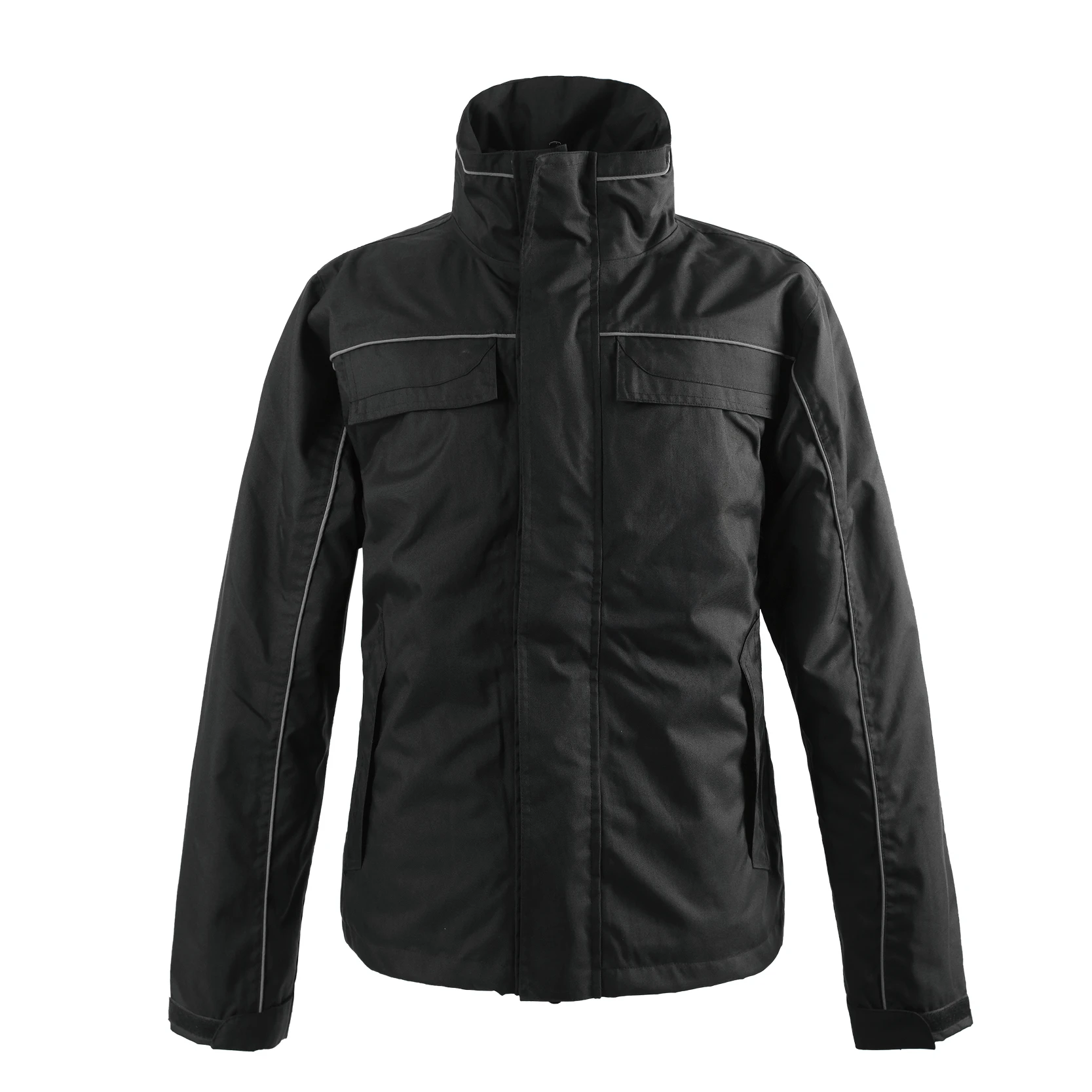
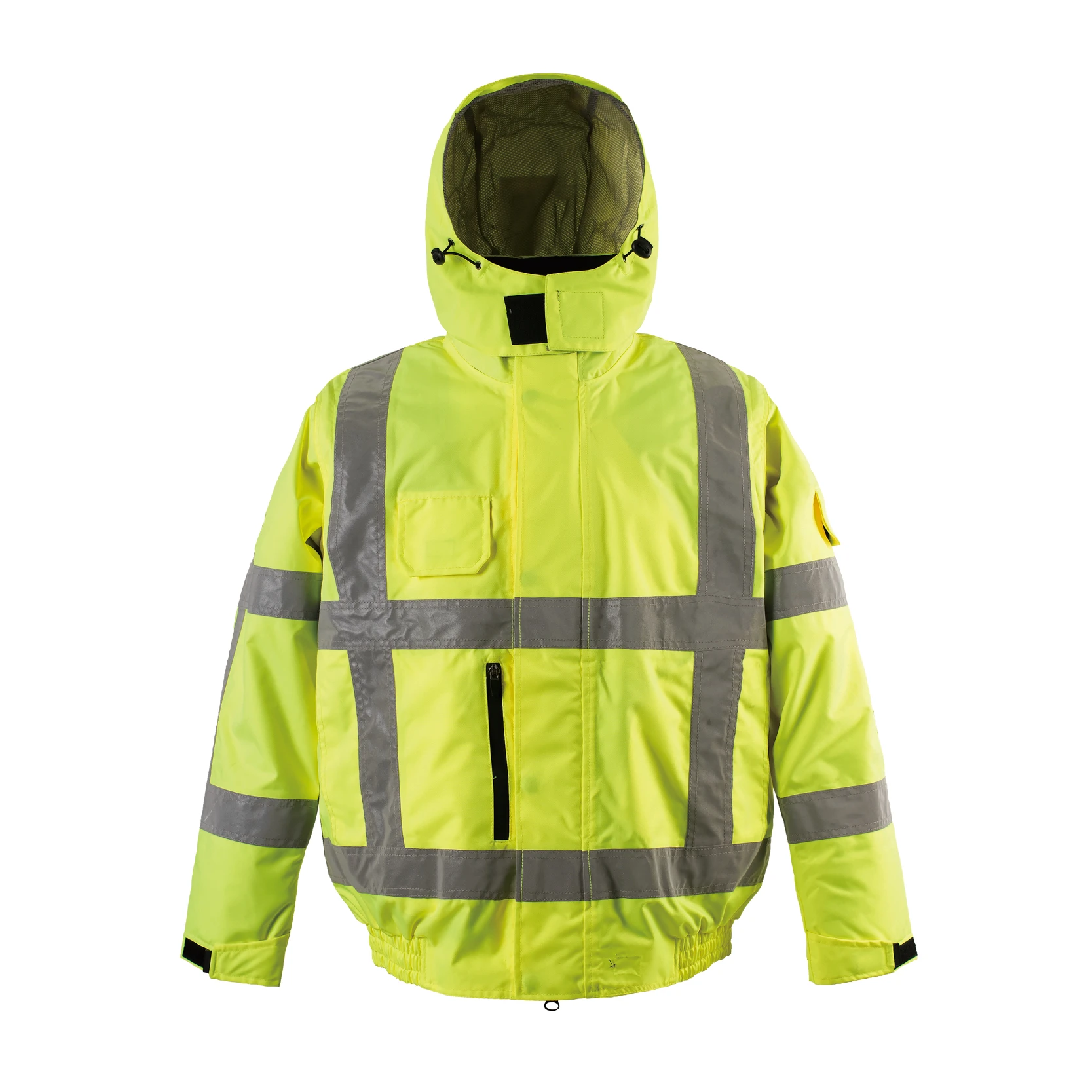
Put simply, it’s a jacket made from specially engineered materials that enhance brightness and visibility but with minimal fabric weight and bulk. These jackets incorporate fluorescent fabrics with retroreflective tapes positioned strategically for all-round visibility. Unlike standard heavy-duty vests or thicker coats, these jackets prioritize comfort, breathability, and ease of movement.
Industries like construction, emergency response, traffic management, and logistics rely heavily on these jackets. They also find unique roles in humanitarian aid and disaster relief, where lightweight gear must be shipped quickly and worn in unpredictable conditions.
Key Factors Defining a Quality Lightweight High Visibility Jacket
1. Durability
Despite their lightness, these jackets need to endure abrasion, rain, and repeated washing. Materials like ripstop nylon or polyester blends with reinforced seams are common choices—engineered to last without thinning or fading.
2. Breathability & Comfort
Workers often wear these jackets for hours at a time; hence designs focus on mesh panels or moisture-wicking fabrics that reduce sweat build-up. This means less irritation and more willingness to keep the gear on consistently.
3. Visibility Standards Compliance
Meeting or exceeding standards such as ANSI/ISEA 107 in the US or EN ISO 20471 in the EU ensures high retroreflective performance. Strategic placement of tape around shoulders, torso, and arms enhances 360-degree visibility.
4. Lightweight Construction
Reducing fabric weight to under 300 grams per square meter while retaining strength is an ongoing technical feat. This balance influences overall mobility and worker fatigue.
5. Weather Resistance
Often these jackets need some level of water resistance or windproofing without sacrificing breathability, striking another careful balance.
Product Specification Table: Typical Lightweight High Visibility Jacket
| Feature | Specification |
|---|---|
| Material | Ripstop Polyester with Mesh Panels |
| Weight | Approx. 280g/m² |
| Visibility Standard | EN ISO 20471 Class 2 |
| Retroreflective Tape | Silver, 50mm width, 3M Scotchlite |
| Water Resistance | Light water repellency |
| Available Sizes | S to 3XL |
Global Applications & Use Cases of Lightweight High Visibility Jackets
In many ways, these jackets form a critical piece of the global safety puzzle:
- Construction Sites: Across booming urban centers in India and Brazil, high visibility clothing is mandated to minimize falling-object or vehicle collision accidents.
- Emergency Services: Firefighters and paramedics in Canada use lightweight versions during summer months for better comfort during prolonged outdoor operations.
- Transport & Logistics: Warehouse staff in Europe rely on such jackets for clear visibility around heavy machinery, especially in low-light settings like dawn or dusk shifts.
- Disaster Relief Efforts: UN response teams in flood zones appreciate the easy packability, obvious visibility, and breathability when working long shifts under tough conditions.
Interestingly, many organizations sourcing these jackets emphasize not just the compliance but also worker feedback—to improve design features over time.
Advantages & Long-Term Value
Beyond ticking safety boxes, lightweight high visibility jackets offer tangible benefits:
- Cost Efficiency: More durable, user-friendly PPE reduces replacements and training time.
- Sustainability: Some manufacturers use recycled polyester, contributing to circular economy goals.
- Worker Well-being: Comfort and breathability translate to less fatigue, which decreases accident risk—plus a morale boost.
- Social Trust: Companies adopting best-in-class safety protocols build better reputations among clients and governments.
Vendor Comparison for Popular Lightweight High Visibility Jackets
| Vendor | Material | Compliance | Weight (g/m²) | Price Range |
|---|---|---|---|---|
| BrightWear Co. | Ripstop Polyester | EN ISO 20471 Class 2 | 300 | $$ |
| SafeGear Ltd. | Recycled Polyester Blend | ANSI/ISEA 107 Type R | 280 | $$$ |
| VisibilityPro | Polyester Mesh Hybrid | EN ISO 20471 Class 3 | 295 | $$$$ |
Future Trends & Innovations in Lightweight High Visibility Jackets
Looking forward, the fusion of technology and gear design for safety wear is fascinating. We’re seeing:
- Smart Fabrics: Embedded LEDs and sensors to enhance visibility actively, not just passively.
- Eco-friendly Materials: Companies pioneering bio-based or recycled polymers for the polyester fibers.
- Integration with Wearable Tech: GPS trackers and body temperature monitors seamlessly built into jackets.
- Digital Customization: Tailoring jackets via 3D scanning for perfect fit and enhanced ergonomics.
All these advancements reinforce the central aim—maximizing safety while improving human experience.
Challenges & Solutions
The lightweight nature, oddly enough, can bring some hurdles. Breathability might come at the cost of water resistance. Plus, retroreflective tapes sometimes peel with frequent washing. Solutions include:
- New laminates balancing waterproof and breathable qualities.
- Improved adhesive and stitching techniques for reflective materials.
- User education on proper care to extend jacket lifespan.
FAQ: Frequently Asked Questions About Lightweight High Visibility Jackets
- What is the best way to maintain a lightweight high visibility jacket?
- It’s best to follow manufacturer care instructions closely. Generally, wash in cold water with mild detergent, avoid bleach, and line dry. This prevents damage to reflective tapes and keeps the fabric durable.
- Are lightweight jackets effective in heavy rain?
- They usually offer light water resistance but are not fully waterproof. For heavy rain, layering with a waterproof shell is recommended to maintain breathability while staying dry.
- How do I know if a jacket meets safety standards?
- Look for certification labels such as EN ISO 20471, ANSI/ISEA 107, or equivalent. These indicate testing for brightness, reflectivity, and placement effectiveness.
- Can these jackets be customized with company logos or colors?
- Yes, many suppliers provide customization, including logo embroidery or printing, as long as safety color requirements are maintained.
Conclusion + Call to Action
In real terms, a lightweight high visibility jacket represents more than just PPE—it’s a commitment to worker safety, comfort, and operational efficiency. As industries evolve worldwide, adopting such advanced safety wear meets both regulatory demands and human needs. If you’re looking to upgrade your safety wardrobe or sourcing solutions that combine innovation with practicality, it’s worth exploring modern lightweight jackets tailored to your needs.
Ready to improve your team’s safety and comfort? Visit our website: https://www.jidegarment.com and discover a wide range of lightweight high visibility options made for today’s challenges.
Honestly, for those who've seen long shifts in the heat or freezing cold, the difference this kind of gear makes is significant—both physically and mentally.
Quick Takeaway
A well-designed lightweight high visibility jacket is a critical safety tool that blends technology, comfort, and global standards to protect lives efficiently.