
Why Lightweight Hi Vis Trousers Matter More Than You Think
When you hear “lightweight hi vis trousers,” you might think just another piece of safety gear — but they’re actually at the heart of protecting millions of workers globally. From bustling construction sites in Europe to disaster relief zones in Asia, these trousers play a surprisingly critical role in safety, comfort, and efficiency. Understanding them isn’t just for safety managers or procurement teams; it’s valuable for anyone involved in industrial work, emergency operations, or just those curious about how innovation meets necessity.
In a world where workplace accidents still claim thousands of lives annually, and where regulatory bodies like ISO and OSHA keep tightening standards, having the right personal protective equipment (PPE) isn’t negotiable. Lightweight hi vis trousers help meet this challenge by being not only protective but comfortable—and that’s a game-changer in long, demanding shifts.
Mini takeaway: Lightweight hi vis trousers fuse visibility and comfort, boosting worker safety on a global scale.
Global Importance of Lightweight Hi Vis Trousers in Industry
Globally, industries like construction, mining, and logistics rely heavily on high-visibility clothing. According to the International Labour Organization (ILO), nearly 2.3 million people die annually from work-related accidents or illnesses, many preventable with proper PPE. That’s where hi vis trousers come in.
Interestingly, countries with rapid urbanization or post-disaster reconstruction needs often face tougher challenges. For example, in Southeast Asia and parts of Africa, where infrastructure projects surge, lightweight hi vis trousers address a critical need: keeping workers safe in oppressive heat and humid conditions without the burden of heavy, stiff clothing.
Yet, this is not just about regulations or accident stats. It’s a real, day-to-day challenge for workers who, frankly, often complain that traditional heavy PPE slows them down or is just plain uncomfortable. Lightweight options promise a sort of balance, making life easier without sacrificing protection.
Mini takeaway: Lightweight hi vis trousers meet pressing global worksite safety needs—especially where climate and industry pose unique challenges.
Defining Lightweight Hi Vis Trousers: What They Are and Why They Matter
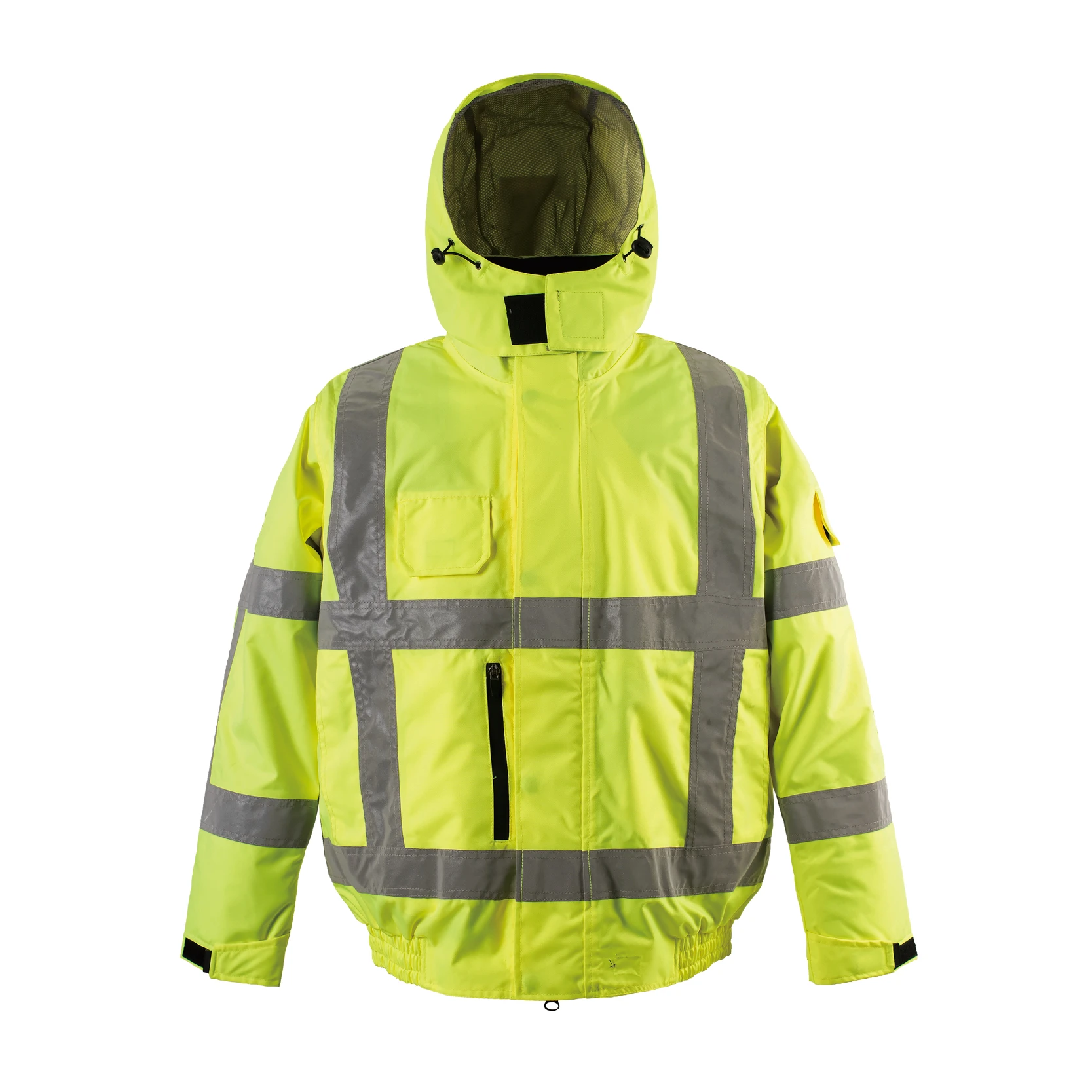
Put simply, lightweight hi vis trousers are high-visibility work pants made from breathable, lighter fabrics designed to keep workers easily seen in hazardous environments without the bulk. They combine fluorescent fabric—often neon yellow or orange—and reflective striping for visibility during day and night.
But that’s just the surface. These trousers are also engineered to be durable, often water-resistant, and adaptable to varied temperatures. They connect deeply with not just modern industrial safety but also humanitarian needs, like relief workers in disaster zones needing quick, effective PPE that doesn’t weigh them down.
In real terms, they’re the unsung heroes allowing construction crews, emergency responders, and highway workers to stay safe and comfortable, often in conditions where every second and every movement counts.
Mini takeaway: Lightweight hi vis trousers blend comfort, durability, and visibility for better on-the-job safety.
Key Components and Features of Lightweight Hi Vis Trousers
1. Breathable and Lightweight Fabric
Typically made from polyester or blends with cotton, these materials allow sweat evaporation, critical in warm climates. They cut down heat stress—a common, though often overlooked risk in working environments.
2. High-Visibility Colors and Reflective Tape
They use fluorescent colors visible from over 1,000 feet and reflective tape widths usually between 50-75mm, complying with ISO 20471 standards. This ensures workers remain visible in low light or bad weather.
3. Durability & Tear Resistance
These trousers must endure abrasion, ripping, and frequent washing. Advanced stitching and fabric treatments boost longevity, meaning they can handle rugged jobs without falling apart.
4. Comfort and Fit
Designers focus on ergonomic cuts and adjustable waists to facilitate movement—something I noticed is often missing in older PPE models. If it hampers movement, workers might avoid wearing it properly.
5. Water and Chemical Resistance
Some trousers include coatings for water repellence or resistance against oils and mild chemicals, extending their utility in specialized industries.
6. Compliance and Certifications
They must comply with recognized safety standards like ANSI/ISEA 107 in North America, EN ISO 20471 in Europe, or equivalent. This ensures quality and safety efficacy.
Mini takeaway: Lightweight hi vis trousers skillfully balance breathability, durability, and visibility, powered by material science and smart design.
Practical Applications Around the World
These trousers find homes across numerous industries and continents. Consider:
- Construction sites in North America and Europe: where safety regulations are very strict, hi vis trousers are standard issue to reduce accidents.
- Disaster relief efforts in Asia-Pacific regions: light, easy-to-store trousers allow rapid deployment of workers.
- Logistics and warehousing in emerging markets: where visibility helps prevent accidents with moving machinery.
- Road and highway maintenance crews in urban and rural zones globally — the hallmark benefit is enhanced night-time visibility reducing vehicle collisions.
In fact, some NGOs involved in refugee camp setups use these trousers to equip staff quickly, ensuring they remain visible and protected amidst chaotic, fast-changing environments.
Mini takeaway: From mountainous terrains to mega cities, lightweight hi vis trousers support essential workers on the frontline of progress and recovery.
Advantages and Long-Term Value of Investing in Quality Lightweight Hi Vis Trousers
Safety is the obvious benefit, but there’s more beneath the surface.
- Comfort leads to compliance: When workers feel comfortable in their gear, they're more likely to wear it correctly and consistently.
- Cost efficiency: Lighter, breathable materials reduce replacement cycles due to wear and tear, saving money over time.
- Environmental impact: Many brands now embrace sustainable fabrics or manufacturing methods, contributing to better corporate social responsibility.
- Dignity and morale: Quality PPE signals care and respect for workers, which can boost morale and productivity.
- Safety and trust: Reliable visibility reduces accidents, building trust between management and employees.
One plant manager told me, “Since switching, not a single visibility-related accident happened—and workers actually asked for more hi vis gear because it's comfortable!”
Mini takeaway: Lightweight hi vis trousers aren’t just protective gear; they’re a long-term investment in safety culture and operational efficiency.
What’s Next? Future Trends & Innovations in Hi Vis Workwear
Looking ahead, expect even smarter fabrics integrating:
- Nanotechnology for self-cleaning and enhanced durability.
- Eco-friendly fibers like recycled polyester or bio-based materials, improving sustainability.
- Smart textiles with embedded sensors to detect temperature, movement, or exposure to hazards.
- Digital supply chain tools that allow better customization and ordering for companies, reducing waste.
Couple that with rising global focus on worker welfare, and lightweight hi vis trousers will continue evolving to meet new safety regulations and environmental goals.
Mini takeaway: The future will bring smarter, greener, and more connected hi vis trousers—tailored for the challenges of tomorrow.
Challenges and How Industry Experts Are Tackling Them
One big hurdle? Balancing cost and quality. Cheaper trousers often sacrifice durability and true visibility standards.
Another: Fit and comfort differ widely across body types—something not all brands customize. This causes some workers to reject PPE.
To counter this, many manufacturers now offer modular sizing, adjustable waists, and have enhanced training about why proper wear matters.
Further, innovation in textile coatings and finishing processes are helping create trousers that feel lighter but still pass tough tests.
Mini takeaway: The industry's learning curve leads to gear that’s not just lightweight but smarter and better fitting, reducing the “gear rejection” problem.
Frequently Asked Questions About Lightweight Hi Vis Trousers
- Q: How do lightweight hi vis trousers improve worker safety compared to regular work pants?
- A: They enhance visibility with fluorescent materials and reflective tape, reducing the risk of accidents, especially in low-light conditions. Their breathable design also prevents heat stress, ensuring workers don’t compromise on wearing them.
- Q: Are these trousers suitable for extreme weather conditions?
- A: Yes, many lightweight hi vis trousers come with water-resistant coatings and breathable fabrics ideal for hot and wet environments. However, in freezing conditions, they may need to be layered with thermal wear.
- Q: What compliance standards should I look for when buying hi vis trousers?
- A: Look for certifications like EN ISO 20471 (Europe), ANSI/ISEA 107 (USA), or equivalent local standards that verify the garment’s visibility and durability performance.
- Q: Can lightweight hi vis trousers be customized for specific industries?
- A: Absolutely. Many vendors offer options like flame retardant fabrics for oil and gas, added pockets for utility, or enhanced chemical resistance, making them versatile across sectors.
- Q: How should I care for my hi vis trousers to maintain visibility?
- A: Follow manufacturer washing instructions carefully—usually cold wash with mild detergent and avoid bleach. This preserves the fluorescent colors and reflective tape integrity over time.
Lightweight Hi Vis Trousers Specification Table
| Feature | Specification | Benefit |
|---|---|---|
| Material | 65% Polyester, 35% Cotton | Lightweight, breathable & durable |
| Reflective Tape | 3M™ Scotchlite™, 50 mm width | Enhanced day/night visibility |
| Weight | Approx. 250 grams/m² | Reduces fatigue during long shifts |
| Certifications | EN ISO 20471 Class 2 | Meets EU visibility standards |
| Water Resistance | DWR Coating | Repels light rain & spills |
Vendor Comparison Highlight
| Vendor | Product Range | Price Range (USD) | Customization Options | Lead Time |
|---|---|---|---|---|
| Jide Garment | Wide (Hi Vis trousers, jackets, vests) | $15–$30 per piece | Sizes, Reflective Patterns, Logo Printing | 2–4 weeks |
| BrightSafe | Focus on lightweight trousers & vests | $20–$35 per piece | Limited customization | 3–5 weeks |
| WorkGuard International | Comprehensive PPE portfolio | $18–$40 per piece | Extensive, including fabric type | 4–6 weeks |
If you want to explore options for your team, I strongly recommend checking out lightweight hi vis trousers — they strike a perfect balance between cost and quality and offer solid customization to meet your needs.
Wrapping It Up: Why Lightweight Hi Vis Trousers Are a No-Brainer
Over time, the importance of lightweight hi vis trousers keeps expanding—not just because they're mandated by regulation, but because they're genuinely practical and improve worker morale, safety, and comfort. It might seem like a small piece of clothing, but it’s part of a global puzzle: keeping millions of workers safer while boosting efficiency and sustainability.
Want your team outfitted with trusted, comfortable gear that ticks all the boxes? Explore the evolving world of hi vis clothing—and maybe start with a pair of lightweight hi vis trousers.