
Insulated Reflective Vest: Safety Meets Comfort Across Industries
At first glance, an insulated reflective vest might just look like a bright safety garment—but in reality, it’s an ingenious solution addressing global safety, energy efficiency, and worker welfare all at once. Given the rapid expansion of industries working in harsh or low-visibility environments, having a vest that combines insulation and reflectivity is more than a convenience; it’s a necessity that saves lives and improves productivity.
Worldwide, countless workers—from construction crews in Scandinavian winters to disaster relief teams in tropical storm zones—rely on these vests. According to the International Labour Organization, workplace accidents decrease significantly with proper protective gear, and insulated reflective vests happen to be among the most versatile. Why? Because they tackle two key hazards simultaneously: temperature extremes and visibility challenges.
Understanding the Insulated Reflective Vest
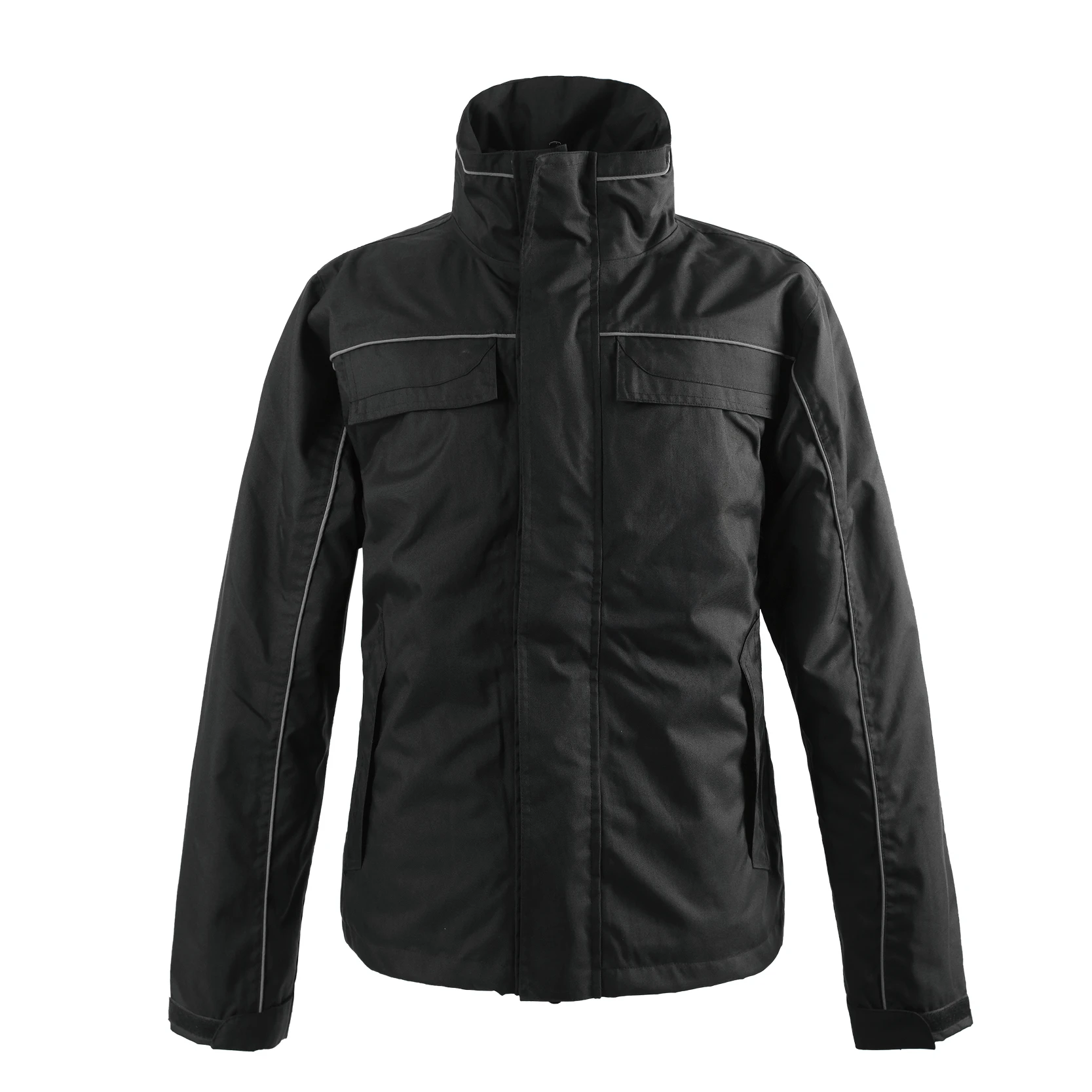
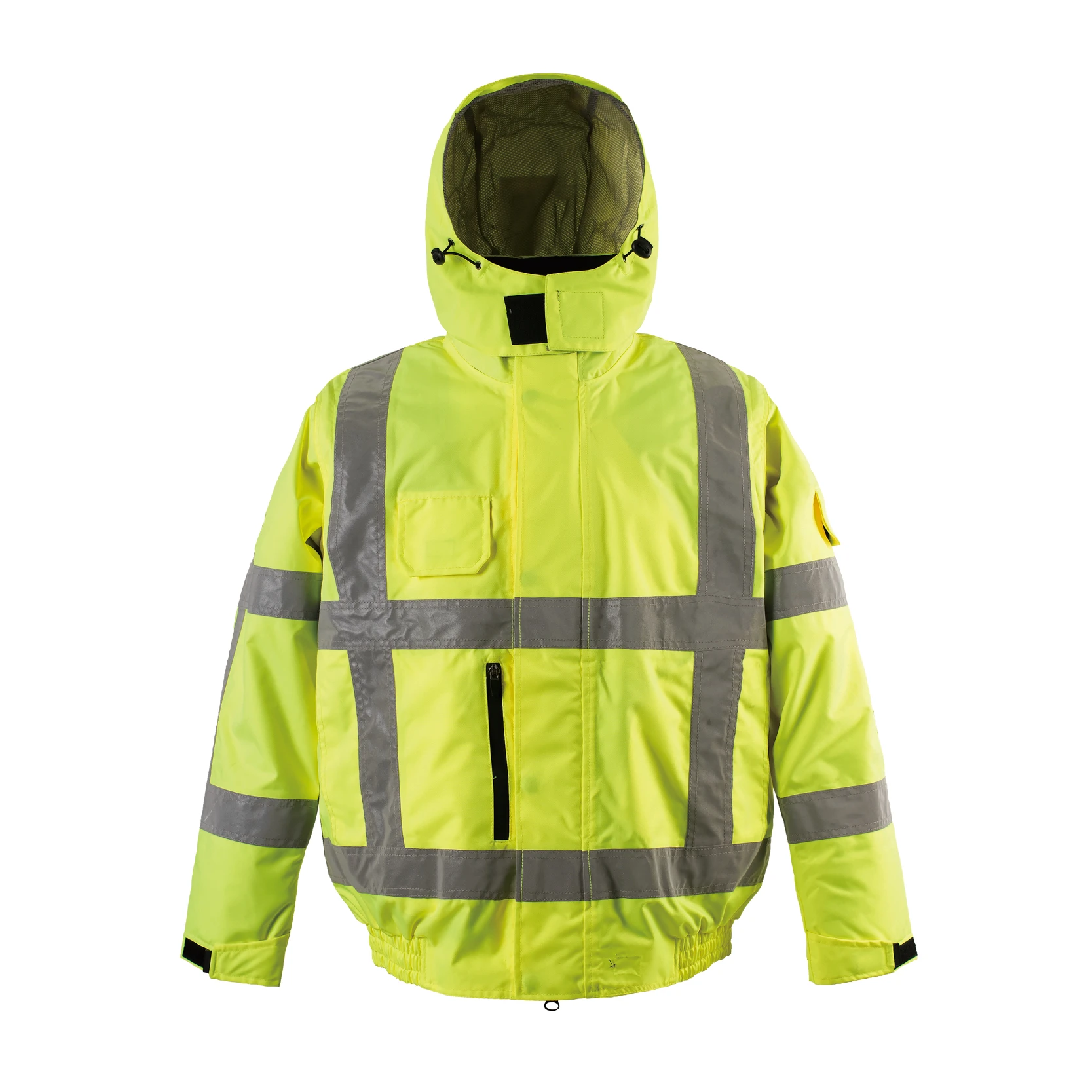
Simply put, an insulated reflective vest is a piece of protective clothing designed to keep the wearer warm while also making them visible in low-light or hazardous conditions. It’s a hybrid, combining thermal insulation—often through synthetic or natural fibers—with highly reflective materials that bounce back light from headlamps, vehicle headlights, or ambient sources.
In modern industrial contexts, these vests are pivotal. Think of a utility worker repairing power lines at night in winter, or a volunteer at a post-disaster site coordinating efforts amid smoke and dust. The vest not only keeps them comfortable but ensures they don’t blend into the environment and risk being overlooked.
Key Factors Defining an Insulated Reflective Vest
1. Thermal Insulation
The core feature is insulation. Many vests use fleece linings, Thinsulate™, or other lightweight, breathable materials that trap body heat without weighing the wearer down. Balancing warmth with moisture-wicking helps prevent overheating during active work, a fine line engineers often grapple with.
2. Reflective Material Quality
Visibility depends on high-visibility fabrics and reflective tapes. Standards like ISO 20471 guide the class rating for industrial reflective clothing, meaning not all “reflective vests” are equally bright. The right combination often involves segmented, durable strips positioned strategically for maximum 360° reflection.
3. Durability and Comfort
Construction zones and harsh environments require rugged textiles resistant to tears, abrasions, and UV damage. Yet, comfort is no afterthought—vests should allow freedom of movement and breathability, so workers can focus without distractions.
4. Customization and Functionality
Today’s vests come with added features—multiple pockets, radio holders, attachment clips for ID badges, or even integrated LED lights. Some manufacturers offer waterproof options or add windproof shells for extra protection, making them multipurpose garments.
5. Compliance and Certification
Meeting safety standards (like ANSI/ISEA in the US or EN ISO in Europe) matters because employers want assurance their teams are protected according to legal frameworks—important for liability and insurance coverage.
Mini Takeaway:
The insulated reflective vest might seem straightforward, but it’s an outcome of intricate design balancing warmth, visibility, durability, and compliance. Getting it right means safer, more efficient workers and fewer accidents.
Where Insulated Reflective Vests Make a Real Difference
Use cases for these vests span a wide range of industries and geographies:
- Construction & Road Work: Night-shift workers repairing highways need visibility and protection from cold winds.
- Emergency & Disaster Relief: Teams operating in post-disaster zones, often with poor lighting and unpredictable weather.
- Utilities & Maintenance: Electricians, plumbers, or telecom technicians working in outdoor environments.
- Transportation & Logistics: Warehouse personnel and dock workers benefit from the combined insulation and reflectivity.
- Mining and Heavy Industry: Underground workers or those in cold mining emergencies require specialized thermal gear.
In some northern regions like Canada and Scandinavia, insulating features are mandated due to extreme cold spells. Meanwhile, tropical countries focus more on retroreflective properties during monsoon seasons when visibility plummets suddenly.
Takeaway:
Though vastly different in climate or challenge, users everywhere rely on insulated reflective vests as an essential safety and comfort tool.
Inside the Insulated Reflective Vest: Product Specs at a Glance
| Specification | Typical Feature | Benefit |
|---|---|---|
| Insulation Material | 100g Thinsulate™ with fleece lining | Lightweight warmth & moisture control |
| Reflective Tape | 3M Scotchlite segmented tape | High visibility from all angles |
| Shell Fabric | Ripstop polyester with PU coating | Tear resistance & water repellence |
| Pockets & Accessories | 4 pockets, radio clip, ID badge holder | Functional organization & hands-free use |
| Compliance | ANSI/ISEA 107 Class 3 | Trusted industrial safety standard |
Comparing Leading Vendors of Insulated Reflective Vests
| Vendor | Material Quality | Customization Options | Price Range | Delivery Lead Time |
|---|---|---|---|---|
| Jide Garment | Premium 3M Tape & Thinsulate™ | Full branding, pockets, accessories | $$ | 2–3 weeks |
| SafeWear Co. | Standard reflective fabric | Limited color & size options | $ | 4–5 weeks |
| ProColor Safety | High-end fabrics, proprietary coatings | Custom sizes, led light integration | $$$ | 3–4 weeks |
Advantages and Long-Term Value of Insulated Reflective Vests
The combination of insulation and visibility yields multifaceted returns:
- Cost Efficiency: Fewer accidents mean lower insurance premiums and downtime.
- Worker Satisfaction: Comfort in cold weather reduces fatigue and boosts morale.
- Environmental Sustainability: Durable designs extend wear life, reducing waste.
- Social Impact: Employers demonstrate care for safety, attracting top talent.
On an emotional level, workers can feel safer, more respected, and even empowered with gear that’s tailored to their needs. Frankly, it’s about respect for human dignity as much as it is about hard safety protocols.
Emerging Trends and the Future of Insulated Reflective Vests
Innovation pushes this niche garment forward slowly but surely:
- Smart Fabrics: Integration of sensors monitoring body temperature or location.
- Eco-Friendly Materials: Biodegradable insulation and recycled reflective materials.
- Energy Harvesting: Vests that capture solar or kinetic energy to power safety lights.
- Regulatory Shifts: Stricter global standards pushing uniform upgrades.
You can almost imagine the day when your vest syncs with your phone or alerts supervisors if temperatures drop dangerously low or visibility drops unexpectedly. It feels like protection is becoming as smart as the jobs need it to be.
Common Challenges and Practical Solutions
Not everything’s perfect:
- Weight vs Warmth: Some vests are bulky, limiting mobility. The solution? Lightweight insulation balancing warmth with flexibility.
- Visibility Wear-Off: Reflective tape can degrade; manufacturers now use segmented, replaceable tapes or UV resistant coatings.
- Cost Constraints: Premium materials are expensive. Vendors like Jide offer mid-range options catering to various budgets.
- Sizing and Fit: A generic fit causes discomfort—more brands offer customizable sizing now.
Still, the trend is toward continuous improvement as companies listen to frontline workers rather than just specs.
FAQ: Your Top Questions About Insulated Reflective Vests
- Q1: How do insulated reflective vests differ from standard reflective vests?
- A1: Standard reflective vests prioritize visibility but often lack thermal properties. Insulated reflective vests combine visibility with warmth, making them suitable for colder or variable environments.
- Q2: Can these vests be machine washed without losing reflectivity?
- A2: Most high-quality insulated reflective vests feature durable reflective tape designed to last multiple wash cycles. However, gentle washing is recommended to preserve reflective properties longer.
- Q3: Are insulated reflective vests suitable for all climates?
- A3: While excellent for cold or low-visibility conditions, their insulation makes them less ideal for very hot climates unless designed with breathable fabrics and ventilation.
- Q4: What certifications should I look for when buying insulated reflective vests?
- A4: Look for ISO 20471, ANSI/ISEA 107, or EN 471 certifications to ensure compliance with recognized safety standards.
- Q5: How customizable are insulated reflective vests for company branding?
- A5: Most manufacturers provide options for logos, colors, and additional pockets or features tailored to company needs, enhancing brand presence and worker identification.
Wrapping Up: Why Insulated Reflective Vests Matter
To sum it up, insulated reflective vests aren’t just gear — they’re a frontline solution where visibility meets warmth, and comfort meets safety compliance. Whether you manage a construction workforce, coordinate emergency teams, or outfit industrial staff, investing in quality insulated reflective vests delivers long-term value that’s hard to overlook.
Want to learn more? Visit https://www.jidegarment.com to explore tailored solutions that meet your specific safety and comfort needs.