
Insulated High Vis Coveralls: Why They Matter More Than Ever
Imagine a piece of workwear that does so much more than just cover your clothes — it shields you from bitter cold, keeps you visible in the worst conditions, and holds up when everything else feels like it's falling apart. That’s basically what insulated high vis coveralls bring to the table. They’re not just jackets or pants sewn together; they’re lifesavers, trust builders, and productivity enhancers all rolled into one.
Globally, harsh climates and stringent safety regulations mean there’s a rising demand for gear that’s both insulated and highly visible. From the icy landscapes of Canada to bustling infrastructure projects in Europe and South America, workers depend on it daily. And when you grasp the key benefits — warmth, visibility, durability — you quickly realize why understanding these coveralls is more than just a fashion statement for those in hazardous jobs.
Understanding the Global Significance of Insulated High Vis Coveralls
According to the International Labour Organization (ILO), over 2.3 million people die annually from workplace accidents or diseases, many avoidable through proper safety equipment. The ISO standards for high visibility clothing emphasize the critical role of protective apparel in reducing accidents — especially in low-light or extreme weather conditions. What’s striking is the growing gap between workplace risks and the adequacy of protective gear in developing nations, often exacerbated by climate challenges.
Data from the World Bank highlights that industries like construction, oil and gas, and agriculture in colder zones have seen a 15% reduction in injuries when insulated high vis coveralls are correctly implemented. Yet, too many workplaces still overlook the kind of layered protection that these coveralls embody, making them an essential investment worldwide.
So, What Exactly Are Insulated High Vis Coveralls?
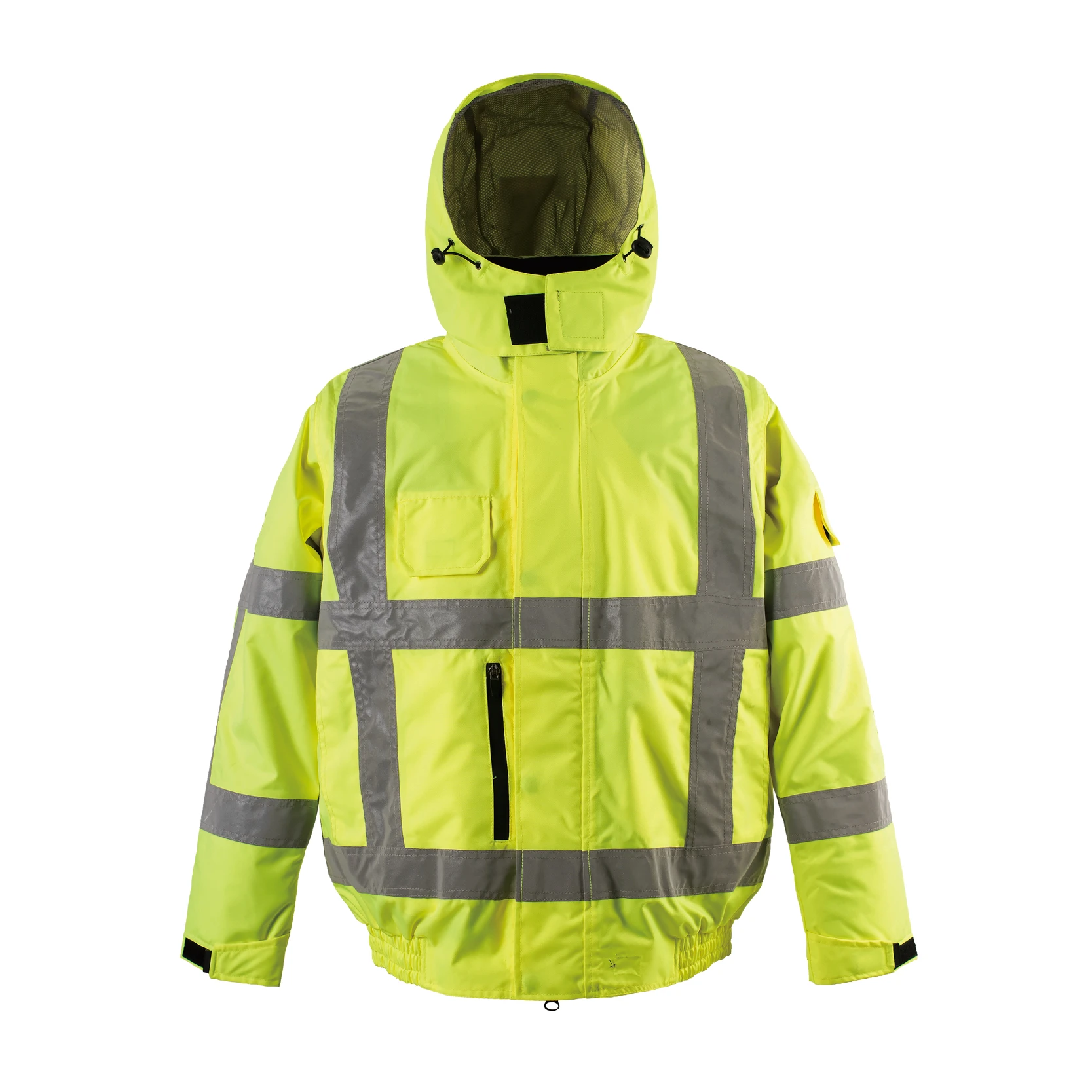
At their core, insulated high vis coveralls are one-piece garments designed to protect the wearer from cold temperatures while ensuring high visibility. These coveralls combine thermal lining — often fleece, wool, or advanced synthetics — with reflective and fluorescent materials adhering to international safety standards.
Practically speaking, they wrap workers up against biting winds, sleet, or even prolonged exposure to chilly environments, all while making sure they stand out clearly on the job site. They’ve become staples not only in heavy industry but also in humanitarian missions, where visibility and warmth can be matters of life or delay.
Key Components of Insulated High Vis Coveralls
Durability
These coveralls endure the harshest daily stresses — abrasion, stains, even occasional sparks. Most are crafted with rip-stop fabrics and reinforced seams, so you’re not buying something that tears after a week on the job. In freezing environments, they need to be both tough yet flexible.
Thermal Insulation
The secret sauce is often the insulation layer — sometimes multi-layered jackets or quilted linings. Materials like Thinsulate or PrimaLoft provide warmth without excessive bulk, which helps workers move freely.
Visibility Standards
ANSI/ISEA 107 (US) and EN ISO 20471 (Europe) are two foremost standards these coveralls meet or exceed. This means wide bands of fluorescent fabric plus reflective strips placed strategically to maximize visibility day or night.
Comfort & Fit
Something I noticed while reviewing various models is the importance of ergonomic tailoring. Good coveralls offer adjustable cuffs, stretch panels, and breathable fabrics where needed — all small factors that decide whether the wearer will actually keep it on.
Water & Weather Resistance
For outdoor workers, water repellency or proofing can be a lifesaver. Many come with Durable Water Repellent (DWR) coatings, keeping the insulation dry and effective even in snow or light rain.
Easy Maintenance
Heavy gear that’s a nightmare to clean won’t last long in real use. Washing instructions and quick-drying properties matter, as do materials that resist stains or fading.
Mini Takeaway:
Simply put, insulated high vis coveralls blend technology and thoughtful design to meet the harsh realities workers face, not just tick boxes on a specs sheet.
Where You See Insulated High Vis Coveralls in Action Globally
- Northern Europe & Canada: With winter conditions that can last half the year, construction crews, utility workers, and even airport ground staff rely heavily on these coveralls.
- Mining Operations in Australia & South America: Deep-shaft miners wear insulated hi-vis gear for safety and warmth underground.
- Disaster Relief & Humanitarian Missions: NGOs deploying aid workers in cold, conflict zones arm their teams with insulated high vis coveralls to ensure visibility and protection simultaneously.
- Offshore Oil Rigs: The combination of ocean spray, strong winds, and night shifts make these indispensable gear for rig workers worldwide.
Mini Takeaway:
Different regions and sectors share one common thread: insulated high vis coveralls meet a universal need for visibility and warmth, especially in remote or hazardous places.
The Real Benefits and Lasting Value of Insulated High Vis Coveralls
First, there’s the obvious: reducing accidents. Being seen is literally saving lives. Then comes comfort — workers are less likely to remove layers if those layers don’t hamper their job. It’s a trust thing, too: reliable gear creates confidence, boosting morale and productivity.
Cost-wise, it might look like an upfront investment, but the return is in fewer sick days, lower injury rates, and extended lifespan of clothing replacements. Sustainability is also rising in product designs — many manufacturers now use recycled textiles or environmentally friendlier dyes.
On an emotional note, wearing gear that protects your body and signals your presence respects not just safety but dignity. The joy in practical innovation lies in that quiet reassurance.
Specifications Table: Typical Insulated High Vis Coveralls
| Feature | Details |
|---|---|
| Material | Rip-stop polyester with Thinsulate insulation |
| Visibility Certification | ANSI/ISEA 107 Type R Class 3, EN ISO 20471 Class 3 |
| Weight | 850-950 grams |
| Water Resistance | Durable Water Repellent (DWR) coating |
| Sizes | S to 5XL, with adjustable cuffs and waist |
| Closure | Heavy duty zipper with storm flap |
Vendor Comparison: Leading Insulated High Vis Coveralls Brands
| Brand | Price Range (USD) | Certifications | Material Highlight | Customer Rating |
|---|---|---|---|---|
| Jide Garment | $60 - $90 | ANSI/ISEA 107, EN ISO 20471 | Thinsulate, waterproof polyester | 4.7 / 5 |
| WorkSafe Pro | $75 - $110 | EN ISO 20471 Class 3 | PrimaLoft insulation | 4.4 / 5 |
| HeatGuard | $80 - $120 | ANSI/ISEA 107 Type R | 3M reflective tape, thermal fleece | 4.5 / 5 |
Looking Ahead: Innovations and Trends in Insulated High Vis Coveralls
Green energy drives a shift even in personal protective equipment. Imagine coveralls with solar-charged heating panels or integrating IoT devices that alert supervisors when a worker’s temperature dips dangerously low. These aren’t sci-fi stories but real research arenas.
Meanwhile, advances in fabric tech lean towards biodegradable insulation and smarter, lighter reflective materials that don’t sacrifice visibility at night. Automation in production, particularly AI-driven quality testing, promises more consistent safety standards across the board. The future looks warm, bright, and smarter.
Challenges and Clever Solutions
One persistent issue is balancing insulation thickness and mobility — too bulky and workers tire fast; too thin and they risk cold-related illnesses. Additionally, maintaining high visibility without compromising breathability remains tricky.
Innovative layered designs using stretch fabrics and ventilated liners help keep this balance. Also, tailored solutions depending on climate zones, job types, and gender improve effectiveness and adoption rates. Expert advice? Don’t settle for “off-the-rack” if your environment demands more – customization is worth the investment.
FAQs About Insulated High Vis Coveralls
- Q1: How do insulated high vis coveralls differ from regular coveralls?
- A1: Regular coveralls provide basic protection, but insulated high vis coveralls combine thermal insulation with bright, reflective materials to ensure warmth and visibility, especially in cold or low-light settings.
- Q2: Can I wash insulated high visibility coveralls at home?
- A2: Typically yes, but always follow manufacturer care instructions to preserve insulation layers and reflective tape. Avoid bleach and fabric softeners that can degrade materials.
- Q3: Are insulated high vis coveralls suitable all year round?
- A3: They’re primarily designed for colder environments. For hot weather, lighter high vis gear is recommended. However, some models offer removable insulation for versatility.
- Q4: How do I choose the right size?
- A4: Sizes usually range broadly, but consider layering underneath. It’s better to size up slightly for mobility and comfort — especially with thick insulation.
- Q5: Where can I buy reliable insulated high vis coveralls?
- A5: Trusted suppliers like Jide Garment offer certified, tested coveralls tailored to various industries worldwide.
Conclusion: Stay Visible, Stay Warm, Stay Safe
The long-term benefits of insulated high vis coveralls go beyond regulations — they protect lives, increase workplace efficiency, and even show respect for the people who wear them. In an age where safety and sustainability meet innovation, choosing the right coveralls is about investing in trust, dignity, and peace of mind.
If you’re ready to upgrade your safety gear or curious about custom options, visit Jide Garment — your partner in advanced personal protective equipment.
Quick Takeaway
Insulated high vis coveralls are more than just clothing; they’re critical gear designed with care, technology, and real-world challenges in mind. Their role in global safety can’t be overstated, and anyone working in cold or hazardous environments should seriously consider them essential.