
Understanding the Inspector Safety Vest: A Global Necessity in Modern Work Environments
Inspector safety vests might seem like just one item on a long checklist for worker safety gear, but they’re much more than that. With workplaces across continents pushing harder for enhanced safety protocols—whether on a construction site, an industrial plant, or even during emergency relief efforts—these vests have become an indispensable part of keeping lives safe and operations smooth. The basic reason it matters so much is simple: visibility. But beyond just neon hues and reflective tape, these specialized vests bring a lot of practicality packed into what at first glance looks quite straightforward.
Globally, workplace accidents still represent a major concern, costing governments and companies billions each year. According to the International Labour Organization (ILO), over 2.3 million people die annually from occupational accidents or diseases. In these scenarios, things like the inspector safety vest are not a luxury but a frontline defense, especially in high-risk zones. Understanding their design and use unlocks benefits ranging from simple safety compliance to reducing liability risks and boosting worker confidence.
What Exactly Is an Inspector Safety Vest?
Put simply: an inspector safety vest is a high-visibility garment designed specifically for workplace inspectors, supervisors, and sometimes maintenance and logistics personnel. Unlike generic hi-vis vests, these often have tailored features like multiple pockets, reinforced panels, and compatibility with radios or ID badges. They’re meant not only to ensure you’re seen but also to support the demanding roles of monitoring safety compliance and reporting issues.
From a humanitarian viewpoint, these vests link directly to the broader context of occupational health and safety practices, which the ISO standards have been evolving swiftly to regulate. They embody the principle that “visibility saves lives” while being practical workwear that helps inspectors manage their tasks efficiently.
Core Components That Make Inspector Safety Vests Effective
1. Visibility
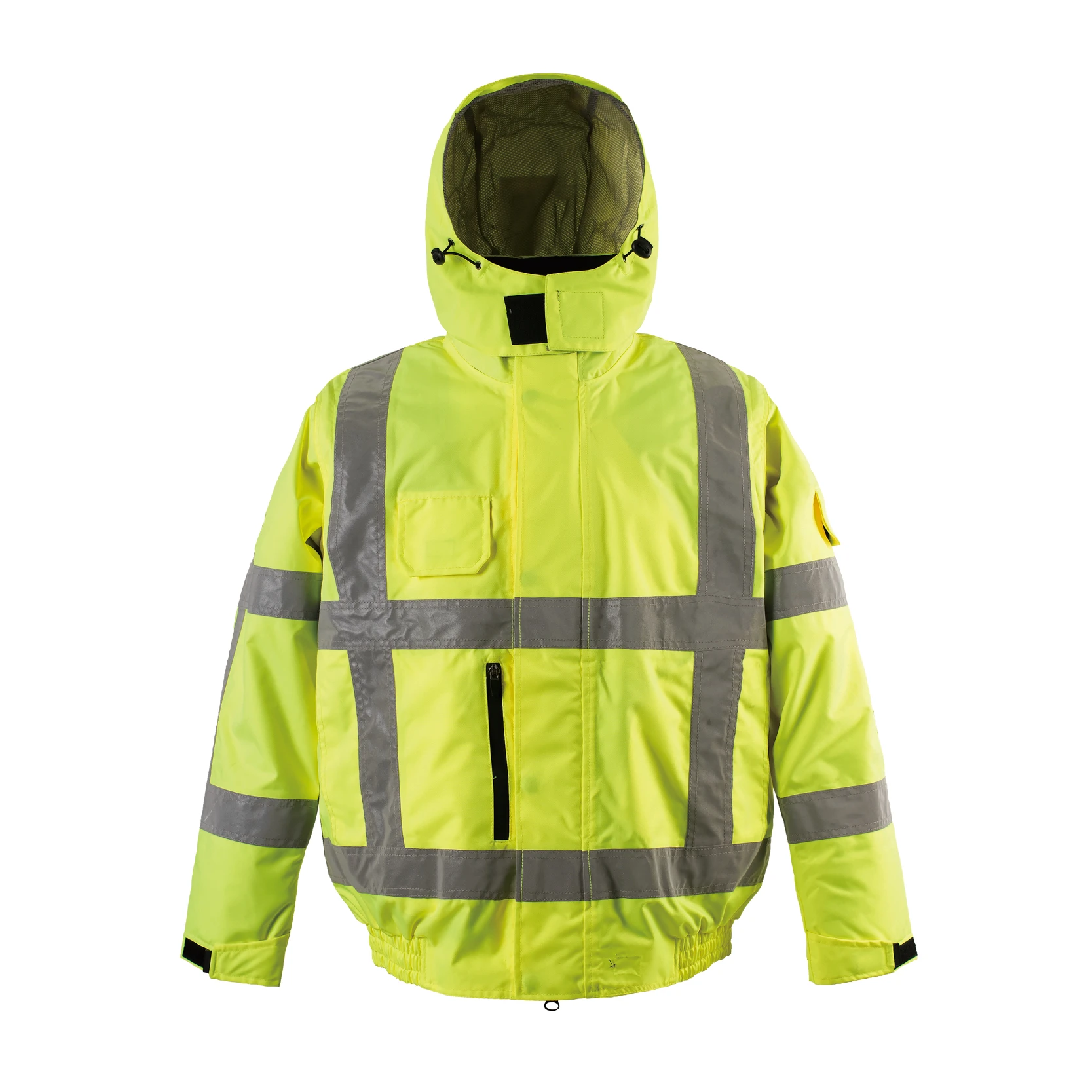
High-visibility fabrics (usually fluorescent yellow or orange) combined with reflective strips are the eyes of the vest. In challenging light or weather, these elements are crucial to spotting inspectors in the field.
2. Durability
These vests often feature tear-resistant materials, from ripstop polyester to lightweight mesh blends, enabling long use even in tough field conditions.
3. Practical Design Features
Multiple pockets with secure closures for tools, pens, and mobile devices, plus ID badge holders and sometimes radio loops are common touches that make an inspector’s day easier.
4. Comfort & Breathability
Since inspectors often work outdoors for hours, breathable mesh panels and adjustable fits are vital to stay comfortable while maintaining safety standards.
5. Compliance & Certification
Meeting standards like ANSI/ISEA 107 or EN ISO 20471 isn’t just marketing jargon. It guarantees the vest’s performance meets stringent visibility and durability requirements.
Mini Takeaway
At its heart, the inspector safety vest is an intersection of safety science and practical utility. It’s both a guardian and an enabler for those tasked with watching over the health of busy workplaces.
Where Inspector Safety Vests Come Into Play Around the World
While you might picture these vests exclusively on sprawling American construction sites or European industrial parks, their reach is truly global. In Southeast Asia, for example, rapidly growing manufacturing hubs have integrated inspector safety vests to reduce accidents and meet export compliance standards. In post-disaster zones—places hit by earthquakes, floods, or hurricanes—relief workers rely on these vests to maintain visibility amid chaos and debris.
Organizations such as the UN’s Office for the Coordination of Humanitarian Affairs (OCHA) use bright safety vests to swiftly identify field coordinators during relief missions. Even in mining regions in Africa or remote oil platforms in the Arctic, these vests are vital, allowing inspectors to stand out on vast and often hazardous terrain.
Typical Specifications: What to Look For in an Inspector Safety Vest
| Specification | Details |
|---|---|
| Visibility Color | Fluorescent Yellow or Orange |
| Reflective Tape | Silver 3M Scotchlite, 2-inch wide |
| Material | Ripstop Polyester or Mesh Polyester Blend |
| Pockets | Multiple, with zipper or Velcro closures |
| Certifications | ANSI/ISEA 107 Class 2 or 3, EN ISO 20471 |
| Sizes | S to 5XL, Adjustable |
Comparing Leading Vendors for Inspector Safety Vests
| Vendor | Key Features | Price Range (USD) | Certifications | Delivery Time |
|---|---|---|---|---|
| Safeguard Pro | Heavy-duty fabric, additional pockets, radio loops | $25 - $40 | ANSI/ISEA 107 Class 3 | 7-10 days |
| HiVis Gear Inc. | Lightweight mesh, great breathability, adjustable fit | $15 - $30 | EN ISO 20471 | 5-7 days |
| Jide Garment Co. | Custom branding, mixed fabrics, enhanced durability | $20 - $35 | ANSI 107 and EN 20471 | 7-12 days |
Long-Term Value: Why Inspector Safety Vests Are Worth It
When you think beyond the price tag, the cost-saving potential goes way up. Fewer accidents thanks to better visibility means lower insurance premiums and less downtime. Plus, these vests contribute to a safer culture that reflects well in employee morale and community reputation. I’ve met supervisors who swear by their vest as “part of their work armor”—not just because it prevents accidents, but because it symbolizes the company’s commitment to their well-being.
There’s also an emotional side here—imagine the confidence of a field inspector knowing they’re recognized easily by colleagues and emergency teams, even in dim or chaotic conditions. It’s subtle but powerful in forging trust both within teams and with clients.
Future Trends in Inspector Safety Vest Technology
Innovation in this sphere is quietly advancing. For instance, eco-friendly and recyclable materials are beginning to replace standard polyesters, aligning with global sustainability goals. Some manufacturers are integrating LED lights or smart sensors that alert supervisors if an inspector is immobilized or in distress—an impressive leap towards connected worker safety.
On a policy level, many regions are tightening regulation compliance, pushing companies to upgrade vests not only for visibility but also for integration with digital safety tracking systems. It feels like the inspector safety vest is on the cusp of becoming not just apparel, but a wearable safety device.
Common Challenges and How to Overcome Them
Coverage and fit remain tricky. A vest that’s too loose or too tight can hinder inspection tasks, and inconsistent adherence to safety regulations sometimes leads to subpar quality vests on site. Another hurdle is climate: extreme heat causes sweating and discomfort, sometimes making workers reluctant to wear the vest properly.
To tackle these issues, experts recommend choosing vests with adjustable features and breathable fabrics tailored to the climate. Training supervisors on correct vest usage and reinforcing PPE importance helps too—it’s not just about owning the vest but owning the responsibility that comes with it.
FAQ: Your Questions About Inspector Safety Vests Answered
Q1: What standards should an inspector safety vest meet?
A: Look for ANSI/ISEA 107 (if in the US) or EN ISO 20471 (in Europe), which certify vests for high visibility requirements safe for industrial environments.
Q2: Can inspector safety vests be customized with company logos?
A: Absolutely. Many vendors, including Jide Garment, offer branding options that help companies maintain a professional look while enhancing visibility.
Q3: Are there vests suitable for hot weather inspections?
A: Yes, mesh vests with excellent breathability and lightweight materials are designed to keep inspectors cool without sacrificing safety.
Q4: How often should inspector safety vests be replaced?
A: Typically, annually or sooner if damaged. Maintaining reflective quality is key, as worn-out tape loses effectiveness.
Q5: Can these vests be used beyond industrial settings?
A: Definitely. Emergency responders, event staff, and humanitarian workers also rely on inspector safety vests for quick identification and safety in busy environments.
Conclusion: Why the Inspector Safety Vest Is More Than Just Gear
In the grand scheme, an inspector safety vest protects lives, boosts efficiency, and supports regulatory compliance. It’s become a trusted companion for field inspectors worldwide who rely on it day in, day out—not merely for visibility but as a symbol of commitment to safety and professionalism. If you’re keen to equip your team with reliable, certified, and customizable safety vests, don’t hesitate to visit our website to explore options that fit your needs.
Mini Reflection & References
This little dive into the world of inspector safety vests uncovers a surprisingly complex mix of technology, regulation, and practical design—all aimed at saving lives in ways often overlooked until needed. It feels good knowing that something so simple can make such a difference out in the field.