
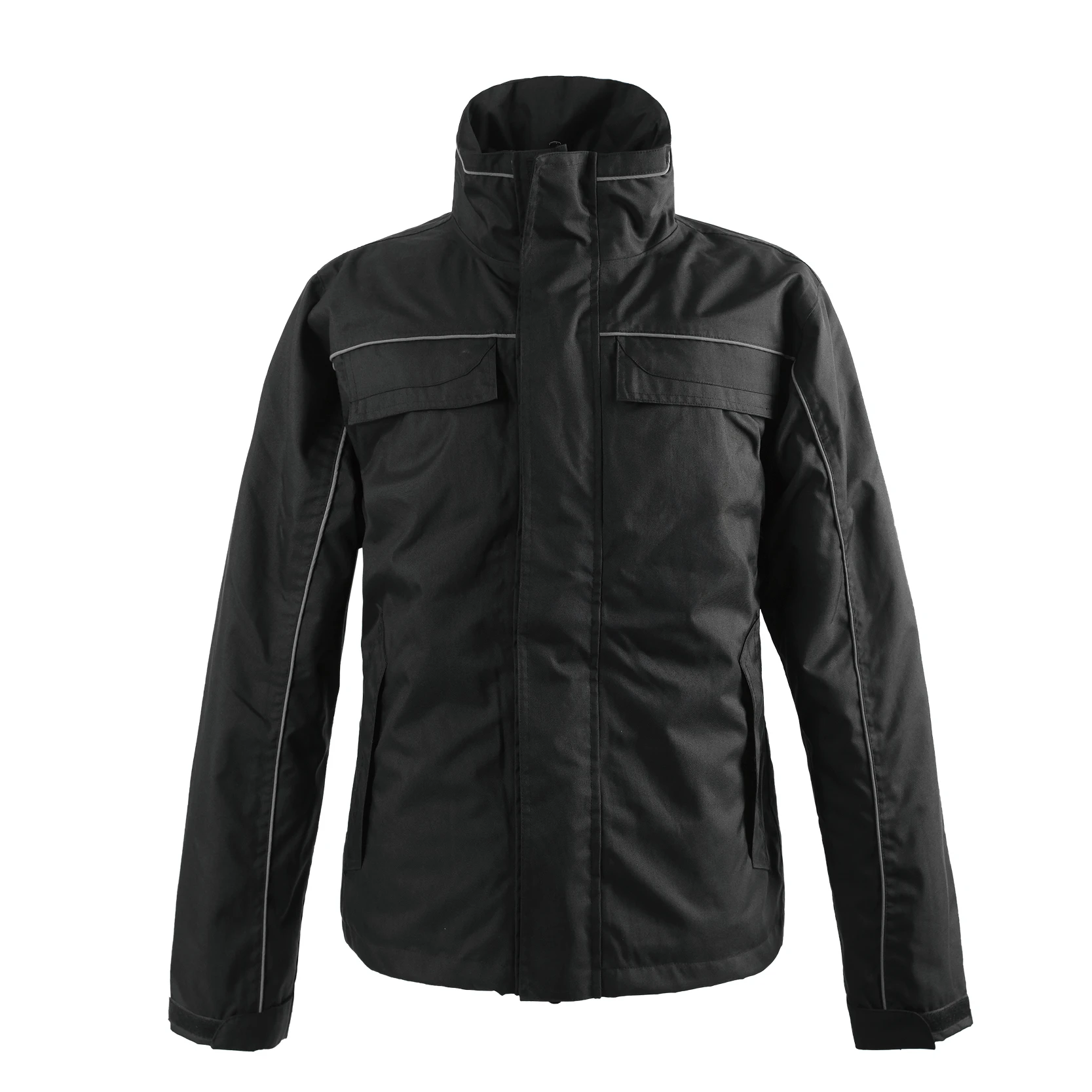
In the Central African Republic, the demand for workwear clothing is heavily influenced by the equatorial climate. High humidity and temperatures necessitate fabrics that prevent heatstroke while providing a physical barrier against industrial hazards.
Currently, many local workshops rely on generic imports that often fail to meet the specific durability needs of heavy-duty tasks. There is a critical gap in the availability of specialized construction clothing that can withstand both the abrasive nature of mining sites and the corrosive effects of tropical moisture.
The local market is transitioning from basic cotton uniforms to reinforced synthetic blends. This shift is driven by the need for longer garment lifespans in rugged environments, reducing the frequency of replacement for essential safety gear.





 English
  Arabic
  Czech
Czech  Dutch
Dutch  French
  German
  Hebrew
  Hungarian
  Italian
  Japanese
  Korean
  Malay
Malay  Persian
  Polish
  Portuguese
  Russian
  Spanish
  Swahili
  Swedish
  Turkish