
What Are High Vision Shirts and Why They Matter Globally?
High vision shirts — you might know them as hi-vis shirts or high-visibility clothing — are quite literally a beacon in many industries. At their core, these garments are engineered to make the wearer visible even from a distance or in poor lighting conditions. Their global importance? Well, from bustling construction sites in New York to remote humanitarian operations in Africa, these shirts significantly reduce accidents caused by poor visibility. Honestly, it’s hard to overstate how crucial they are when safety is on the line. Understanding their design, application, and benefits isn't just for occupational safety experts but anyone invested in workplace wellbeing or public safety.
Global Context: How High Vision Shirts Fit Into Today’s Safety Landscape
According to the International Labour Organization (ILO), over 2.3 million people worldwide succumb to workplace accidents every year, with visibility-related hazards topping many lists. That’s a staggering figure. Beyond safety stats, the ISO and other regulatory bodies worldwide keep updating standards to ensure high vision shirts meet rigorous performance benchmarks. And that makes sense — better protection can prevent countless injuries and fatalities.
But the challenge remains: how to guarantee everyone who needs one actually wears high vision shirts of adequate quality? This is especially relevant in developing countries, where such protective apparel often is unavailable or ignored. Moreover, these shirts are no longer just about color and reflectivity; there’s a growing demand for comfort, durability, and environmental responsibility.
Defining High Vision Shirts: More Than Just Bright Colors
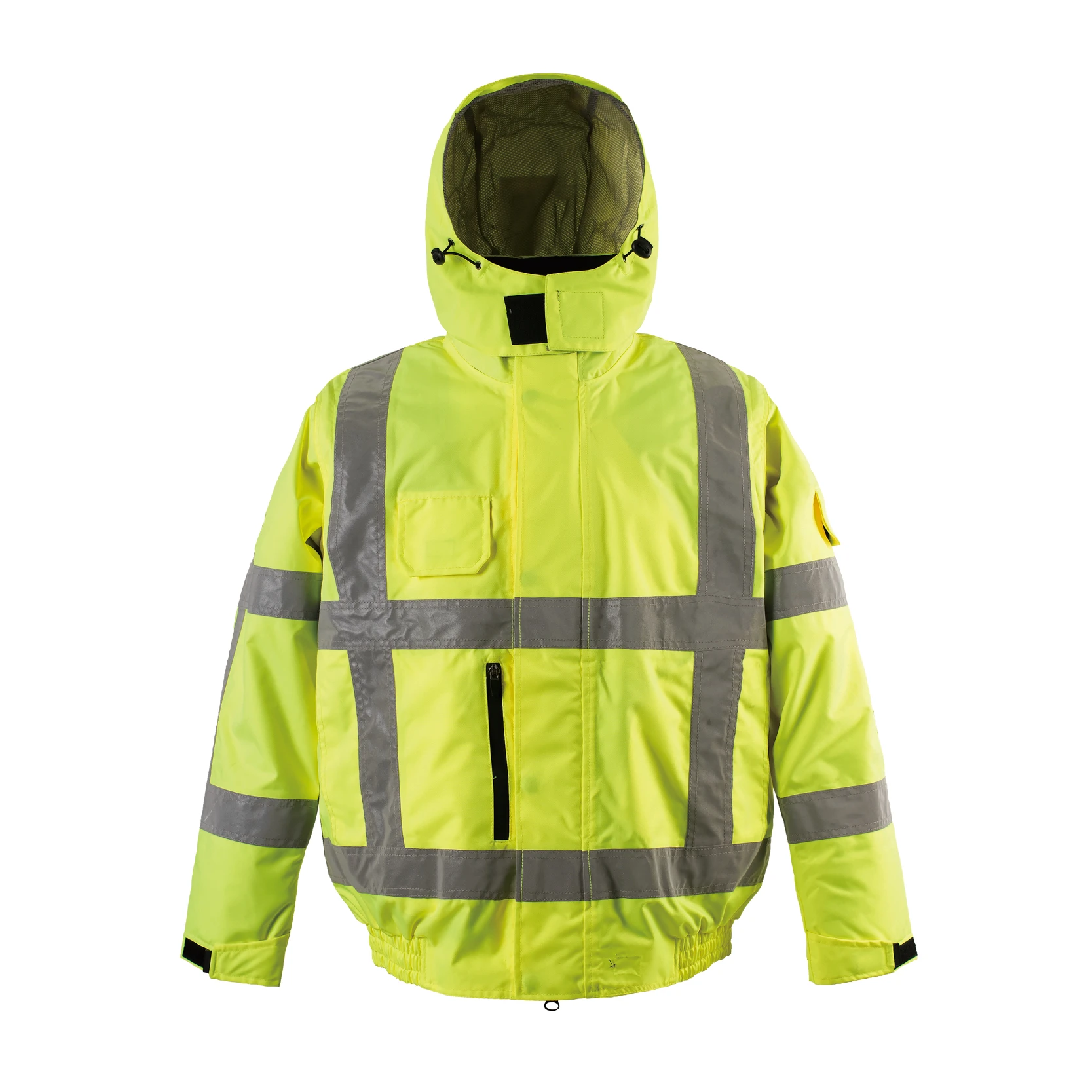
Simply put, high vision shirts are safety garments made from fluorescent materials combined with reflective strips or tapes. Their primary purpose? To catch and reflect light, making the wearer conspicuous in dim or fast-moving environments. Unlike normal brightly colored clothes, the fluorescent pigments in these shirts convert ultraviolet light from sunlight into visible light, boosting daytime visibility. At night or in dark settings, reflective tapes bounce back light from headlights or flashlights.
They have become a wardrobe staple across industries — construction, traffic management, warehousing, emergency response teams, even cycling and running communities. Plus, international humanitarian efforts rely heavily on them to make workers safer in often chaotic and unpredictable environments.
Mini Takeaway:
High vision shirts combine fluorescent and reflective materials to protect workers globally, blending safety with adaptability.
Core Components That Define Quality in High Vision Shirts
1. Visibility & Color Technology
This is the heart of any high vision shirt. Typically, shirts sport fluorescent yellow, orange, or lime green fabrics paired with silver or grey reflective tapes — all standardized by ISO 20471 guidelines. The materials must shine bright both day and night, and many engineers say the exact shade can even affect alertness.
2. Durability & Fabric Strength
High vision shirts aren't runway fashion — these are workhorses for tough environments. Polyester blends are popular, providing tear resistance alongside breathability. Oddly enough, the fabric choice also ties into sustainability since longer-lasting garments reduce waste.
3. Comfort and Breathability
It's a balance, really. Nobody wants to wear a hot, stiff shirt all day, especially in summer construction or tropical climates. Modern designs incorporate mesh panels, moisture-wicking fibers, and ergonomic tailoring to keep workers cool without sacrificing visibility.
4. Standards Compliance & Certification
Any savvy buyer will look for ISO 20471 certification or equivalent local standards. These confirm the shirt meets minimum visibility thresholds, reflective tape width, and garment design. Suppliers often provide testing details — a key part of trust.
5. Customization Options
Workplaces differ, so customizable options like logos, additional pockets, or reinforced elbows offer practical benefits without compromising safety.
Mini Takeaway:
Quality high vision shirts blend visibility, durability, comfort, and certification to meet diverse industry demands.
Product Specification Table for Typical High Vision Shirts
| Specification | Details |
|---|---|
| Material | 100% Polyester with fluorescent dyes |
| Reflective Tape | Silver retroreflective tape, ≥50mm width |
| Colors Available | Fluorescent Yellow, Orange, Lime Green |
| Certification | ISO 20471 Class 2 or 3 |
| Breathability | Mesh inserts and moisture-wicking fabric |
| Sizes | S to 5XL |
Global Applications: Where High Vision Shirts Truly Shine
One of the things I find fascinating is how universal these shirts are. For instance, in post-disaster relief operations unfolding across Southeast Asia, emergency teams coordinate in chaotic environments. Here, high visibility shirts help reduce accidents, especially when electricity is out, and visibility is poor. In European and North American roadwork, your everyday commuter brushes by workers whose safety depends on the reflectivity of their shirts.
In countries like Australia, where mining jobs often require multi-day onsite shifts, high vision shirts’ comfort factors come into play big time — if workers won’t wear them consistently, safety goals fall flat. Even in municipal cleaning crews or airport marshalling zones around the globe, these shirts translate into preventing injuries.
The humanitarian sector especially leans on these shirts for field teams serving in remote or conflict-affected zones. When lives depend on visibility, the trust placed in these shirts is enormous. If you want to see actual impact stories, organizations like the UN’s Office for the Coordination of Humanitarian Affairs often mandate specific visibility gear during crises.
Mini Takeaway:
High vision shirts aren’t luxury; they’re vital in scattered fields—construction, disaster zones, mining, even airports—fostering safety worldwide.
Advantages & Long-Term Value of Investing in High Vision Shirts
Taking a step back, imagine the cost saved from avoiding minor injuries and major accidents, all thanks to a shirt. Many companies report measurable drops in workplace injuries after introducing certified high vision shirts coupled with training.
Beyond dollars, the shirts amplify worker dignity and confidence — no more fumbling to be seen or worrying about visibility. Environmentally, modern manufacturers adopt recycled materials, reducing the carbon footprint. Durability increases lifespan; less frequent replacement means less textile waste. Emotionally, these shirts stand for innovation, trust, and care from employers who value their teams, which often translates to better morale.
Vendor Comparison for Popular High Vision Shirt Providers
| Vendor | Certification | Price Range (USD) | Customization | Special Features |
|---|---|---|---|---|
| SafeWear Inc. | ISO 20471 Class 3 | $20–$35 | Logos, Pockets, Sizes | Moisture-wicking fabric, reinforced stitching |
| BrightLine Gear | ANSI/ISEA 107 | $25–$40 | Colors, Reflective Taping Patterns | Eco-friendly recycled materials |
| VisibilityPro | ISO 20471 Class 2 | $15–$30 | Standard Sizes Only | Lightweight mesh inserts |
Emerging Trends and Innovations in High Vision Shirts
Materials science advances fast. Recently, nanotechnology coatings have begun making shirts water-repellent but still breathable. That’s big for outdoor jobs in rain-prone areas. And smart textiles? Yes, some experimental high vision shirts now incorporate LED strips or sensors to measure worker vitals or location.
Sustainability is another driver. Suppliers increasingly upload transparent supply chains and use recycled fibers, avoiding microplastic shedding. Policies at global bodies like the ILO are pushing countries toward mandatory high-visibility clothing, raising demand for cost-effective, eco goods.
Challenges & Practical Solutions in Deploying High Vision Shirts
Of course, not everything is perfect. Common stumbling blocks include improper sizing causing discomfort, reflected light leading to glare issues, and sometimes poor adherence to standards or counterfeit products flooding markets.
Experts suggest: thorough workplace risk assessments to decide exact garment requirements, partnering with certified vendors, and continuous worker education. Also, exploring hybrid fabrics for better climate adaptability helps. In some regions, NGOs organize training sessions to raise awareness about the importance of these shirts alongside PPE gear.
FAQ: Your Common Questions About High Vision Shirts
- What makes high vision shirts more effective than normal bright clothes?
- High vision shirts use fluorescent materials that boost light reflection during daylight and retroreflective tapes that bounce back light at night. Normal bright clothes lack these technologies, making them less visible under dim or variable lighting.
- How long do these shirts usually last under harsh working conditions?
- With proper care, high-quality shirts last between 1 to 3 years. Frequent washing and exposure to sunlight may degrade fluorescent dyes and reflective tapes, so replacing them after signs of wear ensures safety.
- Are high vision shirts eco-friendly?
- Increasingly yes. Many manufacturers incorporate recycled polyester fabrics and use eco-friendly dyes. However, full sustainability depends on production practices and end-of-life recycling programs.
- Can workplaces customize these shirts with logos or additional safety features?
- Absolutely. Most suppliers provide customization options without compromising visibility standards, allowing for branding alongside safety.
- Where can I source certified high vision shirts for large teams?
- Reputable PPE suppliers like SafeWear Inc. or BrightLine Gear offer bulk orders with certification. Visit supplier websites or industry marketplaces for trusted options.
Wrapping Up: Why Investing in High Vision Shirts is a Smart Move
High vision shirts stand as a simple yet profound form of protection. They save lives, uphold dignity, and — frankly — make work safer everywhere from city streets to far-flung humanitarian outposts. For employers and organizations looking to align safety, sustainability, and worker satisfaction, these garments are an easy win. If you want to explore top-quality options, or simply learn more about how to protect your people better, visit high vision shirts today.
Reflection & References
Going through this topic, it’s clear how a piece of clothing can embody so many values: safety, innovation, and responsibility. The standards evolve as technology does, and so will the impact of these garments. Kind of exciting, don’t you think?