
Understanding High Visibility Women's Clothing: Safety Meets Style
When we speak of high visibility women's clothing, it might seem like just safety gear with a feminine cut — but it’s so much more. Globally, these garments bridge gaps between industrial safety protocols and inclusive design, benefiting women who work in sectors ranging from construction to emergency response. At its core, understanding this niche means recognizing how safety and empowerment can intersect through thoughtful apparel.
Why High Visibility Apparel for Women Matters Now More Than Ever
Safety is a universal concern, but the industrial world has historically designed safety gear for men, often marginalizing women who now comprise a growing segment of the workforce. According to the International Labour Organization (ILO), women in construction and manufacturing have increased substantially in the last decade.1 Globally, sectors that require high visibility apparel see fewer accidents when proper gear is standardized — yet women often lack options designed specifically for their physiology and preferences.
A recent ISO report on personal protective equipment emphasizes that ill-fitting clothing diminishes protection and worker compliance.2 This challenge isn’t trivial! Solutions that prioritize fit, comfort, and compliance are directly linked to improved safety outcomes, especially in hazardous environments where visibility can be a split-second difference between life and injury.
Mini takeaway: Addressing women’s unique safety needs in high visibility clothing is more than style — it’s a global imperative tied to reducing workplace accidents and increasing workforce inclusivity.
What Exactly Is High Visibility Women's Clothing?
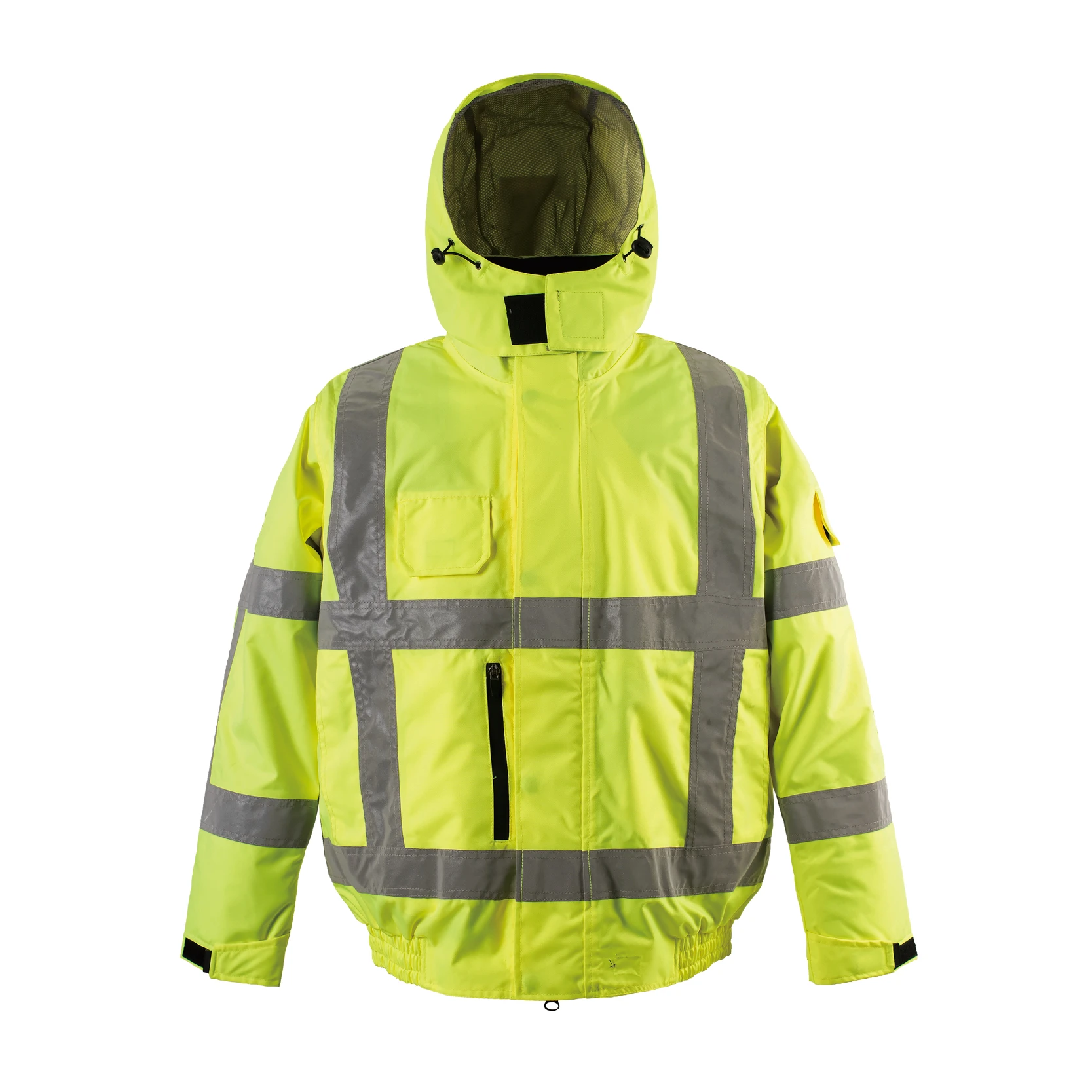
Simply put, high visibility women's clothing refers to garments designed for enhanced visibility in low-light or hazardous environments, purpose-built to fit and flatter female body shapes without compromising ANSI or EN safety standards. Think reflective stripes, fluorescent fabrics, and ergonomic tailoring that blends safety with comfort.
These clothes serve emergency responders on night shifts, women in roadside maintenance, warehouse workers, even volunteers in disaster zones — anywhere visibility means the difference between being seen or overlooked.
How does it connect to modern industries and humanitarian contexts?
The rise of women in industrial roles, combined with global initiatives for workplace safety (such as OSHA standards in the U.S. and European EN ISO norms), means more spaces require functional high visibility clothing that supports female ergonomics and safety certification.
Mini takeaway: This clothing line is where industrial safety intersects with smart, inclusive design — not simply painting a garment in neon but truly engineering protection.
Core Components That Make High Visibility Women’s Clothing Work
1. Visibility – The Heart of the Matter
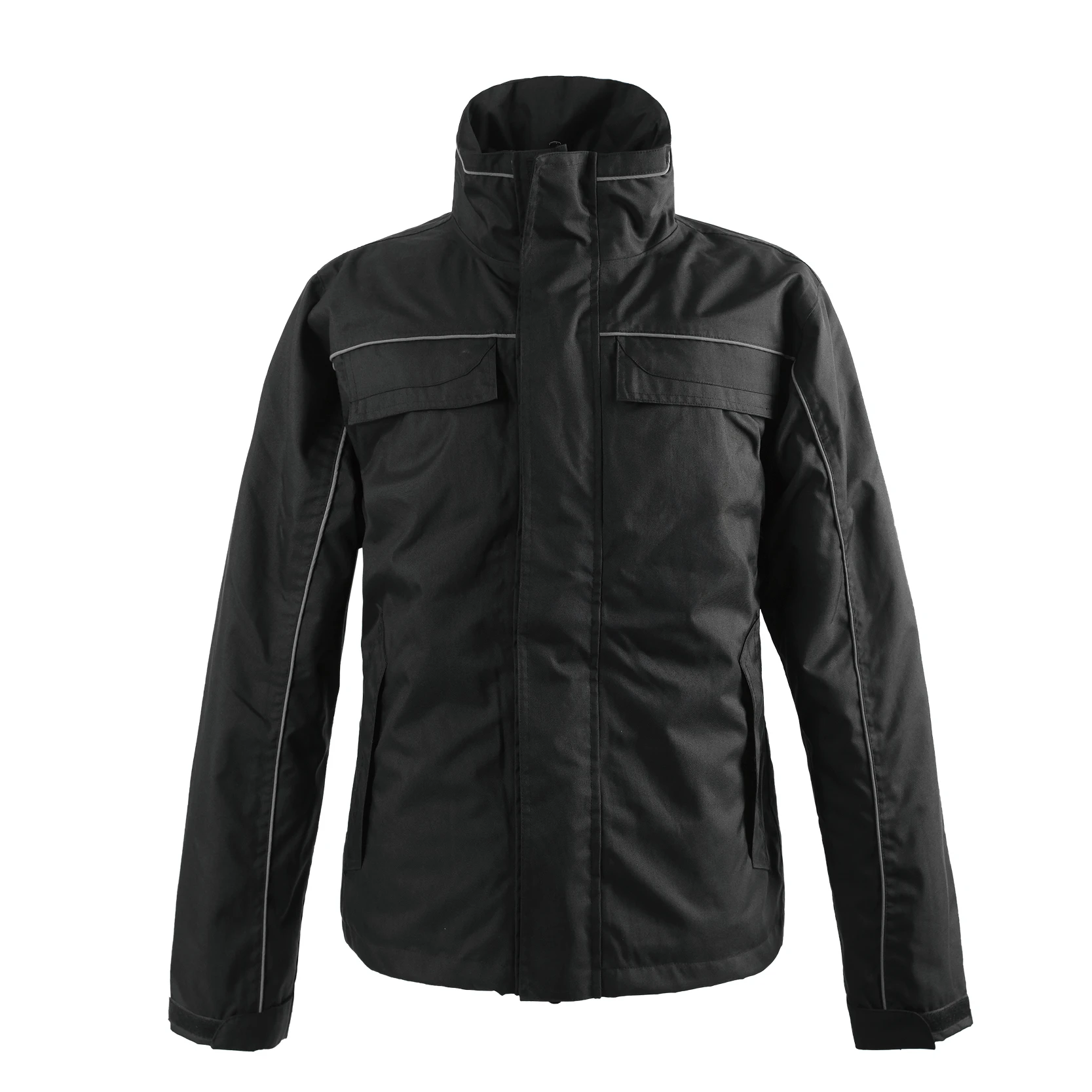
Fabrics are usually fluorescent yellow, orange, or lime green with wide reflective tapes that catch light at night or in fog — meeting standards like ANSI/ISEA 107 or EN ISO 20471. For women, the placement of reflective material is adapted so it stays effective on different body shapes and garment styles like jackets, vests, or trousers.
2. Ergonomic Fit & Comfort
Unlike “one-size-fits-all” safety gear, high visibility women’s clothing prioritizes adjusted cuts: narrower waists, longer arms, softer shoulders — allowing for natural movement, avoiding chafing or excess bulk.
3. Durability & Material Quality
Industry-grade polyester blends resist abrasion, moisture, and UV exposure. Many feature water-repellent coatings or mesh ventilation, balancing durability with breathability essential for long shifts.
4. Compliance & Testing
Garments undergo rigorous assessments for flame resistance, tear strength, and reflectivity longevity — ensuring the gear doesn’t lose its protective advantages after repeated use or washes.
5. Aesthetic & Psychological Impact
Interestingly, women report higher confidence and job satisfaction when wearing apparel that fits well and looks professional. This emotional component subtly improves safety adherence.
| Specification | Details |
|---|---|
| Standards Met | ANSI/ISEA 107, EN ISO 20471 |
| Material | Polyester Blend with Reflective Tape |
| Sizes | XS to 3XL with tailored fits |
| Features | Water resistant, breathable mesh panels, multiple pockets |
| Colors | Fluorescent Yellow, Orange, Lime Green |
| Care | Machine wash cold, tumble dry low |
Mini takeaway: Professional high visibility women’s clothing balances strict safety rules with real-world comfort and style — a tough but vital design dance.
Where Are High Visibility Women’s Clothes Impacting Lives Across the Globe?
This apparel truly shines (pun intended) in varied settings:
- Construction sites in North America and Europe where women now account for 10-15% of labor, demanding properly fitting safety wear.
- Emergency response teams worldwide — including UN disaster relief workers — who need to stand out in chaotic environments.
- Road maintenance and logistics industries in Asia and Australia, where high traffic and reduced visibility put workers at acute risk.
- Mining and manufacturing hubs in South America and Africa adopting progressive safety standards while increasing female workforce participation.
For example, in remote zones of Canada’s oil fields, custom-made high visibility jackets for women combine cold weather resistance with safety, enabling workers to perform efficiently and securely. Similarly, NGOs running disaster relief in Southeast Asia report that high visibility women’s gear improves volunteer identification and coordination.
Mini takeaway: The spread of high visibility women's clothing echoes global shifts in workforce diversity and safety culture — touching lives from city streets to rugged terrains.
Long-Term Advantages of Investing in High Visibility Women's Apparel
Let’s put this bluntly: well-designed safety clothing saves money by preventing accidents, reducing downtime, and lowering insurance costs. From a sustainability perspective, durable materials and multi-season use cut waste. Then there’s the social side — promoting gender equity and dignity at work.
Emotionally, women wearing high visibility gear that fits well feel safer and more confident on site — which amplifies productivity and team cohesion. Employers also benefit from reputational gains by embracing inclusive safety solutions.
Future Directions: What’s Next for High Visibility Women’s Clothing?
Several exciting trends are shaping this niche:
- Smart Fabrics: Integration of LED lighting and IoT sensors that react to environment changes.
- Eco-conscious Materials: Use of recycled fibers and biodegradable coatings.
- Customization & 3D scanning: Tailored cuts that perfectly match individual body shapes.
- Policies Advocating Equity: Governments pushing standards that require gender-specific safety gear in federally funded projects.
It’s not crazy to imagine a future where your high visibility jacket tells you or a supervisor if reflective materials have degraded or indicates hazardous proximity via embedded tech.
Challenges and How the Industry Is Overcoming Them
The obvious hurdle? Costs. Tailored, tested, and certified gear costs more than generic unisex pieces. Some companies hesitate to invest for a minority workforce percentage. Then there’s supply chain complexity — sourcing specific materials in bulk and ensuring strict compliance across borders is tough.
However, bigger contracts and increased regulatory pressure are driving volume production, which is reducing unit costs. Partnerships between manufacturers and NGOs or governments are also expanding access to affordable, reliable clothing.
Vendor Comparison: Options For High Visibility Women's Clothing
| Vendor | Price Range (per piece) | Certifications | Customization Options | Eco-friendly Materials |
|---|---|---|---|---|
| SafeWear Pro | $40–$70 | ANSI 107, EN ISO 20471 | Full size & color range | Recycled polyester blends |
| GlobeGear | $55–$85 | ISO 20471, Flame resistant options | Customized reflective patterns | Organic cotton blends |
| LuminoWear | $35–$65 | ANSI, EN ISO 20471 | Standard fit with minor alterations | Limited eco options |
Frequently Asked Questions About High Visibility Women’s Clothing
Q1: What standards should I look for when choosing high visibility women's clothing?
A1: Look for ANSI/ISEA 107 compliance in the U.S. and EN ISO 20471 in Europe. These ensure the garment meets minimum reflectivity, color, and durability requirements.
Q2: Can high visibility women's clothing be used in all weather conditions?
A2: Many garments feature water-resistant, breathable fabrics suited for different climates, but always check product specs for season-specific options.
Q3: How important is fit in safety clothing?
A3: Crucial. Poorly fitting clothing may cause discomfort, reduce range of motion, or fail to keep reflective elements visible, compromising safety.
Q4: Are eco-friendly materials available without sacrificing visibility?
A4: Yes. Advances in recycled and organic materials now allow for eco-conscious manufacturing that doesn't affect brightness or durability.
Q5: Where can I find reliable suppliers for high visibility women's apparel?
A5: Consider vendors with certifications and transparent testing, such as high visibility women's clothing specialists who prioritize both compliance and inclusivity.
Wrapping Up: Safety That Finally Fits
To sum it up, high visibility women's clothing is about more than neon colors — it’s a critical piece of the evolving workplace safety puzzle. By tuning into the unique needs of women workers and blending safety with ergonomic design, the industry advances toward a more inclusive, sustainable future. Whether you’re a safety manager, a procurement officer, or a curious worker yourself, recognizing the long-term value of this apparel is a smart move.
Ready to empower your team with well-fitted, certified safety wear? Visit our website for tailored solutions that uphold both style and standards.