
The Essential Guide to High Visibility Winter Vests: Safety Meets Comfort
Why High Visibility Winter Vests Matter Globally
When the light fades early in the winter months, and harsh weather conditions take hold, visibility becomes a life-critical factor—especially for those who work outdoors. The high visibility winter vest is that unsung hero, merging safety with warmth in a simple, practical garment. Its importance stretches well beyond industry lines, affecting everything from construction sites in North America to humanitarian aid camps in Northern Europe and Asia.
According to the International Labour Organization (ILO), around 60,000 workplace fatalities happen annually due to accidents often tied to poor visibility and adverse weather conditions[1]. Combine that with growing demand for outdoor workwear that is both safe and functional, and you start seeing why this product matters. Simple gear like this significantly cuts down accidents by improving visibility while also protecting wearers against winter chill.
What Exactly Is a High Visibility Winter Vest?
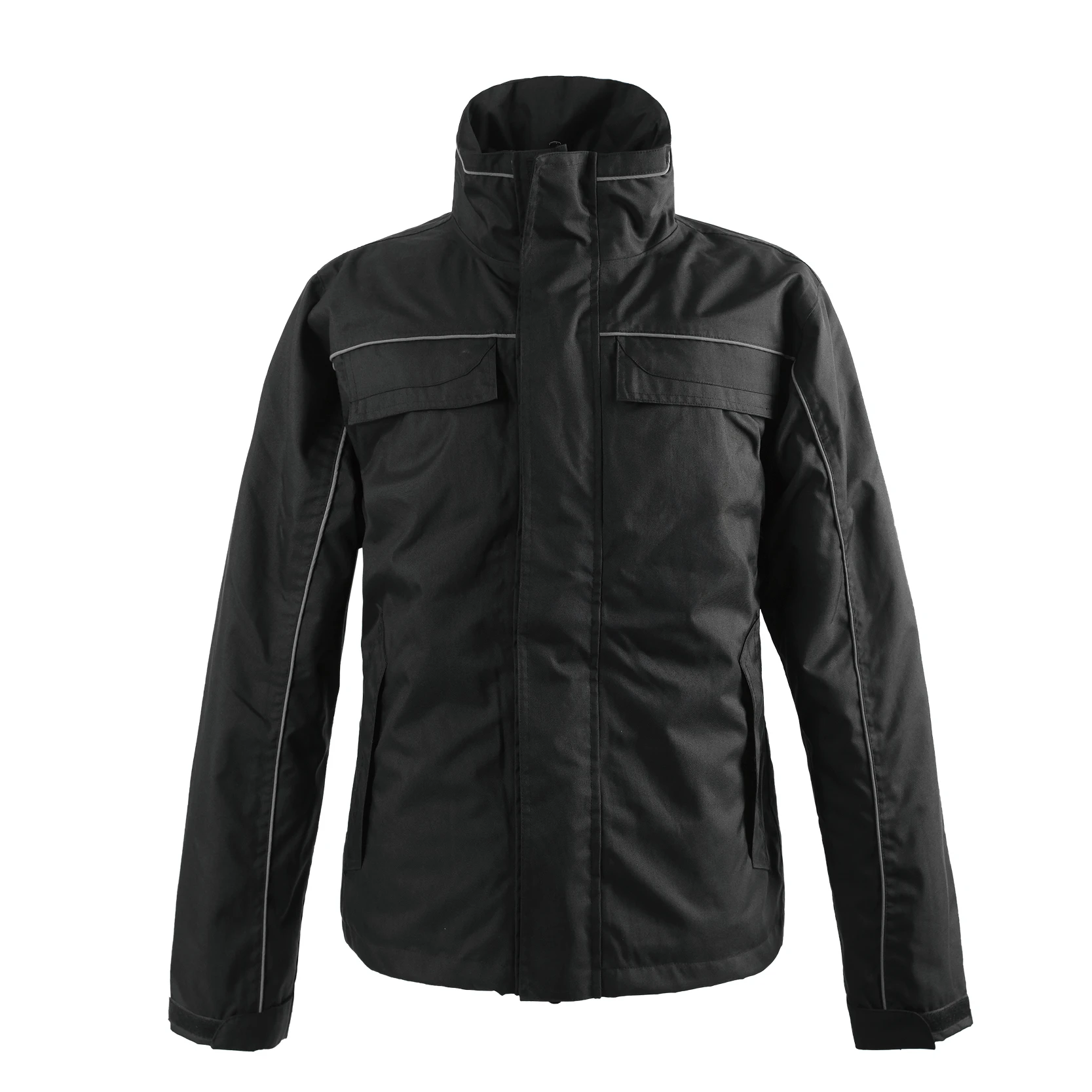
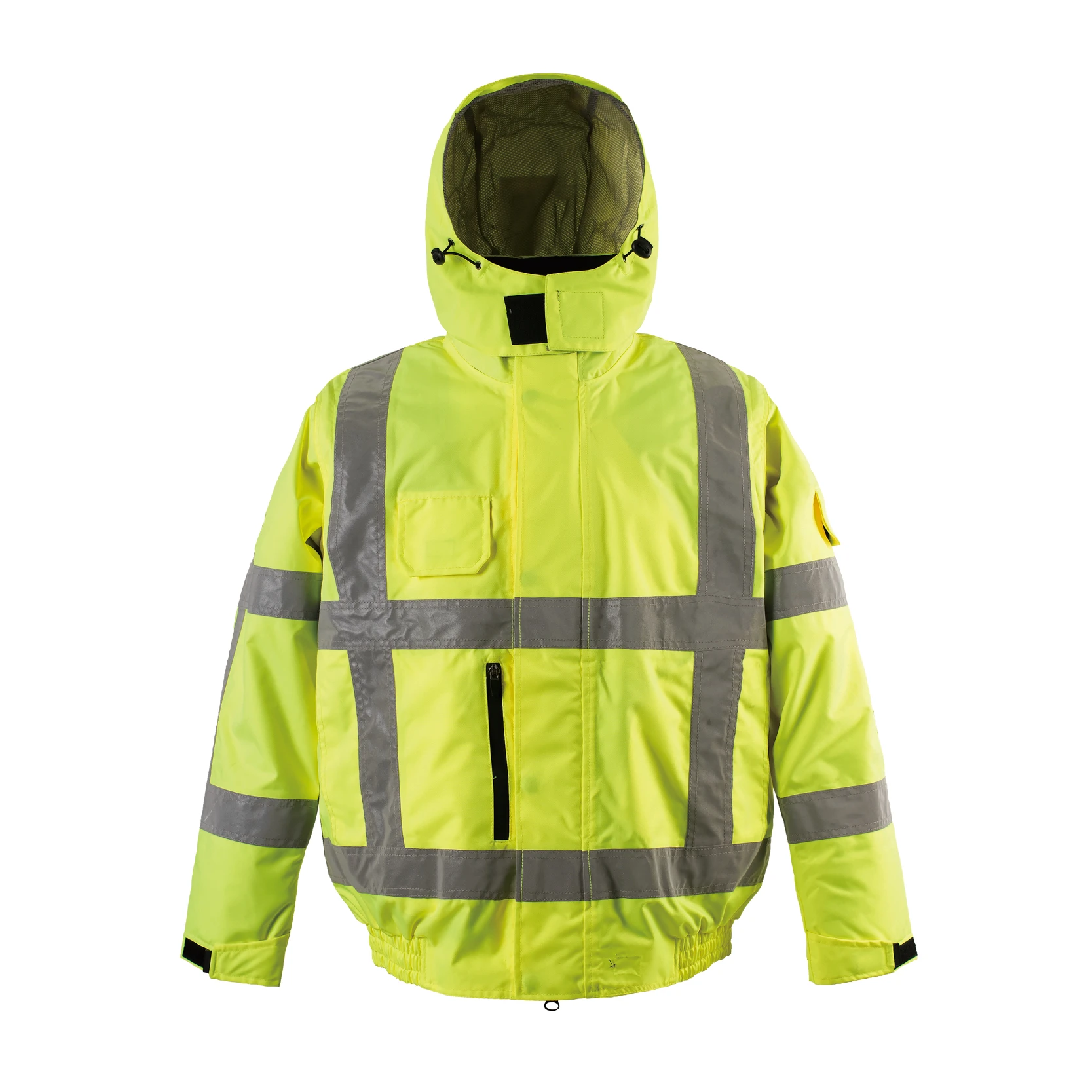
Think of a high visibility winter vest as a bright, reflective, insulated layer designed to boost wearer visibility and provide warmth without the bulk of a full jacket. Typically equipped with fluorescent materials like neon yellow or orange fabric and reflective stripes, these vests catch both daylight and artificial light sources effectively.
But it’s not only about safety. These vests answer real modern demands: staying agile and comfortable while enduring cold, windy, and wet conditions. They tie directly into wider industry and humanitarian needs — ensuring workers, first responders, and volunteers remain visible and protected during risky outdoor tasks.
Key Features That Define a Quality High Visibility Winter Vest
1. Durable and Weather-Resistant Materials
Modern high visibility winter vests utilize materials like ripstop polyester with water-repellent coatings. This means the vest holds up to snow, rain, and abrasion on a construction site or in a disaster zone without fading or tearing.
2. Effective Reflectivity and Colorfastness
The bright fluorescent colors don’t just pop—they must maintain brightness through washing and exposure to UV light. Reflective elements, typically made from micro-prismatic tapes, ensure visibility even in fog, snow, or poor lighting.
3. Thermal Insulation without Bulk
The challenge lies in staying warm without restricting movement. Insulating layers in the vest use lightweight fleece or polyester fills, balancing warmth and flexibility, as many workers need to stay nimble.
4. Practical Design Features
- Adjustable closures for layering
- Multiple pockets for tools or personal items
- Windproof collars or neck guards
- Easy identification patches for company or role
5. Compliance with Safety Standards
Most high visibility winter vests meet or exceed standards like ANSI/ISEA 107 in the U.S. and EN ISO 20471 in Europe—ensuring they legally deliver on their safety promise. This is a non-negotiable factor for any serious user.
High Visibility Winter Vest in Action: Global Use Cases
Across the world, industries and organizations rely on these vests to keep their teams safe and effective:
- Construction and Roadwork: Sites near highways or low-light urban zones use these vests to minimize accident risks.
- Emergency Services: Firefighters, paramedics, and disaster relief workers in cold regions depend on high visibility and thermal protection during chaotic operations.
- Logistics and Delivery: In snowy northern countries, delivery drivers and warehouse staff wear these vests for visibility and warmth.
- Mining and Industrial Sectors: Remote industrial zones in places like Canada and Russia favor these vests to handle harsh climates while maintaining safety regulations.
For example, during winter floods in Scandinavia, NGOs outfit volunteers with high visibility winter vests to safely coordinate rescue efforts in subzero temperatures.
Product Specifications Compared
| Feature | Typical Value/Standard | Explanation |
|---|---|---|
| Material | Ripstop Polyester (300-320 GSM) | Resists tears & repels moisture |
| Reflective Tape | Micro-prismatic, Class 2 or 3 | Maximizes visibility in low-light |
| Insulation | Polyester Fleece (150-200 GSM) | Keeps warmth without bulk |
| Compliance | ANSI/ISEA 107 or EN ISO 20471 | Legal safety standards for visibility |
| Weight | 400-600 grams | Light enough for layering |
Choosing the Right Vendor: A Quick Comparison
| Vendor | Material Quality | Price Range | Customization Options | Delivery Speed |
|---|---|---|---|---|
| Jide Garment | Premium Ripstop with reinforced seams | $$$ (Bulk discounts available) | Logo printing, color, size tailoring | 2-3 weeks worldwide |
| SafeVest Co. | Mid-range polyester blends | $$ | Limited colors, standard sizes | 1-2 weeks (regional) |
| VisPro Gear | Basic materials, mass produced | $ | Minimal customization | 3-4 weeks |
Benefits That Keep Users Coming Back
Beyond the obvious safety boost, high visibility winter vests deliver emotional and long-term value. They inspire confidence—knowing you’re safer from oncoming traffic or heavy machinery—and carry an understated social dignity that often goes unnoticed. For businesses, investing in proper safety gear translates into fewer work interruptions and insurance claims.
And sustainability? Many manufacturers are now using recycled polyester and eco-friendly dyes, aligning these vests with growing corporate responsibility goals. It’s a win-win: protecting employees while protecting the planet.
What’s Next? Innovations on the Horizon
The market is buzzing with exciting advances. Smart textiles embedding LED lights or sensors signal proximity alerts and regulate temperature dynamically. There’s also movement towards fully recyclable garments — imagine a high visibility winter vest that you could compost after its service life ends, reducing landfill waste.
Plus, digital supply chains are enabling faster customizations. This means jit deliveries of precise vests tailored for specific climates or industries. In real time, no less.
Facing the Challenges
That said, some hurdles persist. Cost remains a barrier for smaller companies or NGOs. Maintenance can be tricky: improper washing dulls reflective tape. Also, one-size-fits-all often results in ill-fitting vests, undermining safety and comfort.
The good news? Many vendors, including Jide Garment, offer bulk pricing, training on care, and customizable fits, helping to close these gaps smartly.
Common Questions About High Visibility Winter Vests
- Q1: How do high visibility winter vests differ from regular safety vests?
- A: Winter vests add insulated materials to keep wearers warm while maintaining the reflective and fluorescent properties critical for visibility, unlike regular vests which focus mostly on reflectivity.
- Q2: Can these vests be layered over bulky winter coats?
- A: Yes, many designs include adjustable sides and ample room to fit over jackets, ensuring visibility without compromising warmth.
- Q3: How do you maintain the reflective tape’s effectiveness?
- A: Wash vests gently in cold water, avoid bleach and fabric softeners, and hang dry to preserve tape longevity and brightness.
- Q4: Are there eco-friendly options available?
- A: Increasingly so. Many suppliers now offer vests made from recycled polyester and use low-impact dyes, which reduce environmental footprint.
- Q5: What certifications should I look for?
- A: ANSI/ISEA 107 or EN ISO 20471 compliance ensures standardized levels of visibility and material performance essential for workplace safety.
Wrapping Up: Why Invest in High Visibility Winter Vests?
When all’s said and done, these vests play a quiet but crucial role in global safety and comfort. They’re a simple garment with big impact—helping workers, volunteers, and responders do their jobs well, through winter’s toughest moments.
Curious to explore the best choices? Visit Jide Garment for an extensive range of high visibility winter vests tailored to your needs.
References:
1. International Labour Organization (ILO) Annual Safety Statistics
2. Wikipedia: High-visibility clothing
3. ISO 20471 Standard for High Visibility Clothing